Pumpkin Seed Snacking: Why You Might Feel Tired or Bloated (and How to Fix It)
Pumpkin seeds can be a deeply satisfying snack—and they’re packed with magnesium, zinc, antioxidants, and beneficial fats. Yet some people still notice lingering fatigue, poor sleep progress, or digestive discomfort after adding them to their routine. Often, the issue isn’t the seeds themselves, but small preparation and storage habits that quietly reduce nutrient absorption.
If pumpkin seeds haven’t delivered the results you expected, a few simple adjustments may help your body access more of their natural benefits. Below are the most common pumpkin seed mistakes worth checking in your own routine.
Why Pumpkin Seeds Deserve a More Mindful Approach
Research commonly links pumpkin seeds with general wellness support thanks to their mineral content and antioxidant compounds. However, bioavailability matters: even a nutrient-dense food can “underperform” if digestion is strained or if compounds in the seed interfere with mineral uptake.
That’s why preparation choices—like soaking, roasting temperature, and even storage—can influence whether pumpkin seeds feel like a true upgrade or just another snack that doesn’t move the needle.
Mistake 1: Eating Pumpkin Seeds With Tough Shells Still On
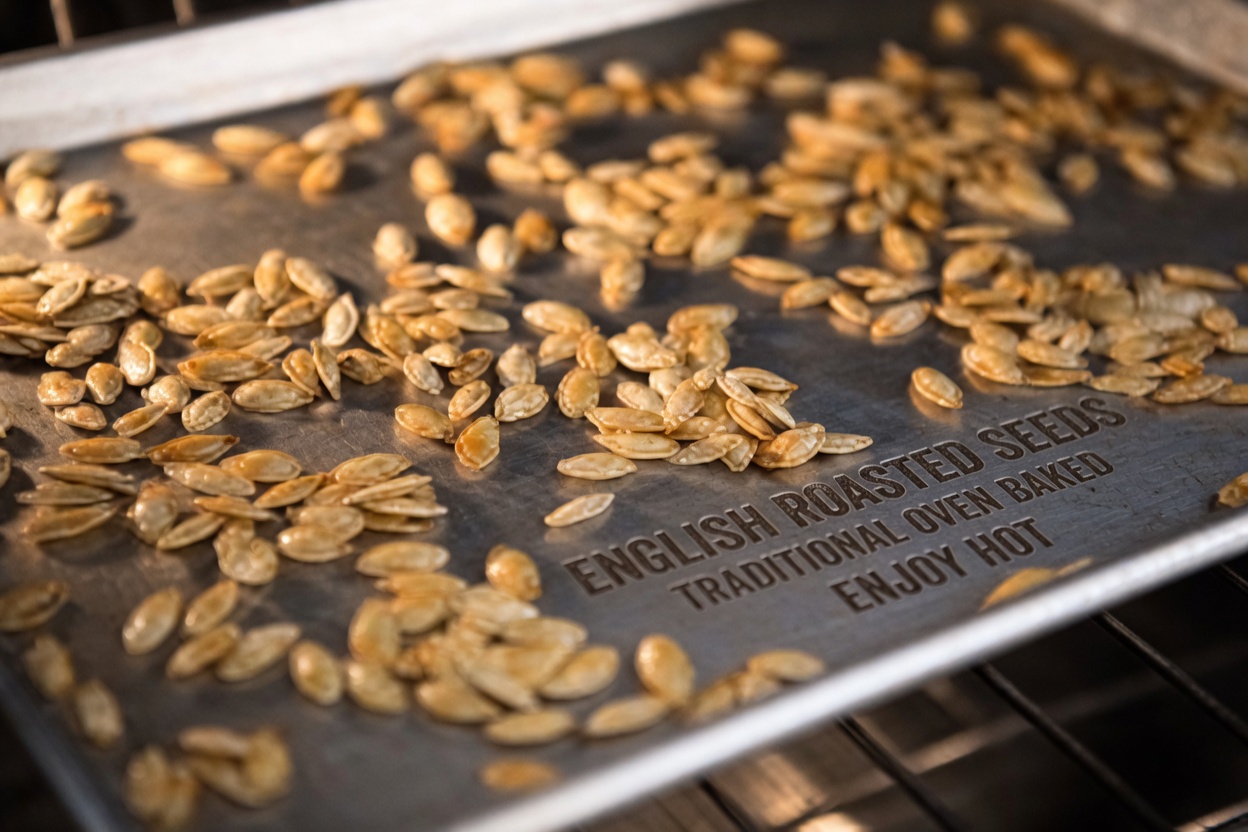
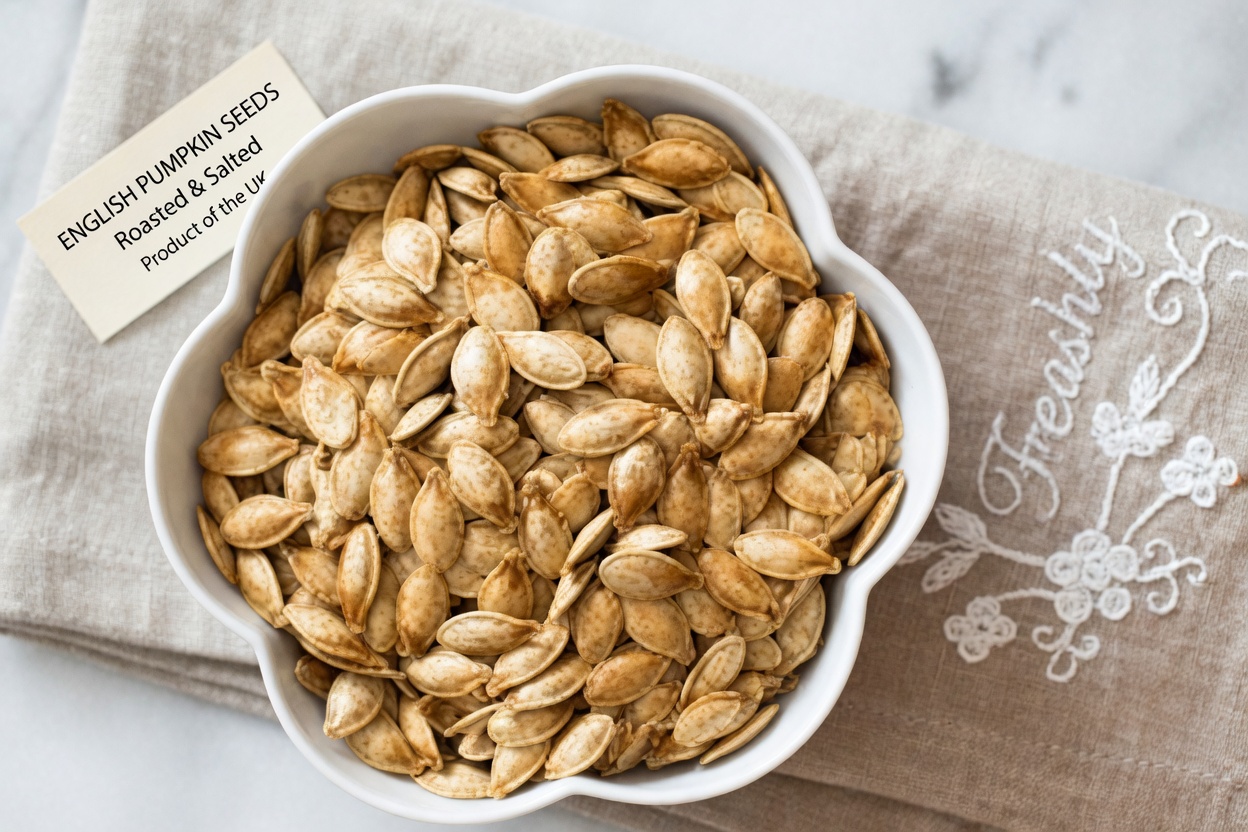
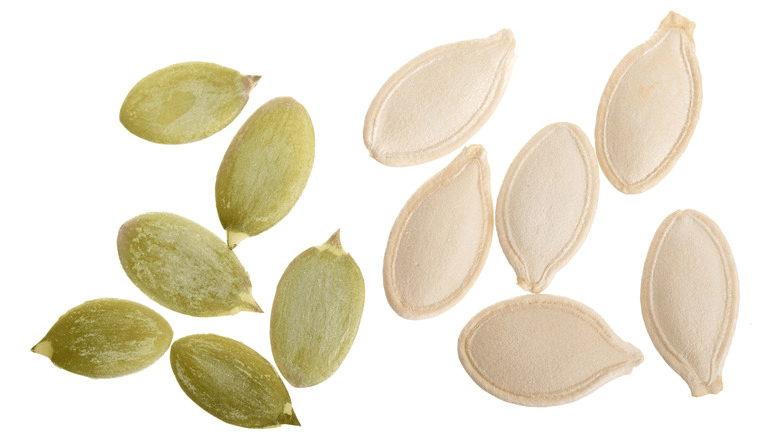
Whole pumpkin seeds with hard outer shells can be difficult to break down. This may lead to bloating or discomfort and can limit access to the softer, nutrient-rich interior. For many people, switching to hulled pumpkin seeds (pepitas) improves digestibility and may support better mineral absorption.
If you routinely feel heavy or gassy after eating pumpkin seeds, this is one of the easiest fixes to try.
Mistake 2: Skipping the Soak (Especially If You Eat Them Often)
Raw pumpkin seeds naturally contain phytic acid, a compound that can bind to minerals and reduce how much your body absorbs—especially magnesium and zinc. This doesn’t mean pumpkin seeds are “bad,” but it does explain why some people don’t feel the benefits they expected.
A simple overnight soak in water can help reduce phytic acid levels and encourage better mineral availability. Many also find soaked seeds feel easier on digestion.
- Tip for texture: After soaking, drain, rinse well, and pat dry. You can eat them as-is or lightly roast for crunch.
Mistake 3: Choosing Flavored or Heavily Salted Pumpkin Seeds
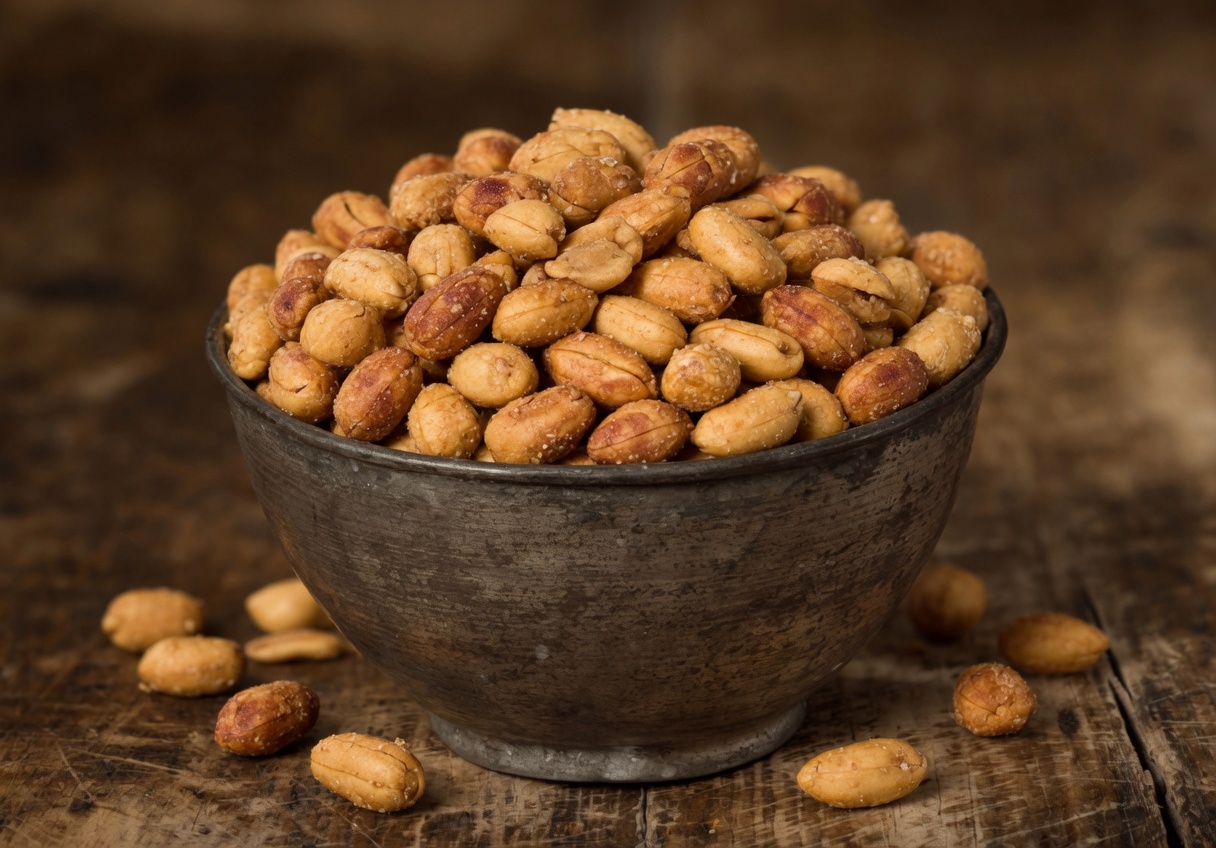
Many packaged pumpkin seed products come with added oils, flavor coatings, and high sodium. These extras can undermine the naturally heart-friendly profile of pumpkin seeds by adding unnecessary calories and salt—turning a clean snack into something less supportive over time.
To avoid this common pitfall:
- Choose plain, raw, or lightly roasted seeds
- Prioritize unsalted versions
- Read labels for added oils and flavoring blends
Mistake 4: Storing Pumpkin Seeds the Wrong Way
Pumpkin seeds are rich in healthy fats, but those fats can oxidize when exposed to heat, air, or light. Once rancid, seeds lose flavor and may offer fewer protective compounds.
For better freshness:
- Store in an airtight container
- Keep them in a cool, dark place
- For longest quality, use the refrigerator (especially after opening a large bag)
Freshness affects both taste and overall value—so storage is not a minor detail.
8 Common Pumpkin Seed Mistakes (and Gentle Fixes)
Avoiding these pumpkin seed mistakes can help you get more consistent results from this nutrient-dense food:
- Eating shells on → Switch to hulled pepitas for easier digestion
- No soaking → Soak overnight to reduce phytic acid impact
- Choosing flavored/salted varieties → Buy plain, unsalted seeds
- Poor storage → Use airtight storage in a cool, dark area (or fridge)
- Overeating (they’re calorie-dense) → Aim for 1–2 tablespoons per day
- High-heat roasting → Use low-temperature roasting or eat raw
- Unmeasured “handful” portions → Pre-portion to match your goals
- Relying on them too heavily → Rotate with other nuts and seeds for variety
Small changes often lead to noticeably better comfort and consistency over time.
How to Eat Pumpkin Seeds More Effectively (Simple Routine)
To get more out of pumpkin seeds—without overcomplicating your day—use a straightforward approach:
- Buy raw, unsalted, hulled pumpkin seeds (pepitas)
- Soak overnight in filtered water (optional, but helpful for regular intake)
- Drain, rinse, and pat dry
- If roasting, keep it light and low-temperature
- Store in an airtight jar in the refrigerator
- Keep portions to 1–2 tablespoons per serving
- Add to salads, yogurt, oats, or enjoy on their own
- Pay attention to your body’s response over time
Quick Comparison: Common Habits vs. Smarter Alternatives
- Eating seeds with shells → Digestive strain → Hulled pepitas
- Raw seeds without soaking → Lower mineral absorption → Overnight soak
- Flavored/salted packages → Extra sodium and calories → Plain, unsalted
- Room-temperature storage → Faster rancidity → Airtight + refrigerated
- Unlimited handfuls → Excess calories → Measured portions
Final Thoughts: Make Pumpkin Seeds Work Better for You
Pumpkin seeds can be a reliable, nourishing addition to your routine—but only if common pumpkin seed mistakes aren’t quietly blocking their benefits. If you’re trying to support energy, sleep, or overall wellness, start by adjusting just one or two habits (like switching to hulled seeds or improving storage) and track how you feel over the next few weeks.
Frequently Asked Questions
-
How much pumpkin seed is a reasonable daily amount?
Many people do well with 1–2 tablespoons per day, which supports benefits without adding too many calories. Adjust based on your overall diet and needs. -
Do I need to soak pumpkin seeds every time?
It’s not required, but soaking may improve digestibility and mineral availability, especially if you eat pumpkin seeds frequently. -
Can pumpkin seeds cause issues for some people?
Yes—large amounts may cause digestive discomfort, and individual needs vary. If you have a medical condition or specific dietary concerns, speak with a qualified professional.
Medical disclaimer: This article is for informational purposes only and does not replace professional medical advice. Individual responses to foods like pumpkin seeds vary. Consult a qualified healthcare provider or registered nutritionist for personalized guidance, especially if you have existing health conditions. If discomfort occurs, reduce intake or discontinue use.