
Understanding Vaginal Odor: Common Causes, Simple Supportive Habits, and When to Get Help
Noticing an unusual vaginal odor can feel intensely uncomfortable and embarrassing, especially when it affects your confidence during intimate moments or even day-to-day interactions. It’s easy to spiral into self-doubt—particularly when the smell seems to linger despite careful hygiene.
The reassuring truth is that vaginal odor is a common experience, and in many cases it has a clear explanation. Below are four frequent causes of vaginal odor, along with gentle habits that may help you support natural freshness.

Reason 1: Bacterial Imbalance (Bacterial Vaginosis) and Vaginal Odor
A sudden fishy vaginal odor can be alarming and may make you worry that something is seriously wrong. One of the most common reasons is a shift in the vaginal microbiome, often due to bacterial vaginosis (BV).
Normally, the vagina contains protective bacteria—especially lactobacilli—that help maintain a stable pH. When other bacteria multiply too quickly, the balance changes, and vaginal odor can become more noticeable. Many people describe BV-related odor as fishy, and it may be stronger after sex or around menstruation.
BV is extremely common and is not always caused by “poor hygiene.” Things like hormonal changes or antibiotic use can also contribute to this imbalance, making vaginal odor more prominent.

Reason 2: Infections That Can Cause Vaginal Odor
When vaginal odor sticks around and comes with irritation or discomfort, it can quickly increase anxiety about health and intimacy. Certain infections are known to create a stronger, unpleasant smell—especially trichomoniasis, a common sexually transmitted infection (STI).
Trichomoniasis can cause:
- A fishy or strong vaginal odor
- Unusual discharge
- Itching or irritation
Other conditions may affect scent as well. For example, yeast infections are more often linked to thick discharge and itching, but they can sometimes change odor slightly. Importantly, infections are not always preventable through routine washing or “extra cleaning.”
A helpful rule of thumb: when vaginal odor changes due to infection, it often appears alongside other symptoms, such as discharge that looks or feels different than usual. Recognizing this early can reduce the emotional burden of feeling “unclean.”
Reason 3: Sweat, Tight Clothing, and Everyday Habits
Feeling self-conscious about vaginal odor after a long day, travel, or a workout can be draining—and it may even lead you to avoid social plans. Daily lifestyle factors can play a bigger role than many people realize.
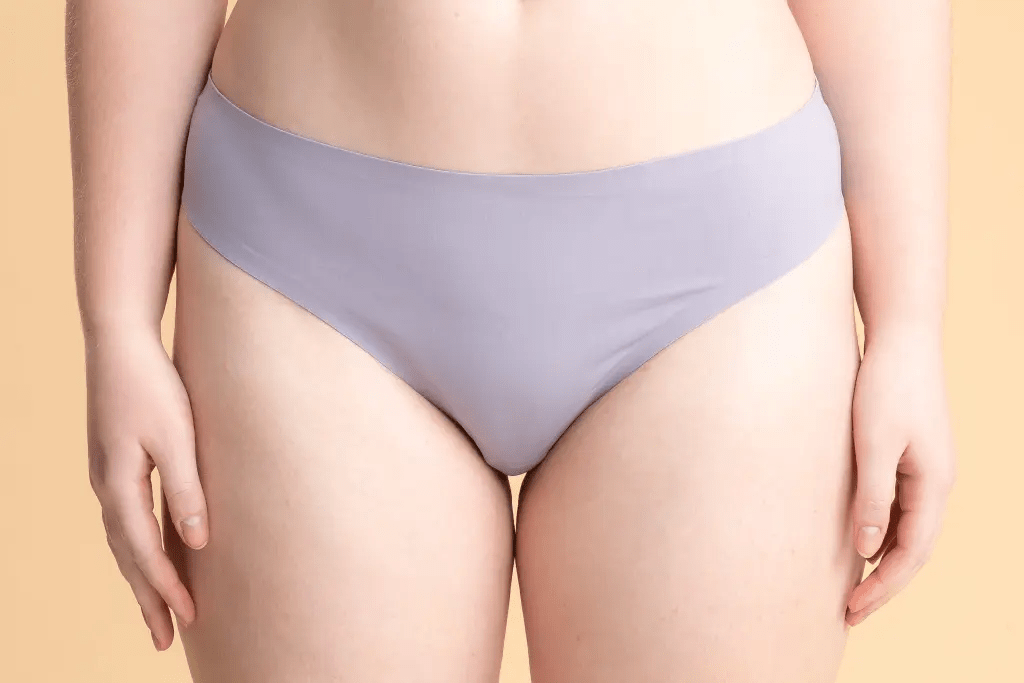
The genital area is naturally warm and can become moist, especially with activity. Sweat mixing with normal bacteria may create a stronger or musky vaginal odor. In addition, tight or synthetic clothing can trap heat and moisture, allowing odor to build up.
Common contributors include:
- Wearing non-breathable fabrics for long periods
- Intense exercise without changing out of sweaty clothes
- Not changing underwear daily
- Overwashing or using harsh, scented soaps that disrupt the natural balance
Small changes—like choosing breathable materials such as cotton—can help reduce everyday vaginal odor triggers.

Reason 4: Diet and Hormonal Shifts That Influence Vaginal Odor
If vaginal odor seems to appear and disappear without an obvious cause, it can feel especially frustrating. In some cases, diet and hormones may be influencing scent.
Foods with strong compounds—such as garlic, onions, and spicy ingredients—may temporarily affect body odor overall, including vaginal odor. Hormonal changes can also shift vaginal pH and bacterial balance. You may notice differences:
- During your period
- During pregnancy
- During perimenopause or menopause
Supporting overall wellness may help promote a more neutral scent over time. Many people find it helpful to stay hydrated and eat a balanced diet with fruits, vegetables, and probiotic-rich foods.
Gentle Habits That May Support Freshness and Reduce Vaginal Odor
Vaginal odor can be emotionally exhausting, but consistent, gentle care can help many women feel more comfortable.
Supportive habits include:
- Wearing breathable cotton underwear and changing it daily
- Cleansing with warm water (avoid scented washes and douching)
- Drinking plenty of water
- Eating probiotic-rich foods such as yogurt (if tolerated)
- Wiping front to back
- Changing out of wet or sweaty clothing promptly
These steps are not a replacement for medical care when something underlying is going on, but they can support a healthier environment and reduce common odor triggers.
When to Seek Professional Advice
If vaginal odor persists or comes with symptoms such as unusual discharge, itching, burning, pain, or swelling, it’s important to speak with a healthcare professional. A clinician can check for BV, yeast, STIs, or other causes and recommend the right treatment.
Final Thoughts
Unpleasant vaginal odor is a common concern and can result from bacterial imbalance, infection, sweat and clothing factors, or shifts in diet and hormones. While it may feel isolating, understanding the likely causes can help you respond calmly and compassionately.
With gentle habits—and professional support when needed—you can regain comfort and confidence.
Frequently Asked Questions
Is a mild vaginal odor normal?
Yes. A light, natural vaginal scent is normal and can vary between individuals and throughout the menstrual cycle. Strong, fishy, or sudden changes in vaginal odor may deserve attention.
How long does vaginal odor related to diet last?
Food-related scent changes are often temporary and may fade within 24–48 hours. If vaginal odor is consistent or worsening, consider other causes.
Can tight clothing really cause vaginal odor?
Yes. Tight or synthetic fabrics can trap heat and moisture, which may intensify natural bacteria and sweat—making vaginal odor stronger over time.