

Could Thyroid Imbalance Be Behind Your Low Energy and Stubborn Weight Changes?
If you often feel exhausted, sluggish, or frustrated by unexplained weight fluctuations, it may be more than everyday stress or a rough start to the week. In some cases, these symptoms can be linked to your thyroid. Although small, this gland plays a major role in metabolism, energy production, and overall balance throughout the body.
The encouraging part is that nutrition can help support thyroid health. Research suggests that certain nutrient-dense foods may provide meaningful support when included as part of a balanced diet. This is not about following a trendy eating plan. It is about using practical, evidence-based food choices to nourish your body well.
Even better, one simple kitchen ingredient that many people overlook may offer an especially useful nutritional boost. Keep reading for that reveal.
Thyroid Health Basics
Your thyroid produces hormones that influence nearly every cell in the body. When something feels off, it can be related to several factors, including nutrient deficiencies, chronic stress, and daily lifestyle habits.
If you are concerned about thyroid symptoms, medical guidance is essential. Still, building a strong nutritional foundation can be an important step in supporting overall wellness.
Research often highlights several nutrients that are especially important for thyroid function:
- Iodine
- Selenium
- Zinc
- Antioxidants
A varied, balanced diet is usually the best way to get these nutrients naturally without overdoing them.
Key Nutrients That Support Thyroid Function
Here are some of the most important nutrients associated with healthy thyroid activity:
- Iodine: Thyroid hormones cannot be produced without it. Good food sources include iodized salt, seafood, and dairy products.
- Selenium: Helps protect the thyroid from oxidative stress and supports hormone conversion. Brazil nuts are especially rich in selenium, while fish and eggs also contain it.
- Zinc: Plays a role in hormone production and overall thyroid support. You can find it in nuts, seeds, and legumes.
- Antioxidants and fiber: Fruits, vegetables, and other whole foods provide these compounds, which help the body manage oxidative stress and support general health.
A smart approach is to focus on real foods first rather than relying on large-dose supplements. In some cases, excessive supplementation can create more problems instead of helping.
Everyday Foods Worth Adding to Your Routine
Supporting your thyroid through food does not require complicated recipes or a complete pantry makeover. A few simple staples can go a long way.
Consider including these foods more often:
- Leafy greens and vegetables: Spinach and cooked broccoli provide a range of vitamins and minerals.
- Nuts and seeds: A small daily portion can contribute selenium and zinc. Brazil nuts are one of the best-known options.
- Legumes: Lentils and beans offer fiber, plant protein, and important micronutrients.
- Fruit: Berries are particularly rich in antioxidants and fit easily into snacks or meals.
Some traditional ingredients deserve even more attention because of their strong nutrient profile. Two humble examples stand out in particular.
Fenugreek Seeds for Everyday Nutritional Support
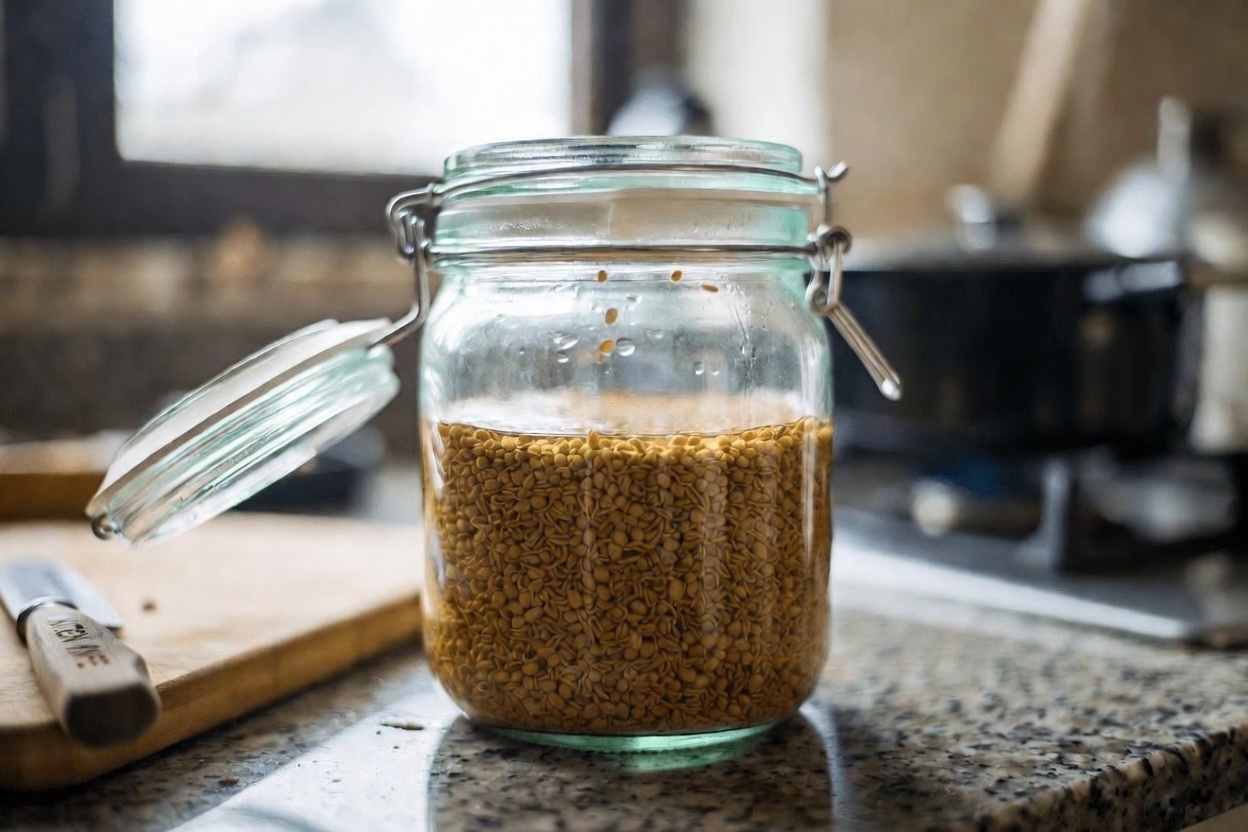
Fenugreek seeds, also known as methi, are a common pantry spice that many people underestimate. These small seeds contain fiber, protein, and a range of plant compounds that have long been valued in traditional diets for supporting general wellness.
Many people prefer to soak or sprout fenugreek seeds first, which may make them easier to consume. Although much of the discussion around fenugreek focuses on broader health benefits, including digestive support, it is still wise to begin with a small amount and see how your body responds.
Easy Ways to Use Fenugreek Seeds
- Soak 1 teaspoon overnight in water and drink the water in the morning.
- Grind the seeds and add them to curries, salads, or yogurt.
- Brew them into tea or use them as a seasoning in everyday cooking.
Fenugreek also adds a slightly bitter, nutty flavor that can bring extra depth to simple meals.
Why Mung Beans Deserve More Attention
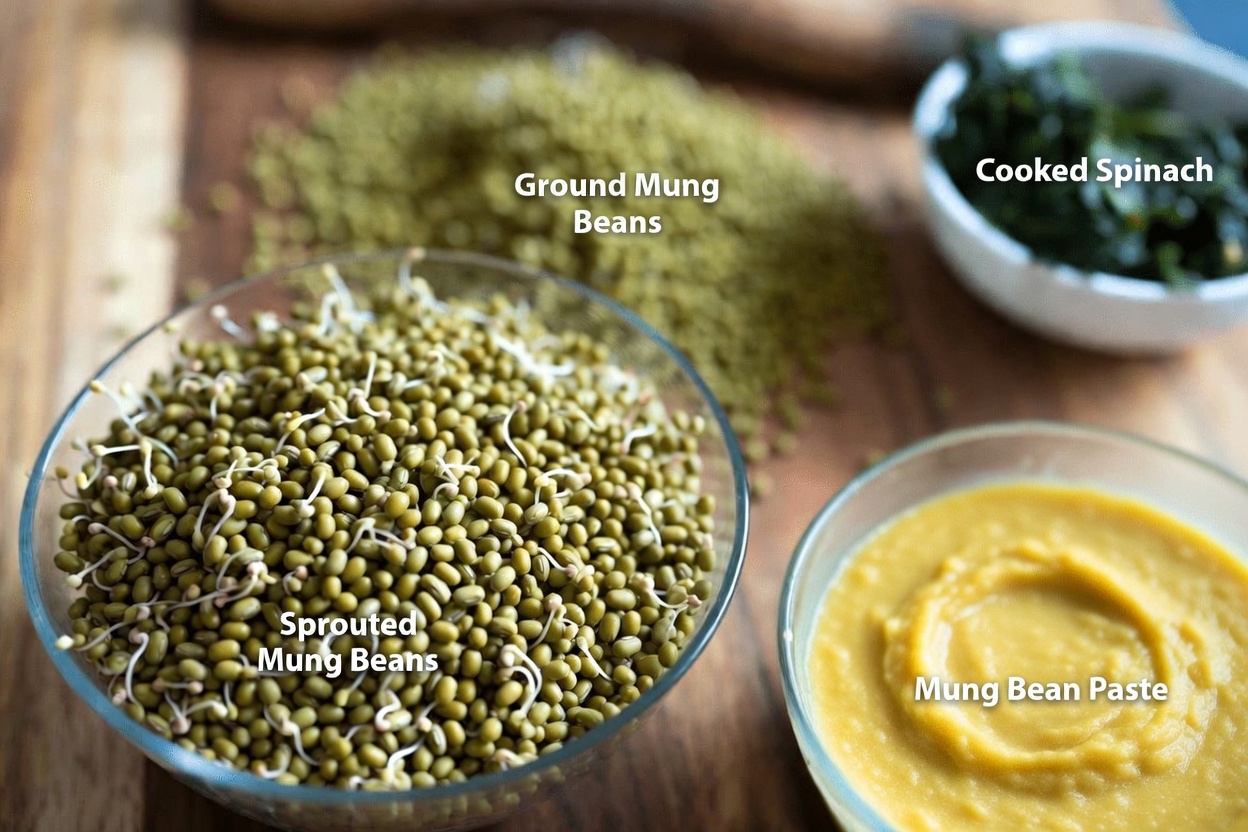
Mung beans, also called moong dal or green gram, are another underrated food. Unlike heavier legumes that some people find difficult to digest, mung beans are often considered gentle and light. They are rich in plant protein, B vitamins, iron, and fiber.
Because of this nutritional profile, mung beans are often included in discussions about foods that help support stable energy and digestive comfort. They are also highly versatile, making them easy to include in regular meals.
Simple Ways to Enjoy Mung Beans
- Cook them into a light dal or nourishing soup.
- Sprout them and add them to salads for crunch and freshness.
- Pair them with rice in a traditional khichdi.
Their nutrient density makes them a practical choice for anyone looking to build a more balanced diet.
The Overlooked Kitchen Staple That Makes a Difference
The pantry ingredient many people ignore is fenugreek seeds. They often sit unnoticed in the spice section, yet when soaked or lightly toasted, they can offer a unique nutritional advantage.
Fenugreek seeds pair especially well with mung beans. Together, these two simple ingredients create an easy and flavorful way to increase plant-based nutrition in your daily meals without needing anything elaborate.
A Simple Daily Routine to Try
If you want to turn this information into action, start with a routine that is realistic and easy to maintain.
- Begin the day with water: Drink a large glass of water in the morning, then choose a breakfast that includes fresh, nutrient-rich foods.
- Add fenugreek seeds: Soak 1 teaspoon overnight and use either the water or the seeds in the morning.
- Include legumes regularly: Aim to eat mung beans 3 to 4 times a week in soups, stews, or main meals.
- Build a balanced plate: Combine these foods with vegetables, lean protein sources, and healthy fats.
- Notice how you feel: Track your energy, mood, and general well-being over several weeks.
- Stay consistent: Small habits practiced regularly tend to be more effective than extreme short-term efforts.
This is not a quick fix. It is a gentle, supportive routine that helps nourish the body through smart food choices.
Lifestyle Habits That Matter Too
Nutrition works best when it is part of a broader healthy lifestyle. To support overall hormonal balance and well-being, these habits matter too:
- Prioritize sleep: Adequate rest is essential for healthy hormone regulation.
- Manage stress: Walking, yoga, meditation, or simple breathing exercises can help lower stress levels.
- Stay physically active: Moderate movement supports overall health and energy.
- Avoid extremes: More is not always better. Balance is important with every nutrient and food group.
When combined, these habits can help you feel stronger, steadier, and more energized over time.
Common Questions About Thyroid-Supportive Foods
1. Can food choices really affect how I feel each day?
Yes, many people feel better when they focus on a balanced, nutrient-rich diet. Improvements in energy and general well-being are possible, although results vary from person to person.
2. How much fenugreek or mung beans should I start with?
Begin modestly. About 1 teaspoon of fenugreek seeds or a reasonable serving of mung beans a few times per week is a practical starting point. Introduce new foods gradually.
3. Can these foods replace medical treatment for thyroid issues?
No. These foods may support overall health, but they are not a substitute for professional medical care, diagnosis, or treatment.
4. Is it better to get nutrients from food or supplements?
In most cases, getting nutrients from whole foods is the better starting point. Supplements may be helpful in certain situations, but high doses should not be taken without guidance.
Final Thoughts
If your energy feels low and your body seems out of balance, your thyroid may deserve attention. While medical advice should always come first when symptoms persist, everyday nutrition can still play a valuable supportive role.
A diet that includes iodine, selenium, zinc, antioxidants, vegetables, legumes, nuts, and seeds may help create a stronger foundation for thyroid wellness. And among the simplest additions, fenugreek seeds and mung beans stand out as two affordable, accessible, and nutrient-rich choices worth using more often.