Joint Stiffness in the Knees, Back, and Spine: A Gentle, Natural Option to Consider
As many adults get older, joint stiffness and discomfort can show up more often—especially in the knees, lower back, and spine. Movements that used to feel effortless, like getting out of bed, walking for long periods, or climbing stairs, may start to feel slow and uncomfortable. Over time, this can limit daily independence and make favorite activities less enjoyable.
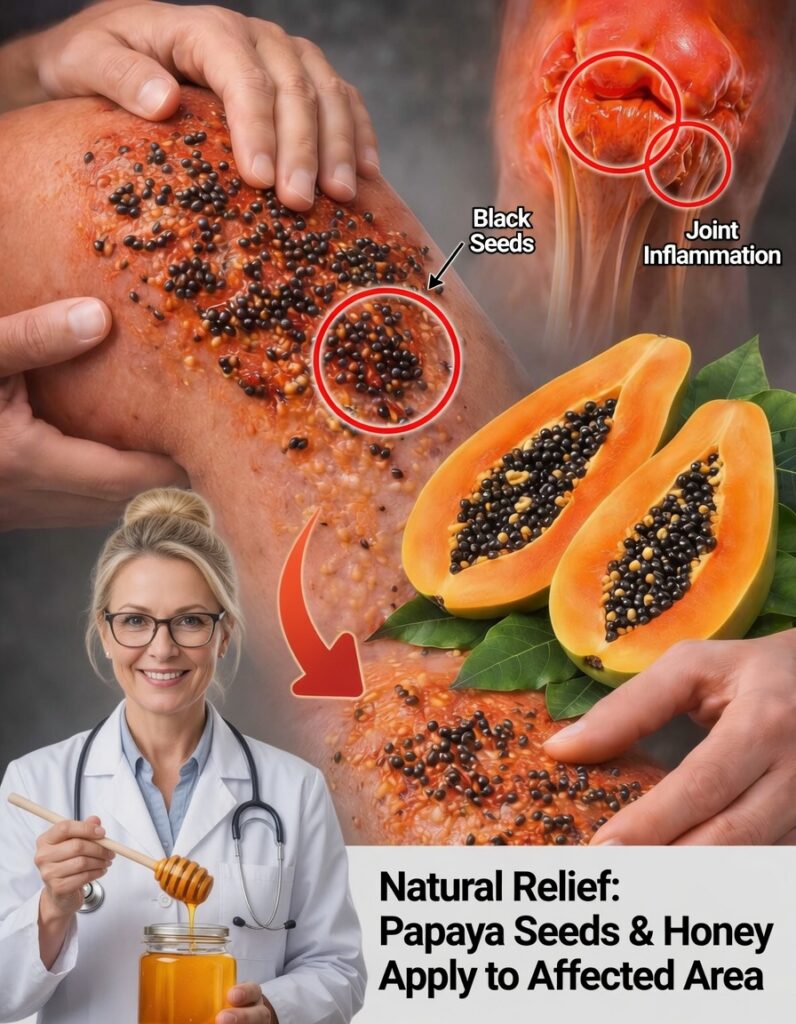
Alongside healthy lifestyle habits, some people explore traditional natural remedies for added support. One option often mentioned in folk wellness practices is papaya seeds—and they’re simple to prepare at home.
Why Joint Discomfort Often Increases With Age
Joint concerns tend to become more noticeable over time. Stiffness, reduced flexibility, or aching after activity can make everyday tasks—bending, standing, or walking—feel more demanding. For many, this leads to skipping outings, scaling back exercise, or avoiding hobbies they once loved.
Modern research often points to inflammation and oxidative stress as key factors involved in joint health. Papaya seeds have a long history of traditional use in different cultures, and they contain natural compounds (including the enzyme papain) that researchers have explored for their potential role in supporting the body’s normal inflammatory response.
If knee, back, or spine discomfort is affecting your routine, papaya seeds may be a gentle, food-based approach worth learning about.

Potential Anti-Inflammatory Support From Papaya Seeds
One of the best-known components of papaya is papain, a natural enzyme with proteolytic activity. Some early research, including animal studies, suggests papain may help influence inflammatory markers—making it of interest to people seeking a milder, natural strategy for joint comfort.
Many adults find morning stiffness in the knees or back particularly frustrating. Traditional use of papaya seeds often centers on their enzyme content, with the goal of making daily movement feel easier.
Papaya seeds also contain flavonoids, which are associated with antioxidant activity. Antioxidants are important because they may help protect tissues from oxidative stress—one of the processes linked to wear and discomfort over time.
How Liver and Digestive Support May Relate to Joint Comfort
The body’s systems are interconnected. A well-functioning liver supports normal detoxification processes, and some researchers believe this can indirectly influence overall inflammation levels in the body. Papaya seeds have been studied for potential liver-supportive properties, largely due to their antioxidant compounds.
In addition, digestive health matters: the gut plays a role in immune signaling and inflammation regulation. Some studies suggest papaya seeds may support digestion and gut balance, which could be relevant for people who feel widespread inflammation-related discomfort, including in the back or spine.
For those dealing with persistent knee or back aches, these supportive angles make papaya seeds an interesting traditional choice to explore.
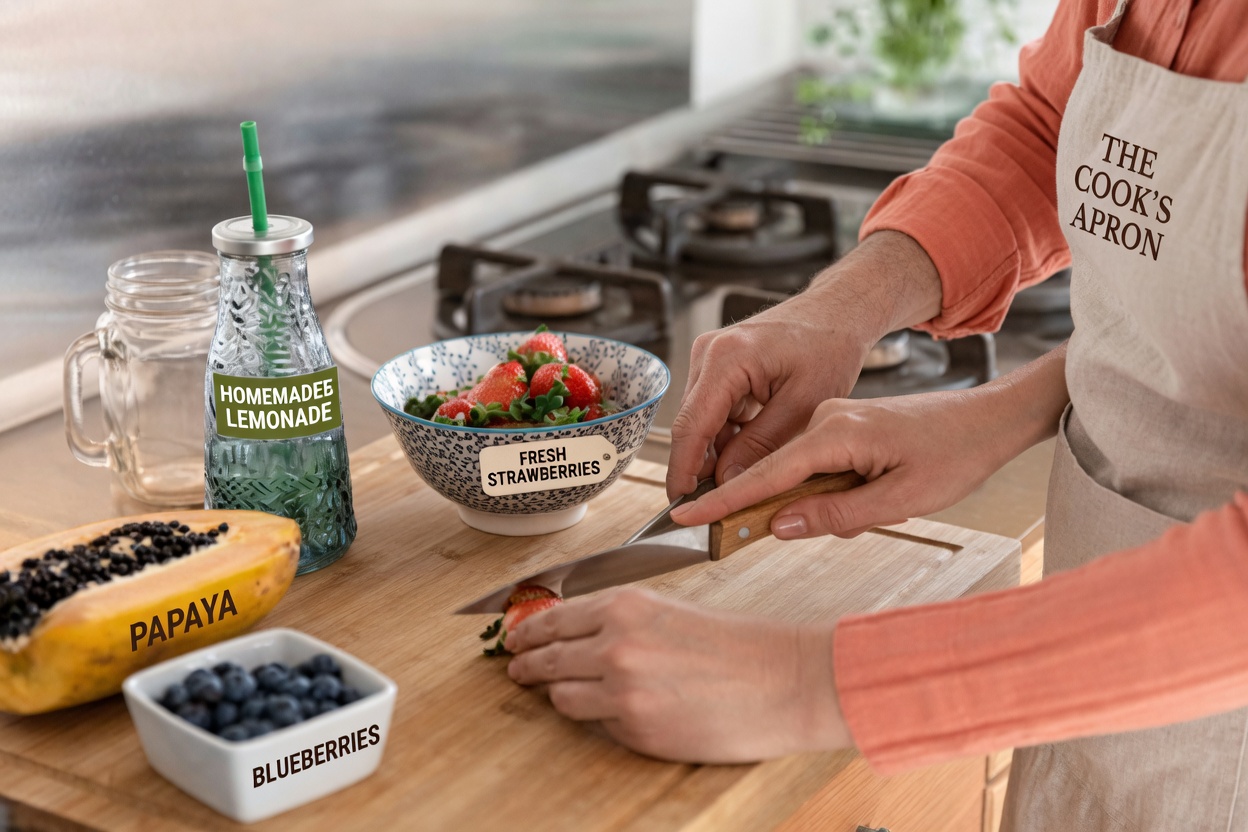
Traditional Antiparasitic Use and Antioxidant Benefits
In certain regions, papaya seeds are traditionally used for their antiparasitic properties. Some studies indicate they may be effective against specific intestinal parasites. While this use is not directly about joints, reducing hidden digestive stressors may help some people feel better overall—especially if inflammation is part of the bigger picture.
Papaya seeds also provide polyphenols and other antioxidants, which research links to lowering oxidative stress in the body. When discomfort in the knees, back, or spine becomes constant, a simple addition like papaya seeds may feel like a practical, accessible step.
Many people appreciate that papaya seeds combine several potential wellness benefits in one small ingredient.
Other Nutrients in Papaya Seeds That May Support Overall Wellness
Beyond papain and antioxidant compounds, papaya seeds contain additional components that may contribute to general health:
- Fiber to support digestion and gut health, which may influence whole-body inflammation
- Antioxidants to help counter free radicals that may contribute to tissue stress
- Minerals (including potassium) that support normal body function and daily vitality
Together, these qualities help explain why papaya seeds remain a popular home remedy for people looking for natural joint support, especially for the knees and back.

Real-World Experiences: What Some People Report
Many individuals share personal stories about adding papaya seeds to their routines. Some report that their knees feel less stiff after consistent use, making it easier to stay active. Others mention that back discomfort feels less distracting, allowing them to enjoy walks or household tasks again.
Results vary from person to person, but these experiences help explain why papaya seeds continue to be used as a traditional option for knee, back, and spine support.
How to Prepare Papaya Seeds and Use Them Safely
Getting started is simple:
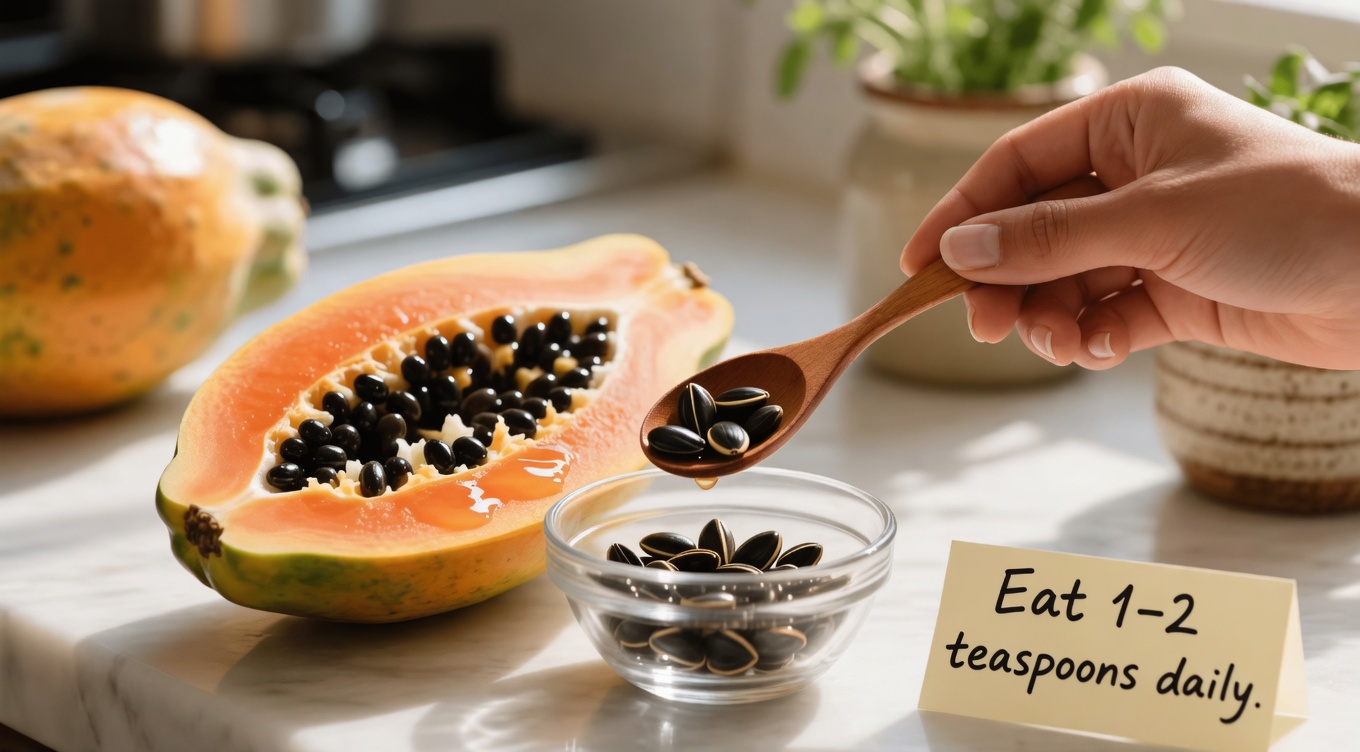
- Scoop the seeds from a ripe papaya
- Rinse them thoroughly
- Dry them (air-dry or use a low oven setting)
- Use them by either:
- chewing a small amount of fresh seeds, or
- grinding dried seeds into a powder
Suggested starting amount: begin with about 1 teaspoon per day, mixed into a smoothie or food to reduce bitterness. If you’re new to papaya seeds, start smaller to check tolerance.
Consistency is often considered important when using natural approaches for knee or back stiffness.
Typical Timeline: What People Often Focus On Over Time
| Weeks | Possible Focus | Suggested Habits |
|---|---|---|
| 1–2 | Adjustment phase, possible digestive changes | Start with a small daily amount |
| 3–6 | Some notice less morning stiffness | Add gentle daily movement |
| 6–12 | Improved day-to-day joint comfort | Keep the routine and track how you feel |
| Ongoing | Continued natural support | Pair with a balanced diet and hydration |
Individual responses differ, and patience tends to be essential with food-based remedies.
Natural Remedies vs. Conventional Options
| Approach | Gentleness | Evidence Base | Accessibility |
|---|---|---|---|
| Papaya Seeds (Natural) | High | Traditional use + emerging research | Very high |
| Over-the-Counter Aids | Moderate | Established | High |
| Prescription Options | Varies | Strong clinical evidence | Lower |
Papaya seeds stand out mainly for being simple, inexpensive, and easy to try as part of a broader wellness routine.
Easy Ways to Add Papaya Seeds to Your Routine
| Method | Potential Benefit | How to Try It |
|---|---|---|
| Chew fresh seeds | Direct exposure to enzymes | Start with 5–7 seeds daily |
| Use dried seed powder | Convenient in meals | Grind and sprinkle on yogurt or salads |
| Blend into smoothies | Helps mask bitterness | Combine with fruit for better flavor |
| Make a mild infusion | Gentle introduction | Steep dried seeds in hot water |
Choose the option that fits your lifestyle and keep servings modest.
Final Thoughts
Papaya seeds are a traditional, gentle ingredient that many people explore for natural joint comfort, especially when stiffness affects the knees, back, or spine. If daily movement has started to feel harder, this remedy may be worth trying alongside healthy habits like regular mobility work, balanced nutrition, and adequate rest.
Small, consistent steps can sometimes lead to meaningful changes over time.
Frequently Asked Questions
Are papaya seeds safe to use daily for joint comfort?
In moderate amounts, they are generally considered safe for many people, but it’s best to start small. If you have medical conditions, take medications, or are unsure, consult a healthcare professional.
How long does it take to notice benefits?
Some people report digestive changes earlier, while joint-related support may take several weeks of consistent use.
Can papaya seeds help specifically with knee or back discomfort?
Traditional use and early research suggest potential anti-inflammatory and antioxidant support, but results vary and evidence is still developing.
Medical Disclaimer
This article is for informational purposes only and does not replace professional medical advice. For personalized guidance on joint pain, stiffness, or mobility concerns, consult your healthcare provider.