Why Urinary Changes After 40 Matter
For many men over 40, urinary patterns start to shift—more frequent bathroom visits, a slower stream, or waking at night to urinate. These changes can interrupt sleep, affect confidence, and make everyday life feel less comfortable than it used to.
A gentle, food-first approach—such as adding herbal teas for prostate health to your routine—can be an easy way to build supportive daily habits. They’re not a replacement for medical evaluation, but they may complement a broader wellness plan.

Common Prostate Changes in Men Over 40 (BPH Basics)
As men age, the prostate often grows gradually. When this enlargement is non-cancerous, it’s called benign prostatic hyperplasia (BPH). Because the prostate sits around the urethra, an enlarged gland can contribute to urinary symptoms such as:
- Nighttime urination (nocturia)
- Hesitancy or difficulty starting
- Weaker flow
- A feeling of incomplete emptying
Research also points to inflammation and oxidative stress as possible contributors to prostate and urinary discomfort. This is one reason certain teas—especially those rich in antioxidants—are frequently discussed in prostate wellness conversations.
What to Understand Before Using Herbal Teas for Prostate Health
Herbal teas have long been used in traditional wellness systems, and modern research has explored their antioxidant and anti-inflammatory compounds. Still, evidence is uneven:
- Some teas show encouraging findings in laboratory research or small human studies.
- Others have mixed or limited results for BPH symptom relief.
- Consistency, product quality, and preparation method can influence what you get from a cup.
A simple but often-missed detail: brewing time and temperature matter. Over-steeping some teas can increase bitterness (reducing enjoyment and consistency), while under-steeping may extract fewer beneficial compounds.

1) Green Tea
Among the most talked-about options for herbal teas for prostate health, green tea is valued for its catechins—especially EGCG (epigallocatechin gallate)—which are widely studied for antioxidant activity.
How to brew
- Steep 1–2 teaspoons of loose-leaf green tea (or 1 tea bag) in hot water for 2–3 minutes.
- Many people enjoy 2–3 cups per day.
What research suggests
- Green tea compounds may support cellular health and help modulate inflammation.
- Findings related to BPH symptom improvement are mixed, though overall prostate wellness interest remains strong.
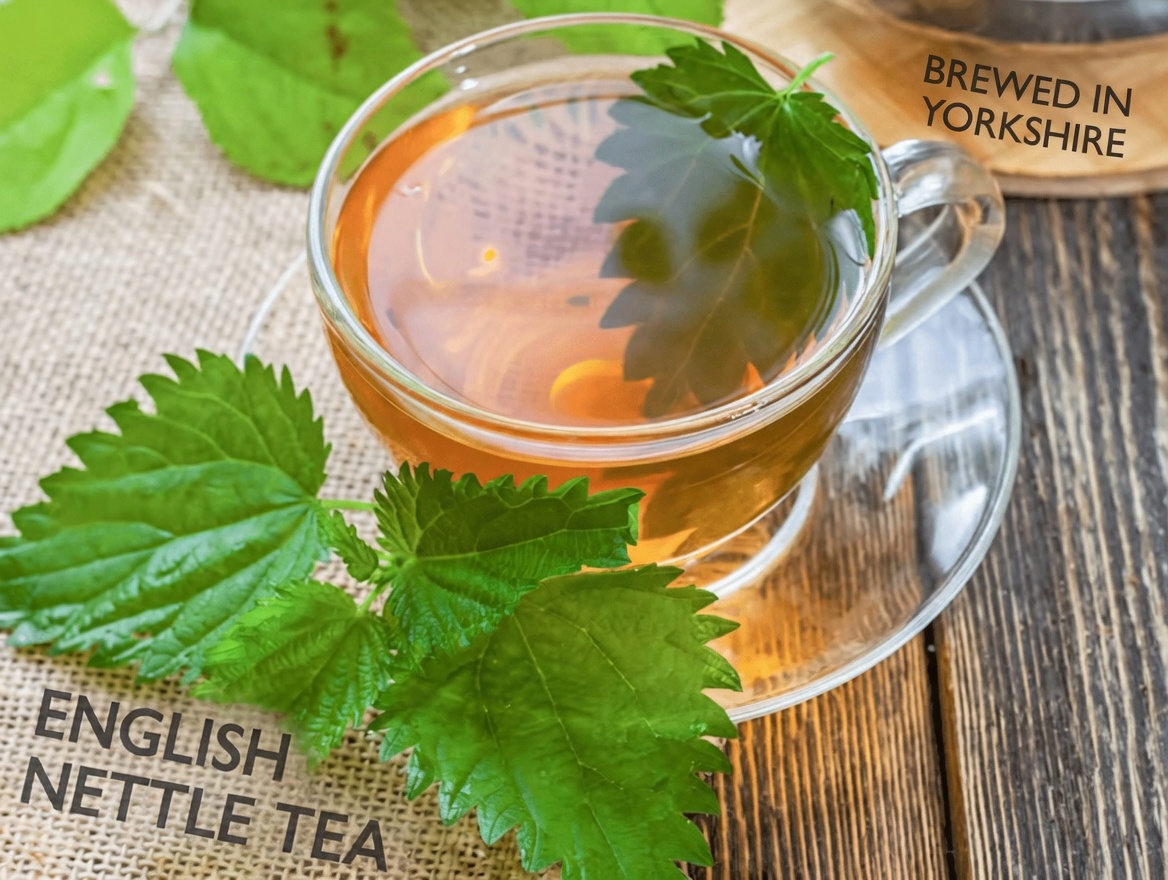
2) Stinging Nettle Tea (Root)
Stinging nettle root is a traditional favorite in prostate-support routines and appears frequently in discussions about urinary comfort.
How to brew
- Simmer 1 teaspoon of dried nettle root in water for about 10 minutes.
- Strain and drink 1–2 cups daily.
What research suggests
- Some studies involving men with BPH indicate nettle may support urinary flow and comfort, particularly in combination with other ingredients.
- Evidence ranges from limited to moderately supportive depending on the formulation.

3) Hibiscus Tea
Hibiscus offers a bright, tart flavor and is naturally caffeine-free, making it a popular choice for people who want variety while exploring herbal teas for prostate health.
How to brew
- Steep dried hibiscus flowers for 5–10 minutes.
- Drink it hot or iced.
What research suggests
- Hibiscus is rich in antioxidants and can support hydration and general wellness.
- Direct research on hibiscus specifically for prostate/BPH symptoms is still limited, though some people find it soothing for overall urinary comfort.
4) Pumpkin Seed Tea
Pumpkin seeds are known for nutrients often associated with men’s wellness, including zinc and phytosterols. Tea made from pumpkin seeds is less common, but it fits naturally into a prostate-support lifestyle approach.
How to brew
- Lightly toast pumpkin seeds, then steep or gently simmer them in water.
What research suggests
- Small studies on pumpkin seed preparations suggest potential help with BPH-related symptoms, though more research is needed.
- This option is often chosen for its mineral and plant-sterol profile.
5) Turmeric Tea
Turmeric is widely used for wellness because of curcumin, a compound studied for anti-inflammatory potential. Many people enjoy turmeric tea as a warming daily ritual.
How to brew
- Simmer turmeric powder or fresh turmeric root in water (or milk for a “golden milk” style drink).
- Add a pinch of black pepper to improve curcumin absorption.
What research suggests
- Lab research is promising for inflammation pathways, but human evidence specifically for prostate/BPH benefits is still emerging.
6) Saw Palmetto Tea
Saw palmetto is one of the most recognized natural ingredients in the prostate category and is often included in teas, tinctures, and capsules.
How to brew
- Use prepared tea bags or steep dried saw palmetto berries (if available in a suitable form).
What research suggests
- Saw palmetto is thought to affect hormone-related pathways.
- Large reviews show mixed outcomes versus placebo for BPH symptoms, yet it remains popular due to long-standing traditional use.

7) Combined Herbal Blend Tea (Multi-Herb Approach)
Some people prefer blends that combine several botanicals to create broader support. This “synergy” concept is common in traditional herbal practice.
How to brew
- Combine equal parts (for example) nettle + green tea + hibiscus, or choose a reputable pre-made prostate-support tea blend.
- Brew according to the most delicate ingredient (often green tea) to avoid over-extraction.
What research suggests
- Some studies favor combinations because they may address multiple mechanisms (oxidative stress, inflammation, urinary comfort), though results depend heavily on the exact formula.
Comparison: Herbal Teas for Prostate Health
| Tea | Key Compounds | Evidence Level for BPH/Prostate Support | Best For |
|---|---|---|---|
| Green Tea | Catechins (EGCG) | Moderate (more prevention/wellness focused) | Antioxidant support |
| Stinging Nettle (Root) | Anti-inflammatory constituents | Limited to moderate | Urinary flow and comfort |
| Hibiscus | Antioxidants | Emerging | Hydration and variety |
| Pumpkin Seed | Zinc, phytosterols | Some small studies | Nutrient support |
| Turmeric | Curcumin | Emerging | Inflammation balance |
| Saw Palmetto | Fatty acids and plant compounds | Mixed | Traditional BPH support |
| Combined Blends | Multiple ingredients | Varies by formula | Broader, multi-target approach |
Practical Tips to Add Teas Into Your Routine
- Start with 1–2 cups per day and note how your body responds.
- Choose high-quality, preferably organic teas when possible.
- Keep overall hydration strong—tea should support, not replace, water intake.
- Pair tea habits with movement, healthy weight management, and a balanced diet for more comprehensive support.
Final Thoughts
Herbal teas for prostate health can be a simple, enjoyable way to explore natural support—especially for men noticing urinary changes with age. While a few options have promising research, results vary, and they’re most effective when used alongside healthy lifestyle habits and regular medical check-ups. If symptoms are persistent or worsening, professional guidance is essential.
Frequently Asked Questions
1) How many cups of herbal tea should I drink daily for prostate health?
A common range is 1–3 cups per day, depending on the tea type, caffeine sensitivity, and personal tolerance.
2) Can herbal teas replace BPH medication?
No. Herbal teas for prostate health may complement lifestyle strategies, but they do not replace clinician-recommended evaluation or prescribed treatment.
3) Do these teas have side effects?
They can. Some may cause mild digestive upset, and certain herbs can interact with medications. If you take prescriptions or have ongoing conditions, consult a healthcare professional before making them a daily habit.