
Knee pain from worn cartilage can turn everyday actions—walking the dog, climbing stairs, or standing up from a chair—into stiff, aching challenges. Over time, that constant discomfort can take the fun out of the activities you love and make you feel cautious, limited, and frustrated.
The encouraging news: a consistent, nutrient-dense diet may help support knee cartilage health, calm inflammation, and improve overall joint comfort. Below are 12 evidence-informed foods to add to your routine—plus one standout nutrient that often makes a noticeable difference.

Why Knee Cartilage Health Matters More Than Most People Realize
Knee cartilage functions like a built-in shock absorber, cushioning the joint with every step. But aging, repeated stress, past injuries, and chronic inflammation can gradually wear it down. That’s why you may notice morning stiffness, swelling after a longer walk, or discomfort that makes gardening or playing with kids feel harder than it used to.
Evidence suggests that persistent low-grade inflammation contributes to cartilage breakdown. When inflammation stays active, it can reduce mobility, encourage inactivity, and create a cycle of worsening stiffness and reduced quality of life.
A smart nutrition approach won’t “fix everything overnight,” but studies indicate that anti-inflammatory foods can help protect existing cartilage and support healthier joint function over time.

1) Kefir: Probiotics That Support the Gut–Joint Inflammation Link
Your gut microbiome influences inflammation throughout the entire body—including the knees. Kefir, a probiotic-rich fermented drink, may help balance gut bacteria, and research connects healthier gut patterns with lower systemic inflammation, which is relevant to knee cartilage health.
Many people also report that adding kefir regularly helps reduce that “creaky” feeling when first getting up in the morning.
- How to use it: Start with 1 cup of plain kefir daily
- Easy idea: Drink it straight or blend it into a smoothie
2) Brown Rice: Nutrition That Supports Joint Hydration and Movement
Brown rice contains compounds associated with hyaluronic acid support, which helps keep joints lubricated and cartilage better hydrated. It also provides fiber and micronutrients that can help counter inflammatory patterns—especially when it replaces refined grains.
- Target: ½–1 cup cooked, 4–5 times per week
- Tip: Add a drizzle of olive oil and vegetables for a joint-friendly bowl
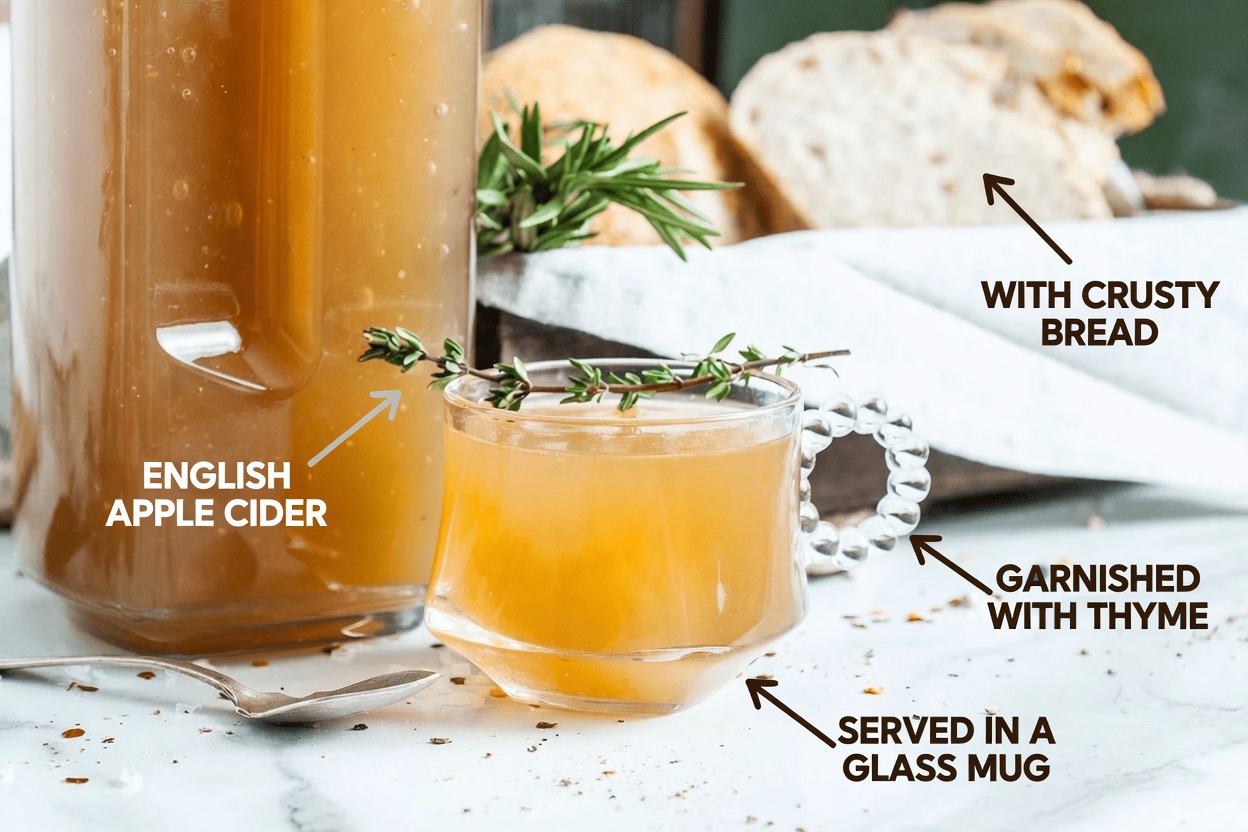
3) Bone Broth: Collagen Building Blocks for Cartilage Support
Slow-simmered bone broth provides collagen, plus nutrients commonly discussed in joint research such as glucosamine and chondroitin. These are often described as cartilage “building materials,” and consistent intake may support joint structure and comfort over time.
If you notice grinding or stiffness during bending and squatting, collagen-rich foods can be a helpful addition.
- How to use it: Sip 1 cup per day
- Quality note: Choose homemade or a reputable brand (often best from grass-fed sources)
4) Fatty Fish: Omega-3s That Help Calm Knee Inflammation
Wild salmon, sardines, and mackerel are rich in EPA and DHA omega-3 fatty acids, which have been shown in multiple studies to help reduce inflammatory markers. Lower inflammation can support joint comfort and may help slow cartilage stress.
- Serving guide: 3–4 ounces, 2–3 times weekly
- Simple prep: Bake or grill with herbs and lemon
5) Blueberries: Antioxidants That Defend Against Cartilage Stress
Blueberries are loaded with anthocyanins, antioxidants that help fight oxidative stress—one factor associated with cartilage wear. While much of the research includes animal and mechanistic data, berries are a practical, delicious way to boost protective nutrients.
- Daily habit: ½ cup fresh or frozen
- Easy add-on: Stir into yogurt or oatmeal, or eat plain

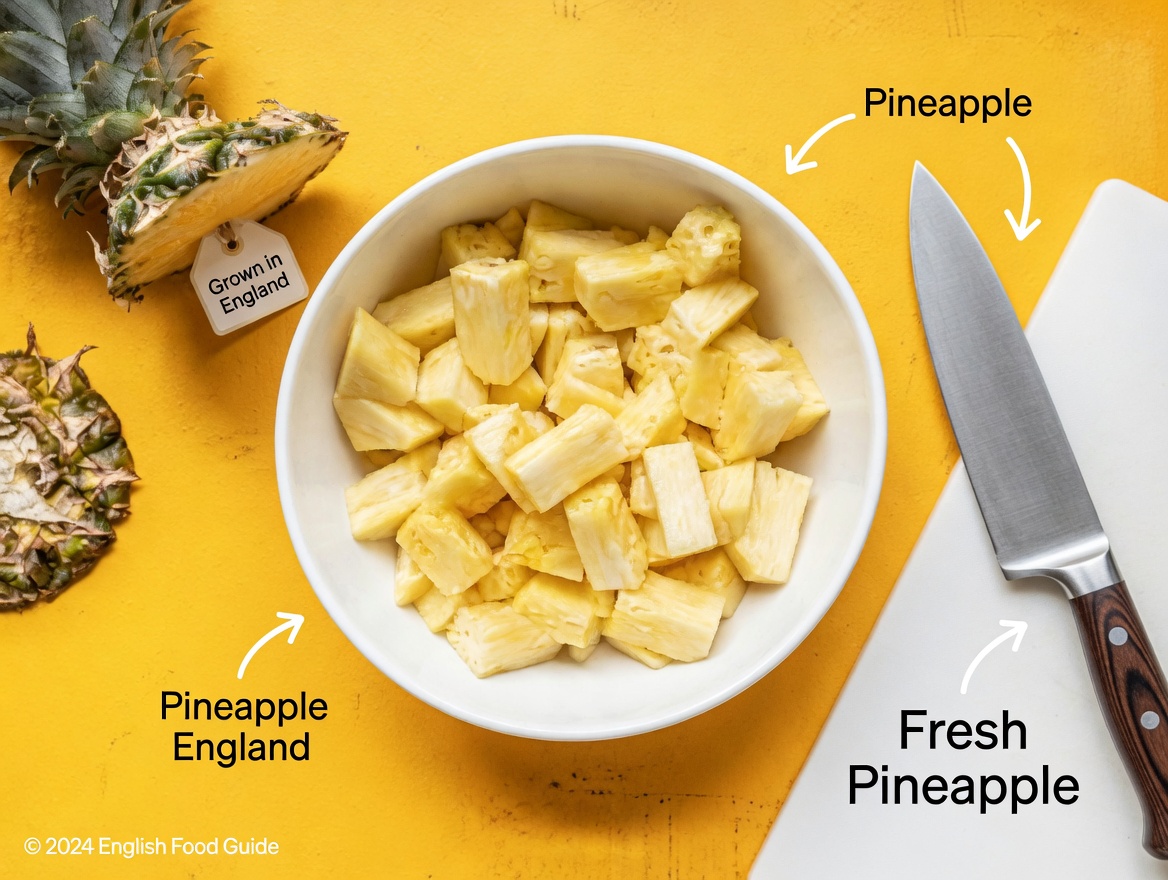
6) Pineapple: Bromelain for Swelling and Joint Discomfort
Fresh pineapple contains bromelain, an enzyme studied for its potential to help manage swelling and discomfort around joints. When stiffness makes movement feel slow and effortful, pineapple can be a useful anti-inflammatory fruit option.
- Best choice: 1 cup fresh pineapple daily
- Avoid: Canned varieties (often lower in active compounds and higher in added sugars)
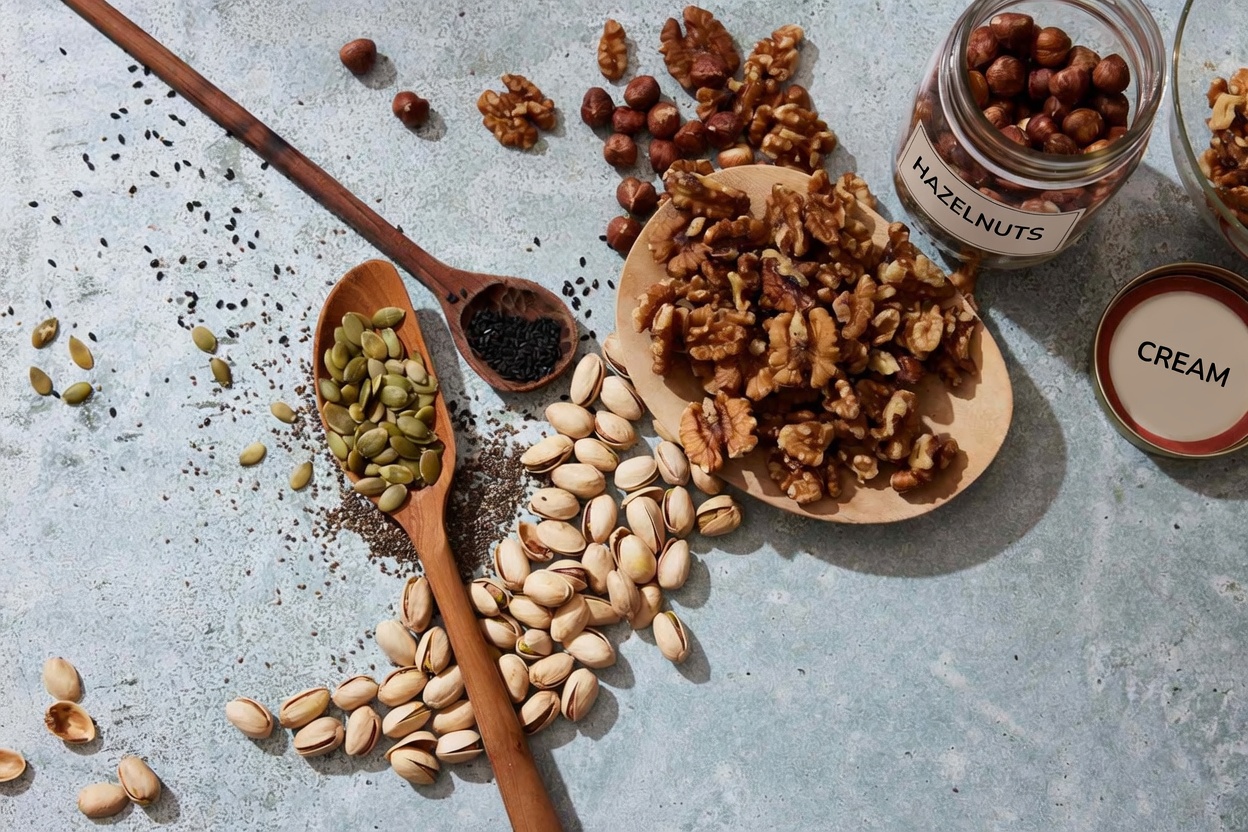
7) Nuts and Seeds: Minerals and Healthy Fats for Tissue Repair
Almonds, walnuts, flaxseed, chia, and pumpkin seeds provide magnesium, zinc, and beneficial fats—nutrients involved in tissue support and recovery. They’re also an easy way to improve nutrient density without major meal changes.
- Goal: One small handful daily
- Quick use: Snack, sprinkle on salads, or add to yogurt
8) Garlic, Eggs, and Asparagus: Sulfur-Rich Foods for Collagen Support
Sulfur-containing foods are often linked with collagen-related pathways in the body. Including these ingredients may help support the processes involved in cartilage and connective tissue maintenance.
- Practical tip: Use garlic in daily cooking; include eggs several times weekly; rotate asparagus when in season
9) Legumes: Plant Protein and Cartilage-Friendly Precursors
Lentils, chickpeas, black beans, and other legumes provide plant-based protein, fiber, and nutrients that support healthier inflammatory balance. They also contain components that can support the body’s production of joint-related compounds.
- Easy target: Add ½–1 cup cooked legumes most days
- Simple meal: Lentil soup, chickpea salad, or bean bowls
10) Avocado: Healthy Fats and Vitamin E for Joint Comfort
Avocados provide monounsaturated fats plus vitamin E, an antioxidant that supports cell protection. The healthy fat content also helps with absorption of fat-soluble nutrients from vegetables.
- How to use it: ¼–½ avocado daily in salads, wraps, or smoothies
11) Cruciferous Vegetables: Vitamin C for Collagen Synthesis
Broccoli, kale, Brussels sprouts, and cauliflower contain vitamin C, a key nutrient needed for collagen formation. They also offer plant compounds associated with inflammation management.
- Goal: Include cruciferous vegetables most days
- Tip: Roast with olive oil and spices for better flavor and consistency
12) Extra Virgin Olive Oil: A Daily Anti-Inflammatory Staple
Extra virgin olive oil contains polyphenols and fats linked with healthier inflammation markers. Used regularly, it can support a dietary pattern that’s friendlier to knee cartilage health.
- How to use it: 1–2 tablespoons daily on salads, vegetables, or grains
A Simple 8-Week Eating Plan for Knee Cartilage Health
-
Weeks 1–2: Foundation
- Focus foods: Kefir + brown rice
- Target: 1 cup kefir daily, ½ cup cooked brown rice daily
- Common benefit: Easier mornings and less stiffness
-
Weeks 3–4: Add joint-building support
- Add: Bone broth + fatty fish
- Target: 1 cup broth daily, fish 2–3 servings per week
- Common benefit: Lower day-to-day inflammation load
-
Weeks 5–8: Full variety for long-term support
- Add and rotate: Blueberries, pineapple, nuts/seeds, legumes, cruciferous vegetables, olive oil
- Target: Daily rotation
- Common benefit: Smoother movement and better overall comfort
Foods That May Work Against Knee Cartilage Health
Some foods can push inflammation higher and may worsen joint discomfort over time, especially when they dominate the diet:
- Highly processed snacks and fast foods
- Sugary drinks and frequent desserts
- Refined carbohydrates (white bread, pastries, many packaged cereals)
Some individuals also report sensitivity to nightshades (such as tomatoes and peppers). This isn’t universal—track your symptoms and respond to your own body.
The Standout Nutrient: Vitamin D for Knee Cartilage and Joint Support
Across many studies, adequate vitamin D is consistently associated with better bone strength and joint comfort. Low vitamin D levels are commonly seen in people with more severe knee problems.
- How to get vitamin D: Sensible sunlight exposure, fatty fish, and fortified foods
- Extra note: A simple blood test can confirm your status if you’re unsure
Start Small—and Stay Consistent
Choose just one change today: add a daily kefir, swap in brown rice, or plan a salmon dinner this week. For joint comfort, small steps repeated consistently often matter more than big short-term changes.
Frequently Asked Questions
Can food alone restore knee cartilage?
No single food can rebuild cartilage by itself. However, a nutrient-rich, anti-inflammatory diet may help protect the cartilage you have, support joint function, and improve comfort—especially alongside appropriate movement and medical guidance.
How long does it take to feel a difference?
Many people notice changes within 4–8 weeks with consistent habits, though results vary depending on lifestyle, severity, and overall health.
What if I can’t eat some of these foods due to allergies or restrictions?
Use the variety provided to substitute similar options, and consult a healthcare professional or registered dietitian for personalized alternatives.
Medical Disclaimer
This article is for informational purposes only and does not replace professional medical advice. Always speak with your healthcare provider before changing your diet, especially if you have existing health conditions or take medications.