

A Warming Herbal Tea for Better Mornings and More Comfortable Evenings
Waking up tired, heavy, or uninspired can make the whole day feel harder than it needs to be. In the same way, feeling overly full or bloated after dinner can interfere with your ability to relax at night. These everyday ups and downs in energy and digestion are common, but a simple kitchen ritual may help make those moments feel more manageable.
One comforting option is a homemade herbal tea made with ingredients many people already keep at home. This is not a typical tea blend. A mix of ginger, onion, garlic, turmeric, cinnamon, and guava leaf has attracted growing interest online and in traditional wellness circles as a flavorful drink for both early mornings and after-dinner routines. If you are curious, the easy recipe and practical tips below will show you exactly how to make it.
Why This Tea Works Well in Morning and Evening Routines
A warm cup in the morning can become a calm and grounding way to begin the day. In the evening, especially after dinner, the same tea can serve as a soothing pause that helps you settle in and feel more at ease.
What makes this blend especially appealing is its roots in long-used traditional ingredients from different cultures. The result is a fragrant, warming infusion that suits modern schedules while still feeling homemade and intentional.
More than anything, this tea is about creating a small mindful habit. Whether you want a gentler start to the morning or a cozy drink after meals, this recipe offers a simple and practical choice.
The Main Ingredients in This Trending Herbal Tea
Each ingredient brings its own character to the blend, both in flavor and in traditional use.
- Ginger: This bold, spicy root is widely appreciated for its warming nature. In tea, it adds brightness and a lively, zesty taste that many people associate with digestive comfort.
- Turmeric: With its rich golden color and earthy profile, turmeric has long been part of wellness traditions. It contains curcumin, a natural compound often studied for its antioxidant potential.
- Onion: Onion may sound unusual in tea, but when simmered, red or purple onion can contribute a mild sweetness. It also contains antioxidants such as quercetin.
- Garlic: Only a small amount is needed. Once crushed and heated, garlic releases aromatic compounds that deepen the tea’s savory character.
- Cinnamon: This familiar spice adds warmth, sweetness, and a comforting aroma. It also helps soften the stronger notes of onion and garlic.
- Guava Leaf: Commonly used in traditional herbal infusions, guava leaves add a gentle bitterness that helps balance the overall flavor.
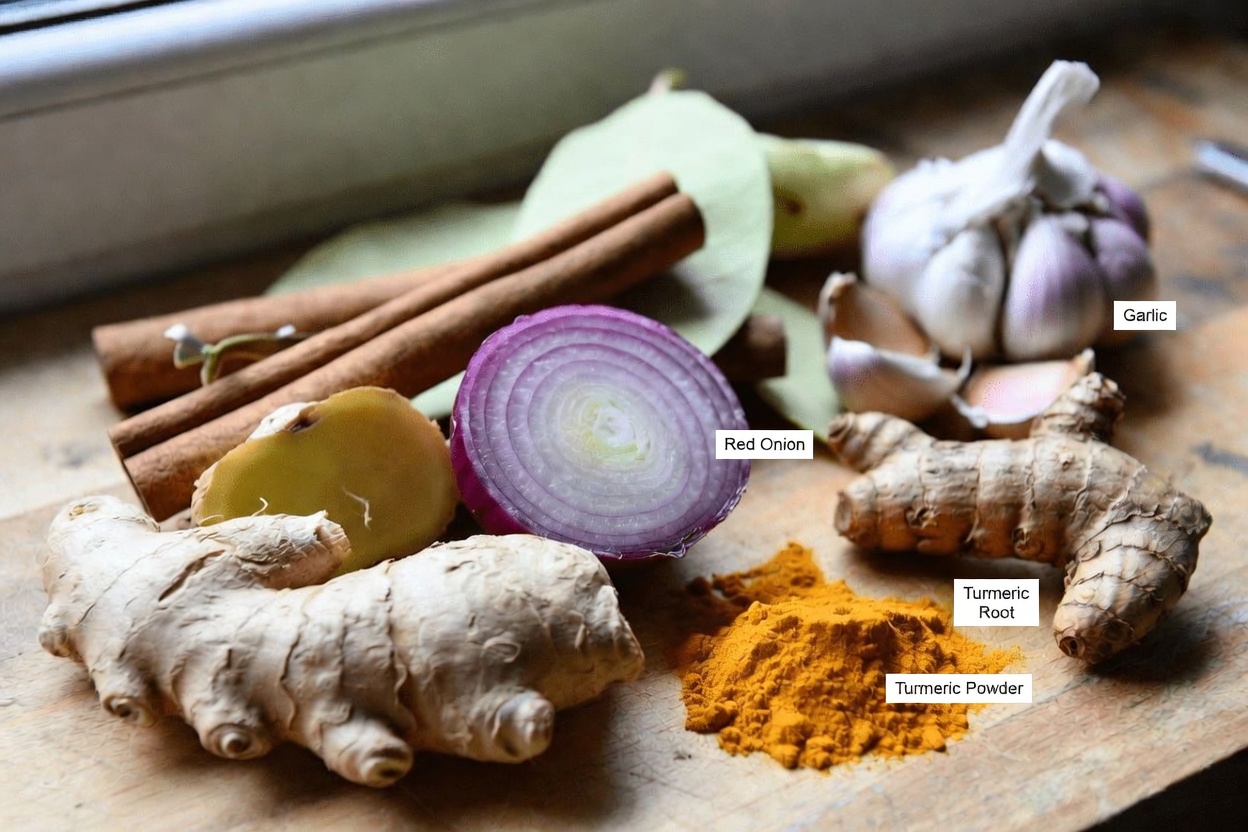
When combined, these ingredients create a tea that is savory, spiced, and aromatic. For some people, the flavor may seem unusual at first, but many come to find it deeply comforting.
What Makes This Herbal Blend Stand Out
The real appeal of this tea is the way the ingredients complement one another. Ginger and garlic bring heat and depth, turmeric adds earthiness, cinnamon offers warmth and sweetness, and the onion and guava leaf help round out the blend.
Many people enjoy not only the taste but also the ritual of preparing something natural at home. Studies on individual ingredients suggest they contain a range of bioactive compounds, though individual experiences can differ. It is best viewed as one part of a balanced lifestyle rather than a quick fix.
Full Recipe: How to Make This Morning and After-Dinner Tea at Home
This tea is easy to prepare and does not require any special tools.
Ingredients
For about 4 cups, you will need:
- 4 cups water
- 1 medium onion, preferably red or purple, sliced
- 1-inch piece fresh ginger, sliced
- 2 garlic cloves, crushed
- 1 teaspoon turmeric powder or 1-inch fresh turmeric root, sliced
- 1 cinnamon stick
- 3 to 4 fresh guava leaves, or dried leaves if fresh are unavailable
Step-by-Step Instructions
- Pour the water into a medium saucepan and bring it to a boil.
- Add the onion, ginger, crushed garlic, turmeric, cinnamon stick, and guava leaves.
- Lower the heat and let everything simmer gently for 10 to 15 minutes so the flavors can fully infuse.
- Remove the pot from the heat.
- Strain the tea into a mug or into a pitcher if you want to make it ahead of time.
- If desired, add a teaspoon of honey or a squeeze of fresh lemon for a lighter, brighter finish.
A helpful tip: this tea is best enjoyed warm, since the aroma is a big part of the experience.
If you want to prepare more in advance, make a larger batch and store the strained tea in the refrigerator for up to 24 hours. Reheat gently before drinking.
Easy Ways to Make This Tea a Daily Habit
If you want this herbal tea to become part of your regular routine, these simple ideas can help.
- Best timing: Drink one cup in the morning, either on an empty stomach or about 30 minutes after breakfast. In the evening, try it around 20 to 30 minutes after dinner.
- Adjust the flavor: If the onion or garlic taste feels too strong at first, use a smaller amount and gradually increase it. Lemon or a pinch of black pepper can also change the flavor in a pleasant way.
- Fresh or dried options: Fresh ingredients usually give the best flavor, but dried guava leaves, powdered ginger, or a very small amount of garlic powder can work when needed.
- Storage tips: Keep fresh ginger and turmeric in the refrigerator to help them stay usable longer.
- Serving ideas: Pair the tea with a light breakfast, or enjoy it on its own as a calming evening drink.

Consistency matters with any new habit. Many people say they feel more connected to their daily rhythm when they regularly include warm herbal drinks like this in their routine.
Traditional Use and Growing Interest in These Ingredients
These herbs and spices have been valued for many years in traditional practices and continue to attract attention today. Ginger and turmeric are often discussed in relation to everyday wellness. Onion and garlic are known for their sulfur-containing compounds and antioxidant content. Cinnamon remains one of the most beloved spices worldwide for both flavor and historical use. Guava leaves also appear in many traditional tea preparations across different regions.
Although no tea can replace healthy eating or overall self-care, this blend offers an easy and enjoyable way to explore natural ingredients in a homemade drink. As always, moderation is important, and it is wise to pay attention to how your body responds.
Common Questions About This Herbal Tea
Can I drink this tea every day?
Many people choose to enjoy it daily. A good starting point is one or two cups per day to see how it feels for you. If you have any medical concerns or existing conditions, it is sensible to consult a healthcare professional.
What if I cannot find all the fresh ingredients?
You can still make a version of the tea using substitutes. Ground spices can replace fresh roots, although the taste may be a little different. Dried guava leaf tea is sometimes available in specialty shops or online.
Does it taste very strong?
The flavor can be bold because of the onion and garlic, but simmering softens those sharper notes. Honey or lemon can make it easier to enjoy. It is best to think of this as a savory, spicy herbal infusion rather than a sweet or delicate tea.
Final Thoughts
Adding this herbal tea to your morning and after-dinner routine can be a simple yet comforting habit. It is easy to prepare, uses familiar ingredients, and offers a warm way to explore natural flavors at home.
Try making a batch this week and see how it fits into your day.