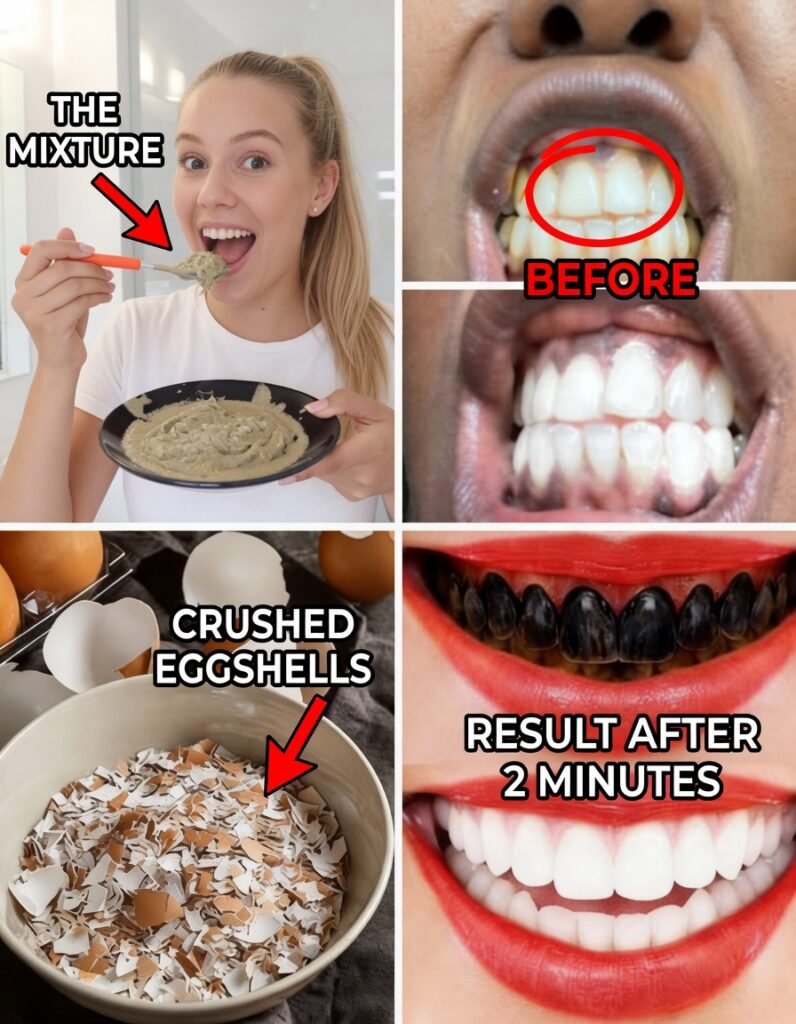
A Duller Smile, Stubborn Stains, and Why It Affects Confidence
Living with yellow or stained teeth can feel like an everyday challenge—especially if coffee, tea, or red wine is part of your routine. Over time, those pigments quietly build up and can leave your smile looking less bright than you remember. That shift often shows up in real life: you might hold back in group photos, hesitate in close conversations, or simply feel less confident when you see your reflection.
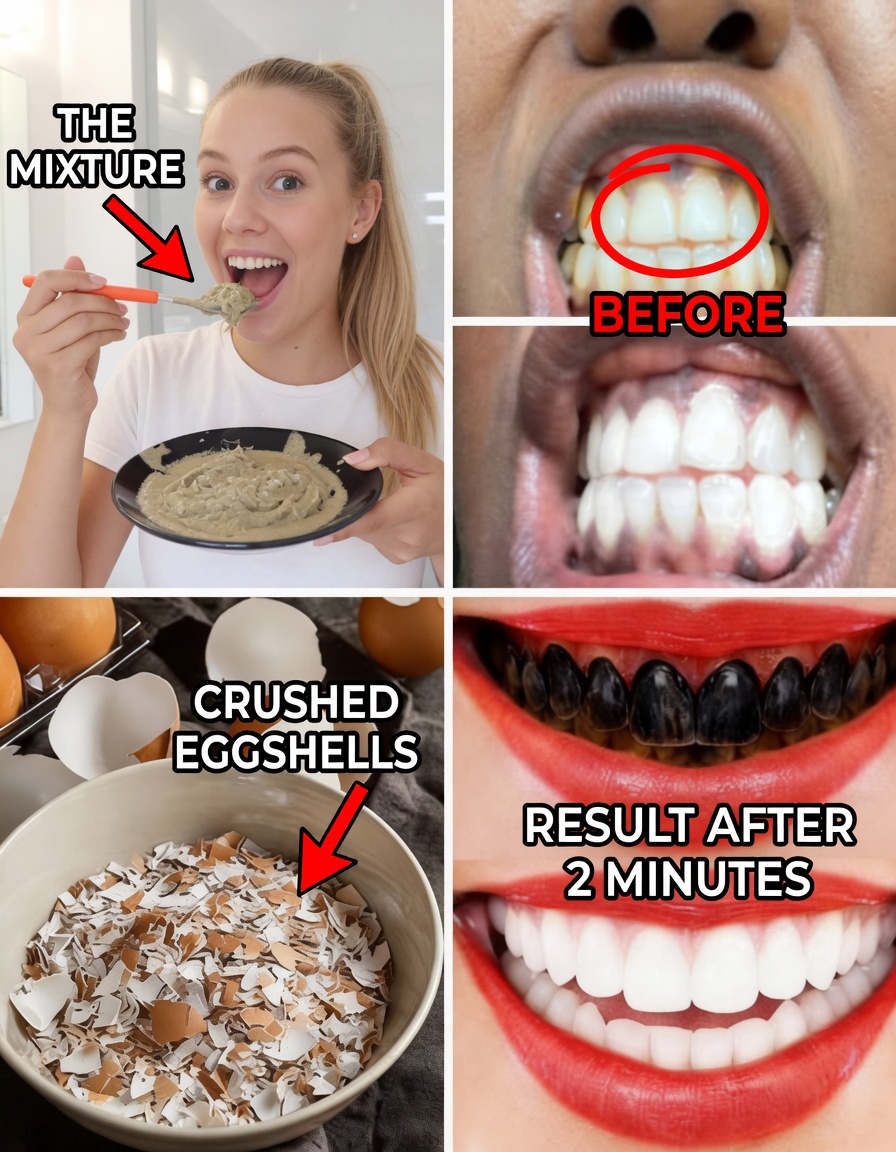
Lately, a viral “kitchen paste” has been circulating online: a DIY blend of crushed eggshells and used coffee grounds—often described as an egg and coffee teeth whitening remedy. Supporters claim it can gently polish surface stains. In this guide, you’ll learn how people make it, what the ingredients may (and may not) do, and how to use it more safely if you decide to try it.
Why Teeth Turn Yellow So Easily (and Why It Feels Like a Bigger Deal Than It “Should”)
Tooth yellowing often comes from daily habits rather than poor hygiene: dark drinks, certain foods, and gradual enamel wear can make stains more visible. Many adults notice these changes and report that it affects how they feel in social situations, photos, and even professional settings.
Because of that, it’s not surprising that “natural teeth whitening” trends—like the egg and coffee teeth whitening paste—gain attention. People are often looking for an option that feels gentler than strong chemical whiteners, especially when the issue is mainly surface discoloration rather than deep internal staining.
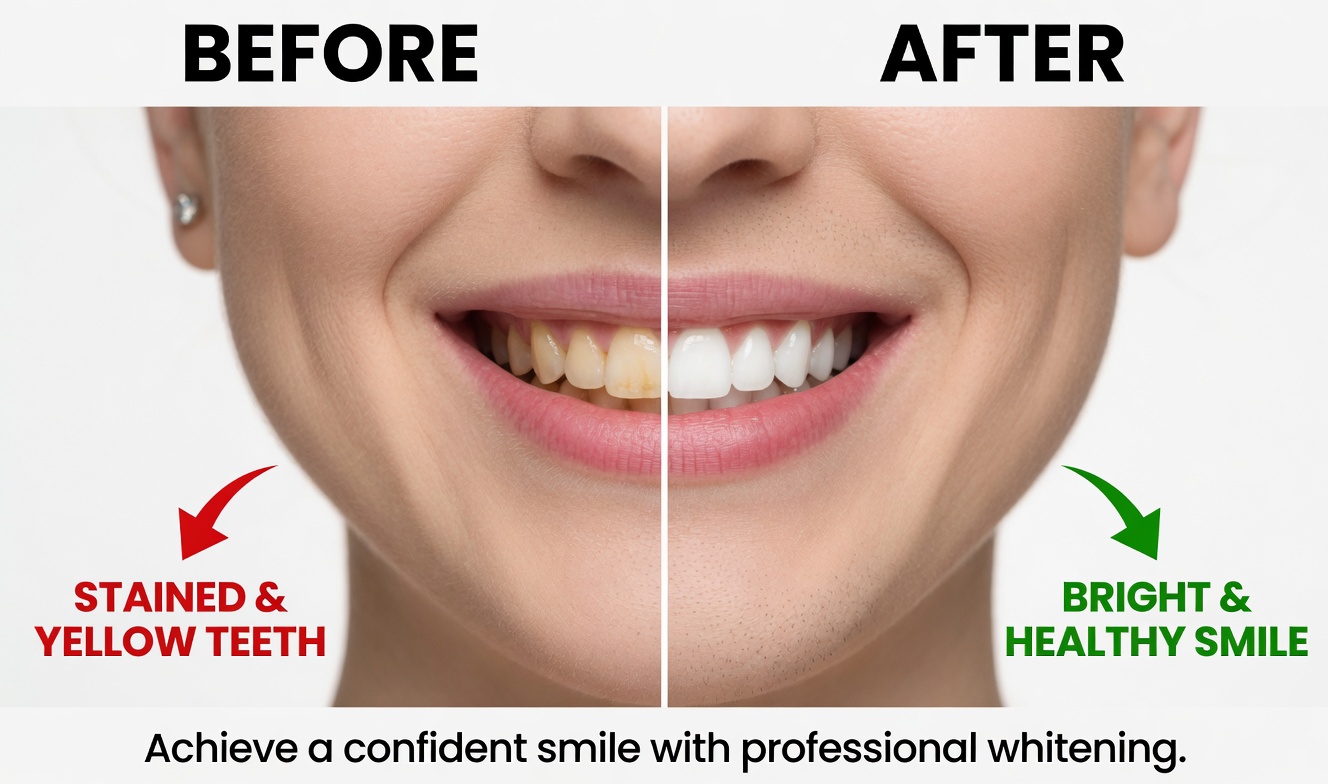
How the Viral Egg and Coffee Teeth Whitening Paste Is Supposed to Work
The appeal of this DIY method comes from combining ingredients people associate with polishing, minerals, and freshness:
- Eggshell powder is largely calcium carbonate. Some research discussions around calcium-based materials relate to remineralization concepts, although a DIY paste is not the same as a clinically formulated product.
- Used coffee grounds add fine texture. In theory, mild abrasives can help lift surface stains when used carefully.
- Baking soda is a well-known mild abrasive used in some oral-care contexts for polishing.
- Salt is commonly linked to basic oral cleanliness, while ginger is often discussed for its soothing, anti-inflammatory properties.
- Banana peel is promoted online for its mineral content (such as potassium and magnesium), though evidence for whitening effects is limited.
- Fluoride toothpaste acts as the practical base, providing everyday protection.
The key idea is not “bleaching.” Instead, this approach aims for gentle surface polishing and a cleaner feel—if used sparingly and with a soft technique.
Key Ingredients at a Glance
- Crushed eggshells: calcium-rich powder often associated with enamel-support discussions
- Coffee grounds: mild grit intended to help with surface discoloration
- Baking soda: gentle polishing ingredient commonly referenced in oral care
- Salt + ginger: frequently used in home remedies to support a fresher mouth environment
- Banana peel (inner scraping): adds minerals often mentioned in DIY tooth-care trends
- Toothpaste base (fluoride): supports routine protection while using the mixture
What People Report After Trying Egg and Coffee Teeth Whitening
Personal stories are a major reason this remedy keeps circulating. Some users say their teeth feel smoother immediately, as if surface buildup has been buffed away. Others mention a subtle improvement in brightness after a couple of weeks—often without sensitivity, especially when they limit use and brush gently.
These experiences are consistent with a simple reality: light abrasives can reduce surface stains, but outcomes vary based on starting tooth color, enamel condition, diet, and consistency. It’s also important to remember that anecdotes are not clinical proof—what works for one person may do nothing for another.
12 Reasons This Egg and Coffee Teeth Whitening Mix Keeps Trending
Core Benefits People Hope For
- Surface stain polishing: baking soda + fine coffee texture may help buff everyday stains
- Mineral-focused angle: eggshell calcium is often linked to enamel-support conversations
- Cleaner-feeling mouth: salt and ginger are used by many for freshness and comfort
- Texture control: when ground very fine, the paste is intended to be less harsh
Why It’s Easy to Stick With
- Stain-targeting approach: focuses on buildup rather than “instant bleaching” promises
- Breath support: ginger plus toothpaste flavor can improve overall mouth feel
- Mineral “boost” appeal: banana peel minerals are a popular DIY talking point
- Low cost: everything typically comes from the kitchen
Lifestyle and Routine Advantages
- Confidence effect: even slight brightening can make smiling feel easier
- Milder than some whitening agents: especially for people sensitive to strips
- Simple schedule: usually used just 1–2 times per week
- Wellness mindset: encourages more awareness of daily oral habits
One detail that matters more than most people realize: gentle brushing technique is essential. Over-scrubbing can do more harm than good.
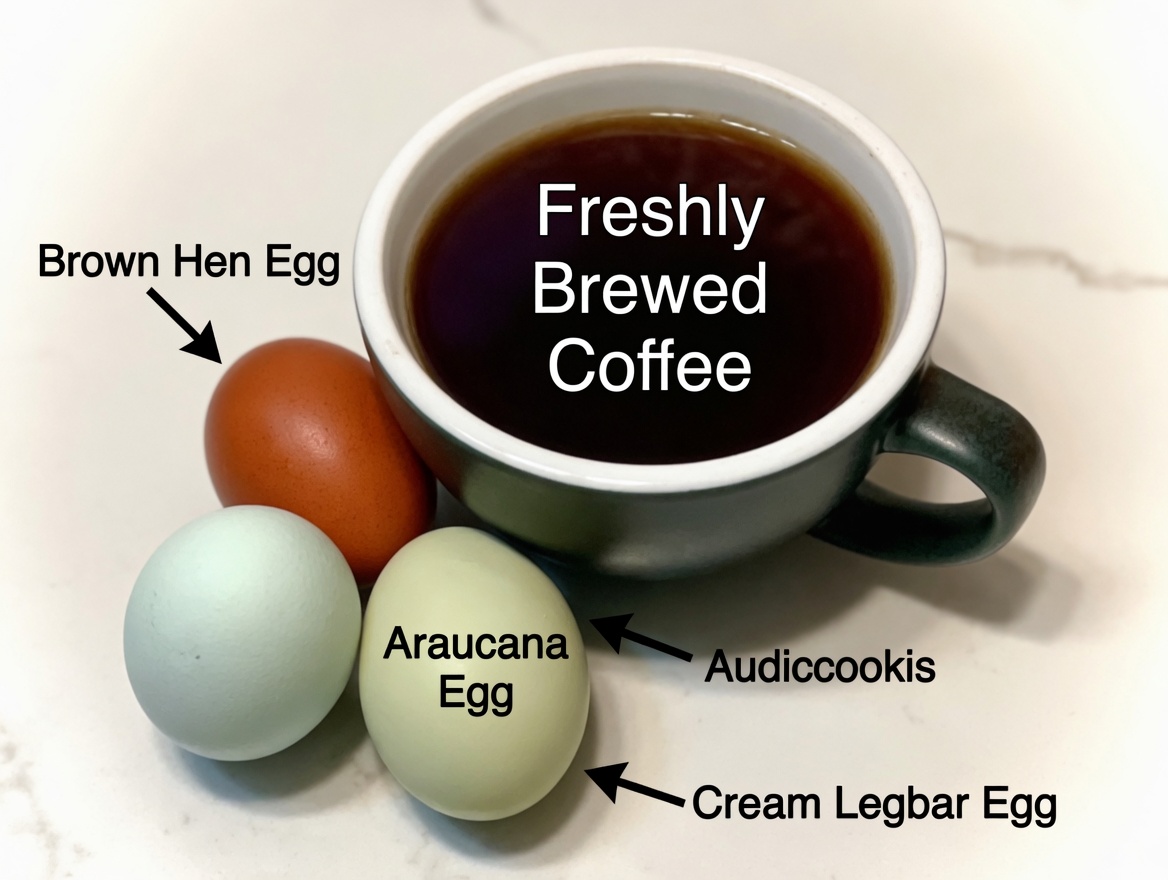
Step-by-Step: How to Make the Egg and Coffee Teeth Whitening Paste
This DIY egg and coffee teeth whitening remedy takes about 10 minutes and can be made with common household ingredients.
What You’ll Need (About 4 Uses)
- ½ teaspoon salt
- ½ teaspoon baking soda
- ½ teaspoon used coffee grounds
- 1 teaspoon fresh ginger (grated)
- 1 clean eggshell, dried and ground very fine
- 1 tablespoon fluoride toothpaste
- 1 tablespoon inner banana peel scraping
- 1 teaspoon water (optional, for consistency)
Instructions
- Boil the egg first, peel it, then rinse the shell. Let the shell dry completely.
- Crush the shell into a very fine powder using a mortar or blender. (Coarse pieces can scratch.)
- In a small bowl, mix all ingredients until you get a thick, spreadable paste. Add a few drops of water only if needed.
- Using a soft-bristled toothbrush, apply a small amount and brush gently for 1–2 minutes, focusing on the front surfaces.
- Rinse thoroughly with water. If you want, finish with your normal toothpaste routine.
Storage
- Keep leftovers in a sealed container in the refrigerator for up to 1 week.
For balance, most people who try this method keep it to twice per week at most.
Egg and Coffee Teeth Whitening vs. Other Whitening Options
Here’s a simple comparison of how this DIY paste is commonly viewed next to other choices:
-
Egg & coffee paste
- Speed: noticeable surface polish after a few uses (varies)
- Enamel impact: usually considered gentler when limited and finely ground
- Cost: very low
- Convenience: easy at home
-
Whitening strips
- Speed: faster visible change for many people
- Enamel/gums: can cause temporary sensitivity or irritation
- Cost: moderate
- Convenience: simple, but can be awkward or slippery
-
Baking soda alone
- Speed: gradual
- Enamel impact: can be too abrasive if overused
- Cost: low
- Convenience: extremely simple
-
Professional cleaning
- Speed: immediate and thorough stain removal
- Safety: safest when done under expert care
- Cost: higher
- Convenience: requires an appointment
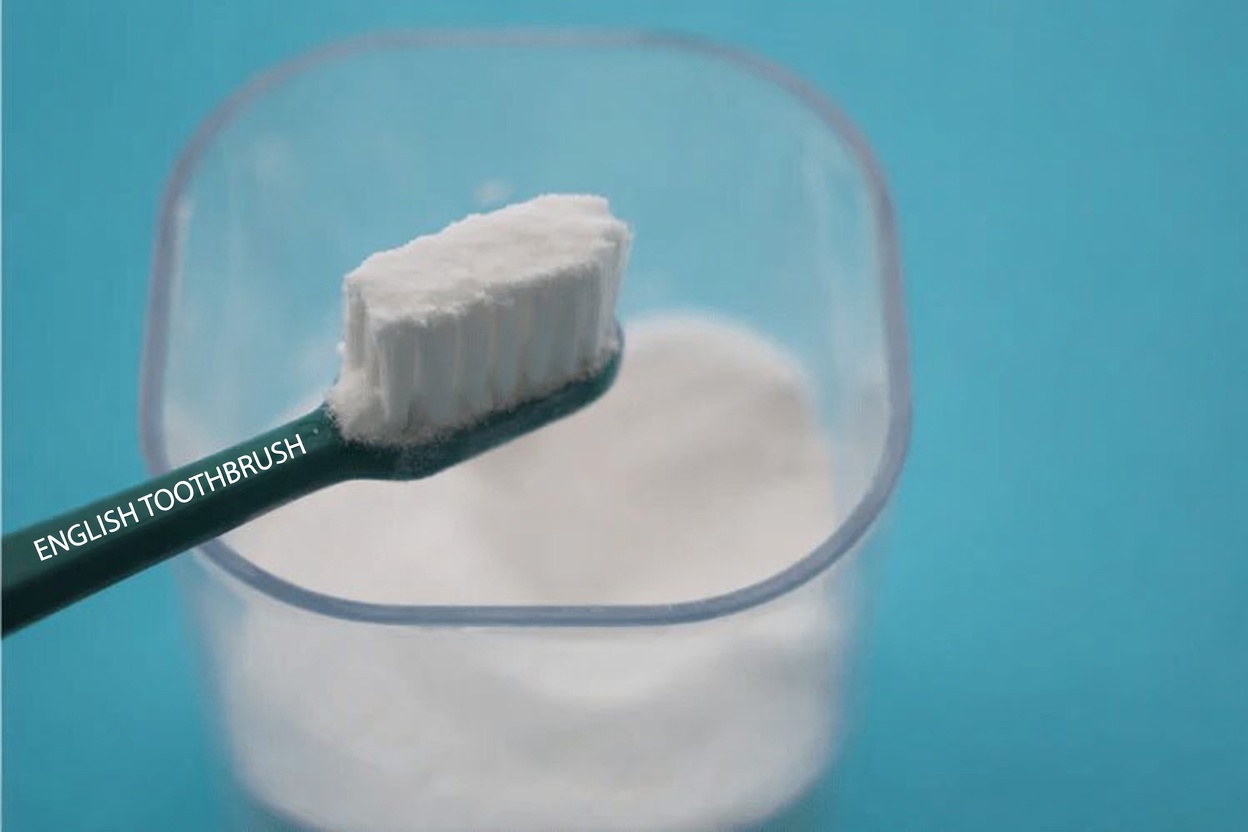
What Results Are Realistic? A Simple Timeline
If you use it sparingly and brush gently, many people describe:
- Right away: a cleaner, smoother feel
- 1–2 weeks: lighter-looking surface stains, especially if you reduce staining drinks
- 4–8 weeks: a more consistent “polished” look when paired with good brushing and flossing
Think of it as a small enhancement, not a dramatic transformation—especially if your discoloration is deeper than surface staining.
Safety Notes Before You Try Egg and Coffee Teeth Whitening
Even “natural” ingredients can cause problems if used incorrectly. To protect your teeth and gums:
- Boil and clean eggshells before use to lower bacterial risk.
- Grind the shell extremely fine—rough particles can scratch enamel.
- Limit use to 1–2 times per week to avoid over-polishing.
- Skip this method if you have allergies or complex dental work (such as crowns or veneers) unless your dentist approves.
- If you feel pain, sensitivity, or gum irritation, stop immediately and speak with a dental professional.
This DIY egg and coffee teeth whitening paste should not replace professional care or daily oral hygiene—it’s best viewed as an occasional add-on, not a primary solution.