A Simple Weekly Spice Men Are Exploring for Energy and Vitality
Many men begin to feel subtle changes over time: less energy, reduced stamina, slower workout recovery, and a lower sense of motivation. These shifts can be discouraging, especially when everyday tasks or exercise start to feel more demanding than they used to.
In many cases, part of this change is linked to the natural drop in hormone production that comes with age. That often leads men to ask a practical question: is there a simple, natural way to support overall vitality?
One common kitchen ingredient has attracted growing attention from researchers for exactly that reason. Turmeric, the bright golden spice used in many cuisines, may offer supportive benefits for men’s wellness.
And there’s an easy way to begin: using it just once a week may be a realistic habit to test, especially when combined with the right foods to improve absorption. Let’s look at how turmeric may fit into a healthy routine and what current science actually suggests.
Why Testosterone Health Deserves Attention
Testosterone plays a major role in men’s health. It helps support:
- Muscle mass
- Bone density
- Physical energy
- Mood and motivation
- General performance and recovery
Around age 30, testosterone levels often begin to decline gradually, typically by about 1% each year according to general health data. This change is usually slow rather than sudden, but over time it can affect how a man feels at the gym, at work, and in daily life.
The encouraging part is that lifestyle habits can help support hormonal balance. Nutrition is one of those habits, and turmeric stands out because it has been used for centuries in traditional wellness practices.
How Turmeric May Support Men’s Hormone Health
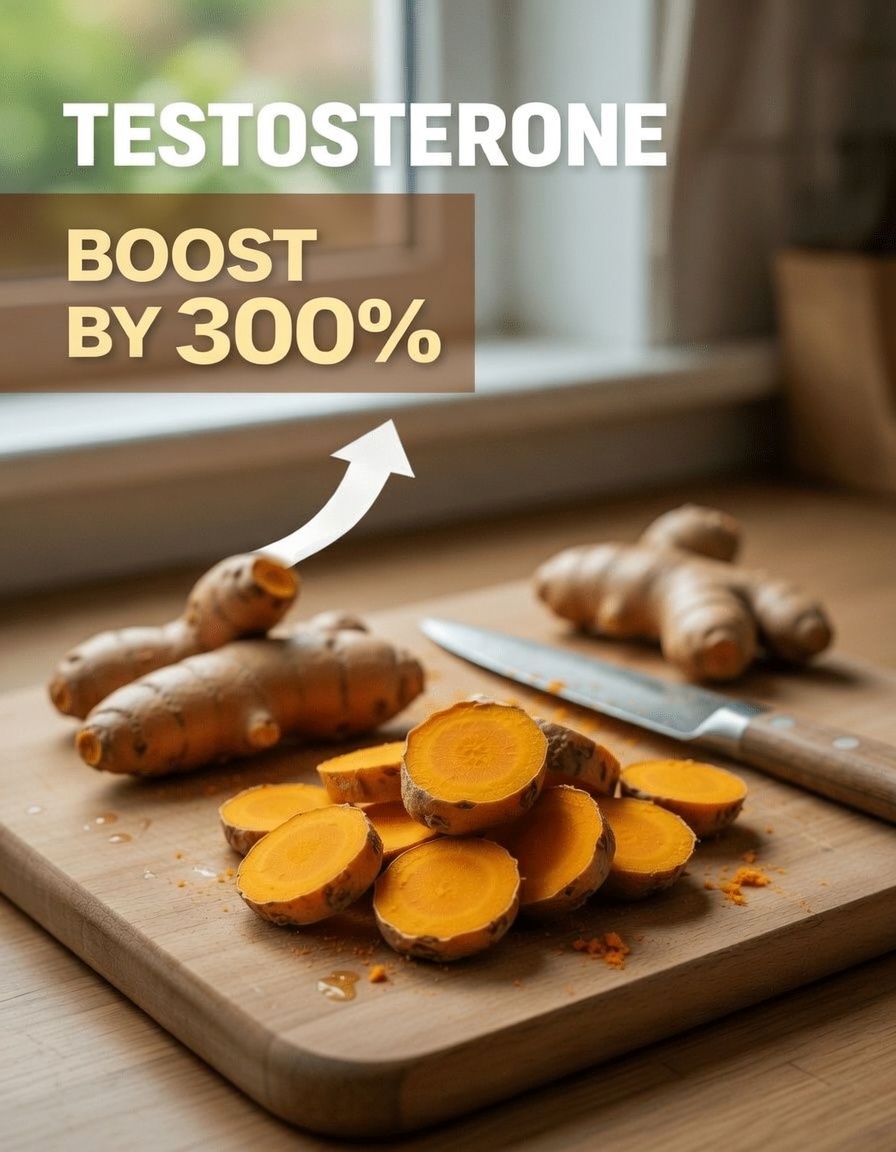
Turmeric contains curcumin, the natural compound responsible for its yellow-orange color. Curcumin is widely studied for its antioxidant and anti-inflammatory effects.
These properties matter because oxidative stress and ongoing inflammation are often discussed in research related to vitality, recovery, and overall health. Scientists have explored whether curcumin may help the body manage these stressors more effectively.
Some animal studies have examined curcumin in relation to reproductive health under specific conditions, including toxin exposure and heat stress. In certain laboratory settings, male animals showed improvements in testicular function and hormone-related activity when curcumin was added to the diet. Other early research has also looked at whether curcumin could influence testosterone metabolism and support hormone availability.
What the Research Says — and What It Does Not
It is important to keep expectations realistic. Most of the stronger findings on turmeric and testosterone come from animal or lab-based studies, not large human trials.
That means:
- Human evidence is still limited
- Results may depend on dose, form, and consistency
- Individual response can vary
- Turmeric is not a miracle solution
So while turmeric is promising, it should not be viewed as a direct fix for low testosterone. Researchers still need more high-quality human studies before making firm conclusions.
Even so, turmeric remains highly interesting because its anti-inflammatory and antioxidant effects are well established across broader wellness research. That makes it a valuable food to consider as part of a bigger men’s health strategy.
Why Using Turmeric Once a Week Is a Smart Starting Point
When it comes to spices, herbs, and supplements, more is not always better. In most cases, sustainable habits work better than extreme ones.
Adding turmeric to your meals once a week can be a practical place to start because it is:
- Easy to remember
- Simple to include in meals
- More realistic than complicated supplement schedules
- Gentle enough for most people when used in normal cooking amounts
This approach also makes turmeric feel like part of everyday life rather than another health task to manage. A weekly curry, golden milk, or roasted vegetable dish can be enjoyable, flavorful, and easy to maintain.
Easy Ways to Add Turmeric to Your Weekly Routine
If you want to try turmeric in a food-first way, fresh root or a good-quality turmeric powder are both great options. Here are a few simple ideas.
1. Golden Milk Latte
A warm turmeric drink is one of the easiest ways to start.
How to make it:
- Heat 1 cup of milk or plant-based milk
- Stir in 1/2 teaspoon turmeric powder
- Add a pinch of black pepper
- Mix in a little cinnamon
- Sweeten with a small amount of honey if desired
- Warm gently for about 5 minutes
This works well as a relaxing evening drink.
2. Turmeric Stir-Fry or Curry
Turmeric fits naturally into savory meals and pairs well with many spices.
How to make it:
- Sauté vegetables and a lean protein source
- Add 1 teaspoon turmeric
- Include garlic, ginger, and black pepper
- Cook with a little oil
- Serve over rice or another whole grain
This is an easy weekly dinner that brings both flavor and convenience.
3. Roasted Vegetables with Turmeric
If you meal prep, this is one of the most practical options.
How to make it:
- Toss cauliflower, carrots, chickpeas, or other vegetables with olive oil
- Add 1 teaspoon turmeric
- Season with black pepper and salt
- Roast at 425°F for about 25 minutes
The result is a simple side dish that stores well and adds variety to your meals.

The Best Way to Improve Curcumin Absorption
One of the biggest keys to getting more from turmeric is pairing it correctly.
Always combine turmeric with a little black pepper. Black pepper contains piperine, a compound that may increase curcumin absorption significantly. Some studies suggest it can improve uptake by as much as 2,000%.
Adding a source of fat may also help, since curcumin is fat-soluble. Good options include:
- Olive oil
- Coconut milk
- Whole milk
- Avocado-based meals
Quick Comparison: Which Turmeric Option Fits You Best?
| Method | Prep Time | Best For | Absorption Boost |
|---|---|---|---|
| Golden Milk Latte | 5 minutes | Evening relaxation | Black pepper + fat |
| Turmeric Curry | 20 minutes | Family dinner | Cooked with oil |
| Roasted Vegetables | 30 minutes | Meal prep | Olive oil + black pepper |
Lifestyle Habits That Work Well with Turmeric
Turmeric should not be the only step in a men’s wellness plan. It works best as part of a broader lifestyle approach that supports hormone health naturally.
Prioritize Sleep
Aim for 7 to 9 hours of quality sleep each night. Poor sleep can quickly affect hormones, mood, recovery, and energy.
Do Resistance Training
Strength training 2 to 3 times per week can support healthy muscle maintenance and encourage a positive hormonal response.
Manage Stress
Long-term stress may interfere with hormone production. Helpful habits include:
- Short daily walks
- Breathing exercises
- Mindfulness practices
- Regular time away from screens
Stay Hydrated and Cut Back on Processed Sugar
Hydration supports overall body function, while reducing heavily processed sugary foods may help keep inflammation under control.
When these habits are combined, the long-term effect can be much more noticeable than relying on any one food alone.
Common Questions About Turmeric for Men
Is turmeric safe to use once a week?
For most healthy adults, culinary amounts of turmeric such as 1/2 to 1 teaspoon per serving are generally considered safe. However, anyone taking blood thinners or dealing with gallbladder issues should speak with a healthcare professional first.
Is turmeric powder better than fresh turmeric or supplements?
For most people, turmeric powder or fresh turmeric root is the easiest place to begin. Supplements may contain more concentrated curcumin, but they are not necessary for a simple weekly wellness habit.
How long does it take to notice results?
Responses vary from person to person. Dietary changes usually work gradually, not overnight. A better approach is to look at how you feel over 4 to 8 weeks of steady use rather than expecting immediate changes.
Final Thoughts: A Small Habit with Real Potential
Using turmeric once a week is a simple and flavorful way to support overall well-being. While research connecting turmeric directly to testosterone is still developing and is mostly based on early or animal studies, its antioxidant and anti-inflammatory benefits make it a worthwhile addition to a healthy diet.
Start with a manageable routine, pair turmeric with black pepper, and combine it with proven habits like good sleep, exercise, stress control, and balanced nutrition. Small actions repeated consistently often make the biggest difference.
Disclaimer
This article is for informational purposes only and should not be considered medical advice. Results vary by individual. Always consult a qualified healthcare professional before changing your diet or starting a new wellness routine, especially if you have a medical condition or take prescription medications.