
Eating Cucumber in Salads Every Day: Benefits, Side Effects, and How to Avoid Discomfort
Adding fresh cucumber to your salad daily is an easy way to make meals feel lighter, crunchier, and more refreshing. But if you’ve ever noticed bloating, extra gas, or mild stomach cramps soon after eating, it can make you question whether this “healthy” routine is actually right for you—especially when the discomfort lingers into the afternoon or evening.
The good news is that health experts say the answer isn’t simply “cucumbers are bad.” In most cases, a few practical adjustments are enough to keep enjoying cucumber salads every day—without the unpleasant side effects.

Why Cucumber Salad Can Cause Bloating and Gas
Bloating is one of the most common complaints linked to eating cucumber in salads every day. While cucumbers are rich in water and contain fiber that supports digestion for many people, some bodies react differently.
A key factor may be cucurbitacin, a naturally occurring compound found mostly in the skin and seeds. In sensitive individuals—especially those with IBS, slower digestion, or an easily irritated gut—this compound can contribute to fermentation in the digestive tract, leading to gas, pressure, and discomfort.
If your stomach feels stretched or tight shortly after lunch, it’s often less about “eating unhealthy” and more about how your body processes certain parts of the cucumber.
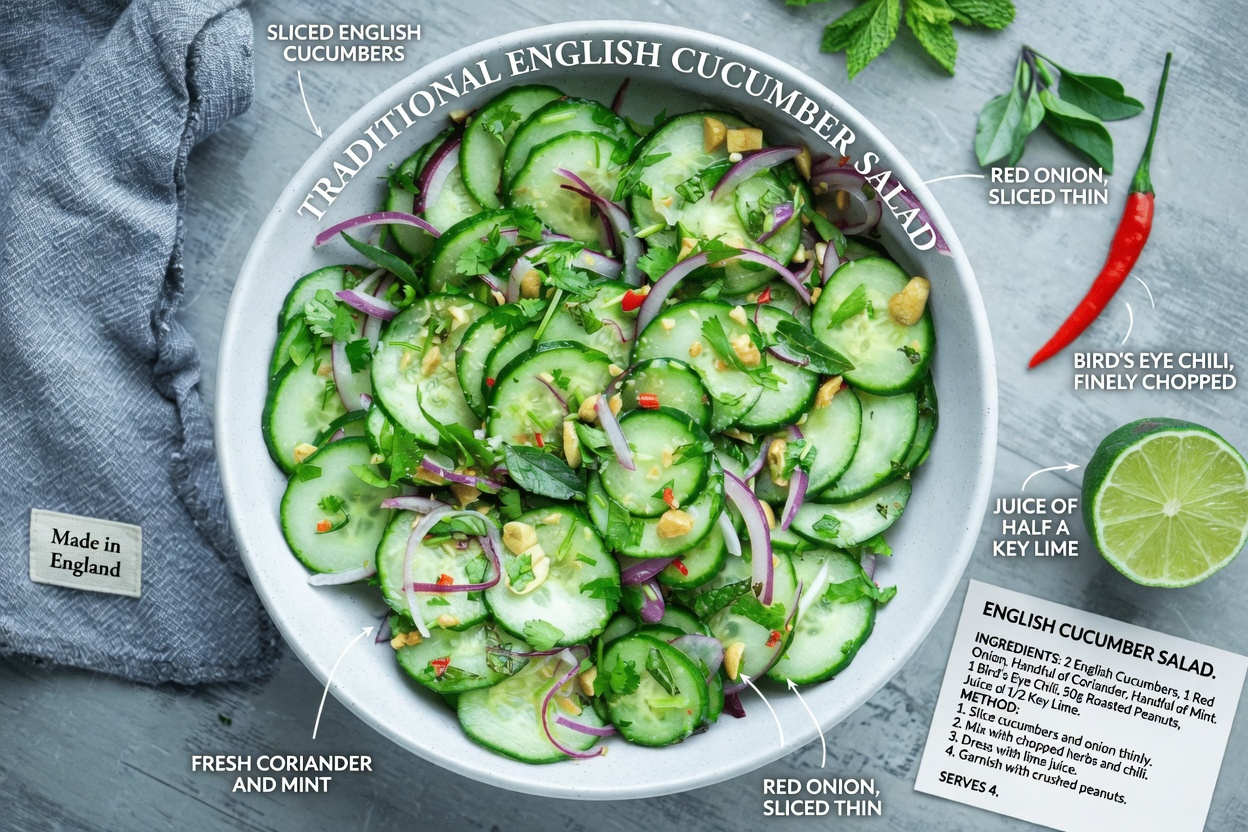
The Unexpected Problem with Common Cucumber Salad Pairings
A classic cucumber-and-tomato salad feels like the ultimate fresh combination, but some doctors highlight a potential digestion mismatch.
- Cucumbers tend to move through the stomach faster due to their high water content.
- Tomatoes can sit longer because of their acidity and fiber profile.
For people with sensitive digestion, this timing difference may encourage mild fermentation, which can show up as cramping, heaviness, or that “why did I eat this?” feeling after a meal.
This doesn’t mean you must quit eating cucumber in salads every day—it simply means some pairings may work better than others.

Hidden Cucumber Allergy Symptoms Many People Overlook
If cucumber salad sometimes causes an itchy mouth, tingling lips, or a scratchy throat, you may be experiencing oral allergy syndrome (OAS). This often affects people with seasonal allergies, especially those sensitive to ragweed pollen.
With OAS, proteins in raw cucumber can resemble pollen proteins, triggering quick, mild reactions such as:
- mouth or lip tingling
- throat irritation
- itchy ears
- mild swelling sensations
It’s typically not dangerous, but it can make eating cucumber in salads every day feel unpredictable—especially during allergy season.

Pesticide Exposure: A Real Consideration for Daily Cucumber Salads
Cucumbers that aren’t organic can sometimes carry higher pesticide residues, and those residues often concentrate on the skin. If you’re eating cucumber in salads every day, the concern isn’t that one serving will harm you—but that small exposures can add up over time.
Experts often recommend simple steps to reduce risk while keeping the nutritional benefits:
- wash thoroughly
- consider soaking produce
- peel when appropriate
- choose organic when possible (especially if you eat the skin daily)
Staying informed helps you keep your “healthy lunch” truly healthy.

How Daily Cucumber Intake Can Affect Blood Pressure and Electrolytes
Cucumbers provide potassium and have a mild diuretic effect, which can support healthy blood pressure for many people. Research consistently connects higher potassium intake with improved heart health and better blood pressure control.
However, if you already have low blood pressure or take medications that affect fluid balance, eating cucumber in salads every day may occasionally contribute to:
- lightheadedness
- fatigue
- feeling “a bit off,” especially on low-sodium days
Because cucumbers are about 95% water, very large portions—especially combined with lots of plain water—can also contribute to electrolyte dilution in some situations. Most people tolerate cucumbers well, but your body’s signals matter.
Can Cucumbers Make Acid Reflux Worse?
If you deal with GERD or reflux, cucumber salads may sometimes trigger symptoms—particularly when they’re eaten:
- on an empty stomach
- with vinegar, lemon, or other acidic dressings
- late in the day
In sensitive people, cucumber’s high water content and certain compounds may contribute to relaxation of the lower esophageal sphincter, making reflux easier to trigger. Many people report improvement by:
- peeling cucumbers
- reducing acidic add-ons
- lightly cooking cucumbers (instead of eating them raw)
Eating cucumber in salads every day doesn’t automatically cause heartburn, but preparation and timing can make a noticeable difference.
The Big Picture: Why Cucumber Salad Is Still a Strong Daily Habit
Despite occasional digestive “hiccups,” most doctors agree that eating cucumber in salads every day is a smart choice for the majority of people. Cucumbers are:
- low-calorie and filling
- excellent for hydration
- supportive of steady blood sugar
- a source of potassium for heart health
- providing gentle fiber for regularity
- containing antioxidants that help fight everyday inflammation
The key is not fear—it’s moderation, smart preparation, and choosing combinations your body tolerates well.
Practical Tips to Eat Cucumber in Salads Every Day Without Bloating
Use these doctor-aligned adjustments to reduce discomfort while keeping cucumbers in your daily routine:
- Peel and deseed if bloating is an issue, since cucurbitacin is most concentrated in the skin and seeds.
- Rethink pairings by trying cucumber with leafy greens, herbs, olive oil, and yogurt-based dressings instead of frequent tomato/citrus-heavy mixes.
- Eat earlier in the day rather than close to bedtime, especially if reflux is a concern.
- Wash well (or soak in baking soda water for about 10 minutes) and choose organic when possible.
- Start with smaller portions (such as half a cucumber) and increase gradually while tracking symptoms.
- Try cooked or pickled cucumber if raw cucumber triggers allergy-like symptoms—heat can break down problematic proteins.
Final Verdict from Health Experts
Eating cucumber in salads every day remains one of the simplest, lowest-calorie habits for supporting hydration and overall wellness. When side effects like gas, bloating, mild cramps, reflux, or tingling occur, they’re usually related to how the cucumber is prepared, what it’s paired with, or individual sensitivity—not the cucumber itself.
With small, consistent tweaks, cucumber salad can stay a daily staple that genuinely supports digestion, energy, and long-term health.
Frequently Asked Questions
Is it safe to eat cucumber salad every day?
Yes. For most people, daily cucumber salad is safe, hydrating, and nutrient-supportive. Adjust preparation if you notice discomfort.
Why do I bloat after eating cucumber salad?
Common causes include cucurbitacin in the skin and seeds, sensitive digestion (including IBS), or digestion timing issues from pairings like tomatoes. Peeling and deseeding often helps quickly.
Should I avoid cucumbers if I have low blood pressure?
Not necessarily. Cucumbers’ potassium and mild diuretic effect can be beneficial, but if you feel lightheaded or unusually tired, reduce portions and consult your clinician—especially if you take blood pressure or diuretic medications.