Persistent Throat Discomfort and the Hidden Concern Behind It
Waking up with a lingering throat irritation can feel like a small problem—until it doesn’t go away. When swallowing, speaking, or even eating becomes uncomfortable day after day, it’s easy for worry to grow and for every new sensation to feel alarming. Ongoing HPV in the throat symptoms can be especially stressful because they may last longer than a typical cold, leaving you tired, distracted, and unsure what to think.
The reassuring part is that learning what to watch for—and when to seek care—can replace uncertainty with a clearer plan. Understanding symptoms of HPV in the throat early may help you respond calmly and protect your long-term health.
What HPV Is and How It Can Affect the Throat
Human papillomavirus (HPV) is a very common virus spread through close personal contact. In many people, HPV clears on its own. However, some strains can persist and affect tissues in the mouth and throat over time. Because changes may develop gradually, HPV throat symptoms can be easy to overlook at first—until the discomfort becomes hard to ignore.
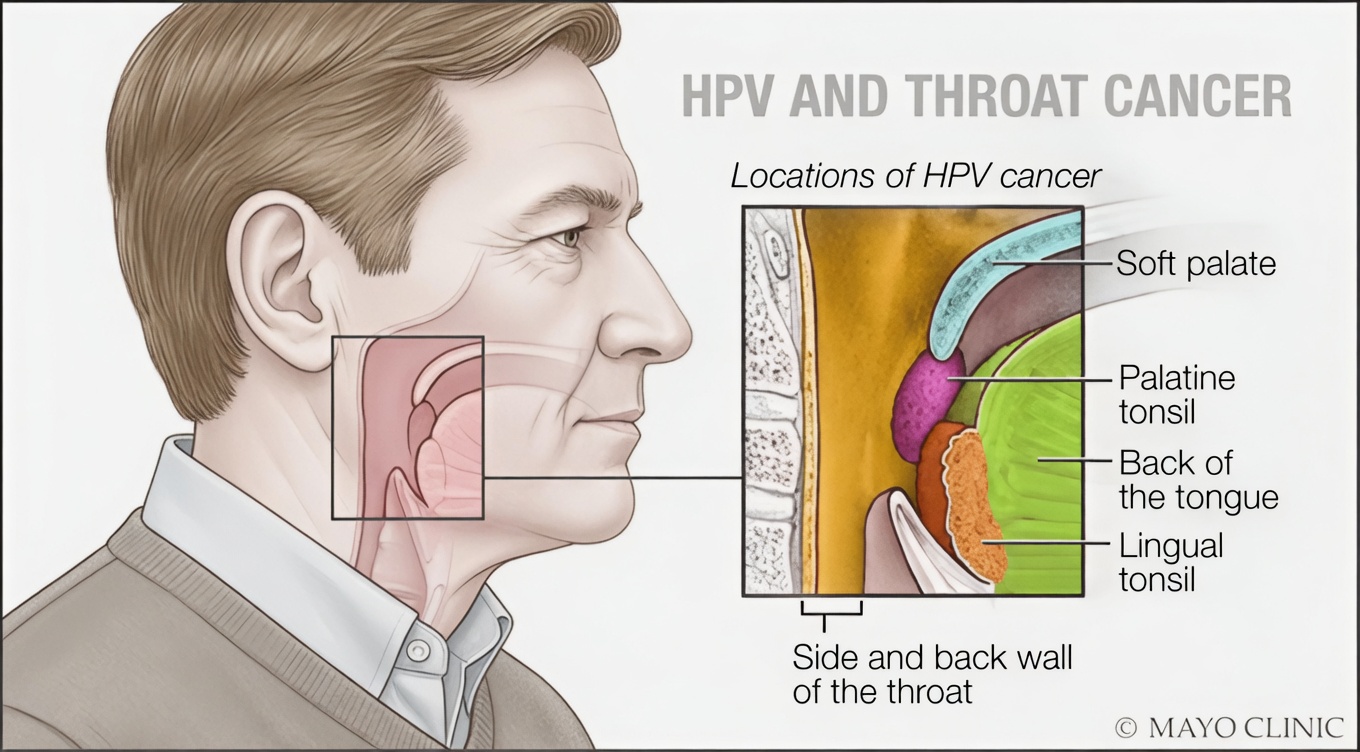
Public health sources such as the CDC note that persistent HPV infection is linked to certain oropharyngeal conditions. That information can feel heavy when you’re already dealing with unexplained throat issues. Still, knowing how HPV may interact with throat tissues helps you make thoughtful decisions instead of reacting from fear.
Common Symptoms of HPV in the Throat to Watch For
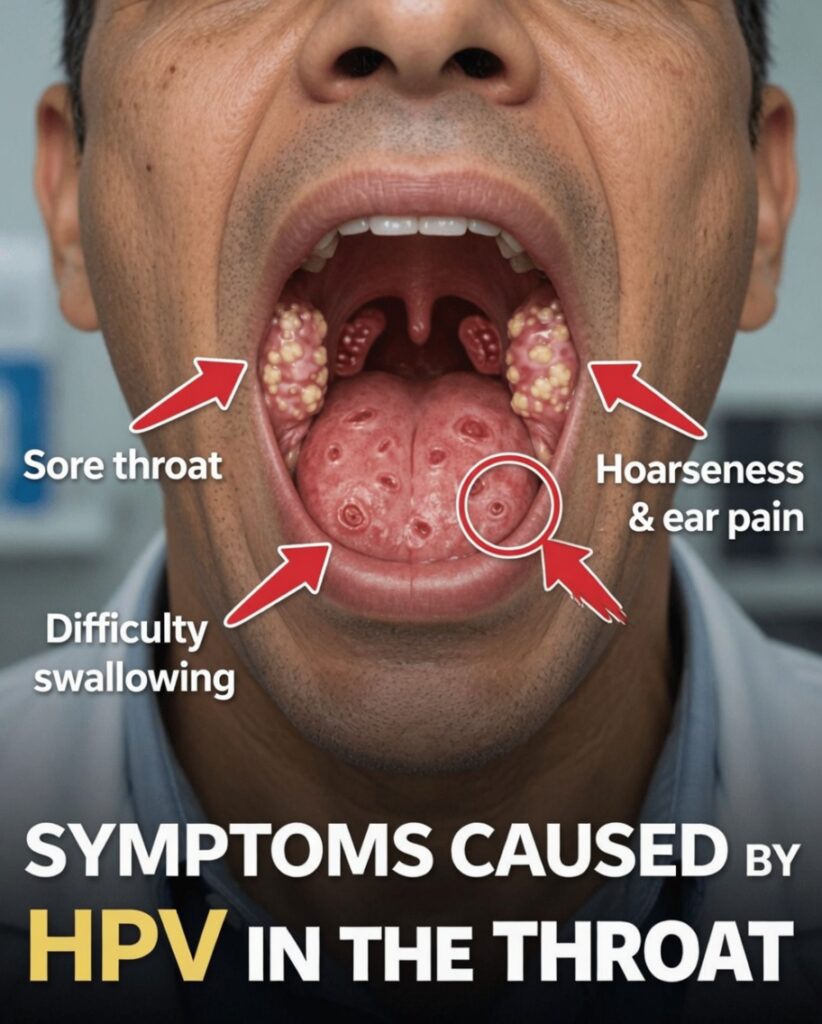
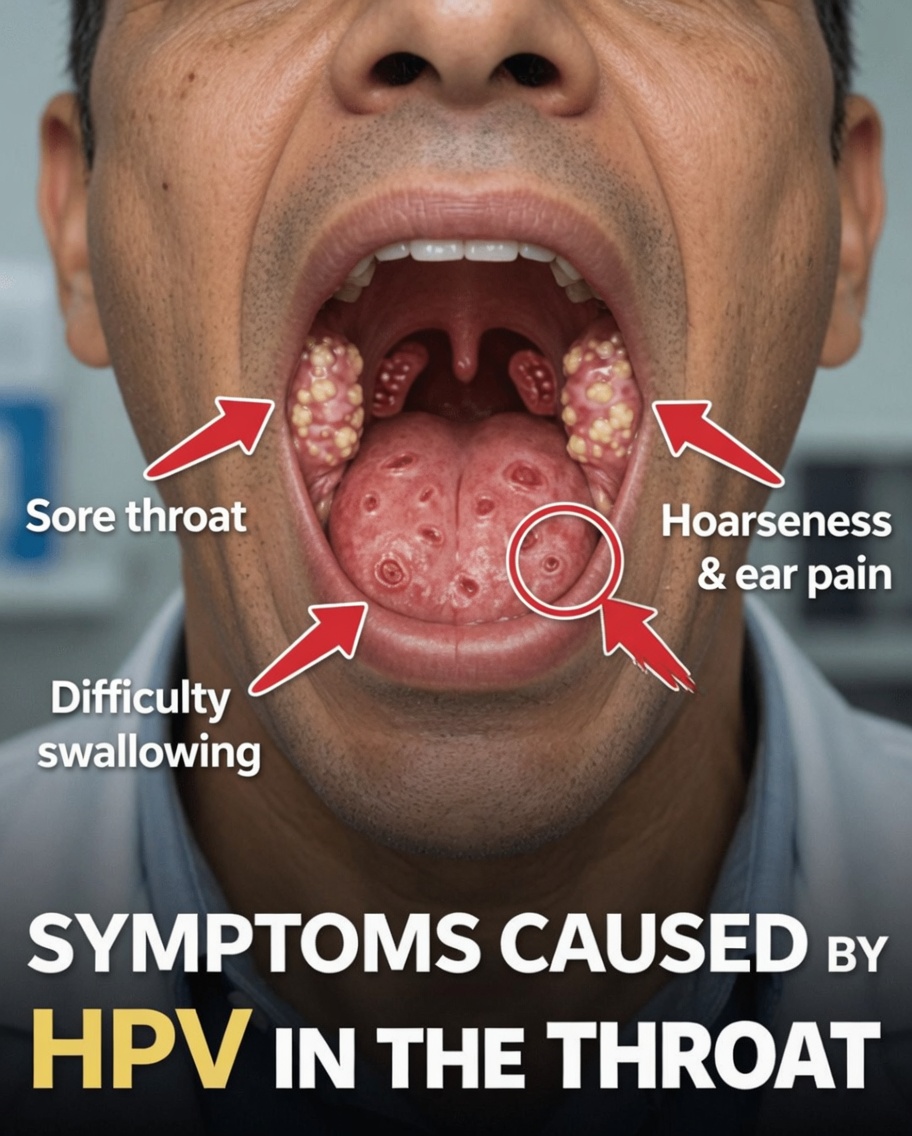
One reason symptoms of HPV in the throat can feel so unsettling is that they often build slowly rather than appearing all at once. A sore throat that lasts for weeks—despite rest, hydration, or home remedies—can turn normal routines into daily challenges. If swallowing becomes painful, meals may feel stressful, and some people notice unintended changes in appetite or weight.

Voice changes are also frequently reported. Hoarseness, raspiness, or a voice that simply “doesn’t sound like you” can affect confidence at work and in social situations. Another symptom that surprises many people is one-sided ear pain without a clear ear infection. This can happen because nerves in the throat and ear are connected, creating “referred” pain that’s confusing and easy to misinterpret.
Swelling or lumps in the neck can be especially anxiety-provoking, even when they aren’t painful. Some people also describe a persistent sensation that something is stuck in the throat, which can make speaking and swallowing feel strained.
Key HPV in the throat symptoms to monitor include:
- A sore throat that persists longer than two weeks
- Pain or increasing difficulty when swallowing
- Hoarseness or noticeable voice changes
- Unexplained ear pain (often on one side)
- Lumps or swelling in the neck
- A frequent “something stuck” feeling in the throat
- Red or white patches in the mouth that don’t resolve
These signs can overlap with many common conditions (such as reflux, allergies, or infections). What often raises concern is not a single symptom—but persistence, progression, or a cluster of changes that don’t improve.
Why These Symptoms Can Develop Over Time
HPV-related throat changes are often connected to how the virus can influence cells over a long period, sometimes leading to inflammation or tissue growths. For example, a neck lump may reflect lymph nodes responding to inflammation or changes in nearby tissues. While immune activity is normal, swelling that remains can feel alarming and disruptive.
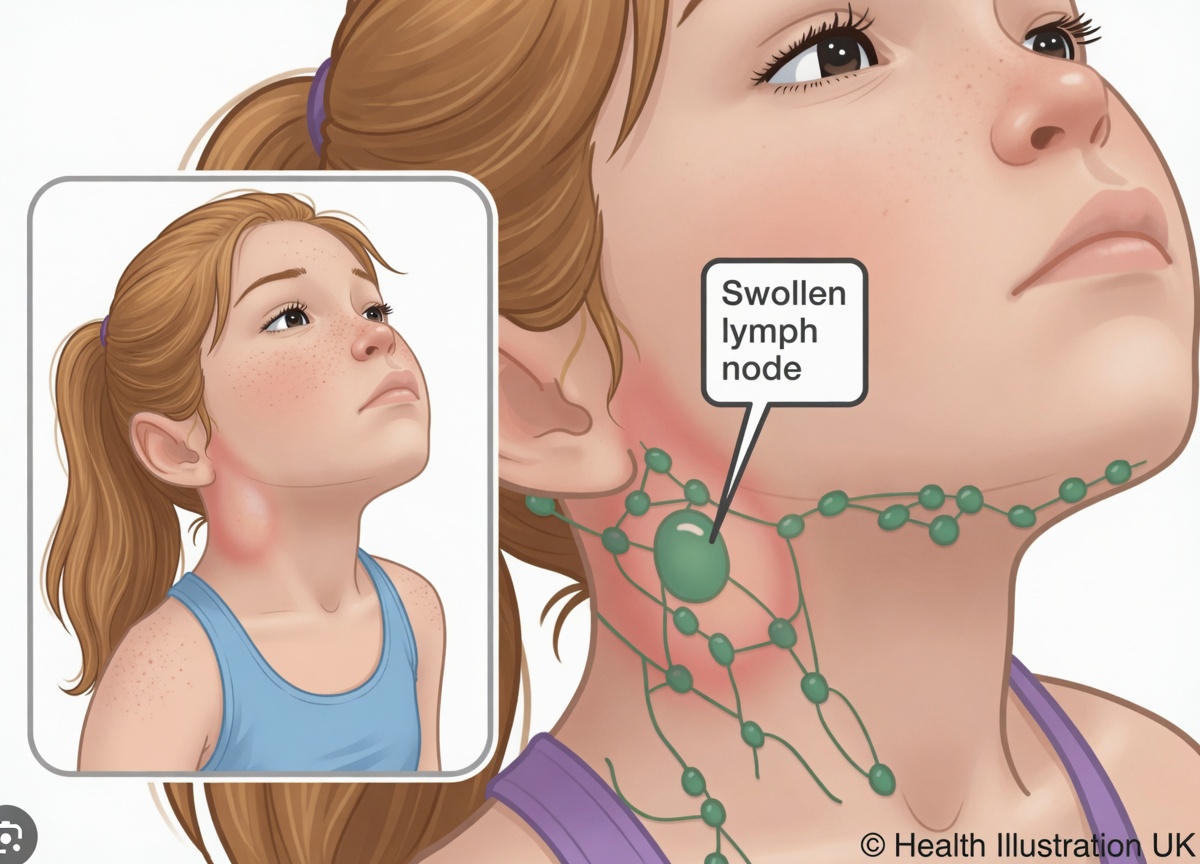
The same mechanism helps explain ear pain: shared nerve pathways can make throat irritation feel like an ear problem. Some research indicates that in certain HPV-positive throat cases, a neck lump can appear as an early clue—different from how other throat issues may present.
Because the progression can be slow, people may feel isolated when others dismiss symptoms as “just a lingering cold.” Understanding the process doesn’t erase concern, but it can make the situation feel more navigable and less mysterious.
When to Take Symptoms of HPV in the Throat Seriously
It’s time to pay closer attention when throat symptoms don’t improve after a couple of weeks, or when they begin to interfere with eating, speaking, or sleep. Painful swallowing, unexplained hoarseness, a persistent “stuck” sensation, or any new neck swelling are all reasons to seek a professional evaluation.

Since reflux, allergies, and infections can look similar, duration is often the key warning sign. Tracking what you feel and how long it lasts can bring back a sense of control and help you communicate more clearly with a clinician.
Practical Ways to Support Your Health While You Monitor Symptoms
Small, consistent steps can reduce irritation and help you stay grounded while you figure out what’s going on. Turning vague discomfort into concrete observations—like timing, triggers, and changes—can also reduce mental stress and make medical visits more productive.
Try these supportive habits:
- Track symptoms daily: Note how long they last, what makes them worse, and whether they’re improving.
- Stay hydrated: Water can soothe throat tissues and may make swallowing easier.
- Avoid irritants: Reduce or eliminate smoking, alcohol, and very spicy foods if they worsen discomfort.
- Keep up with oral care: Brushing and flossing regularly can help limit additional irritation.
- Schedule routine check-ups: Regular dental and medical visits can catch subtle changes earlier.
- Ask about HPV vaccination: A healthcare provider can explain whether vaccination is appropriate and what it protects against.
These steps aren’t instant fixes, but they support both physical comfort and peace of mind—especially when uncertainty feels overwhelming.
Prevention Insights to Lower HPV-Related Throat Risks
One of the most empowering parts of learning about HPV in the throat symptoms is realizing that prevention plays a major role in long-term risk reduction. Public health guidance consistently highlights the value of HPV vaccination in preventing infections from several high-risk strains. Safer close-contact practices and staying attentive to persistent symptoms also matter.

Prevention isn’t about fear—it’s about giving yourself better odds through informed choices. If you’re concerned about ongoing symptoms, the most helpful next step is a timely evaluation with a qualified healthcare professional so you can move forward with clarity.