Many people rely on the same over-the-counter or commonly prescribed drugs for headaches, allergies, insomnia, and everyday aches—assuming that “common” automatically means “harmless.” Over time, though, frequent use can quietly stack up side effects that leave you feeling more tired, mentally foggy, or increasingly anxious about long-term health.
What makes this cycle so frustrating is that the constant “take something to get through the day” approach often adds stress instead of easing it—especially when life already feels packed and overwhelming. Clinicians witness these outcomes daily, which is why they often make different choices for themselves. The most surprising part is that many doctors reduce their reliance on these medications not by willpower alone, but by building a few simple daily habits that prevent symptoms from escalating in the first place—something you’ll see later in this article.
Why Doctors Treat Certain Medications with Extra Caution
Doctors don’t avoid these drugs out of panic—they’re careful because evidence shows the risks can accumulate faster than most people expect. Guidance from organizations such as the American Geriatrics Society has repeatedly highlighted that some widely used medications can raise the likelihood of problems like confusion, falls, and organ strain, especially with routine use or as we age.
In other words, the quick relief you get today can sometimes come with a hidden cost tomorrow. Learning why these are medications doctors rarely take themselves helps you choose options that support your health long-term—not just for the next few hours.
1. Diphenhydramine (Benadryl, Many “PM” Sleep Aids, and Allergy Products)
If seasonal allergies or a sleepless night pushes you toward that familiar antihistamine, you’re in good company. Still, diphenhydramine is one of the common medications doctors rarely take themselves for ongoing relief.
This drug can cross into the brain and often causes next-day grogginess. With repeated use, people commonly report:
- Dry mouth
- Constipation
- Blurred vision
- A “hungover” or slowed-down feeling the next day
For older adults, studies have linked regular use to increased fall risk and mental fog that can make everyday tasks harder than they need to be. That lingering sense of feeling “off” can become its own source of stress.
Many physicians prefer non-drowsy antihistamines (such as loratadine) when symptoms persist.
Quick label tip doctors share: many nighttime cold or sleep products contain diphenhydramine. If it’s listed, consider saving it for rare situations and ask a clinician about gentler choices for frequent symptoms.

2. Ibuprofen and Other NSAIDs (Advil, Motrin, Naproxen/Aleve)
For headaches, joint stiffness, back pain, or muscle soreness, NSAIDs are a go-to—yet they’re also among the medications doctors rarely take themselves for extended periods.
When used often or at higher doses, NSAIDs can:
- Irritate the stomach lining and raise ulcer risk
- Increase blood pressure
- Put extra strain on the kidneys
- Add cardiovascular risk for some individuals, especially with long-term use
Large health organizations have consistently warned that the risk rises when NSAIDs are taken regularly, combined with certain prescriptions, or used by people with underlying kidney, stomach, or heart concerns. Worrying about what’s happening internally while you try to function through the day is exhausting—and preventable in many cases.
A simple way to think about it:
- Occasional, short-term use: often reasonable for healthy adults when taken as directed
- Daily use or high doses: stomach, kidney, and heart risks increase quickly
- Approaches doctors often prefer: topical anti-inflammatory gels, heat/ice, gentle movement and mobility work, or acetaminophen at appropriate doses for straightforward pain
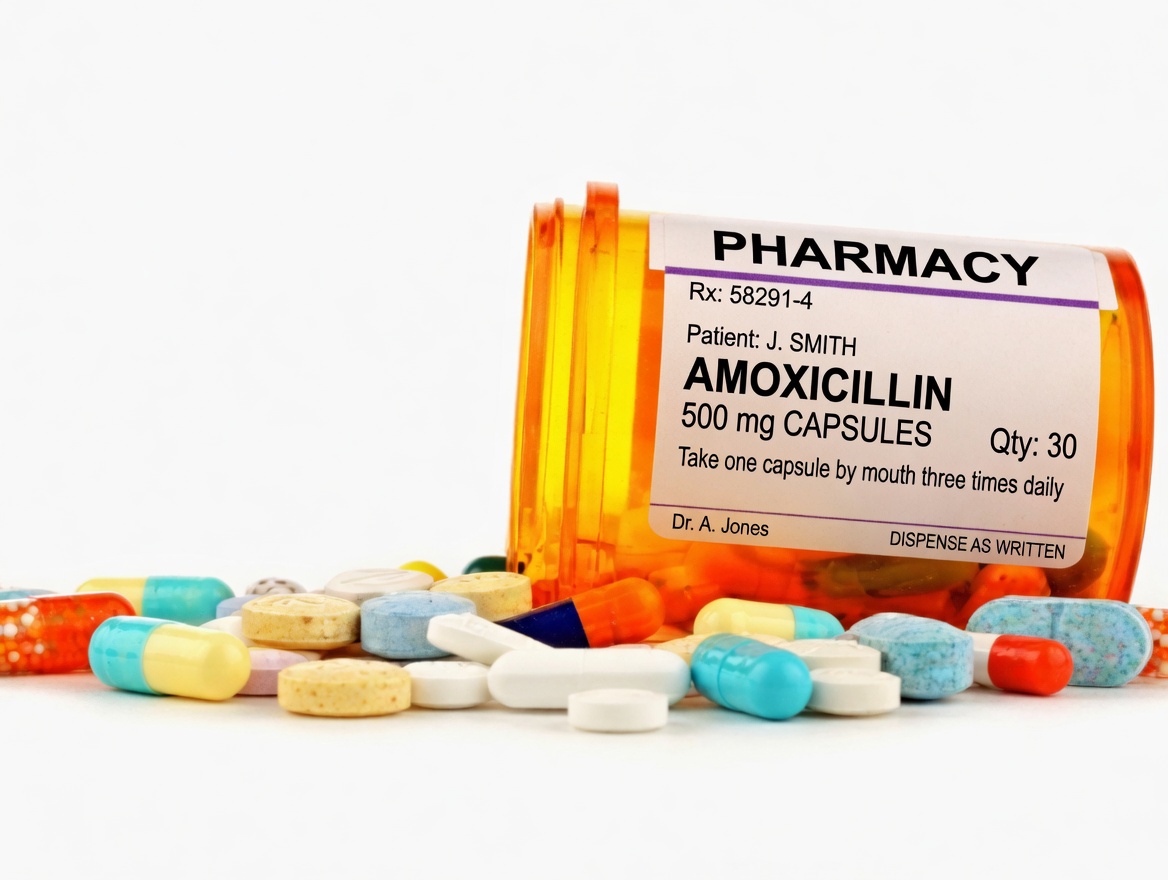
3. Benzodiazepines (Xanax, Valium, Ativan)
When anxiety surges or sleep disappears, benzodiazepines can feel like immediate rescue. But they frequently top the list of medications doctors rarely take themselves on a routine basis.
Key concerns include:
- Tolerance can develop quickly (needing more for the same effect)
- Dependence can occur, making stopping difficult
- Memory and concentration can suffer
- Fall risk increases, particularly in older adults
Clinical guidelines typically recommend using benzodiazepines only for short durations when necessary—while prioritizing longer-lasting strategies such as therapy, structured breathing techniques, or other non-drug tools. Many people fear dependence or withdrawal, and doctors share that concern, which is why they emphasize the lowest effective dose for the shortest possible time.
4. Zolpidem and Similar “Z-Drugs” (Ambien, Lunesta)
Insomnia can make anyone desperate for relief. Even so, zolpidem and related “Z-drugs” are another category of medications doctors rarely take themselves long-term.
Potential issues include:
- Unusual behaviors (for example, sleepwalking or eating with limited awareness)
- Next-day drowsiness and impaired alertness
- Rebound insomnia after stopping, which can make sleep feel even worse than before
Research suggests that consistent sleep routines and cognitive approaches often provide more durable improvement without the hidden trade-offs. Many clinicians start by strengthening sleep habits before escalating to medication.

5. High-Dose or Long-Term Acetaminophen (Tylenol and Combination Products)
Acetaminophen is often viewed as a “safer” pain option, and for many people it can be—when used correctly. The main risk comes from taking too much, especially because acetaminophen is included in many multi-symptom cold and flu products.
Doctors commonly use a simple safety checklist:
- Calculate your total daily amount from all sources, including cough/cold remedies
- Avoid alcohol if you’re taking it regularly
- Prefer single-ingredient products when possible to prevent accidental overlap
- Ask a pharmacist to review your full medication list annually, especially if you use multiple OTC products
Actionable Steps You Can Start Today
The biggest difference for many physicians isn’t “never taking a pill.” It’s building everyday habits that reduce how often symptoms flare—so there’s less need for the common medications doctors rarely take themselves in the first place.
Practical, realistic changes include:
- Move with intention: even 10–15 minutes of walking daily can support joints, mood, and sleep
- Strengthen sleep hygiene: keep the room cool and dark, and protect a consistent bedtime/wake time
- Eat more anti-inflammatory foods: berries, leafy greens, fatty fish, and turmeric are common staples in many clinicians’ diets
- Stay ahead of hydration: adequate fluids support kidney function and can reduce headache frequency
- Do a yearly “medicine cabinet audit”: check expiration dates and review what you’re using with a healthcare professional
These small shifts often lead to fewer flare-ups—meaning fewer pills.
Conclusion: Regaining Control Over Everyday Health Decisions
No medication is automatically “bad.” The value is in knowing the trade-offs and using each option wisely. Understanding why these are medications doctors rarely take themselves helps you avoid accidental long-term downsides while still getting relief when appropriate.
The best outcomes usually come from combining smart, short-term medication use with daily habits that lower symptom frequency. Talk openly with your healthcare team, pay attention to how your body responds, and you’ll be able to make choices that feel calmer, safer, and more in your control.
FAQ
Are these medications dangerous if I use them only occasionally?
Not usually. For many people, short-term use as directed is considered safe. Concerns tend to appear with frequent use, high doses, long durations, older age, or risky medication combinations.
What if I already take one of these regularly?
Don’t stop suddenly—especially benzodiazepines. Schedule a conversation with your doctor or pharmacist to review your situation and discuss safer alternatives or a step-down plan if needed.
Can lifestyle changes replace these medications completely?
Healthy habits can significantly reduce reliance for many people, but they work best alongside professional guidance—especially for ongoing or severe symptoms. Always check with your provider before making major changes.