A Natural Way to Support Damaged Hair: The Ginger Aloe Avocado Hair Mask
If your hair has become dry, fragile, and quick to snap after years of heat styling, coloring, or daily manipulation, you’re not the only one. Split ends, lack of shine, and strands that seem to thin or shed easily can make simple routines—like detangling or blow-drying—feel discouraging.
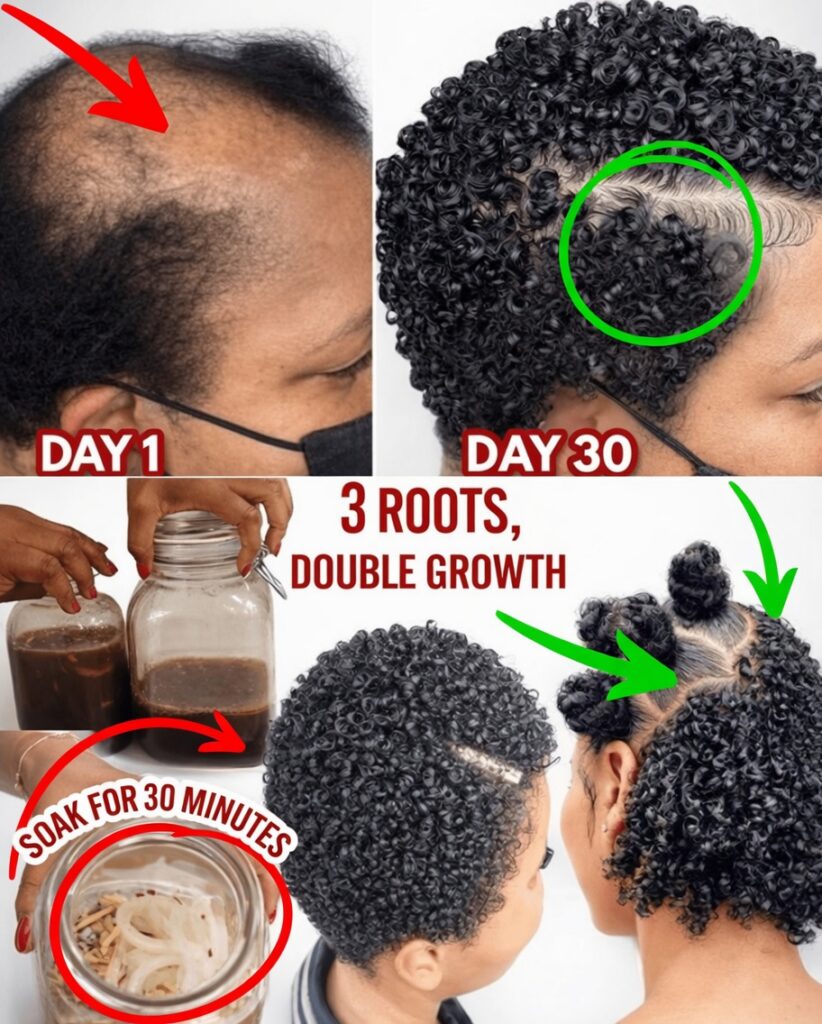
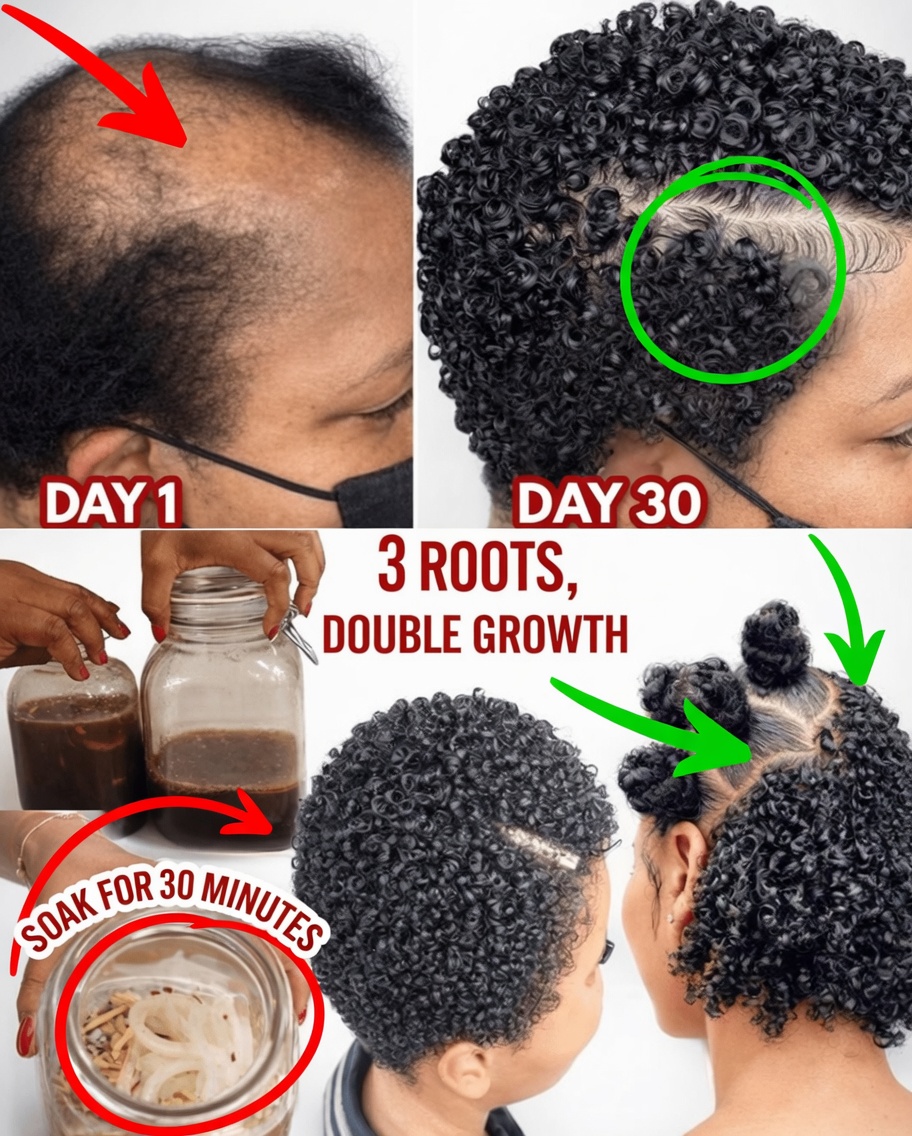
A gentle, ingredient-forward option many people add to their routine is a ginger aloe avocado hair mask. It’s a kitchen-based blend designed to nourish the scalp and improve the look and feel of stressed hair—without relying on harsh chemicals.
Why Hair Damage Can Feel Like a Constant Battle
Hair damage often starts quietly: a little more breakage here, a bit more roughness there. Over time, repeated coloring, hot tools, tight hairstyles, and environmental stress can strip moisture and weaken the hair fiber. The result is hair that tangles easily, breaks when brushed, and looks dull even after styling.
The appeal of a ginger aloe avocado mask is that it’s not just about making hair feel slippery for a day. It’s typically used with the goal of supporting the scalp and roots, where healthy-looking hair growth begins.
What Natural Ingredients Can Do for Scalp and Hair Support
Studies and traditional use both point to the value of certain plant-based ingredients in hair care routines. For example:
- Ginger is often used for its stimulating properties and is associated with supporting scalp circulation.
- Aloe vera is widely known for its soothing, hydrating feel—helpful when dryness or irritation is part of the problem.
When combined into a ginger aloe avocado hair mask, these ingredients create a treatment that many people describe as nourishing, softening, and scalp-friendly—especially with consistent use alongside gentle hair habits.
Ginger Aloe Avocado Hair Mask Recipe (Easy At-Home Formula)
Making a homemade ginger aloe avocado mask is simple, and the ingredients are commonly available. This recipe is designed to support moisture, softness, and overall hair resilience, especially for hair that feels rough and unmanageable.
Ingredients (1–2 uses)
- 4 tablespoons fresh ginger, grated
- 3 tablespoons fresh aloe vera gel
- 1 cup water
- ½ ripe avocado
- ½ ripe banana
- 1 whole egg
- 2 tablespoons castor oil
- 2 tablespoons amla oil (or coconut/olive oil as a substitute)
- 5–10 drops black seed oil
- 3–5 drops peppermint oil
Preparation steps
- Blend the ginger + aloe vera gel + water until smooth, then strain the mixture.
- Add avocado, banana, and egg into the strained liquid and blend again until creamy.
- Mix in the oils and stir or blend briefly until fully combined.
This ginger aloe avocado hair mask comes together quickly, making it realistic even for busy weekly routines.
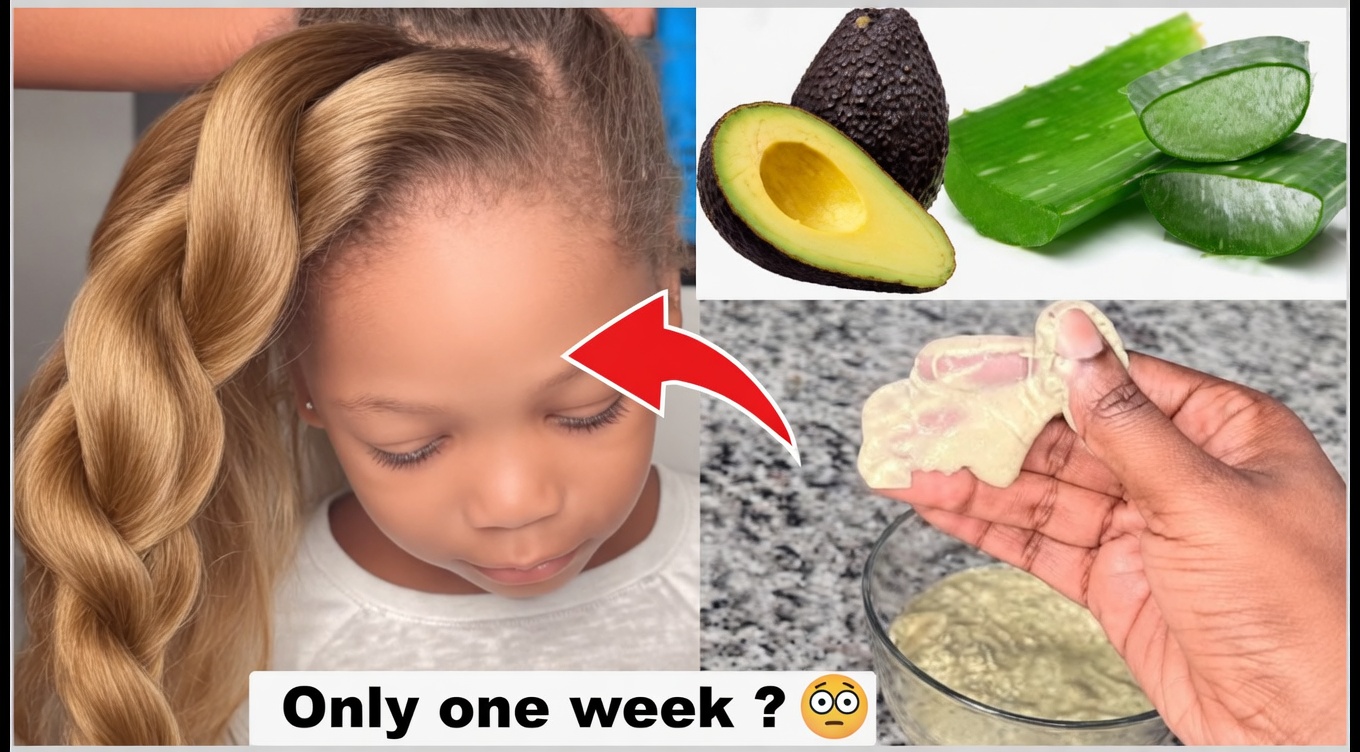
How to Apply the Mask for Best Results
Technique matters as much as ingredients. To get the most from your ginger aloe avocado mask, apply it in a way that supports absorption and reduces friction on already-stressed hair.
- Start with clean, damp hair (after a gentle wash is ideal).
- Apply the mask to the scalp first, then distribute through mid-lengths and ends.
- Massage the scalp thoroughly, then cover with a shower cap.
- Leave on for 30–60 minutes.
- Rinse with cool water, then follow with a mild shampoo if needed.
Many people use this ginger aloe avocado hair mask 1–2 times per week when focusing on repairing damaged hair naturally without overloading the scalp.
Note: Peppermint oil often creates a fresh, tingling sensation during application, which many find energizing.

Why These Ingredients Work Well Together
This formula is popular because each component contributes something different to the overall feel and performance of the mask:
- Ginger: warming, stimulating, and commonly used to support scalp comfort and circulation.
- Aloe vera: lightweight hydration that helps counter the dryness often seen with damaged hair.
- Avocado + banana: creamy, conditioning texture with beneficial fats and minerals that can help hair feel smoother and easier to style.
- Egg: a protein-rich addition that many people associate with improved hair strength and reduced breakage over time.
- Castor, amla (or coconut/olive), black seed, and peppermint oils: added for extra nourishment, softness, and scalp support.
Used consistently, the ginger aloe avocado hair mask can help hair look more manageable and feel less rough between washes.
Best Practices and Safety Tips
Even natural hair care should be used thoughtfully—especially if your scalp is sensitive.
- Patch test first: Apply a small amount on your inner arm 24 hours before full use.
- Don’t overuse: Stick to 1–2 applications weekly to reduce the risk of buildup.
- Rinse thoroughly: Take time to remove residue, especially near the scalp and roots.
- Check with a professional: If you have persistent itching, flakes, inflammation, or diagnosed scalp conditions, consult a dermatologist before introducing new treatments.
Listening to your hair is key—over-treating can sometimes create new problems while trying to fix old ones.
Natural Mask vs. Other Hair Repair Options (Quick Comparison)
A side-by-side view can make it easier to decide how you want to approach repairing damaged hair naturally.
| Approach | Monthly Cost | Time to Notice Changes | Natural Focus | Scalp Support | Typical Ease |
|---|---|---|---|---|---|
| Salon treatments | $150–300 | Short-term | Low | Moderate | Professional |
| Commercial masks | $20–60 | 4–8 weeks | Variable | Moderate | Convenient |
| Ginger aloe avocado hair mask | Under $10 | With consistent use | High | High | At-home |
| Basic oils only | $8–25 | 6–12 weeks | High | Moderate | Simple |
For many, the ginger aloe avocado mask hits a practical balance: affordable, ingredient-based, and supportive of the scalp as well as the strands.
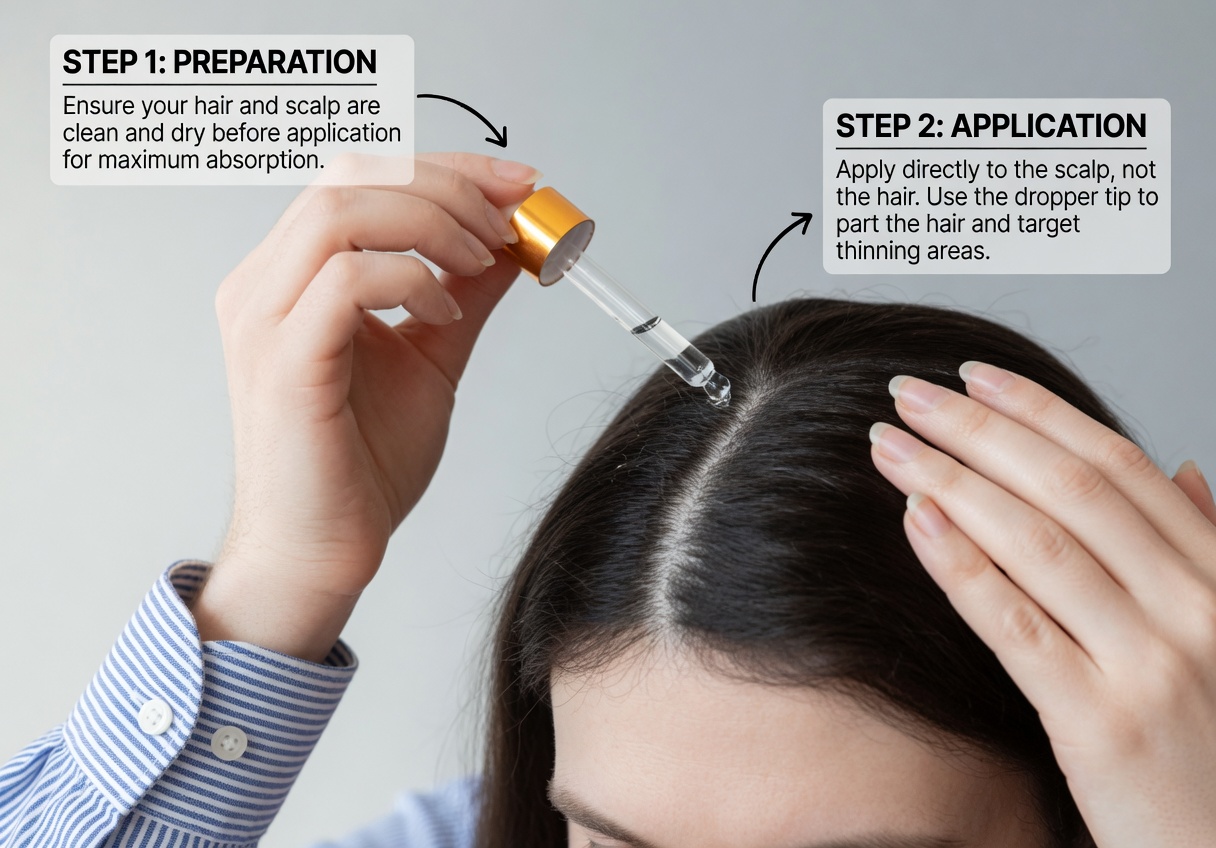
Extra Tips to Boost Results Alongside the Mask
To maximize the impact of a ginger aloe avocado hair mask, pair it with habits that reduce ongoing damage:
- Massage the scalp for an extra few minutes during application.
- Try occasional, gentle scalp cleansing (a mild exfoliation can help, if your scalp tolerates it).
- Reduce heat styling for the first couple of weeks while focusing on moisture recovery.
- Prioritize nutrients in your diet commonly associated with hair health, such as biotin and omega-3s.
Small routine upgrades often make the mask feel more effective over time.
FAQ: Repairing Damaged Hair Naturally with a Ginger Aloe Avocado Mask
How often should I use a ginger aloe avocado hair mask?
For most people, once or twice a week is a good rhythm—enough to support moisture without weighing hair down.
Can this mask help with thinning hair?
It’s primarily used to support scalp and hair condition. Many people find it helpful as part of a broader routine that includes gentle styling and a balanced lifestyle.
Is it suitable for every hair type?
It tends to work across many textures. If your scalp becomes oily easily, start with once weekly and adjust based on how your hair responds.
Final Thoughts: A Practical Step Toward Healthier-Looking Hair
Adding a ginger aloe avocado hair mask to your routine can be a realistic, natural way to support hair that feels damaged, dry, or difficult to manage. With consistency and gentle care habits, many people notice their hair looks smoother, feels softer, and becomes easier to style.
Progress with damaged hair is often gradual—but steady, supportive changes can add up.