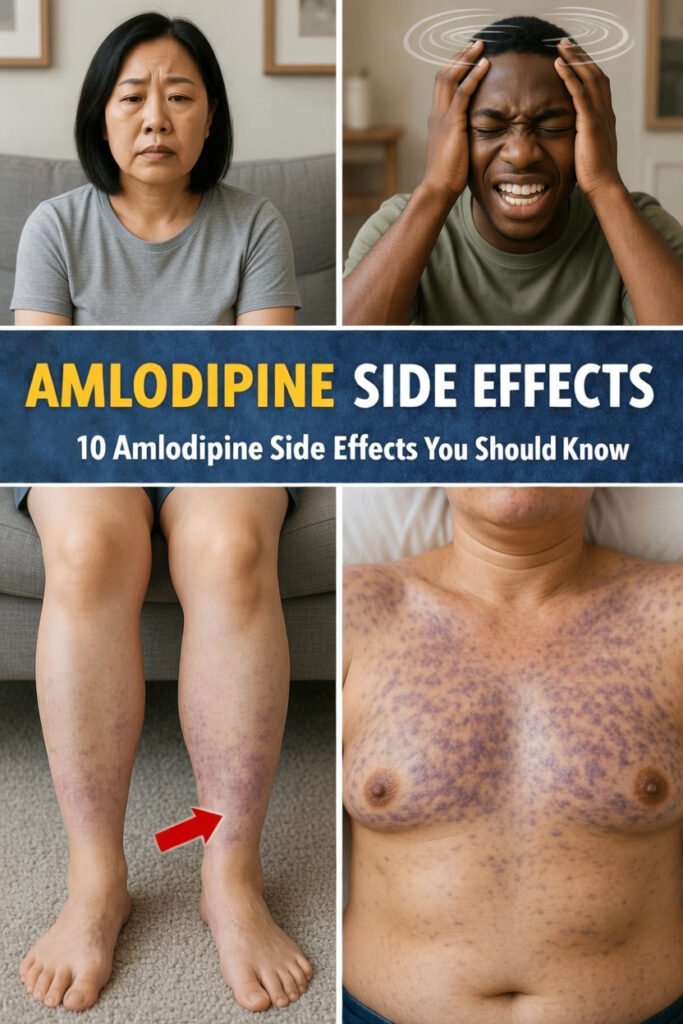
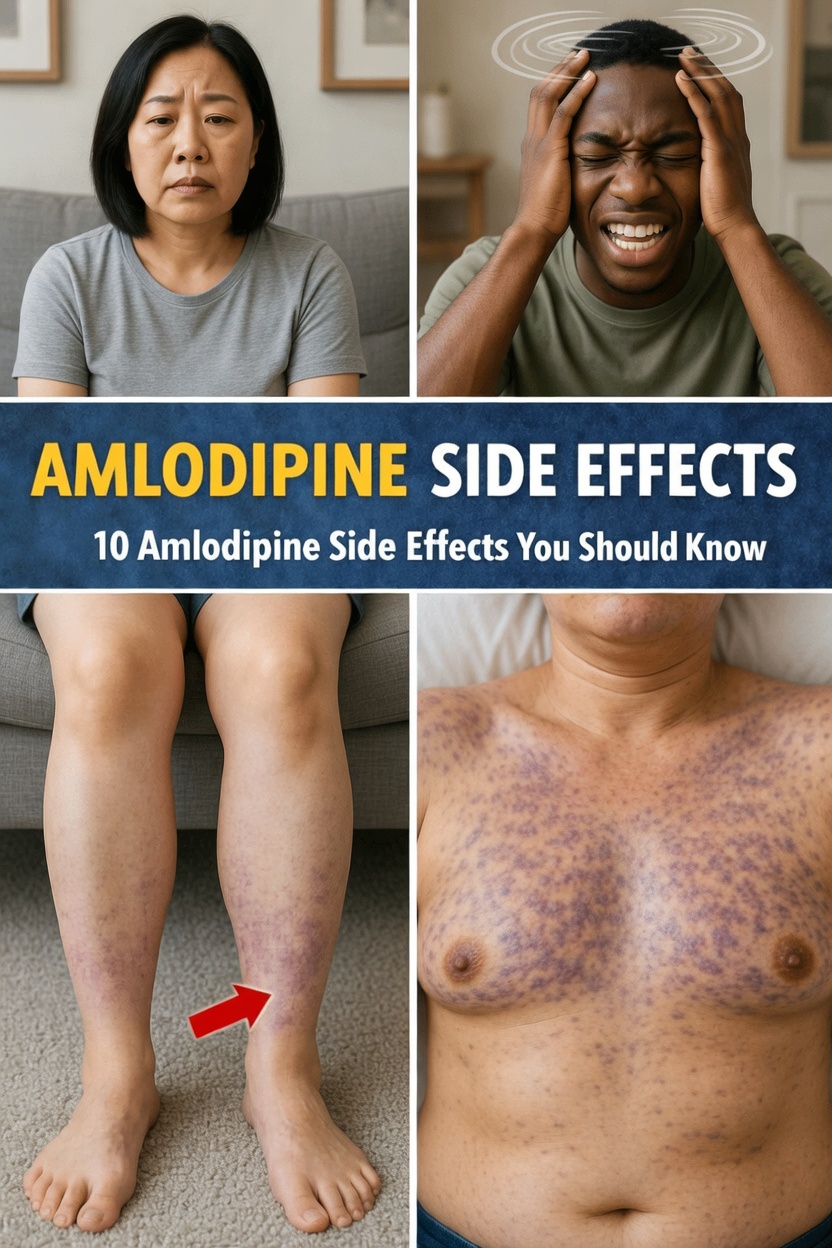
Managing high blood pressure often means starting a medication such as amlodipine, but it is common to notice physical changes soon after treatment begins. Swollen ankles that make shoes feel tight or unexpected headaches can be frustrating and may leave you unsure about what is normal. The reassuring part is that understanding these common side effects can help you feel more prepared, ask better questions, and work more confidently with your healthcare provider. And yes, there is one especially important takeaway at the end that many people do not expect.
Why Amlodipine Can Cause Side Effects
Amlodipine is a calcium channel blocker, a type of medicine widely used to help control blood pressure. It works by relaxing and widening blood vessels, allowing blood to move more easily through the body. Because it changes how blood flows and how fluid is distributed, some people notice temporary or ongoing side effects.
According to trusted medical sources such as the Mayo Clinic, reactions to amlodipine can differ based on factors like:
- Dose strength
- Age
- General health
- Other medical conditions
- How your body responds to treatment
For many people, milder side effects appear during the first few weeks and gradually improve as the body adjusts. Recognizing these early signs can make the experience less stressful and easier to manage.
1. Swelling in the Ankles, Feet, or Lower Legs
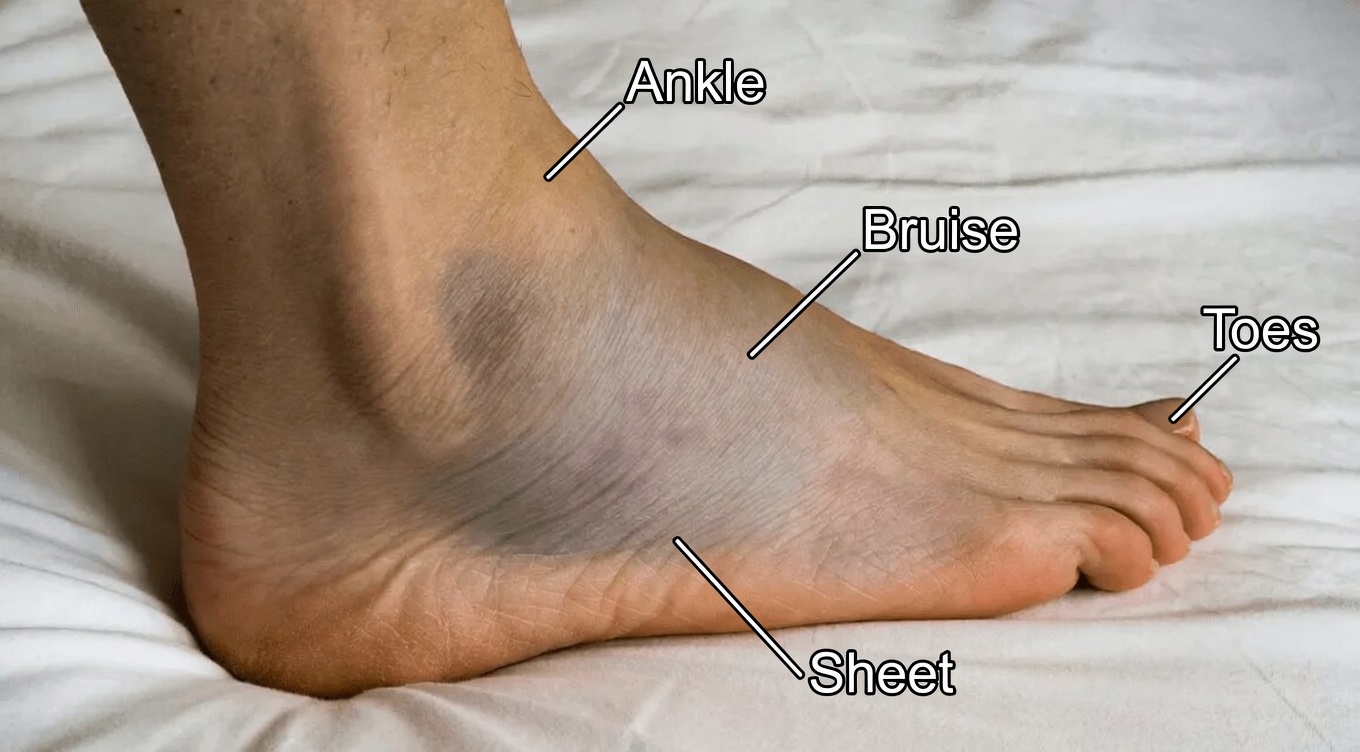
One of the most commonly reported side effects of amlodipine is peripheral edema, or swelling in the lower legs and feet. This happens when fluid collects in the tissues, especially around the ankles.
You may notice:
- Puffy ankles by the end of the day
- Sock marks that seem deeper than usual
- Shoes feeling tighter than normal
Sources including WebMD and the Mayo Clinic note that this effect may occur in 10% or more of people taking the medication. It can become more noticeable in hot weather or after standing for long periods.
In many cases, the swelling starts mildly and becomes more obvious over time if not monitored. Some people find relief by:
- Elevating their legs while sitting or lying down
- Avoiding long periods of standing
- Reporting persistent swelling to their doctor
2. Flushing or a Warm Feeling in the Face and Neck
Amlodipine can also cause flushing, which may feel like sudden warmth or redness in the face, neck, or upper chest. This happens when blood vessels widen quickly.
It may feel similar to:
- A brief hot flash
- Mild facial heat
- Warmth without a fever
Clinical information referenced by Cleveland Clinic suggests this side effect is usually short-lived and may happen more often shortly after taking a dose.
The good news is that flushing often improves after the first couple of weeks. Some people feel more comfortable by:
- Drinking enough water
- Avoiding spicy foods
- Limiting very hot drinks
If the warmth continues or becomes bothersome, it is worth discussing with your healthcare provider.
3. Headaches That Start Suddenly
Headaches are another frequent early side effect of amlodipine. They may range from mild pressure to stronger throbbing pain that affects focus and daily comfort.
Some people describe:
- Pressure around the temples
- A dull ache after taking the medication
- A stronger headache during the adjustment period
The NHS notes that these headaches often improve within one to two weeks as the body gets used to the medicine.
Helpful habits may include:
- Staying hydrated
- Keeping a regular sleep schedule
- Tracking when headaches happen
A simple note about the timing, meals, and activities around each headache can give your doctor useful information.
4. Dizziness or Lightheadedness
Feeling dizzy or slightly faint, especially when standing up quickly, is another known side effect. Because amlodipine lowers blood pressure by relaxing blood vessels, your body may need time to adapt.
This may show up as:
- Brief unsteadiness
- A spinning or floating sensation
- Lightheadedness when getting out of bed or rising from a chair
The Mayo Clinic recommends standing up slowly to reduce this effect.
For many people, dizziness fades as treatment continues. Until then, it helps to:
- Rise slowly from sitting or lying down
- Sit or lie down if you feel unsteady
- Mention repeated episodes at your next appointment
5. Fatigue or Unusual Tiredness
Some users report feeling more tired than usual after starting amlodipine, even if they are sleeping enough. This fatigue may feel like a drop in energy that lasts through the day.
According to WebMD, tiredness is among the more common side effects listed in clinical summaries.
People often describe it as:
- An afternoon energy crash
- Feeling slower than normal
- Ongoing tiredness without a clear reason
Supportive habits may include:
- Light daily exercise
- Balanced meals
- A steady sleep routine
Fatigue can sometimes happen alongside swelling or other symptoms, so keeping track of the full pattern can be helpful.
6. Palpitations or a Fast Heartbeat Sensation
Some people notice that their heartbeat feels stronger, quicker, or more noticeable than usual. These palpitations are often brief and not dangerous, but they can still feel unsettling.
Trusted resources such as MedlinePlus explain that this can be linked to the way amlodipine affects blood flow and circulation.
During an episode, some people find it helpful to:
- Sit down and rest
- Breathe slowly and calmly
- Avoid panicking while the feeling passes
Even if it lasts only a short time, it is still a good idea to let your doctor know.

7. Nausea or Mild Stomach Upset
Amlodipine can sometimes cause digestive discomfort, including:
- Mild nausea
- An unsettled stomach
- Slight upper abdominal discomfort
This may happen soon after taking the tablet. Cleveland Clinic information suggests that some people feel better when they:
- Take the medication with food
- Use it at the same time every day
- Avoid skipping doses
These symptoms are usually temporary and often improve as your body adjusts.
8. Gum Changes or Mouth Sensitivity
Although less common, long-term use of amlodipine has been linked to changes in the gums, including tenderness or slight gum overgrowth. This effect is documented in longer-term medical studies.
You may notice:
- Gums feeling more sensitive when brushing
- Swelling around the gumline
- A different feeling in the mouth over time
To help reduce problems:
- Brush and floss consistently
- Keep up with routine dental checkups
- Tell both your dentist and doctor about any changes
Prompt attention is especially important if you notice bleeding or unusual swelling.
9. Skin Rash, Itching, or Sensitivity
Mild skin reactions can also occur in some cases. These are less common, but they should still be taken seriously.
Possible signs include:
- Itching
- A light rash
- Increased skin sensitivity
The Mayo Clinic includes skin-related reactions among the less frequent side effects of amlodipine.
Until you know how your body is reacting, it may help to:
- Keep skin moisturized
- Avoid trying new soaps or lotions
- Watch for worsening irritation
If a rash spreads, becomes severe, or is paired with other symptoms, seek medical advice promptly.
10. Other Less Common Effects to Be Aware Of
A few additional side effects may appear less often, including:
- Mild weight gain related to fluid retention
- Muscle cramps
- Changes in urination frequency
These are often tied to the body adjusting to blood pressure changes. Even when they seem minor, writing them down can provide useful detail for your healthcare provider.
Daily Habits That May Help You Feel Better While Taking Amlodipine
Simple everyday steps can make the adjustment period easier and help you stay more comfortable while continuing treatment.
- Drink enough water throughout the day to support normal fluid balance.
- Elevate your legs for 15 to 20 minutes if you notice ankle or foot swelling.
- Stand up slowly to reduce dizziness or lightheadedness.
- Take your medicine at the same time each day for a more consistent routine.
- Eat balanced meals to support energy and reduce stomach upset.
- Track your symptoms daily so you can spot patterns and share them with your doctor.
- Maintain good oral hygiene to help protect your gums.
- Avoid known triggers such as spicy foods or very hot drinks if flushing is a problem.
The Most Important Takeaway
The most surprising insight is often this: small side effects become much easier to manage when you talk about them early. Many people find that regular communication with their healthcare provider leads to the smoothest experience overall. In some cases, even a small change in dose or timing can make a noticeable difference.
Knowing the common side effects of amlodipine does not mean you should expect them all. It simply means you are better prepared to recognize what is happening, respond calmly, and stay involved in your care with confidence.