
Unusual Body Odor Changes: What They Can Mean and When to Get Checked
A new or lingering change in body odor can feel confusing—and sometimes alarming—especially when it doesn’t improve after better hygiene, diet tweaks, or simply waiting it out. Many people brush off unusual smells as “nothing,” yet the uncertainty can create ongoing stress.
The reassuring part: medical reports and clinical observations have described several odor patterns that sometimes appear alongside specific health issues. Knowing these reported associations can help you decide—calmly and confidently—when it’s time to speak with a healthcare professional. Below are eight examples patients and clinicians have noted.

Understanding Body Odor Changes and Health
Your sense of smell can pick up subtle changes in the body. Most odor shifts come from everyday causes such as:
- Food and hydration
- Hormonal fluctuations
- Medications and supplements
- Changes in hygiene routines
However, some unexplained odors have been discussed in medical literature in connection with underlying conditions. One reason is that the body releases volatile organic compounds (VOCs) through breath, sweat, urine, and other secretions—sometimes altering how you smell.
These odor changes are rarely the only sign of a problem and are not diagnostic on their own. Still, understanding them can reduce anxiety and encourage timely evaluation when appropriate.

When Unusual Body Odors Deserve Attention
Consider paying closer attention if an odor is:
- New and persistent (lasting weeks or longer)
- Strong or noticeably different from your usual scent
- Not explained by diet, hygiene, or recent lifestyle changes
- Accompanied by other symptoms such as fatigue, unexplained weight change, pain, bleeding, or appetite changes
Some health conditions influence metabolism or how the body processes waste, which can lead to recognizable odor shifts. The goal is not to panic—just to stay observant and bring clear information to a clinician if needed.
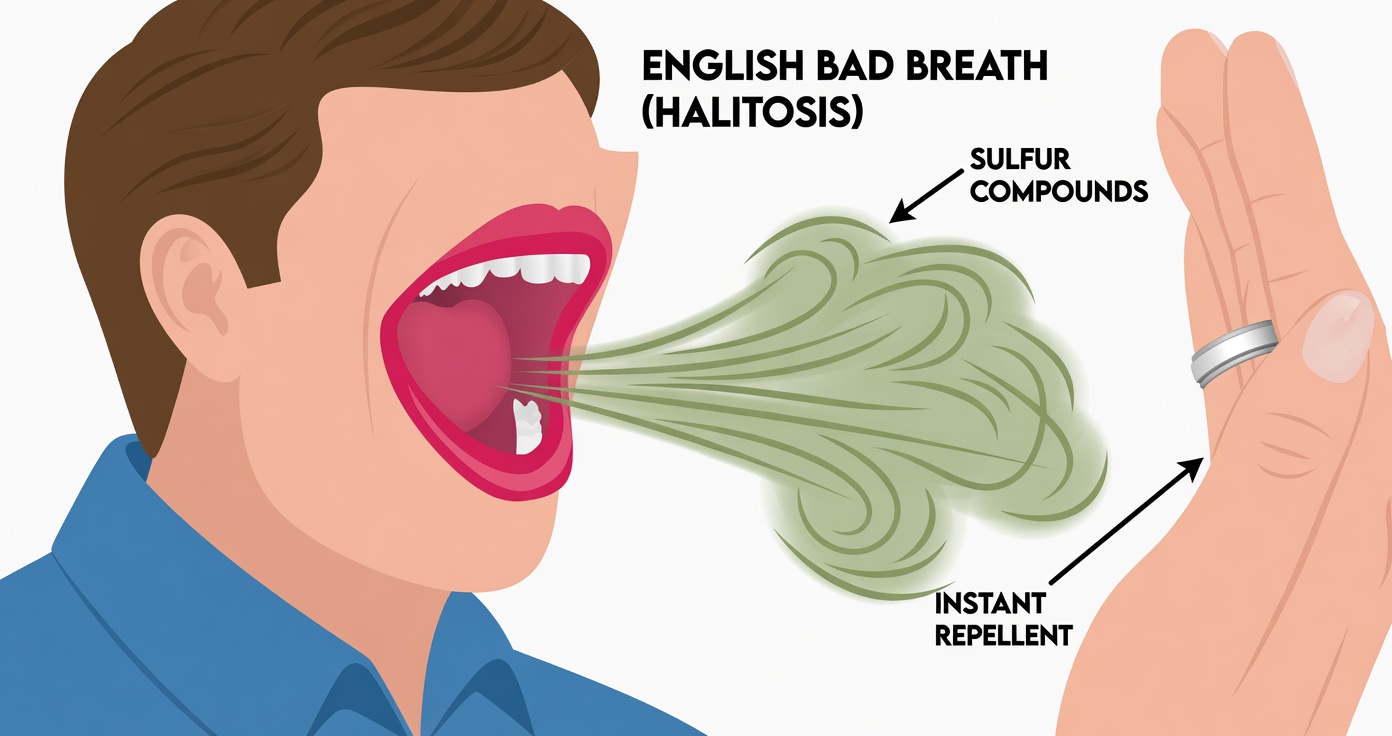
1) Persistent Foul, Rotten, Fishy, or Metallic Breath
Some people notice breath that smells rotten, fishy, or metallic and doesn’t improve with brushing, flossing, mouthwash, or dental care. Clinical reports have noted this kind of breath odor in situations involving the:
- Lungs
- Stomach
- Esophagus
In such cases, certain compounds may be produced internally and then exhaled. If persistent breath odor remains despite good oral hygiene, it’s worth mentioning at a medical visit—especially if you also have cough, reflux, or unexplained weight loss.

2) Sweet or Fruity (Acetone-Like) Breath
A sweet, fruity, or acetone scent on the breath is commonly discussed in metabolic contexts. Changes in how the body uses energy can increase ketones, which may alter breath odor. This pattern has also been described in reports involving advanced illness.
Because this odor type may occur alongside fatigue (and sometimes thirst or changes in urination), a professional assessment can help clarify the cause.
3) Musty, “Mousy,” or Ammonia-Like Sweat
When sweat or skin develops a musty or ammonia quality, it may reflect how the body is handling waste products. Medical observations have linked this type of odor to concerns involving:
- Liver function
- Kidney function
If this scent change shows up along with symptoms such as back pain, swelling, or changes in urination, it’s a good reason to speak with a doctor.

4) Strong Fishy or Chemical (Ammonia-Like) Urine Odor
Urine can change odor for many benign reasons, including dehydration or diet. But when a fishy or chemical/ammonia smell persists and infection has been ruled out, it has been observed in certain bladder- or kidney-related cases.
If unexplained urine odor is accompanied by frequent urination, pain, or blood in the urine, seek medical guidance.
5) Persistent Foul Vaginal Odor That Doesn’t Improve
A strong, unpleasant vaginal odor—sometimes described as fecal-like—that doesn’t resolve with hygiene measures or typical treatments may suggest infection or tissue changes. In uncommon situations, it has been reported alongside cervical or vaginal health concerns.
If the odor comes with bleeding, pelvic pain, discharge changes, or discomfort, prompt evaluation is especially important.

6) Putrid Odor From Non-Healing Sores or Ulcerated Areas
A strong, decaying or gangrenous smell from a wound or ulcerated area can occur when tissue breaks down. Medical discussions have noted this in advanced skin, oral, or breast conditions that involve ulceration.
Any sore that doesn’t heal, enlarges, bleeds easily, or produces a strong odor should be assessed quickly by a healthcare professional.
7) Metallic or “Bloody” Smell in the Nose or Mouth
A recurring metallic smell—sometimes paired with minor bleeding—has been described in some sinus or nasopharyngeal situations. People may also report:
- Nosebleeds
- Mouth sores
- Ear fullness or pressure
If this sensation is persistent or worsening, medical review can help identify the underlying cause.
8) Yeasty or Beer-Like Whole-Body Odor
In rare cases, a fermenting, yeasty, or beer-like smell affecting the whole body has been noted in advanced metabolic disruption, including reports involving:
- Liver conditions
- Pancreatic conditions
This type of odor may appear alongside jaundice (yellowing of skin/eyes) or abdominal discomfort—symptoms that should not be ignored.
Quick Reference: Unusual Odors and Reported Associations
| Odor pattern | Possible health connections (reported) | Other signs that may appear |
|---|---|---|
| Rotten/fishy/metallic breath | Lung, stomach, esophageal issues | Cough, indigestion, weight loss |
| Sweet/acetone breath | Metabolic changes; reported in advanced cases | Fatigue, thirst |
| Musty/mousy or ammonia sweat | Liver or kidney challenges | Back pain, urination changes |
| Fishy/ammonia urine | Bladder or kidney-related cases | Frequent urination, blood in urine |
| Persistent foul vaginal odor | Cervical/vaginal concerns; infection/tissue changes | Bleeding, pelvic pain |
| Putrid odor from wounds | Ulcerated skin/oral/breast issues | Non-healing sores, lumps |
| Metallic/bloody nasal odor | Nasopharyngeal or sinus cases | Nosebleeds, mouth sores |
| Yeasty/beer-like body odor | Advanced liver or pancreatic conditions | Jaundice, abdominal pain |
What to Do If You Notice an Unusual Body Odor
If a smell change is bothering you, these steps can turn worry into practical action:
- Track the pattern: when it started, how long it lasts, and whether it’s constant or intermittent.
- Identify potential triggers: recent diet changes, dehydration, new medications, supplements, or stress.
- Note other symptoms: fatigue, pain, weight changes, bleeding, digestive issues, urination changes.
- Book a medical visit: describe the odor clearly and share your timeline.
- Complete recommended testing: it’s the best way to get clarity and peace of mind.
Summary: Pay Attention Without Panic
Being aware of unusual body odors—and the health issues they’ve been associated with in reports—helps you make informed decisions without unnecessary fear. Most odor changes are harmless, but persistent, unexplained shifts are worth discussing with a professional to ensure nothing important is missed.
Frequently Asked Questions
1) Can a body odor change by itself mean cancer?
Usually not. Unusual odors are rarely a standalone sign and are far more often linked to benign causes. They matter most when they persist and appear alongside other symptoms—when in doubt, consult a clinician.
2) What causes most unusual body odors?
Common reasons include diet, dehydration, hormonal changes, infections, and medications—much more frequently than serious disease.
3) When should I see a doctor for an unexplained odor?
If the odor is new, strong, and lasts for weeks without an obvious cause—especially with fatigue, pain, weight loss, or bleeding—seek medical advice promptly.