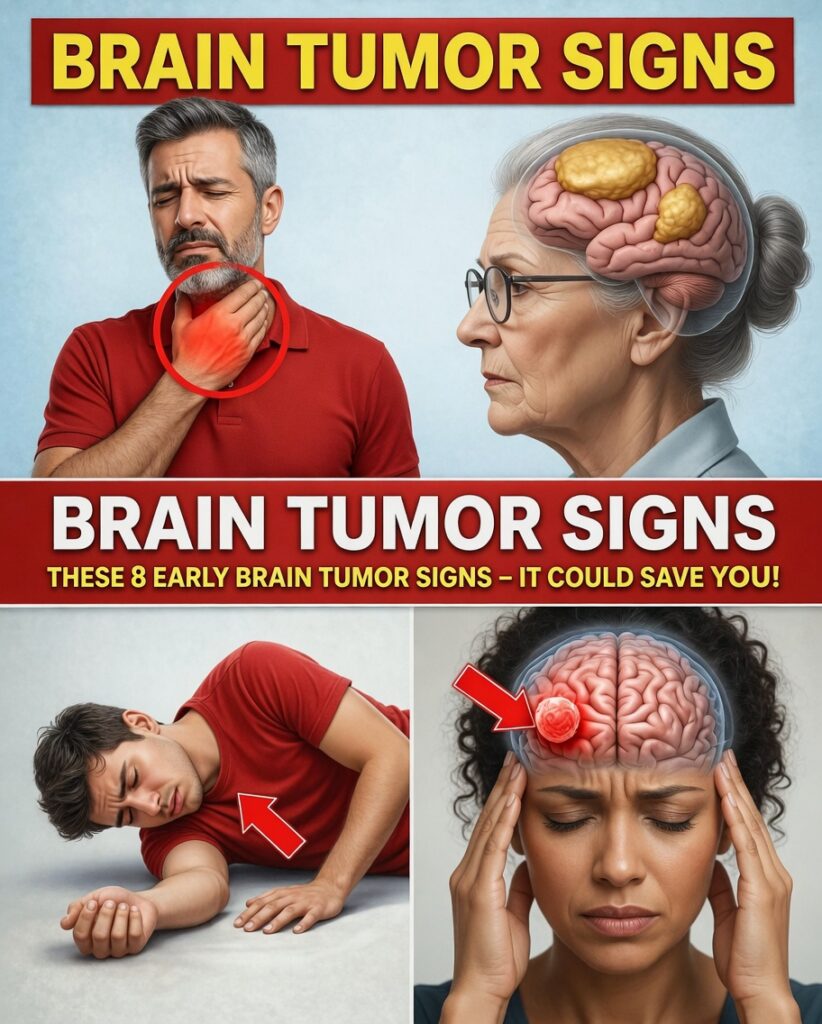
Recognizing Early Brain Tumor Signs: Subtle Symptoms Many People Overlook
Waking up with headaches that don’t improve even after rest can leave you exhausted before your day begins. Misplacing everyday items, struggling to focus, or noticing slight changes in vision can add stress to simple routines. The challenge is that early brain tumor signs often resemble ordinary fatigue, migraines, or burnout—so they’re easy to dismiss.
However, trusted organizations such as the Mayo Clinic and the American Cancer Society emphasize that spotting symptom patterns early can support timelier medical evaluation when needed.
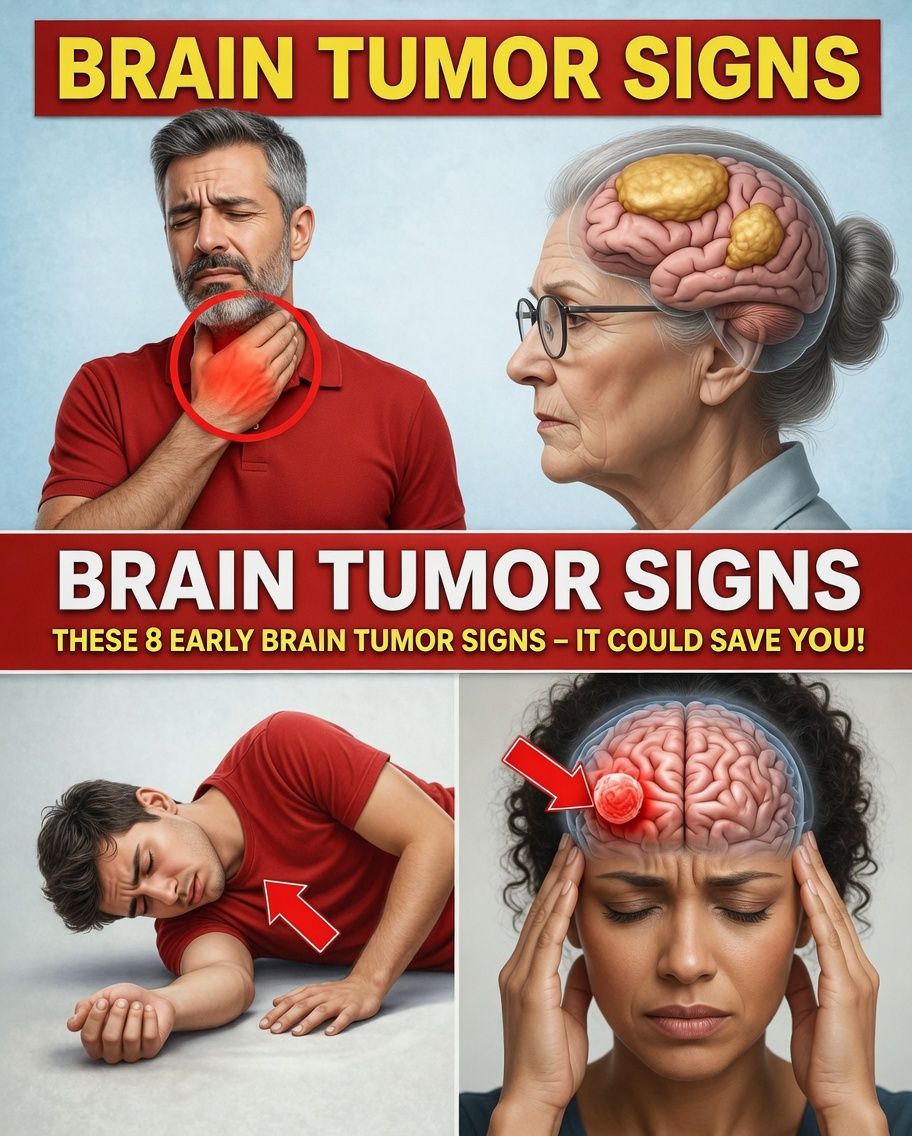
Many people experience mild, gradual changes without realizing they may be meaningful. If you’re wondering which symptoms experts say are most often missed, the sections below break them down clearly.
Why Early Brain Tumor Signs Are Frequently Missed
One reason early brain tumor signs go unnoticed is that they can feel nonspecific and familiar—similar to stress, aging, dehydration, or lack of sleep. As a result, people may delay seeing a clinician, assuming the symptoms will pass.
Symptoms can also vary depending on the tumor’s location and growth rate. Slow-growing tumors may cause subtle changes over time, making them seem manageable or “normal.” It’s often only when multiple symptoms appear together that the pattern becomes harder to ignore.
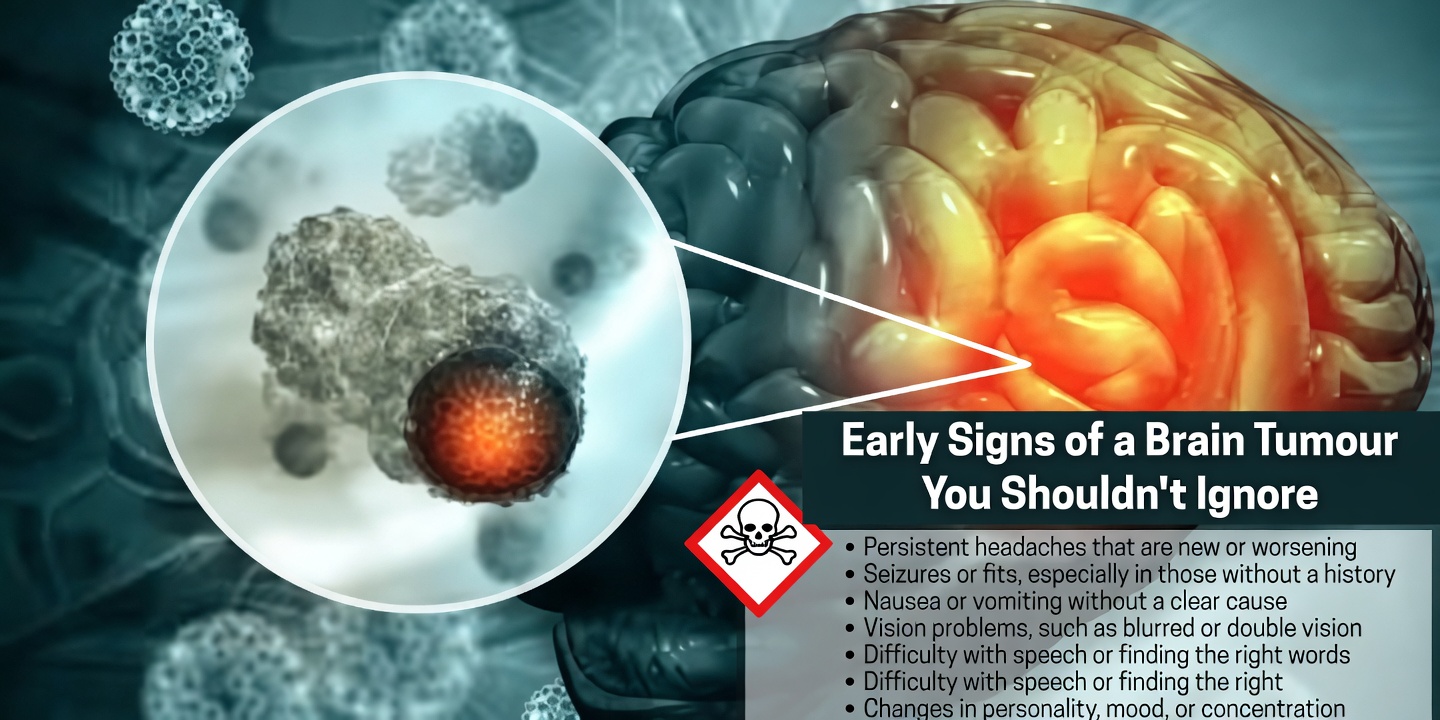
Persistent New or Worsening Headaches
Headaches that become more frequent—especially those that are worse in the morning or triggered by changing positions—can interrupt your day and push you toward pain relievers that don’t fully work. Many people initially blame tension, screen time, or dehydration.
Clinicians note that headache-related early brain tumor signs may feel different from your usual pattern: they can become more persistent or gradually intensify. While most headaches are not caused by a brain tumor, a new or changing headache pattern is worth tracking and discussing with a healthcare professional.
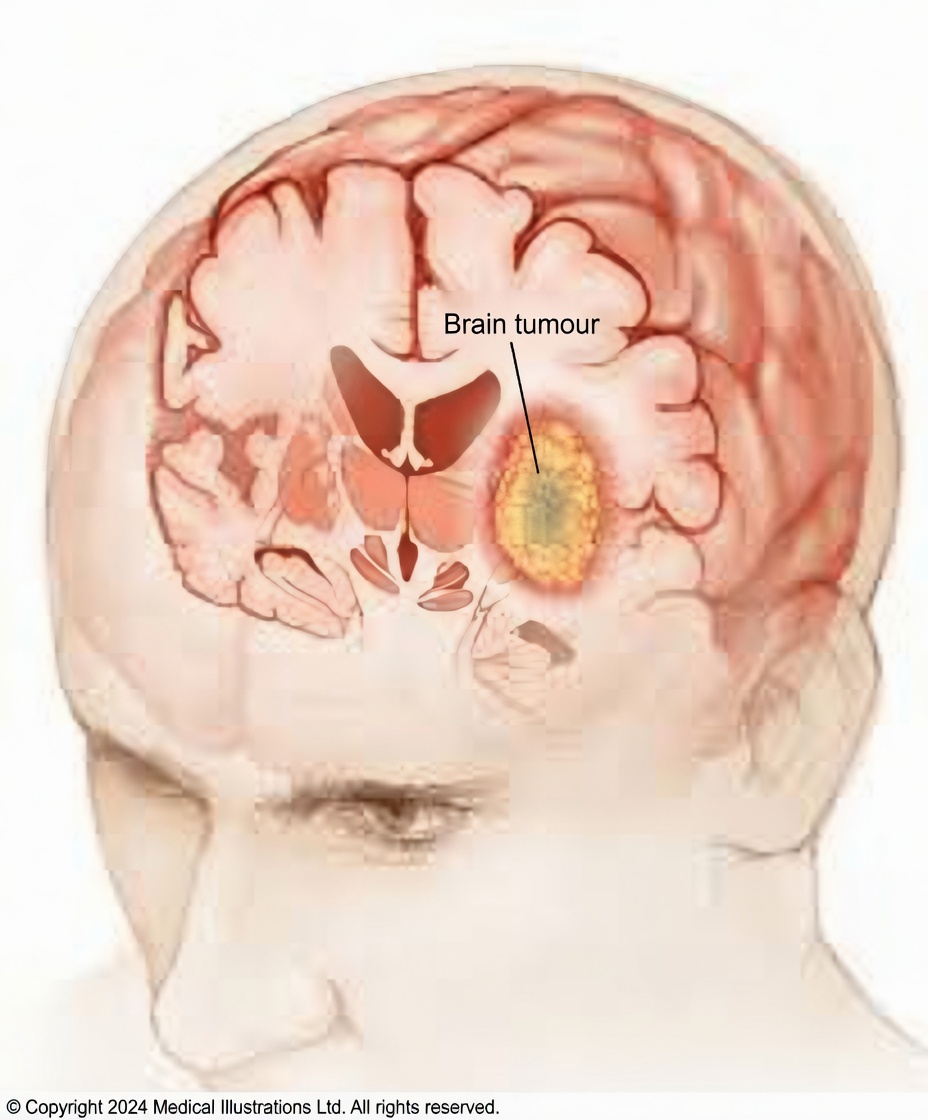
Unexplained Nausea or Vomiting
Feeling nauseated without an obvious cause—especially in the morning—can reduce appetite and make daily life uncomfortable. It’s easy to assume food sensitivity, stress, or a minor illness.
In some cases, nausea and vomiting may be linked to increased intracranial pressure, making it one of the more easily overlooked early brain tumor signs. It may occur alongside headaches and may not match typical gastrointestinal triggers.
Subtle Memory or Concentration Problems
Forgetting recent details, losing your train of thought mid-conversation, or feeling mentally “foggy” can affect confidence at work and in relationships. Many people attribute this to multitasking, poor sleep, or getting older.
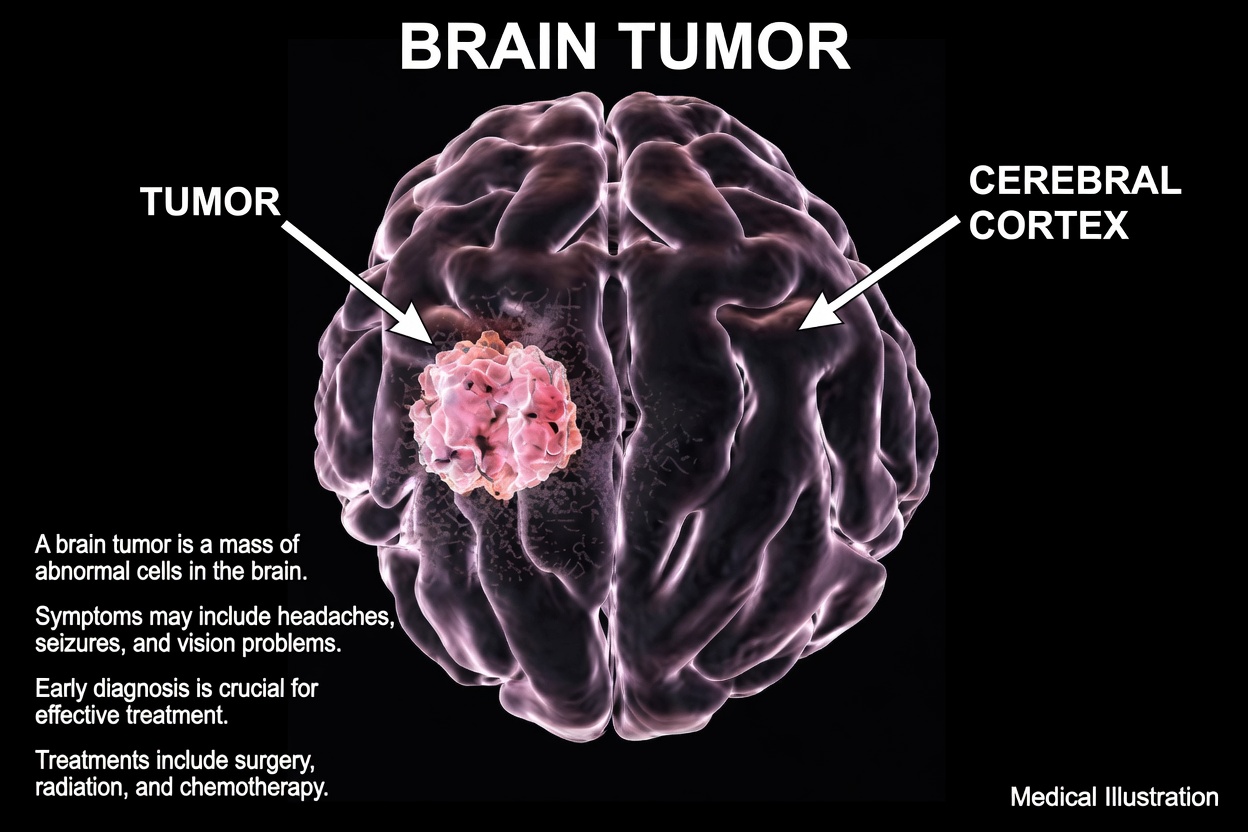
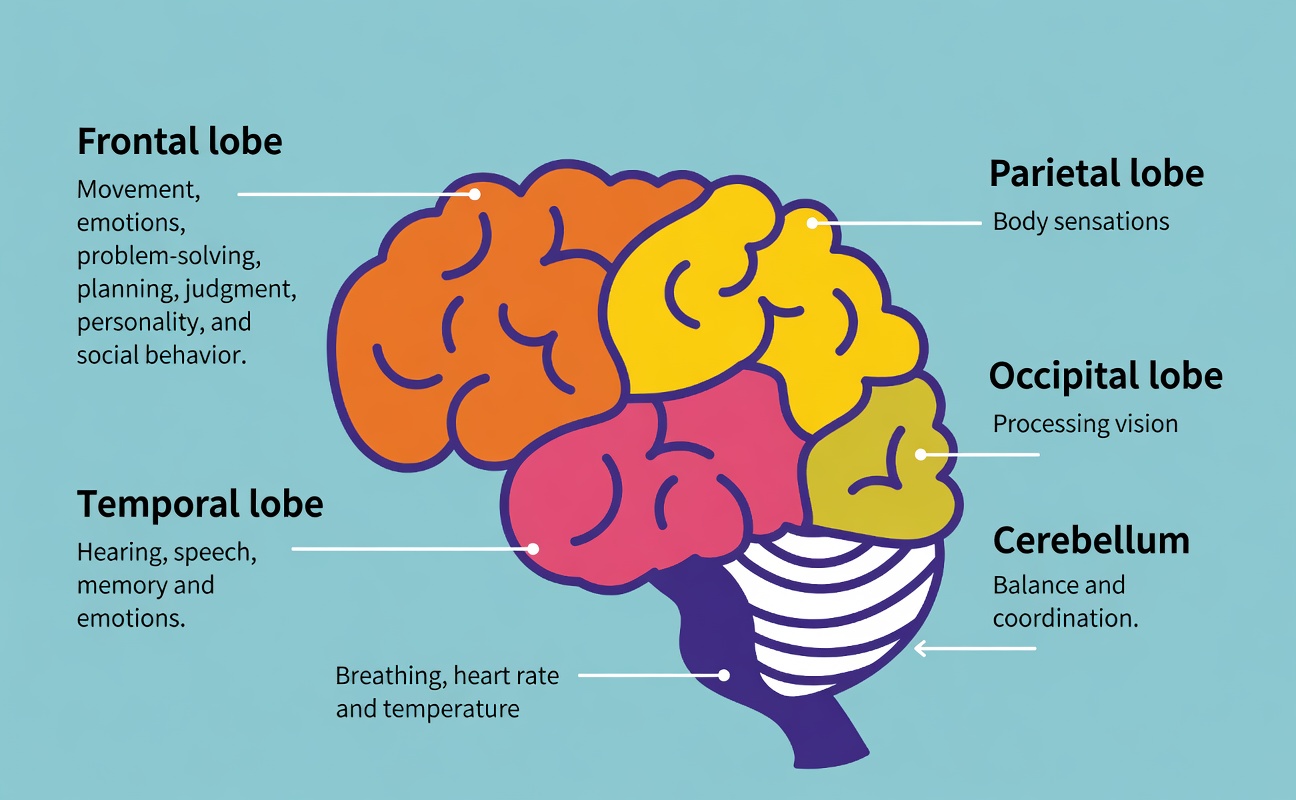
These early brain tumor signs may appear when regions involved in memory or attention are affected. Because the onset can be gradual, some people adjust over time and don’t immediately recognize the change as unusual.
Unexpected Changes in Mood or Personality
Becoming unusually irritable, withdrawn, anxious, or emotionally flat can strain relationships and create confusion about what’s going on. Often, loved ones notice behavioral shifts first.
When the frontal lobe is involved, behavior and personality changes may occur as part of early brain tumor signs. What makes this symptom important is persistence and a sense that the change is out of character.
Gradual Vision Changes
Blurred vision, double vision, or reduced side (peripheral) vision can make everyday activities like reading and driving feel difficult or unsafe. Many people assume they simply need a new prescription for glasses.
Vision-related early brain tumor signs may develop when pressure affects visual pathways. If vision changes occur along with other symptoms—such as headaches, nausea, or balance problems—medical review becomes more important.
Weakness, Numbness, or Balance Difficulties
Feeling off-balance, unusually clumsy, or noticing weakness or numbness—particularly on one side—can limit activity and raise concerns about falling. At first, it may seem like poor posture, fatigue, or a minor injury.
These focal early brain tumor signs can develop gradually when areas controlling movement or sensation are affected. A key clue is persistence and symptoms that are more noticeable on one side.
New Seizures or Unusual Sensations
Episodes such as staring spells, sudden odd tastes or smells, brief muscle jerks, or more obvious convulsions can feel frightening and disruptive. Any new seizure in adulthood requires prompt medical evaluation.
Seizures are reported in a significant portion of cases and can be among the most serious early brain tumor signs—even when they seem mild.

The Most Important Clue: Several Symptoms Occurring Together
The biggest warning sign is often not one symptom alone, but a cluster of changes that develop or worsen over weeks or months—such as headaches plus nausea, cognitive changes, and vision problems.
A single symptom often has a harmless explanation. But when symptoms progress, become more frequent, or appear together, the overall pattern becomes more concerning.
Common Causes vs. More Concerning Patterns (Quick Guide)
-
Headaches
- Common benign cause: stress, dehydration
- More concerning pattern: new, worsening, morning-predominant
-
Nausea/Vomiting
- Common benign cause: food issues, viral illness
- More concerning pattern: morning nausea, with headaches, no GI trigger
-
Memory/Confusion
- Common benign cause: fatigue, multitasking
- More concerning pattern: progressive, interferes with daily tasks
-
Mood/Personality Changes
- Common benign cause: life stress
- More concerning pattern: marked shift noticed by others
-
Vision Changes
- Common benign cause: eye strain
- More concerning pattern: blurry vision, double vision, peripheral field loss
-
Balance/Weakness
- Common benign cause: fatigue, minor injury
- More concerning pattern: one-sided weakness or gradual imbalance
-
Seizures
- Common benign cause: none typical
- More concerning pattern: any new onset in adulthood
-
Multiple Symptoms
- Common benign cause: coincidence
- More concerning pattern: several symptoms appearing together or worsening
Practical Steps If You Notice Early Brain Tumor Signs
If you’re seeing a pattern, focus on clear, actionable next steps:
- Track symptoms in a journal: timing, frequency, severity, and possible triggers
- Talk with family or close friends: they may notice changes you miss
- Book a medical appointment: share the full set of symptoms, not just one
- Ask about further evaluation if appropriate: imaging may be recommended based on clinical judgment
- Seek urgent care immediately for seizures or sudden, severe changes
Early medical conversations can provide reassurance—or help you get timely guidance.
Prioritize Your Health
Knowing the possible early brain tumor signs helps you respond with clarity instead of silent worry. In most cases, symptoms like headaches or nausea are caused by everyday issues—but patterns, persistence, and progression matter.
If something feels new, worsening, or out of character, speak with a healthcare professional.
Frequently Asked Questions
-
How common are brain tumors compared to these symptoms?
Brain tumors are relatively rare, while symptoms like headaches and nausea are extremely common and often benign. The key is whether symptoms persist, change, or cluster. -
What should I do if I have one possible early brain tumor sign?
Monitor for progression and additional symptoms, and contact a clinician—especially if the symptom is new, worsening, or interfering with daily life. -
Can lifestyle factors cause similar early brain tumor signs?
Yes. Stress, poor sleep, dehydration, and burnout can mimic many of these symptoms. A medical assessment is the best way to clarify the cause.
Disclaimer: This article is for informational purposes only and does not replace professional medical advice. Always consult a qualified healthcare provider for personalized guidance about symptoms or health concerns.