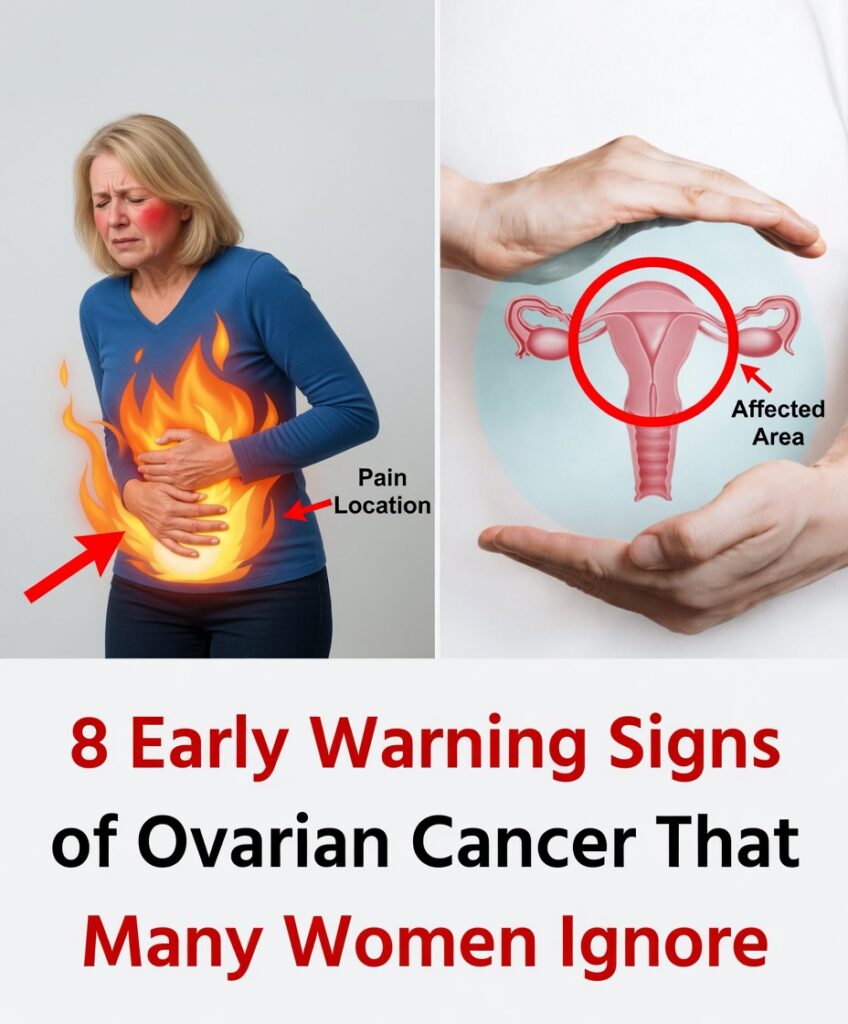
Ovarian cancer can develop quietly. In the early stages, the symptoms may feel so ordinary—digestive upset, stress, hormonal changes—that many women dismiss them as “normal.” Unfortunately, ignoring these early warning signs of ovarian cancer can delay diagnosis, reducing the chance to act sooner when treatment outcomes are often better.
Ongoing discomfort with no clear explanation can also be emotionally draining, leaving people feeling uncertain or brushed off. Learning to recognize common early warning signs of ovarian cancer can support timely conversations with a clinician—especially since one symptom is reported more often than the rest.
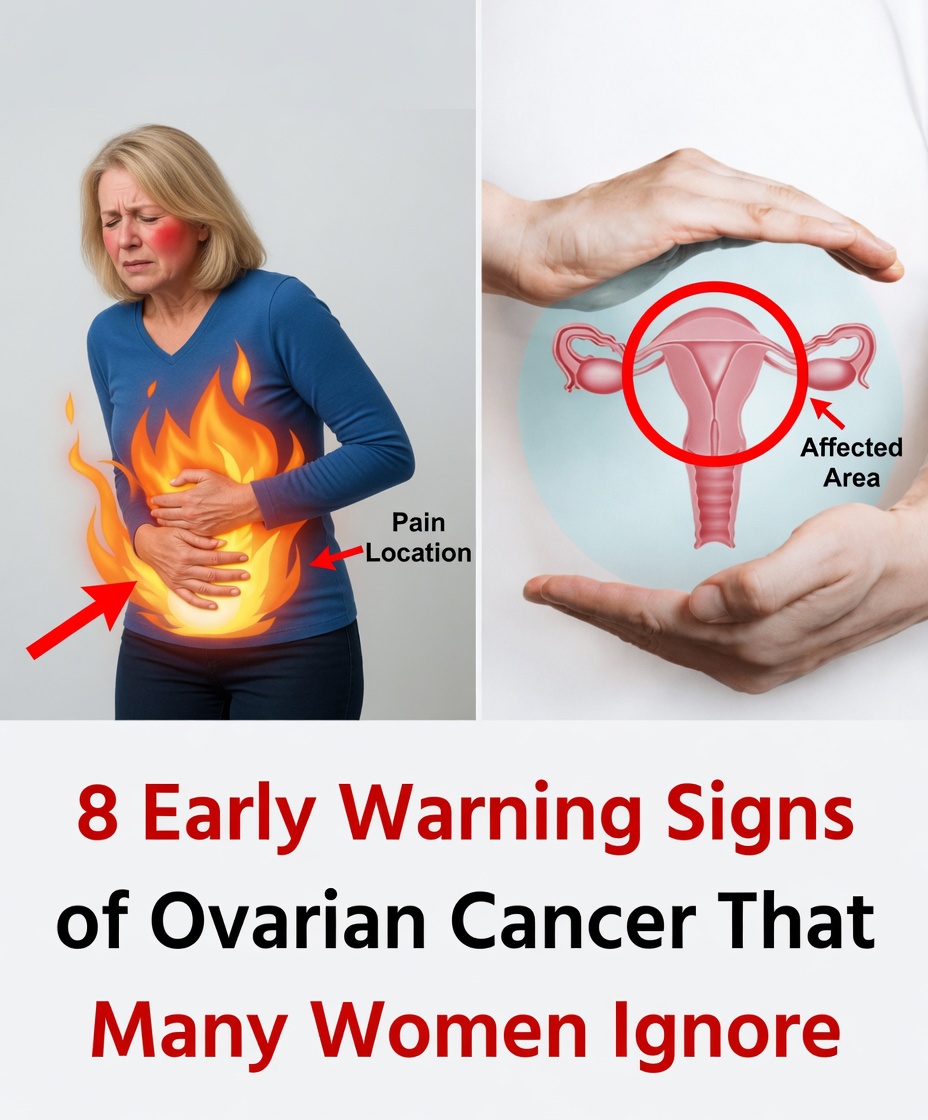
Why Recognizing Early Warning Signs of Ovarian Cancer Is Important
Many early warning signs of ovarian cancer are subtle and nonspecific. They can look like typical life issues such as aging, a busy schedule, menopause, or common gastrointestinal conditions. This is one reason ovarian cancer is sometimes described as a “silent” disease: symptoms may not feel urgent until they become persistent or more intense.
Health organizations and major medical references consistently emphasize a practical rule: when symptoms are new, frequent, and don’t resolve, they deserve medical attention. Awareness is not about panic—it’s about noticing patterns and acting early when something feels off.
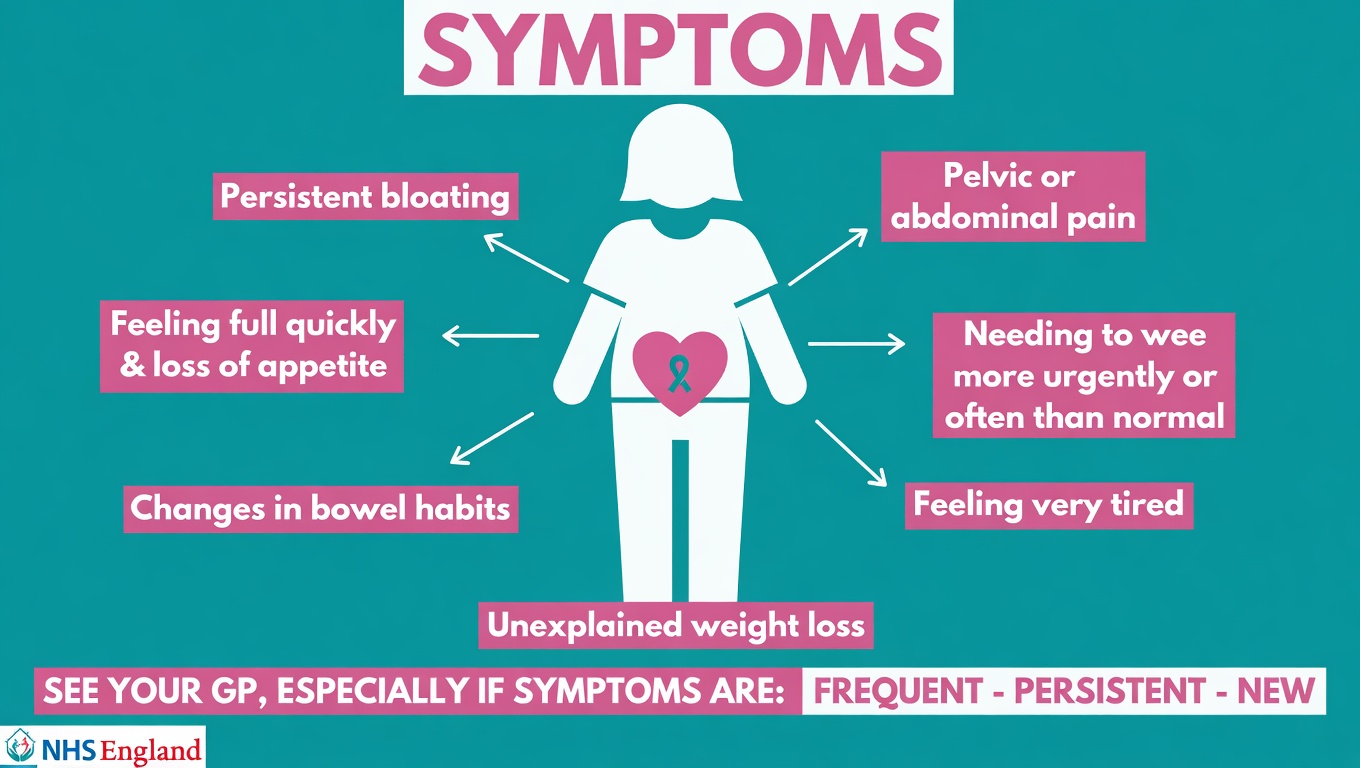
8 Early Warning Signs of Ovarian Cancer Many Women Overlook
Below are eight commonly cited early warning signs of ovarian cancer, aligned with guidance often referenced by sources such as the American Cancer Society and Mayo Clinic. If any of these symptoms are new for you and continue for more than a few weeks, consider discussing them with a healthcare provider.

1. Ongoing Bloating or a Swollen Abdomen (Most Commonly Reported)
Frequent bloating—especially when it doesn’t improve—can be easy to blame on food choices, PMS, or digestion. However, persistent bloating or abdominal enlargement is one of the most commonly reported early warning signs of ovarian cancer.
When it lingers, it can become more than a nuisance, affecting comfort, clothing fit, and daily confidence.
2. Pelvic Pain or Lower Abdominal Pressure
A dull ache, heaviness, or pressure in the pelvis or lower belly that persists is often written off as cramps, gas, or routine discomfort. Yet persistent pelvic or abdominal pain is a recurring early warning sign of ovarian cancer.
This kind of ongoing pain can slowly wear down energy and focus, making everyday tasks feel harder than they should.
3. Feeling Full Quickly or Loss of Appetite
If you suddenly feel satisfied after a few bites—or eating becomes difficult or unappealing—stress may seem like the obvious cause. Still, early satiety (feeling full quickly) and decreased appetite can be early warning signs of ovarian cancer, particularly when they are new and persistent.
Over time, this change may impact nutrition, strength, and overall well-being.

4. Frequent Urination or Sudden Urgency
Needing to urinate more often, or feeling an urgent need to go without increased fluid intake, can resemble urinary tract issues or normal aging. But changes in urinary frequency or urgency may also appear as early warning signs of ovarian cancer.
These symptoms can interfere with sleep and routines, often creating frustration long before anyone suspects a deeper cause.
5. Unexplained, Persistent Fatigue
Life is tiring, and many people assume exhaustion is simply stress or poor sleep. However, fatigue that doesn’t improve with rest can be an early warning sign of ovarian cancer—especially when it appears alongside other symptoms.
That constant low energy can make work, exercise, and even enjoyable activities feel overwhelming.
6. Lower Back Pain That Doesn’t Resolve
Back pain is common and usually related to posture, strain, or activity. Still, ongoing lower back discomfort can sometimes show up among early warning signs of ovarian cancer and may be overlooked until it worsens.
If it becomes persistent and doesn’t match your typical patterns, it’s worth noting.

7. Changes in Bowel Habits (Including Constipation)
Digestive shifts—constipation, changes in stool patterns, or a general sense that digestion is “off”—are often linked to diet or hydration. But when these issues persist, bowel habit changes may be an early warning sign of ovarian cancer.
Many people try self-treatment first, which can unintentionally delay a more thorough evaluation.
8. Unusual Vaginal Bleeding or Discharge
Unexpected bleeding, particularly after menopause, or unusual discharge can be alarming—but some women still hesitate to bring it up. Any abnormal vaginal bleeding or discharge should be discussed with a healthcare professional, as it can be a meaningful warning sign that warrants assessment.

When to See a Doctor About Possible Early Warning Signs of Ovarian Cancer
Consider booking a medical appointment if symptoms are:
- Present for more than 2–3 weeks
- New or unusual for you
- Occurring together (multiple symptoms at once)
- Not explained by typical causes (diet changes, infection, menstrual cycle patterns)
- Accompanied by family history of ovarian or breast cancer
- Happening in post-menopausal years
A practical step is to track symptoms for a couple of weeks—note when they occur, how often, and how severe they feel. This makes conversations with a healthcare provider clearer and can guide decisions about next steps such as pelvic exams, blood tests, or imaging like ultrasound.
Final Thoughts: Paying Attention Without Panicking
Early warning signs of ovarian cancer are often easy to miss because they resemble everyday problems. Awareness isn’t about constant worry—it’s about respecting persistent changes in your body and seeking professional input when symptoms don’t go away.
Staying informed about early warning signs of ovarian cancer supports proactive, timely care.
Frequently Asked Questions About Ovarian Cancer Symptoms
Why are early ovarian cancer symptoms difficult to identify?
Because many early warning signs of ovarian cancer overlap with common conditions such as IBS, hormonal shifts, menopause, stress, or typical digestive changes—so they’re often dismissed unless they persist.
Are these symptoms common in people without cancer?
Yes. Many of these symptoms can come from benign causes. The key concern is persistence, frequency, and being new or worsening, which is why medical experts recommend evaluation when symptoms don’t resolve.
Can lifestyle changes prevent ovarian cancer?
There is no guaranteed prevention strategy. However, maintaining a healthy weight, eating nutrient-dense foods, and attending regular health checkups can support overall wellness and may help with early detection of health concerns.
Medical disclaimer: This article is for informational purposes only and does not replace professional medical advice, diagnosis, or treatment. Always consult a qualified healthcare provider about symptoms or health concerns.