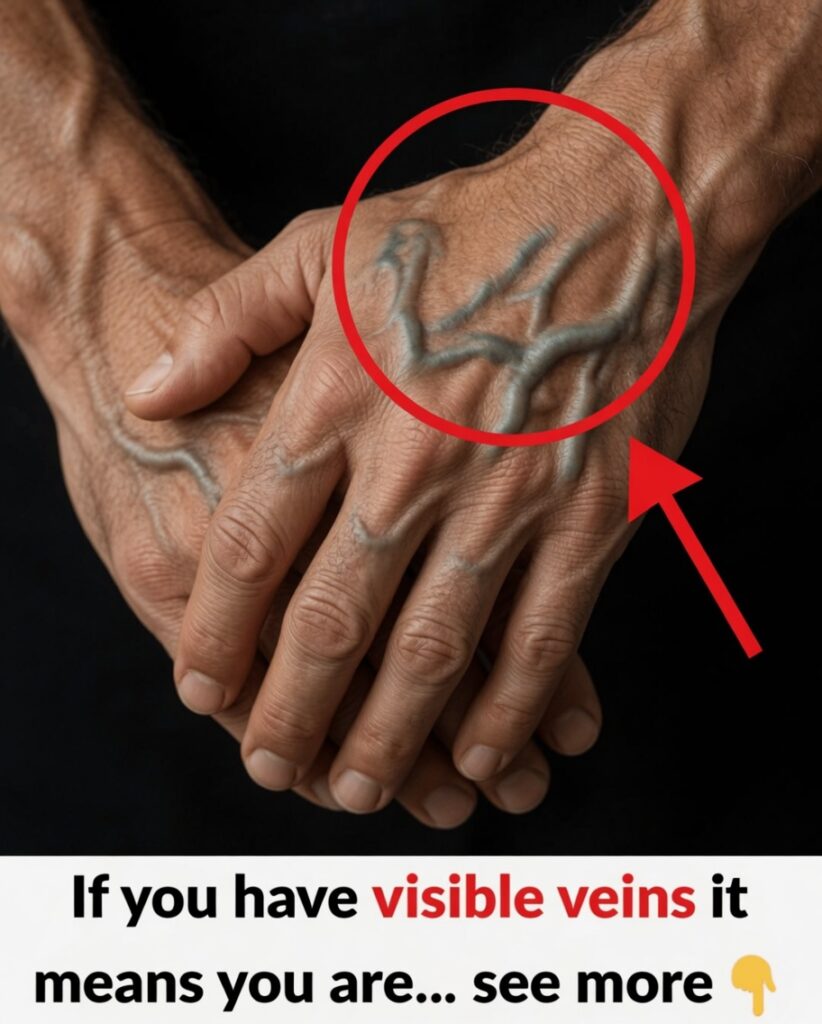
Noticing more visible veins can be unsettling—whether it’s blue lines on your arms during a workout or prominent veins on your hands that make you feel older than you are. It’s common to wonder if this sudden “vascular” look signals better fitness, dehydration, or a more serious circulation issue—especially if it affects your confidence in short sleeves or social situations. The good news: in most cases, visible veins have straightforward explanations, including one cause that surprises many people.
The Fitness Link: Low Body Fat and a More “Vascular” Look
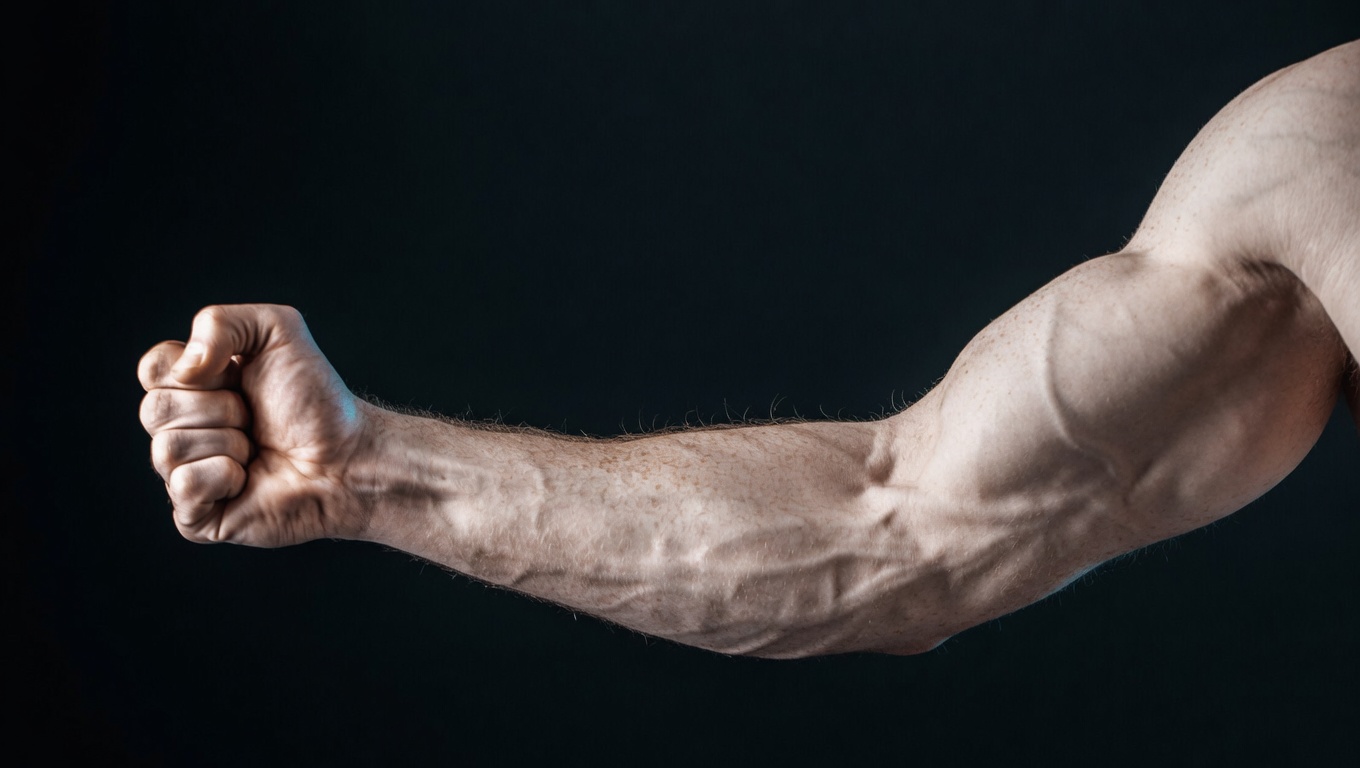
For many active people, visible veins are closely tied to lower body fat, especially around the arms, abs, and legs. When there’s less subcutaneous fat under the skin, veins sit closer to the surface and appear more defined—an effect many athletes associate with progress.
This can feel like a rewarding sign of consistent training and disciplined nutrition. Fitness professionals often note that vascularity becomes more noticeable when body fat drops below certain ranges—commonly under ~15% for men and under ~20% for women (though this varies).
What many don’t expect: visible veins don’t automatically mean elite fitness. Genetics and short-term triggers can create the same effect even without major changes in body composition.
Short-Term Triggers That Make Veins Stand Out
Veins can look more prominent for temporary, everyday reasons. Common triggers include:
- Exercise: Increased blood flow plus the muscle “pump” during training can push veins outward, making them look larger and more defined.
- Heat: Warm weather dilates blood vessels as the body cools itself, which can increase vein visibility.
- Stress: Stress responses can shift circulation patterns and sometimes make veins look more noticeable.
- Dehydration: Some people notice more visible veins when dehydrated, possibly due to changes in blood volume and pressure—although the effect can vary between individuals.
These changes can be frustrating when veins pop out on hot days or during intense sessions—especially if you feel strong but still self-conscious about how your arms, hands, or legs look.
Aging and Thinner Skin: A Common, Natural Change
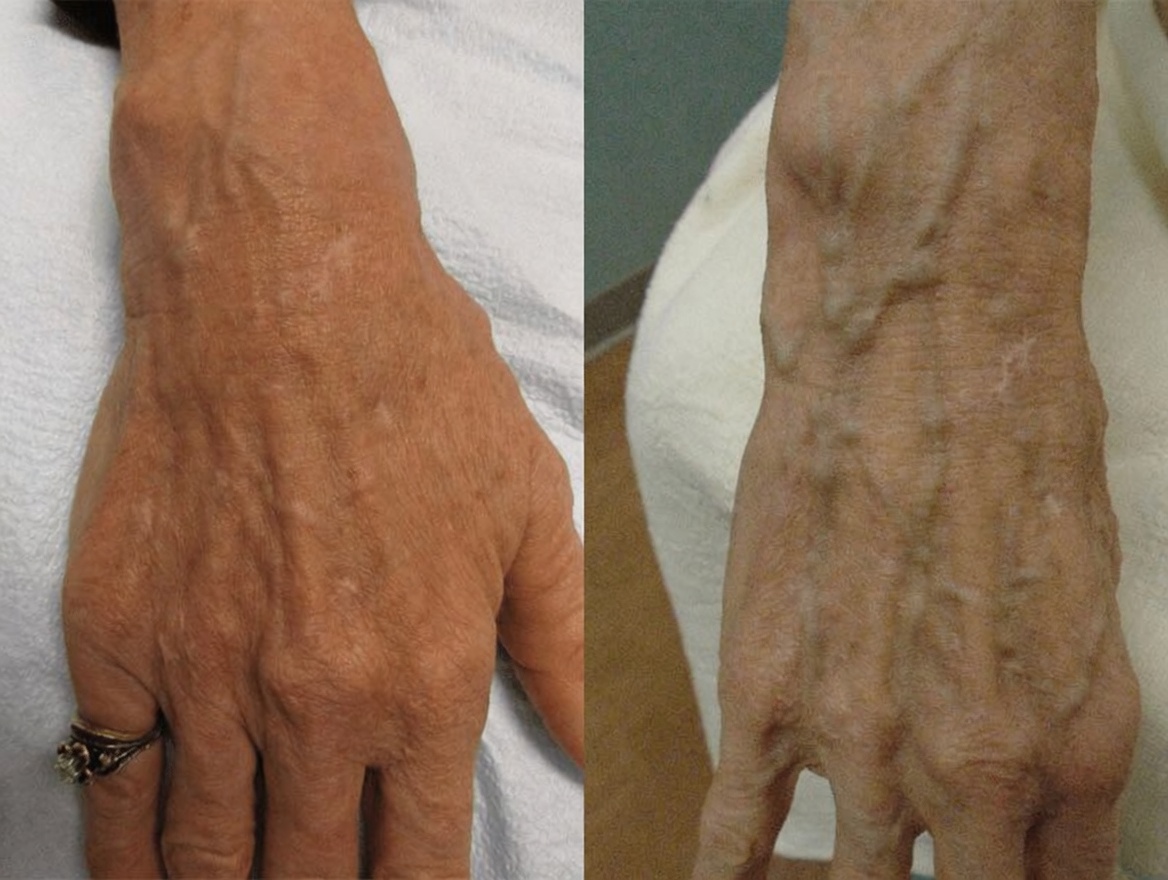
Over time, the skin naturally loses collagen and elasticity, and it may become thinner—particularly on the hands and forearms. As the “buffer” between your veins and the surface decreases, veins tend to show more clearly.
Many people interpret this as a sign of premature aging, especially when hand veins become more noticeable. In most cases, however, age-related visible veins are harmless and are simply part of normal skin changes.
Genetics and skin tone matter here too. People with fair or thinner skin often see bluish veins more easily at any age, even without major fitness or health changes.
When Visible Veins May Indicate a Problem
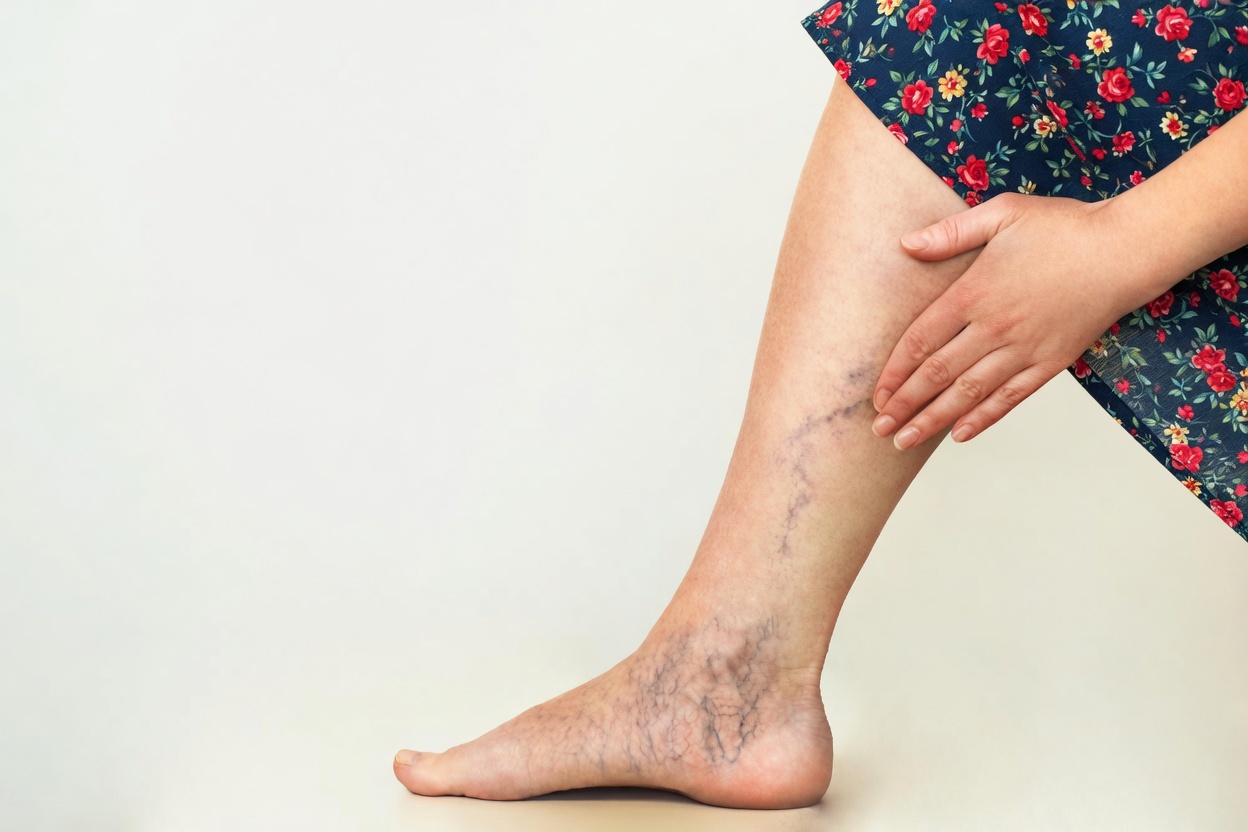
Most visible veins are benign. However, bulging, twisted, painful, or rope-like veins—especially in the legs—can point to varicose veins or other venous circulation issues. These often occur when valves inside veins weaken, allowing blood to pool.
Watch for symptoms such as:
- Aching, heaviness, or swelling in the legs
- Itching or skin changes near the veins
- Pain that worsens after long periods of standing or sitting
When these signs affect daily comfort, it’s reasonable to worry. The earlier you address vein problems, the easier they are to manage.
How Exercise and Lifestyle Shape Vein Visibility
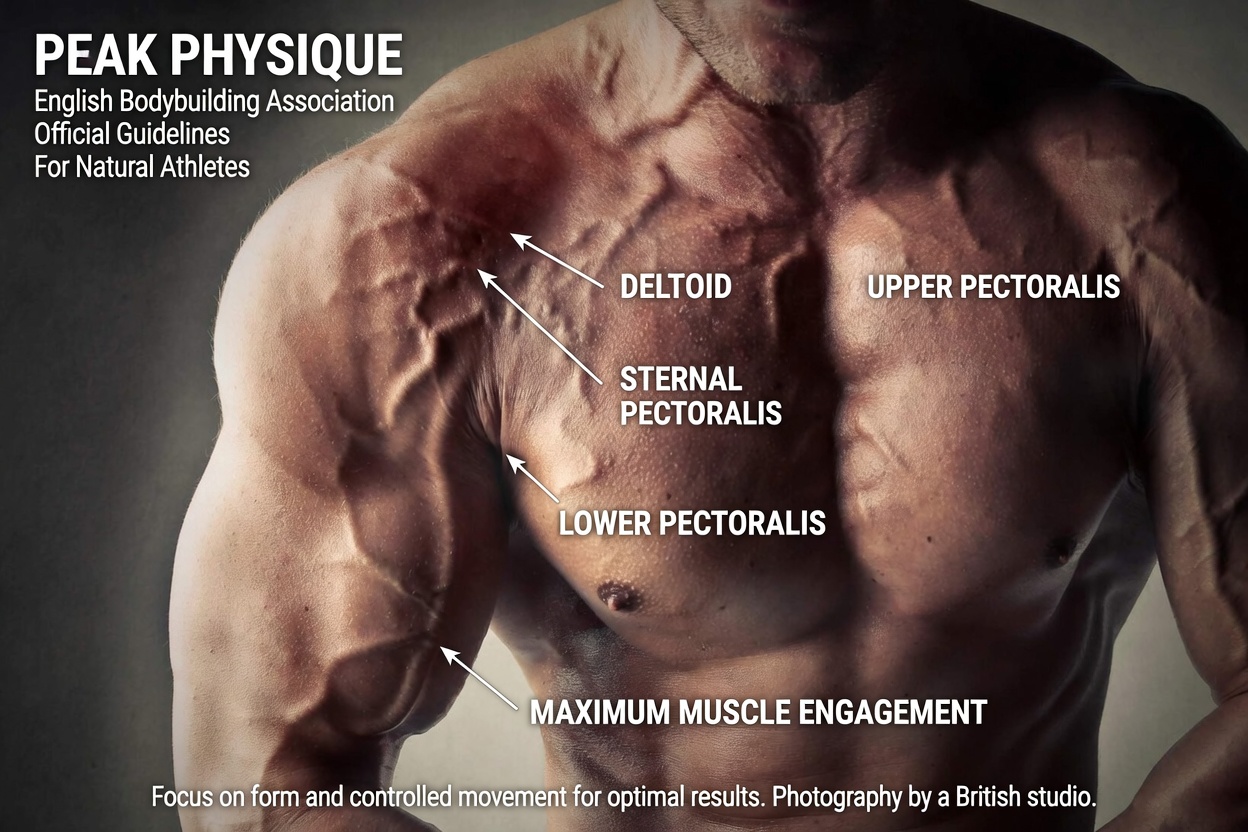
Your routine can influence how noticeable veins look. Strength training and cardio may increase vascularity by improving circulation and building muscle. The temporary “pump” effect during training can make veins appear especially prominent, which some people find motivating.
Emotionally, though, visible veins can mean different things. Some view them as a fitness milestone, while others prefer a smoother appearance. Understanding that visible veins are often neutral—not “good” or “bad”—can reduce unnecessary anxiety.
Practical Options: Reduce Prominence or Embrace It
Depending on your goals and comfort level, simple habits may help you manage visible veins.
If you’d like veins to appear less prominent, consider:
- Hydration: Drink enough water to support healthy blood volume.
- Sun protection: Use sunscreen to help preserve skin elasticity over time.
- Compression wear: Compression sleeves or stockings can help during long periods of standing.
- Moderate movement: Regular activity supports circulation and can reduce discomfort from prolonged sitting.
If your goal is more vascularity for fitness aesthetics, focus on consistent training, recovery, and nutrition. For many people, the easiest path is acceptance—once they realize visible veins are usually not a warning sign.
When to See a Healthcare Professional
Consider scheduling a medical check if your visible veins come with:
- Pain, swelling, or skin changes
- A sudden or dramatic change in appearance
- Symptoms that worsen with standing or improve only when elevating the legs
A healthcare provider can evaluate circulation, rule out underlying problems, and offer treatment options if needed.
Visible veins are most often explained by low body fat, exercise effects, heat, genetics, or natural aging. Occasionally, they deserve closer attention—especially when accompanied by discomfort. Knowing the most likely causes helps you worry less, care for your body more confidently, and decide whether you want to highlight your vascular look or minimize it.
Frequently Asked Questions
-
Do visible veins always mean low body fat?
No. Body fat can play a role, but genetics, skin tone, temperature, and exercise can also make veins look more visible—even in people who aren’t especially lean. -
Can visible veins on the hands be reversed?
If they’re mainly due to aging and thinner skin, reversal is difficult. However, moisturizing and sun protection can support skin health and may reduce how noticeable veins appear over time. -
Are bulging leg veins dangerous?
They can be a sign of varicose veins, which are common and treatable. If you have pain, swelling, itching, or skin changes, it’s best to consult a doctor.