Dealing with a fishy vaginal smell can feel awkward and isolating. Many women become self-conscious, avoid certain clothing, and feel tense about intimacy or even normal daily routines—often worrying it must be a hygiene issue. In reality, this type of odor is usually linked to common, fixable changes in vaginal balance, not a personal failure.

The good news: once you understand what typically causes a fishy vaginal odor, you can take simple steps to reduce it and protect your confidence. By the end, you’ll also learn one often-overlooked daily habit that helps many women keep fishy vaginal smell from coming back.
What Does a “Fishy” Vaginal Smell Mean?
A healthy vagina usually has a mild, slightly musky scent that may change subtly through the month. A persistent fishy vaginal smell—especially after sex or even shortly after showering—often suggests that the natural bacterial environment and pH have shifted.
This doesn’t automatically mean anything serious, and it does not mean you’re “dirty.” Still, the emotional impact can be real: worry, embarrassment, and anxiety about whether others might notice. Recognizing what’s happening helps you respond early, before it affects comfort or intimacy.
Many women notice the odor is stronger after intercourse or at certain points in their cycle. Medical sources (including major clinics and women’s health organizations) report that vaginal odor changes are extremely common—meaning you’re far from alone, and there are clear next steps to consider.
Top 5 Causes of Fishy Vaginal Smell
A fishy vaginal odor rarely appears “for no reason.” Below are the most frequent causes, along with signs that can help you identify patterns.
1) Bacterial Vaginosis (BV): The Most Common Cause
Bacterial vaginosis is the leading trigger behind a noticeable fishy vaginal smell. It happens when protective bacteria (often lactobacilli) decrease and other bacteria overgrow, shifting the vaginal pH.
The odor may become more obvious after sex because semen can temporarily raise vaginal pH, making the smell stronger. BV is also commonly linked with:
- Thin, grayish-white discharge
- Mild irritation or itching (sometimes none at all)
Everyday factors may contribute to BV, including douching, new sexual partners, or other disruptions that affect the vaginal ecosystem. The encouraging part is that BV is widely recognized and typically responds well to professional treatment.

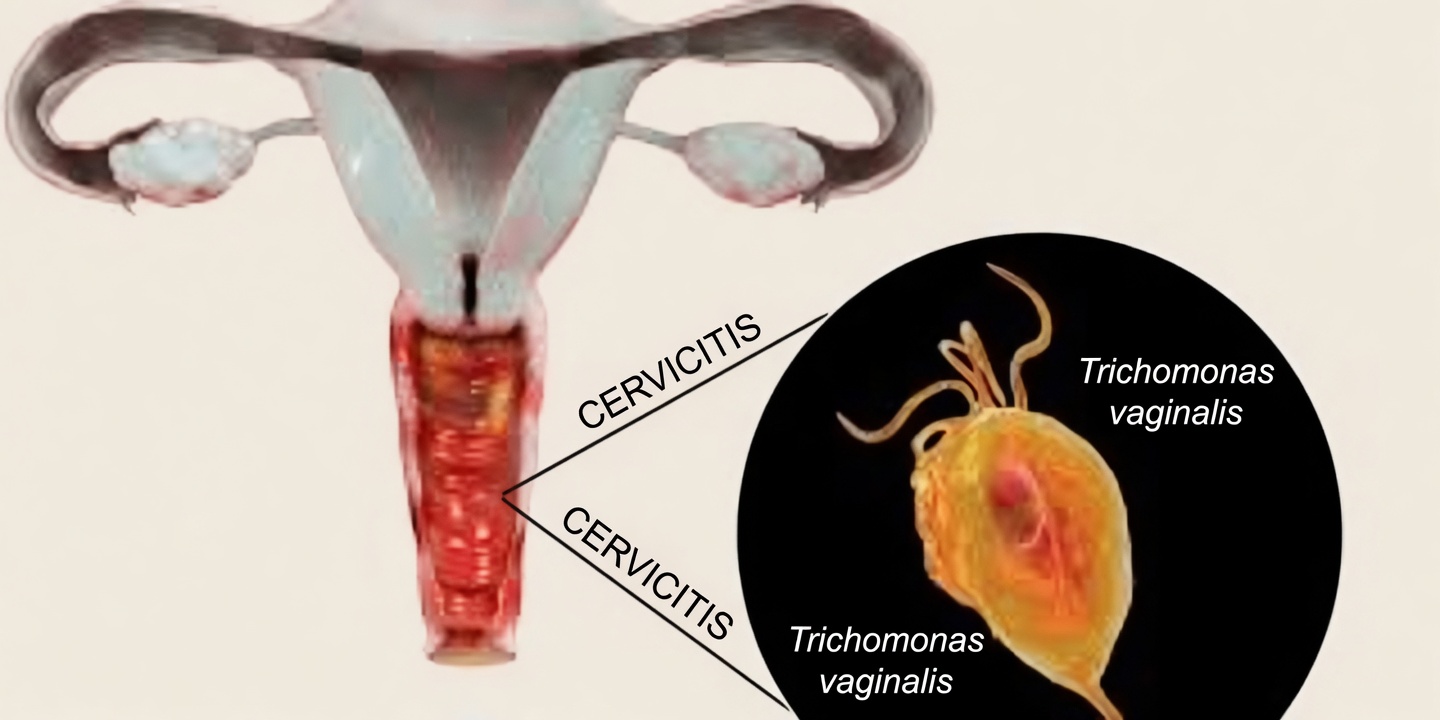
2) Trichomoniasis (An STI That Needs Testing)
Trichomoniasis is a sexually transmitted infection caused by a parasite. It can produce a strong fishy vaginal smell and may also involve:
- Greenish-yellow discharge
- Itching, burning, or irritation
- Discomfort during urination
Some women have minimal symptoms at first, which can allow the odor to linger without a clear explanation. Because it spreads easily, testing is important—especially if you’re sexually active or symptoms appear after a new partner. Treatment usually involves medication, and partners often need treatment too to prevent recurrence.
3) Hygiene Habits That Disrupt Natural Balance
It’s surprisingly easy to trigger odor by trying too hard to feel clean. Many scented products can disturb the vagina’s natural protective environment, including:
- Scented soaps or body washes used around the vulva
- Sprays, deodorants, or fragranced wipes
- Douching (strongly discouraged by many women’s health experts)
The vagina is self-cleaning, and harsh or perfumed products can contribute to irritation and pH changes—sometimes making a fishy vaginal smell more likely or harder to eliminate.
A simpler approach often works best: gently wash the external area only with warm water and, if needed, a mild, fragrance-free cleanser.
4) A Forgotten Tampon or Menstrual Product
A tampon left in too long—or accidentally forgotten—can lead to rapid bacterial growth and a sudden, intense fishy vaginal smell. This situation often comes with unusual discharge and can feel alarming, especially if it happens during a busy workday or social plans.
If you suspect a retained tampon or product:
- Remove it as soon as possible (if you can do so safely)
- Seek medical help if you can’t remove it or symptoms feel severe
In many cases, the odor improves quickly once the source is removed, but it’s still wise to get checked if symptoms persist.

5) Trapped Moisture from Sweat and Tight Clothing
Warm, damp conditions make it easier for bacteria to multiply. Tight synthetic underwear, leggings worn for long periods, or staying in sweaty clothing after exercise can contribute to a lingering odor that some women describe as fishy—especially later in the day.
This can be frustrating because it often affects people who are active or live in hot climates. Helpful adjustments include:
- Wearing breathable cotton underwear
- Changing out of damp gym clothes or wet swimsuits promptly
- Choosing looser, airflow-friendly clothing when possible
Simple Habits That Help Prevent Fishy Vaginal Smell
Small daily choices can support a healthier vaginal environment and reduce the chance of recurring odor:
- Wash the external genital area only using warm water and unscented products
- Choose 100% cotton underwear and limit prolonged thong use
- Change out of sweaty clothes or wet swimsuits as soon as you can
- Practice safer sex and consider regular STI screening if you’re sexually active
- Avoid douching and avoid scented products intended for internal use
The Overlooked Daily Habit That Makes a Big Difference
One of the most underestimated habits is simply this: don’t stay in damp clothing.
Changing out of sweaty workout wear, humid shapewear, or wet swimsuits promptly helps reduce the warm, moist conditions that encourage odor-causing bacterial growth. For many women, this single routine change noticeably reduces how often a fishy vaginal smell shows up—especially in warm weather or active lifestyles.
When to See a Doctor About Fishy Vaginal Smell
Make an appointment if:
- The fishy vaginal smell lasts more than a few days
- The odor keeps returning even after you adjust hygiene and clothing habits
- You notice unusual discharge, itching, burning, pelvic pain, or discomfort during urination
- Symptoms appear after a new sexual partner or unprotected sex
A clinician can help identify whether BV, an STI, or another issue is involved and guide you toward the right treatment—so you can feel comfortable, confident, and worry-free again.