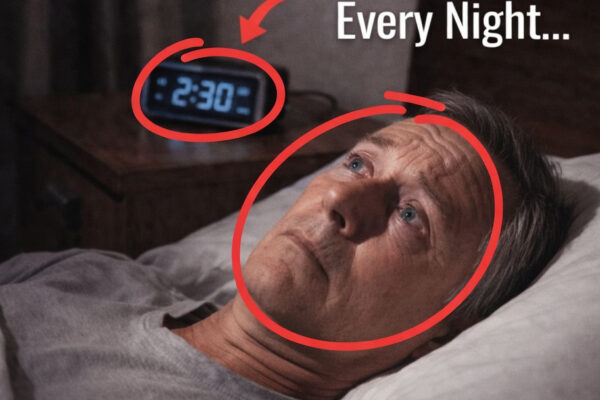
Why Many Seniors Reach for NSAIDs—and Why It Matters for Heart Health
When arthritis flares, a headache hits, or your back tightens up, it’s easy to grab a familiar over-the-counter pain reliever like ibuprofen or naproxen. For adults in their 60s, 70s, and beyond, these common NSAIDs (non-steroidal anti-inflammatory drugs) often feel like a dependable everyday fix.

What many older adults don’t realize is that frequent NSAID use can quietly place extra stress on an aging cardiovascular system—especially if you already manage high blood pressure, kidney changes, or heart disease. The encouraging news: there are safer pain relief options for seniors that can reduce discomfort without the same potential heart-related concerns.
How NSAIDs Can Influence Heart Health in Older Adults
NSAIDs such as ibuprofen (Advil, Motrin) and naproxen (Aleve) reduce pain by lowering inflammation. However, they can also interfere with natural body pathways that help maintain healthy blood vessel function and stable blood flow.
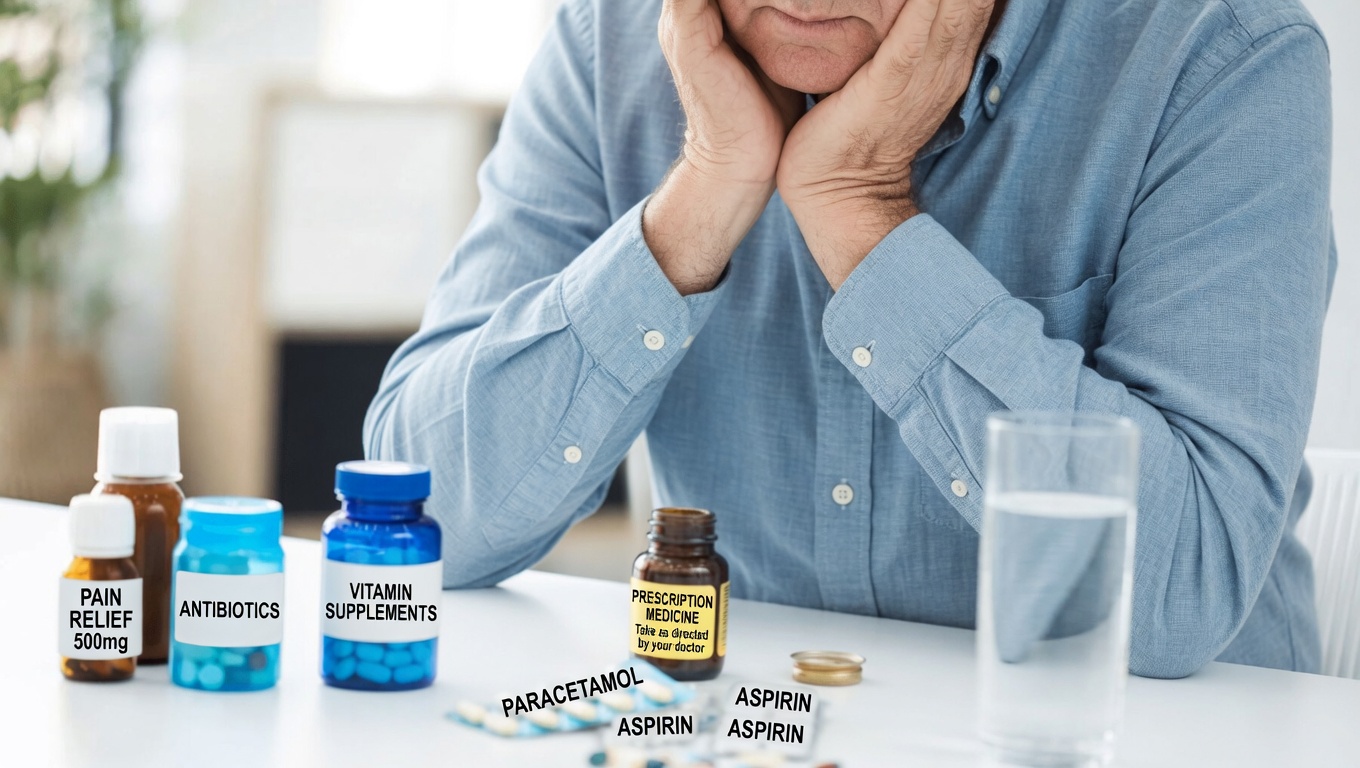
In older adults—where arteries may be less elastic and kidneys may process fluids and salts more slowly—these medication effects can become more noticeable. Research has linked regular NSAID use with:
- Higher blood pressure
- Fluid retention
- Increased workload on the heart
These risks are often greater for people over 65, and the concern rises when NSAIDs are used frequently or combined with other medications.
The Main Ways Ibuprofen and Naproxen May Strain an Aging Heart
Older hearts often have less “reserve,” meaning small shifts in fluid balance or blood pressure can have a bigger impact. Medical research and clinical guidance commonly highlight these NSAID-related issues:

- Blood pressure increases: NSAIDs can promote fluid retention, forcing the heart to pump harder.
- Higher risk of cardiovascular events: Some studies associate frequent NSAID use with a greater chance of heart attack or stroke, particularly in older adults.
- Heart failure concerns: Extra fluid can worsen symptoms in people with existing heart conditions.
- Kidney effects that ripple into heart health: Age-related slower kidney function can make fluid and electrolyte shifts more likely, indirectly affecting the cardiovascular system.
These outcomes don’t happen to everyone, but they are significant enough that many medical guidelines recommend caution with oral NSAIDs in seniors.
7 Signs That Could Suggest Added Heart Strain
It’s common to chalk up new symptoms to “getting older,” but certain changes may signal that the heart is under extra pressure—especially when NSAIDs are used often.
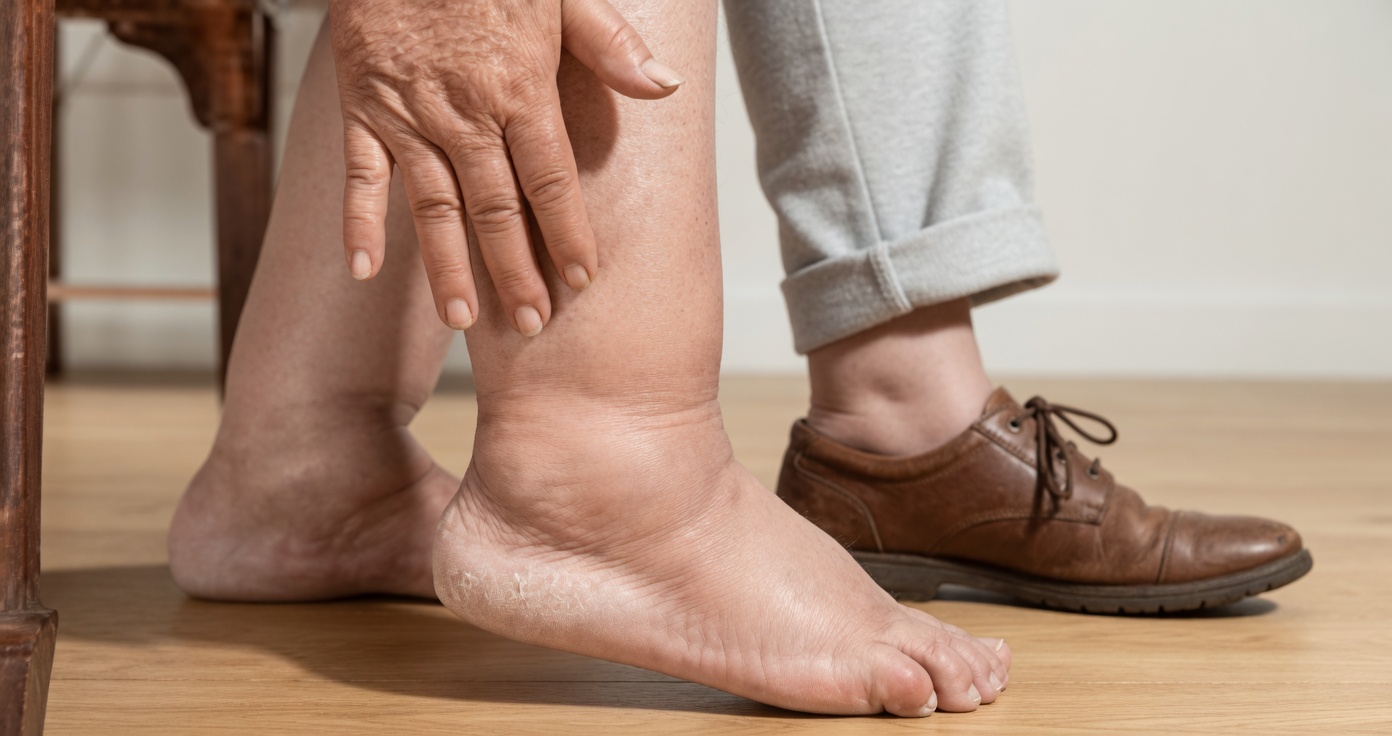
Watch for these potential warning signs:
- Swelling in the feet, ankles, or legs (often an early sign of fluid buildup)
- Shortness of breath with light activity
- Blood pressure readings higher than your usual
- Unusual fatigue or weakness
- Heart palpitations or irregular heartbeat sensations
- New chest tightness, pressure, or discomfort
- Sudden weight gain over a day or two (may indicate fluid retention)
If any of these apply to you, contact your healthcare provider promptly—especially if symptoms are new or worsening.
Safer Pain Relief Options for Older Adults
Pain relief doesn’t have to come at the expense of heart health. Many older adults do well with strategies that are generally considered gentler for the cardiovascular system.

Common alternatives to discuss with your clinician include:
- Acetaminophen (Tylenol): Often suggested as a first option for general pain, with less impact on blood vessels and fluid balance than NSAIDs (when used correctly).
- Topical treatments: Creams, gels, or patches applied directly to sore joints or muscles for more localized relief.
- Physical therapy and targeted movement: Strengthening and mobility work can reduce joint stress and improve long-term function.
- Non-drug approaches: Heat, ice, stretching, massage, or acupuncture may help reduce discomfort naturally.
Always check with a healthcare professional before switching medications—especially if you take prescriptions or have heart, kidney, or liver conditions.
Quick Comparison: NSAIDs vs. More Heart-Friendly Alternatives

-
Ibuprofen / Naproxen (NSAIDs)
- Heart concern level for seniors: Higher
- Benefits: Strong pain and inflammation control
- Key considerations: Fluid retention, blood pressure effects, kidney impact
-
Acetaminophen
- Heart concern level for seniors: Lower
- Benefits: Often gentler for cardiovascular system
- Key considerations: Must follow safe dosing to protect the liver
-
Topical pain relievers
- Heart concern level for seniors: Lower
- Benefits: Targeted relief with minimal whole-body absorption
- Key considerations: Skin sensitivity or local irritation in some users
-
Physical therapy
- Heart concern level for seniors: Very low
- Benefits: Builds strength and mobility over time
- Key considerations: Requires consistency and a tailored plan
This overview helps explain why many clinicians recommend trying lower-risk options first, whenever appropriate.
Practical Steps to Protect Your Heart If You Use NSAIDs
Small, proactive choices can lower risk while still addressing pain:
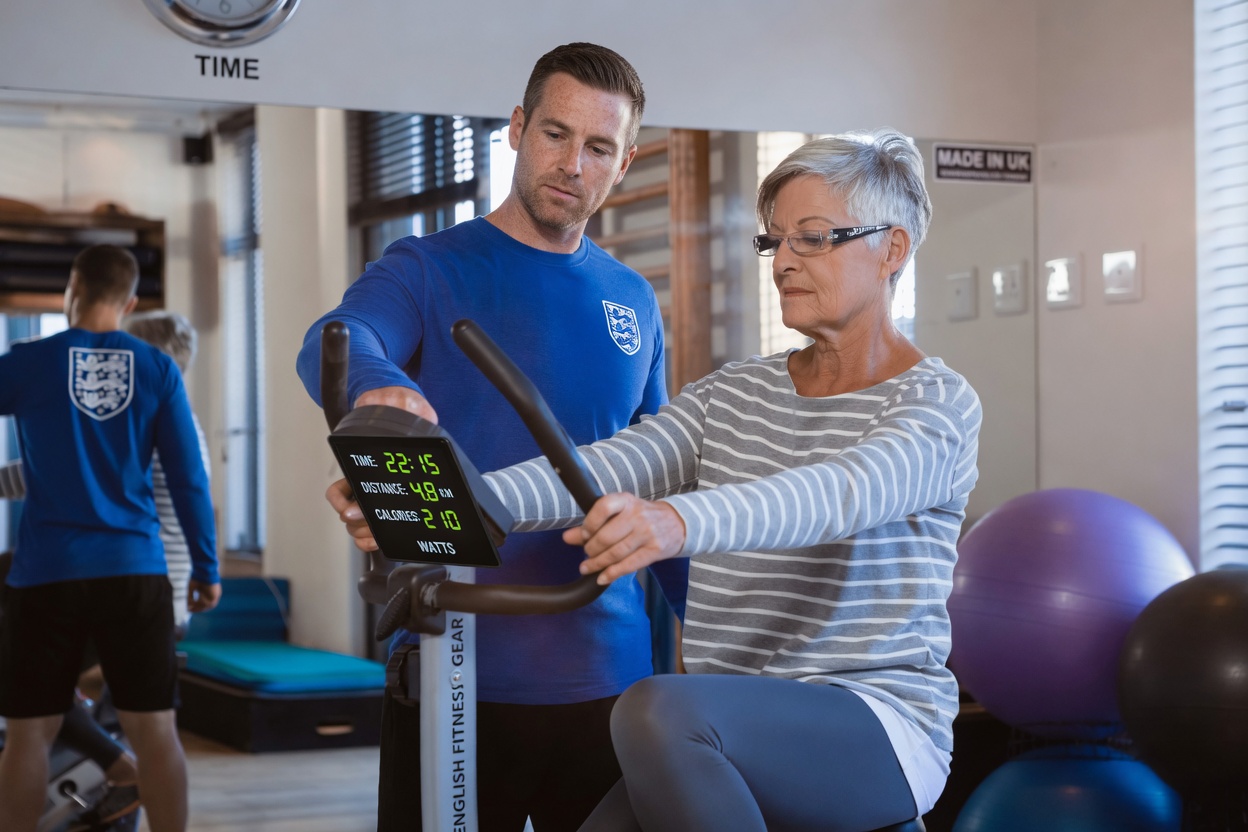
- Review all medications, including over-the-counter pills, with a doctor or pharmacist.
- Ask: “Is my current pain reliever the safest option for my heart?”
- If you take NSAIDs, monitor blood pressure, weight, and any new symptoms.
- Use NSAIDs only when needed—the lowest effective dose for the shortest time.
- Build a plan that includes non-drug pain relief and movement strategies.
- Keep regular check-ups to catch changes early.
Takeaway: Pain Relief Should Support Both Comfort and Cardiovascular Health
NSAIDs like ibuprofen and naproxen can be effective, but in many older adults they come with cardiovascular considerations worth taking seriously. Choosing gentler alternatives when possible—and using NSAIDs carefully when necessary—can help protect both daily comfort and heart health.
Frequently Asked Questions
-
Are all NSAIDs equally risky for seniors’ hearts?
Risk varies by individual and by medication, but many medical organizations advise caution with all oral NSAIDs in older adults, especially with frequent use. -
Can I take ibuprofen occasionally if I’m over 65?
For some people, occasional low-dose use may be reasonable. However, if you have high blood pressure, heart disease, or kidney concerns, ask your clinician before using it. -
What is the safest everyday pain reliever for most seniors?
Acetaminophen is often recommended first for routine pain, but the best choice depends on your overall health and other medications.
Medical disclaimer: This article is for informational purposes only and does not replace professional medical advice. Always consult your healthcare provider for guidance tailored to your health situation.