

Amlodipine Side Effects: 12 Common Reactions and How to Manage Them
For many adults, taking amlodipine is part of a daily plan to keep blood pressure under control. Even so, some people notice physical changes they did not expect. These effects can be uncomfortable, frustrating, and sometimes worrying enough to make everyday activities feel different.
The good news is that understanding possible side effects can make them less alarming and help you stay committed to your treatment. One particular reaction often catches people by surprise, and later in this article, you will learn a simple way to manage it.
What Amlodipine Does and Why Side Effects Can Happen
Amlodipine is a calcium channel blocker, a type of medication commonly prescribed to lower blood pressure. It works by relaxing blood vessels so blood can move more easily through the body.
According to trusted medical sources such as the Mayo Clinic and WebMD, side effects may happen because this medicine changes circulation and can affect how fluid is distributed in the body. In most cases, these reactions are mild and become less noticeable as the body adapts.
Recognizing symptoms early is important. Below are 12 commonly reported side effects of amlodipine.
12 Common Side Effects of Amlodipine
Doctors and researchers identify these reactions through clinical studies and patient experiences. Not everyone will have them, and their severity can differ from person to person.
- Swelling in the ankles or feet, also known as peripheral edema
- Swollen or puffy hands
- Flushing or sudden warmth in the face, neck, or chest
- Headaches, especially when first starting the medication
- Dizziness or feeling lightheaded, particularly after standing up
- Fatigue or low energy
- Palpitations or a fast, pounding heartbeat
- Nausea or mild stomach upset
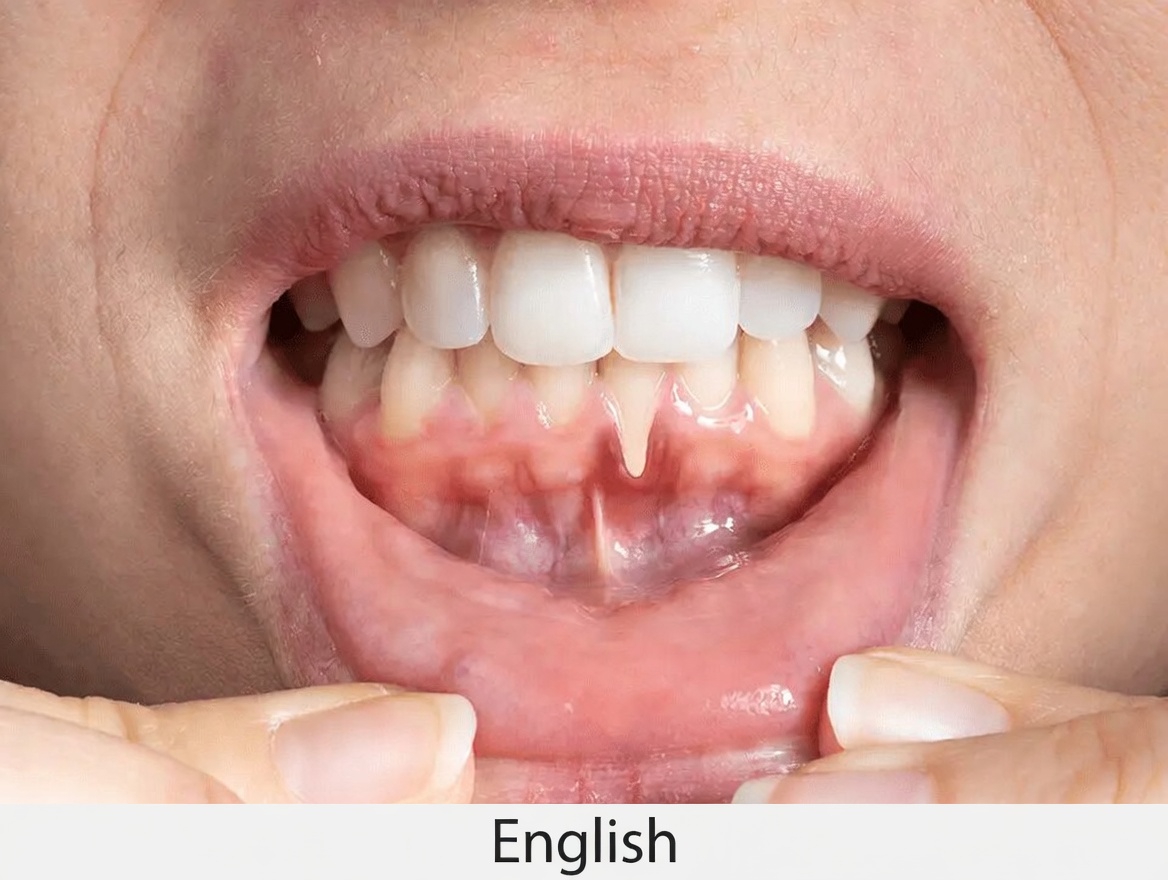
- Gum swelling, tenderness, or bleeding, called gingival hyperplasia
- Muscle cramps or stiffness
- Abdominal discomfort or a bloated, full feeling
- Temporary skin warmth or redness
While this list may seem long, many of these side effects improve as treatment continues. A few practical habits can also make them easier to manage.

Why Swelling Is So Common and What You Can Do
Swelling in the feet, ankles, lower legs, or hands is one of the most frequently reported side effects of amlodipine. This happens because the medication widens small blood vessels, which can allow fluid to collect in surrounding tissues.
The Cleveland Clinic notes that this reaction is especially common during the first weeks of treatment. Fortunately, there are simple ways to reduce discomfort:
- Raise your legs for 15 to 20 minutes several times a day
- Limit salty foods, which can encourage fluid retention
- Stay active with light walking or gentle movement
- Speak with your doctor before making any changes to your routine
Many people find that these small adjustments provide meaningful relief.
Flushing, Headaches, and Sudden Warmth
A red face, warm skin, or flushing in the neck and chest can happen when blood vessels relax quickly. Headaches often appear for the same reason. Some people also feel brief dizziness at the same time.
These symptoms can be unsettling at first, but they often improve within the first one to two weeks. To feel more comfortable during this adjustment period, it may help to:
- Drink enough water throughout the day
- Avoid sudden temperature shifts
- Stand up slowly if you feel lightheaded
For many patients, these early effects fade as the body becomes used to the medication.
When Your Heartbeat Feels Faster Than Usual
Some people taking amlodipine notice palpitations or a heartbeat that feels stronger, faster, or more noticeable. Although this can feel alarming, it is often a temporary response linked to changes in blood flow.
WebMD reports that this side effect can appear early in treatment for some users. If it happens:
- Sit or lie down until the sensation passes
- Note when it occurs and how long it lasts
- Share those details with your doctor at your next appointment
Keeping track of these episodes can help your healthcare provider decide whether any changes are needed.
The Often-Missed Side Effect: Gum Problems
One of the most overlooked side effects of amlodipine affects the mouth. Some patients develop swollen, tender, or easily bleeding gums. This condition is known as gingival hyperplasia and is a recognized reaction to certain calcium channel blockers, including amlodipine.
This issue surprises many people because they do not expect a blood pressure medication to affect oral health. However, there are effective ways to reduce the risk:
- Brush gently twice a day
- Floss carefully every day
- Schedule regular dental visits
- Tell your dentist that you are taking amlodipine
Research suggests that good dental hygiene can help keep this side effect from becoming more severe.
Fatigue, Muscle Cramps, and Minor Digestive Symptoms
Feeling more tired than usual is another common complaint, especially at the beginning of treatment. As blood pressure lowers, the body may need some time to adjust, which can temporarily reduce energy levels.
Other everyday discomforts may include:
- Muscle cramps or stiffness
- Mild nausea
- Stomach discomfort
- A sensation of fullness in the abdomen
These issues often improve gradually. Helpful strategies include:
- Eating balanced meals
- Staying hydrated
- Getting enough sleep
- Giving your body time to adapt
For many people, these symptoms ease without any major intervention.
5 Practical Tips to Manage Amlodipine Side Effects
If you want simple ways to feel better while taking amlodipine, these habits may help:
- Elevate your legs or consider compression socks if swelling develops
- Drink water regularly to support circulation and hydration
- Keep a daily record of symptoms to discuss with your doctor
- Take your medication at the same time every day
- Attend regular follow-up appointments to monitor your response
These small steps can make treatment feel more manageable and help you stay consistent.
When to Contact Your Doctor
Most amlodipine side effects are mild, but some symptoms require prompt medical attention. Contact your healthcare provider right away if you experience:
- Severe swelling
- Trouble breathing
- Chest pain
The NHS and Mayo Clinic both stress that serious reactions are uncommon, but they should never be ignored.
What Many Patients Say About Taking Amlodipine
A common experience among people using amlodipine is that side effects feel less stressful once they know what to expect. Many also report that open conversations with their doctor led to helpful changes, such as a dose adjustment or simple lifestyle modifications.
Being informed often makes the treatment process easier and less overwhelming.
Final Thoughts on Amlodipine Side Effects
Amlodipine helps millions of people manage high blood pressure successfully. Knowing the 12 common side effects of amlodipine can help you notice changes early, respond appropriately, and feel more in control of your health.
That lesser-known gum issue mentioned earlier can often be kept under control with steady oral care and regular dental checkups. With the right information, you can have more productive discussions with your healthcare team and continue treatment with greater confidence.
FAQ About Amlodipine Side Effects
How long do amlodipine side effects usually last?
Many mild side effects, such as flushing or swelling, improve within one to two weeks as the body adjusts. If symptoms continue or worsen, your doctor can review your options.
Can lifestyle changes help reduce amlodipine swelling?
Yes. Many people notice improvement by raising their legs, lowering salt intake, and staying physically active. Always check with your healthcare provider before making changes.
Is gingival hyperplasia caused by amlodipine permanent?
In most cases, it is not permanent. Good oral hygiene and regular dental care can often help manage or improve the condition. If necessary, your doctor may discuss alternative treatments.
Medical Disclaimer
This article is for informational purposes only and does not replace professional medical advice. Always consult your healthcare provider before changing your medication or health routine.