Eye Strain and Screen Fatigue: Why People Look for Natural Relief
Long hours in front of screens—and everyday visual stress—often lead to dryness, heaviness, stinging, and irritation. When quick solutions (like eye drops) feel temporary, many people start searching for gentler, traditional options. One plant that repeatedly appears in folklore is Big-Leaf Milkweed (Euphorbia hirta), typically used for external, soothing support.
Its reputation is intriguing, but it must be approached with serious caution—especially because of its irritating sap.
What Is Big-Leaf Milkweed (Euphorbia hirta)?
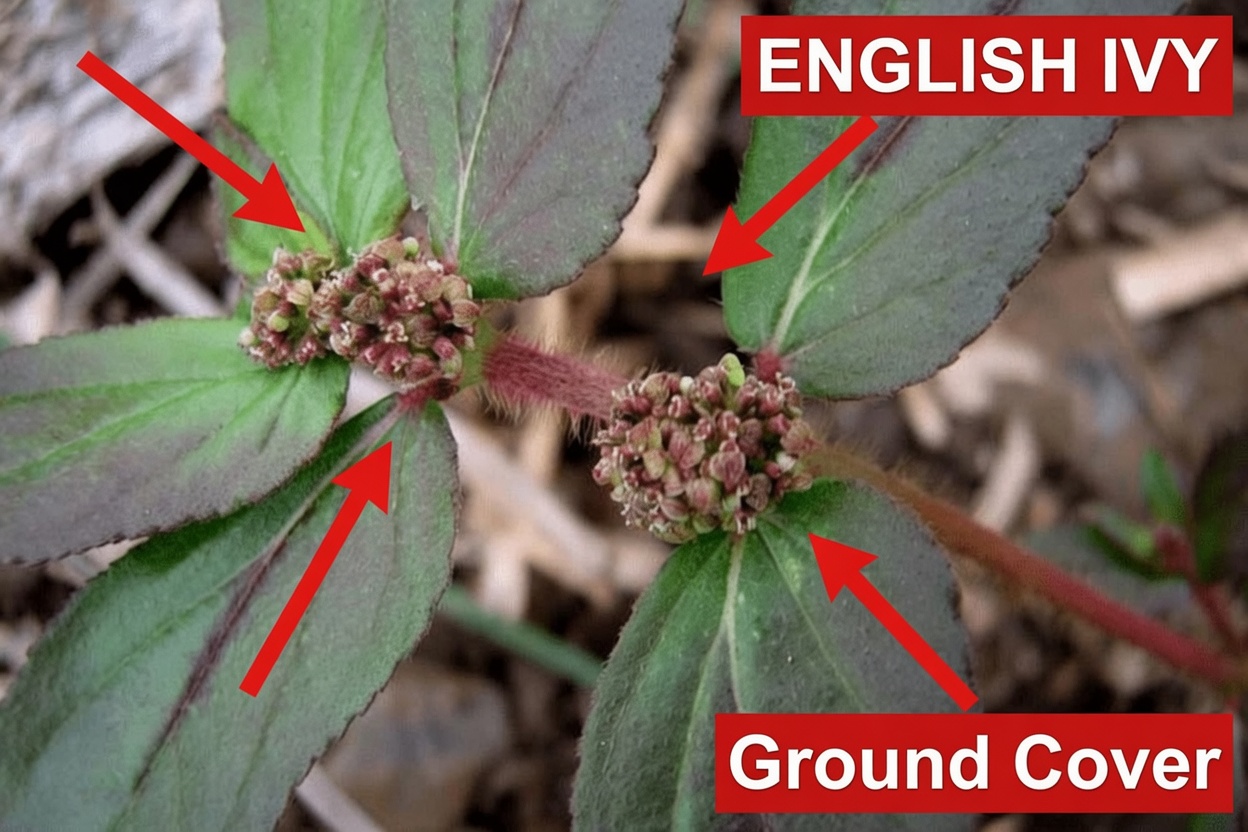
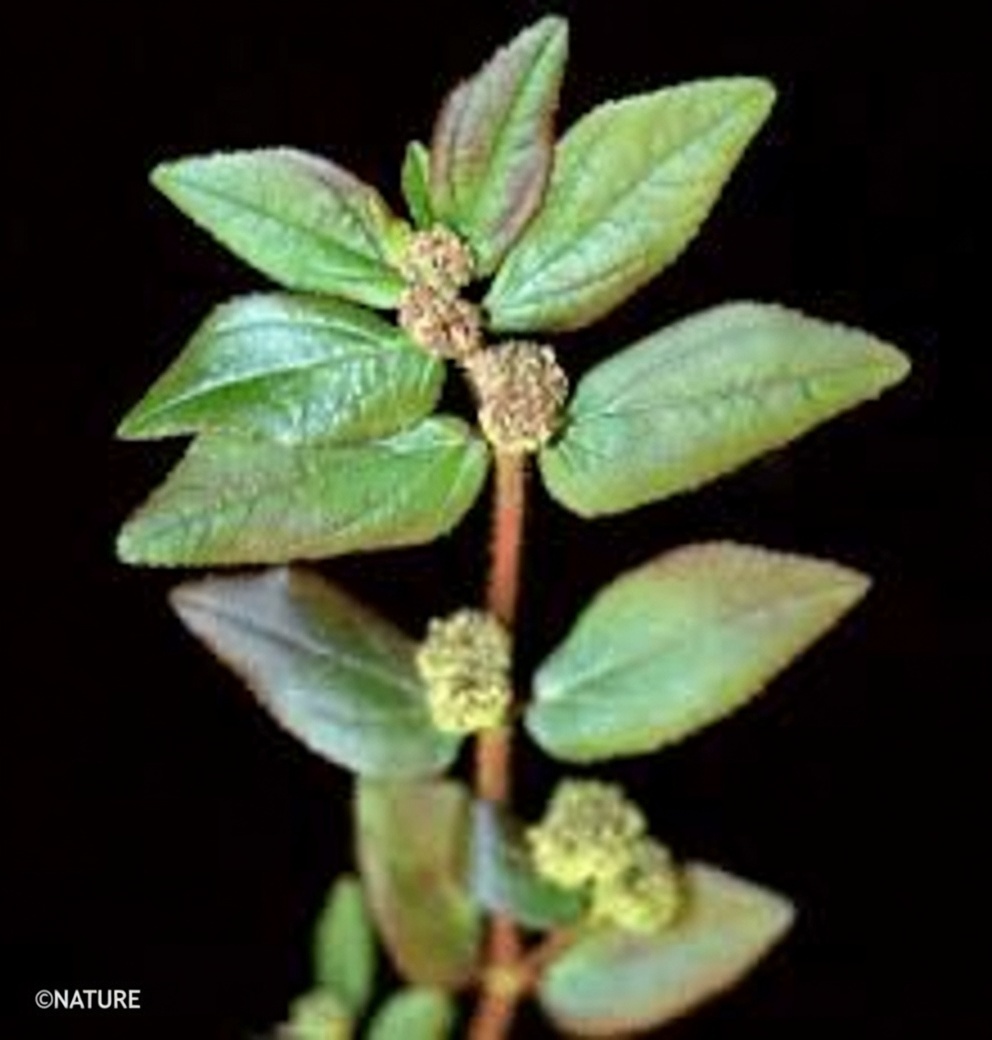
Big-Leaf Milkweed, scientifically called Euphorbia hirta, is a common wild plant found along roadsides, lawns, and garden edges in many warm regions. It’s often dismissed as a weed, yet it’s easy to recognize by a few traits:
- Low-growing, spreading habit
- Oval leaves that may feel slightly hairy
- A noticeable reddish line along the center vein
- Pinkish or reddish stems
- Small clustered flowers
- Milky latex sap released when the plant is broken
Despite its modest appearance, it has a long history of traditional use. Still, the same milky sap that makes it distinctive can also be highly irritating to skin and especially to eyes, so careful handling is essential.

Traditional Links Between Big-Leaf Milkweed and Eye Comfort
Across parts of Asia and Africa, Big-Leaf Milkweed has been mentioned in traditional practices for promoting a sense of cooling, relaxation, and relief from daily eye fatigue. Importantly, traditional methods—when described responsibly—tend to focus on external application only, such as placing plant material over closed eyelids.
A key rule in authentic folk use is avoidance of direct eye exposure. Plants in the Euphorbia family contain natural irritants, and the sap is not meant to come into contact with delicate tissues.
Safety First: Why Euphorbia hirta Sap Is a Major Concern
The biggest risk associated with Big-Leaf Milkweed is its milky latex sap. Reports and research discussing Euphorbia species warn that the sap can trigger:
- Intense burning and redness
- Inflammation and swelling
- Potentially serious injury if it gets into the eye
Even when traditional sources mention diluted or indirect use, modern safety guidance strongly favors keeping this plant away from the eye area. If you are dealing with persistent irritation, dryness, or vision changes, proven eye-care approaches and professional evaluation should come first.
Potential Supportive Qualities Noted in Traditional Use
Traditional herbal perspectives often describe Euphorbia hirta as having properties that may indirectly support comfort. Ethnobotanical reviews and lab-based investigations have discussed plant compounds linked with:
- Anti-inflammatory activity (observed in experimental settings for certain constituents)
- Antioxidant components, including flavonoids and polyphenols
- A perceived cooling or soothing effect when used externally
However, human evidence is limited, and these observations do not make the plant a substitute for clinical care. At best, its role is considered complementary within traditional frameworks—never a replacement for safe, established treatments.
Traditional External Methods People Mention (With Strong Caution)
When Big-Leaf Milkweed appears in folk instruction, the emphasis is typically on careful external use, not direct eye application. Commonly referenced methods include:
- Warm leaf compress (external only): Leaves are washed and gently warmed, then placed over closed eyelids for about 10–15 minutes to encourage relaxation.
- Mild herbal infusion: Sometimes mentioned for general wellness routines, though practices vary by region.
- Cooling leaf paste (away from eyes): Crushed leaves applied lightly to the temples for a cooling sensation—never near the eyelids or eye surface.
These approaches repeatedly highlight cleanliness and restraint. Critically, direct exposure to sap is not recommended, and any use near the eyes carries risk.

Quick Comparison: Traditional “Eye Support” Approaches
-
Warm compress (closed eyelids only)
- Traditional aim: external relaxation
- Often used for: post-screen fatigue
-
Herbal infusion (varies by tradition)
- Traditional aim: general vitality support
- Often used for: daily wellness routines
-
Temple application (not near eyes)
- Traditional aim: cooling sensation around the eye region
- Often used for: mild external tension
Big-Leaf Milkweed may appear in folklore alongside these habits, but safety must be the priority.
Why Big-Leaf Milkweed Is Trending Again
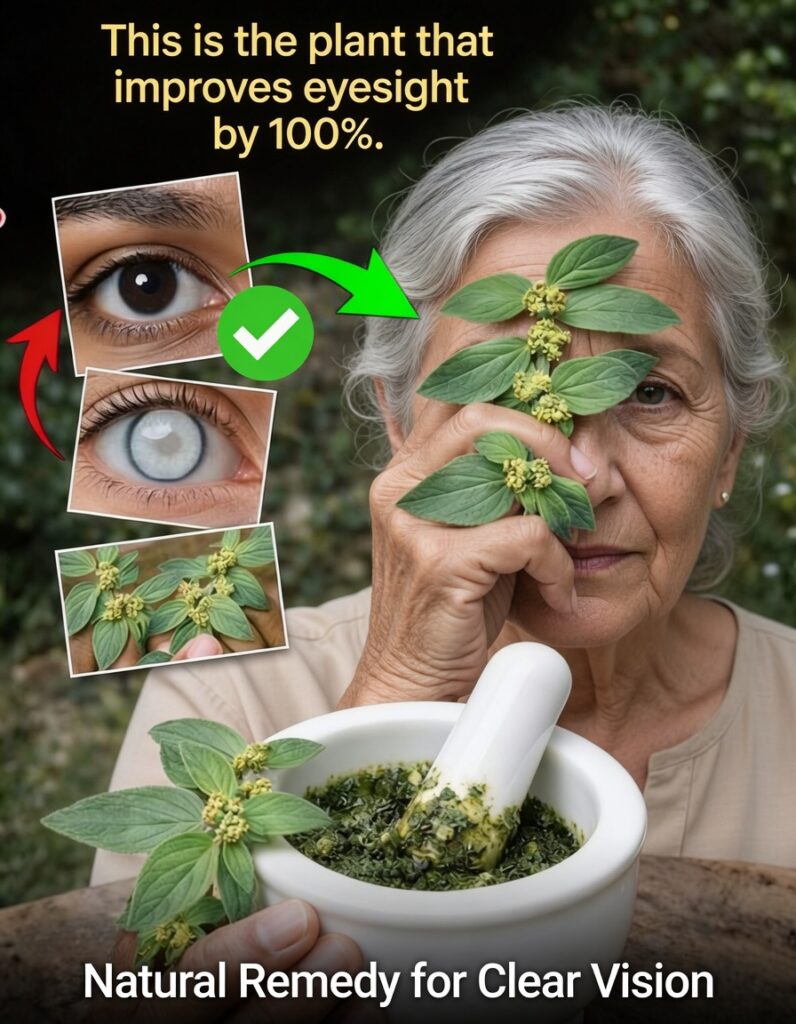
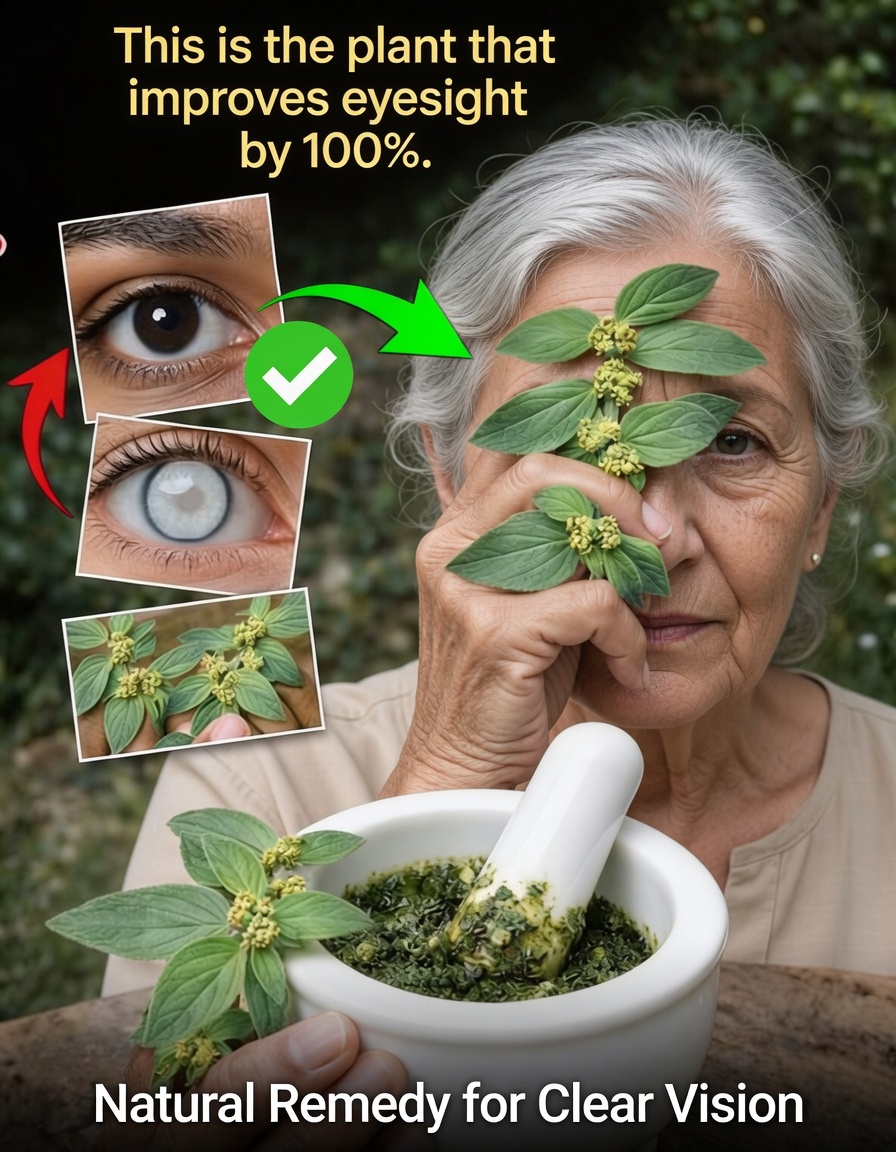
Recently, short-form online videos have amplified interest in Euphorbia hirta, sometimes promoting overstated or misleading claims—including suggestions about rapid vision improvement. Its widespread availability and traditional reputation make it easy to feature, but viral content often downplays real risk from sap exposure.
Eye health is highly sensitive, and there are no reliable “instant fixes.” If symptoms persist, professional guidance matters far more than internet trends.
Safer, More Responsible Ways to Explore Traditional Herbs
If you are still curious about traditional plants like Big-Leaf Milkweed, basic harm-reduction steps include:
- Confirm correct identification (leaf shape, center vein, milky sap)
- Do a skin patch test first to check sensitivity
- Use only clean, pesticide-free plant material
- Pair with evidence-based habits like the 20-20-20 rule
- Speak with a qualified healthcare professional or trained herbal practitioner—especially for eye issues
Final Thoughts: Big-Leaf Milkweed and Eye Comfort
Big-Leaf Milkweed (Euphorbia hirta) remains a fascinating part of traditional herbal lore, largely associated with external cooling and relaxation. But its latex sap can be dangerously irritating, and any eye contact is risky. Respect traditional knowledge, yet rely on evidence-based eye care for real protection and long-term comfort.
Frequently Asked Questions
Is Big-Leaf Milkweed (Euphorbia hirta) safe to use for eye problems?
Traditional stories sometimes describe external compresses on closed eyelids, but Euphorbia sap can cause severe irritation. Avoid direct contact and consult a medical professional before attempting any herbal approach.
Can Big-Leaf Milkweed improve vision?
There is no credible evidence that it corrects vision or reverses eye conditions. Traditional references focus on soothing and comfort, not vision improvement.
What are safer options for eye strain?
Consider the 20-20-20 rule, lubricating drops (as advised), better screen ergonomics, and plain warm compresses. Seek medical advice if symptoms are persistent or severe.
Medical Disclaimer
This article is for informational purposes only and is not medical advice. Euphorbia plant sap can be highly irritating and dangerous to eyes. Never apply any part of this plant near or in the eyes. Consult your healthcare provider before using any herbal remedy, especially for eye-related concerns.