

Turmeric and Daily Wellness: Food Combinations That May Affect How It Works
Many people add turmeric to smoothies, tea, soups, and curries because of its vibrant golden color and its reputation as a daily wellness staple. Even so, certain common food pairings can influence how your body responds to this popular spice. That may explain why the benefits sometimes feel inconsistent, even when you use it regularly.
It can be frustrating to build a healthy routine, only to find that small habits may be reducing the results you expected. The encouraging part is that a few simple adjustments can improve the way turmeric fits into your day. And one especially surprising habit near the end may help you use turmeric more effectively.
Why Turmeric Pairings Matter
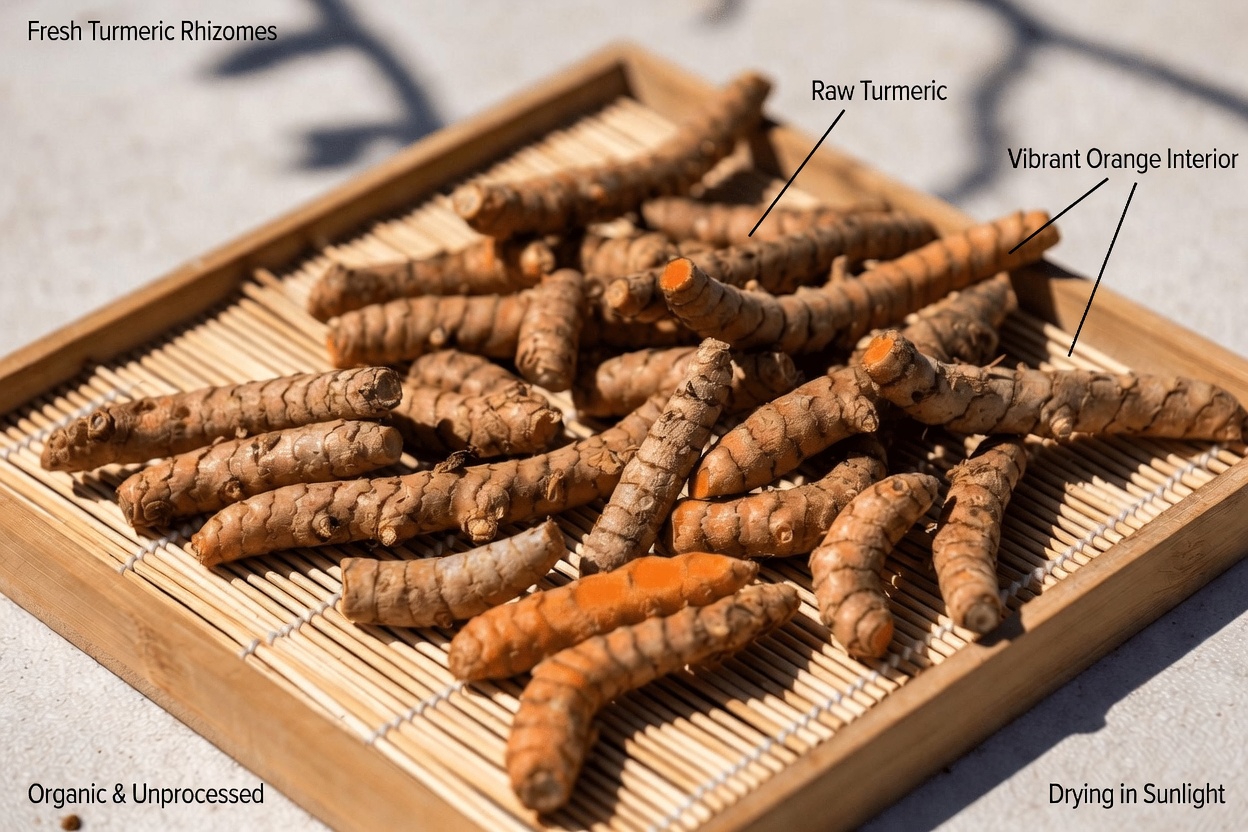
Turmeric contains curcumin, the natural compound responsible for its rich yellow-orange color and much of the attention it receives in nutrition discussions. Research suggests that curcumin can interact with nutrient absorption and with the way the body processes certain foods.
When turmeric is combined with less-than-ideal foods in the same meal, you may notice less support than expected or mild digestive discomfort. This is not a reason to avoid turmeric. It is simply useful information that can help you make smarter decisions about timing and food combinations.
Experts in nutrition often note that how and when you eat certain foods can matter more than most people assume. In many cases, small changes are enough to help you get more value from your turmeric routine without removing your favorite meals.
1. Iron-Rich Foods May Be Better at a Different Time
One of the most important pairings to watch involves foods high in iron. Studies indicate that turmeric may reduce how efficiently the body absorbs iron from meals. If you are already paying attention to iron intake, this is especially relevant.
This matters for people who:
- Follow a plant-based diet
- Exercise often or lead an active lifestyle
- Want to maintain healthy iron levels
- Occasionally feel tired or low on energy
Foods in this category include:
- Red meat and liver
- Fortified breakfast cereals
- Spinach, kale, and other leafy greens
- Beans, lentils, and chickpeas
- Eggs
- Fish such as tuna and salmon
The good news is that you do not need to stop eating these foods. A practical solution is to separate turmeric and iron-rich meals by about two hours. That simple buffer may help protect iron absorption while still allowing turmeric to remain part of your routine.
2. Dairy Products May Be Worth Spacing Out
The next group to consider is dairy. Milk, yogurt, cheese, cream, and butter are common ingredients in many households, and they often appear in recipes that also include turmeric.
The science here is less clear than it is with iron. Some evidence suggests that fat in dairy may actually support curcumin absorption. However, many people report feeling more comfortable when they do not combine turmeric with large amounts of dairy, especially if they have a sensitive stomach. Processed dairy products or heavier portions may sometimes contribute to bloating or digestive discomfort.
Examples of dairy pairings to pay attention to include:
- Whole milk or cream in coffee
- Greek yogurt or cottage cheese
- Cheese-heavy meals
- Butter-rich dishes
A simple strategy is to avoid adding turmeric directly to very milky drinks every time. Instead, try pairing turmeric with black pepper and a healthy fat such as olive oil. If you enjoy a golden latte, consider having it between meals rather than alongside a dairy-heavy breakfast or dinner.
That small adjustment may make your routine feel more balanced and easier on digestion.
3. Sugary and Highly Processed Foods Can Work Against Consistency
High-sugar snacks and refined carbohydrates are another category worth noticing. These foods are easy to reach for, but they may influence how steady you feel when turmeric is part of your diet.
Research connects high sugar intake with blood sugar fluctuations. Because turmeric is often discussed for its potential role in glucose balance, the foods you eat with it may either support or reduce that effect. In other words, pairing turmeric with heavily sweetened foods may lead to less predictable results.
Common examples include:
- Cookies, candy, and cakes
- Sugary cereals
- Sweetened snack bars
- Soda
- Sweet coffee beverages
This does not mean dessert is off-limits. A more practical approach is to enjoy sugary foods at a different time, ideally leaving about two hours between them and your turmeric intake. Many people find that this small change helps support steadier energy throughout the day.
Easy Steps to Improve Your Turmeric Routine
If you want to make turmeric work better in daily life, you do not need a complicated system. Start with these four simple actions:
- Track your current habits for one week. Write down when you use turmeric and what foods you eat around the same time.
- Create a two-hour gap between turmeric and iron-rich foods, dairy-heavy meals, or sugary snacks.
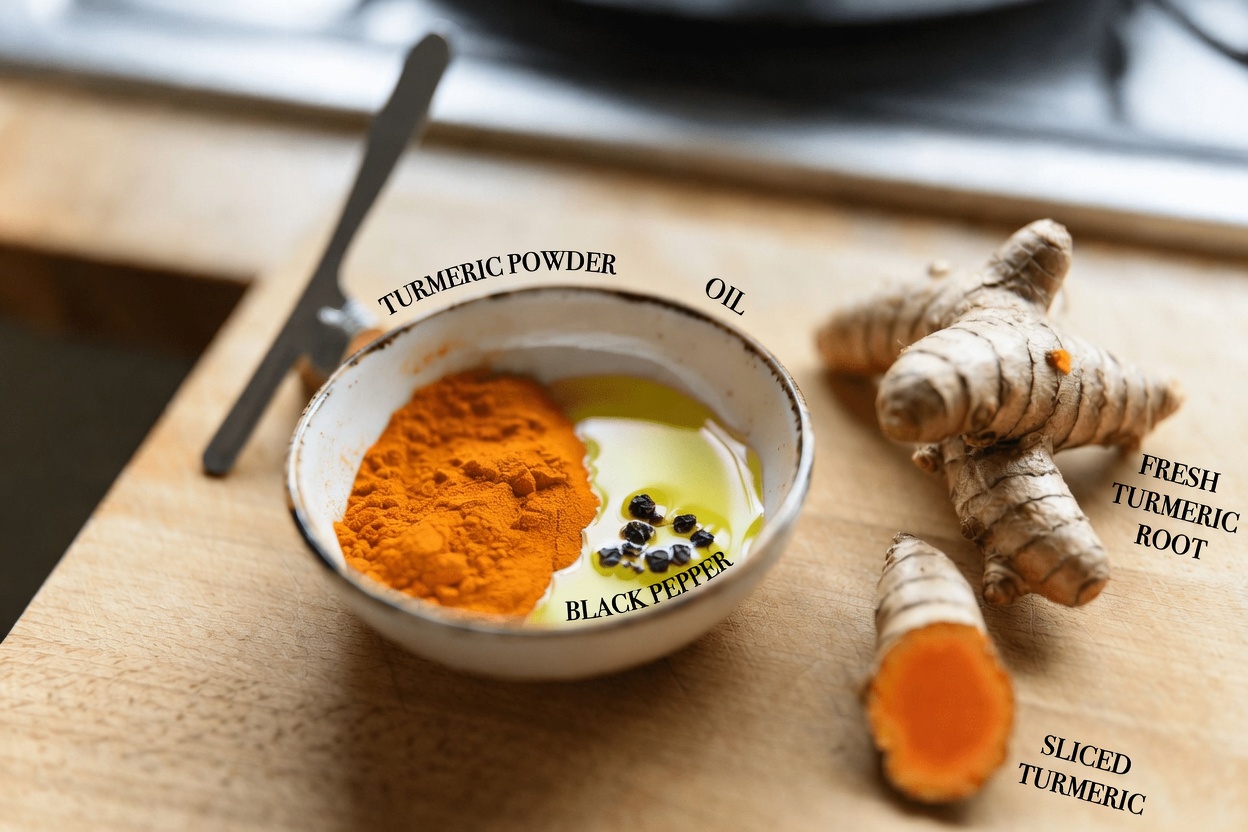
- Pair turmeric with black pepper and healthy fat such as olive oil, avocado, or coconut oil to naturally support absorption.
- Pay attention to your body. If a certain combination does not feel right, adjust your routine and speak with a healthcare professional if needed.
These changes are easy to apply and can fit into even a busy schedule.
Better Food Pairings for Turmeric
If some pairings are worth avoiding, others may be more supportive. Many experts recommend combinations like these:
- Fresh ginger with a pinch of black pepper
- Olive oil or coconut oil in curries and savory dishes
- Herbal tea with turmeric and cinnamon
- Smoothies with berries or citrus, as long as they are not taken alongside iron-rich ingredients
These combinations are simple, flavorful, and often better aligned with a consistent wellness routine.
One Surprisingly Effective Habit
Here is the habit that often makes the biggest difference: instead of adding turmeric to multiple meals throughout the day, try taking it once daily in a small, well-prepared serving with black pepper and a source of fat.
Use it away from the three food groups discussed above: iron-rich meals, dairy-heavy foods, and high-sugar treats. Many people say this more intentional approach feels steadier and easier to manage after a couple of weeks.
It is not a magic trick. It is simply a smarter way to use turmeric based on how food combinations may affect absorption and comfort.
Final Thoughts
Turmeric can still be a colorful and useful part of your everyday diet. The key is being more aware of what you eat with it and when you eat it. By spacing it away from iron-rich foods, dairy, and sugary processed items, you may give your body a better chance to respond the way you hope.
These are not major restrictions. They are small, practical shifts that can help you enjoy turmeric with more confidence and less second-guessing.
Frequently Asked Questions
Can I still drink golden milk if I enjoy dairy?
Yes. Many people still enjoy golden milk without problems. You can also try a plant-based milk alternative or simply drink it at a different time from other dairy-heavy meals. Start with a smaller amount and see how your body responds.
Is it okay to cook turmeric into meals that include these foods?
Yes, absolutely. The goal is not to eliminate foods or fear certain recipes. It is about understanding combinations and timing. In many cases, turmeric cooked with black pepper and a healthy fat works well in everyday meals.
What is a typical daily amount of turmeric?
For most people, a common culinary amount is around 1 to 3 grams of turmeric powder per day. If you are thinking about using more than that, especially in supplement form, it is best to talk with a healthcare provider first.
Disclaimer
This article is for informational purposes only and is not intended to diagnose, treat, cure, or prevent any disease. It should not be used as a substitute for professional medical advice. Always consult your healthcare provider before changing your diet or supplement routine, especially if you have a medical condition or take medication. Individual responses may vary.