Subtle Skin and Mouth Changes That May Point to Blood Sugar Problems
Many people dismiss unusual changes in their skin or mouth as minor annoyances. But persistent rashes, increasing skin growths, or cracks at the corners of the lips can sometimes signal more than a cosmetic issue. These symptoms may be frustrating, especially when they affect comfort, confidence, or everyday habits without an obvious explanation.
In some cases, the missing link is blood sugar imbalance. Understanding how glucose levels affect the body can help make sense of symptoms that otherwise seem unrelated.
How High Blood Sugar Can Affect More Than You Expect
Elevated blood sugar does not only influence energy levels or urination. It can also affect circulation, nerves, and immune function. As a result, changes may appear on the skin, in the mouth, and in other areas that many people would not immediately connect to metabolic health.
According to organizations such as the American Academy of Dermatology and the CDC, skin-related symptoms can sometimes appear early and may even be among the first noticeable warning signs. The challenge is that these clues are often ignored because they do not seem tied to blood sugar at first glance.
11 Lesser-Known Signs of Diabetes
These are not the well-known symptoms like constant thirst or frequent bathroom trips. Instead, they are more subtle signs that can easily go unnoticed.
1. Small, Soft Skin Growths
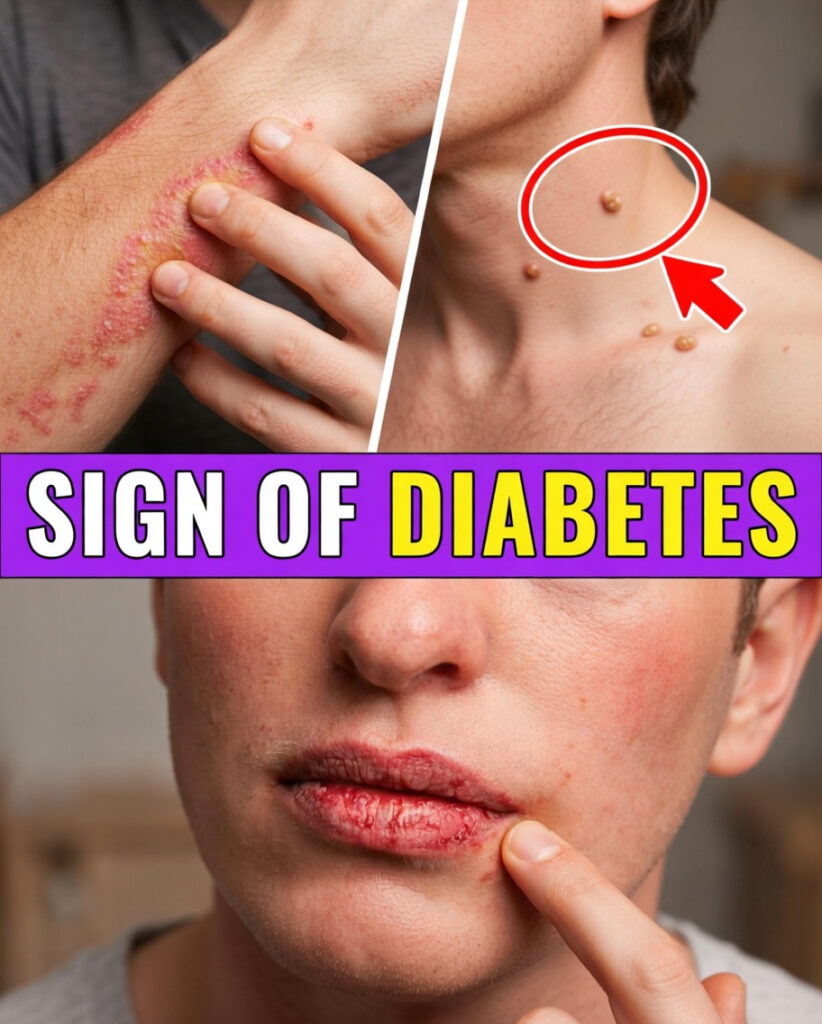
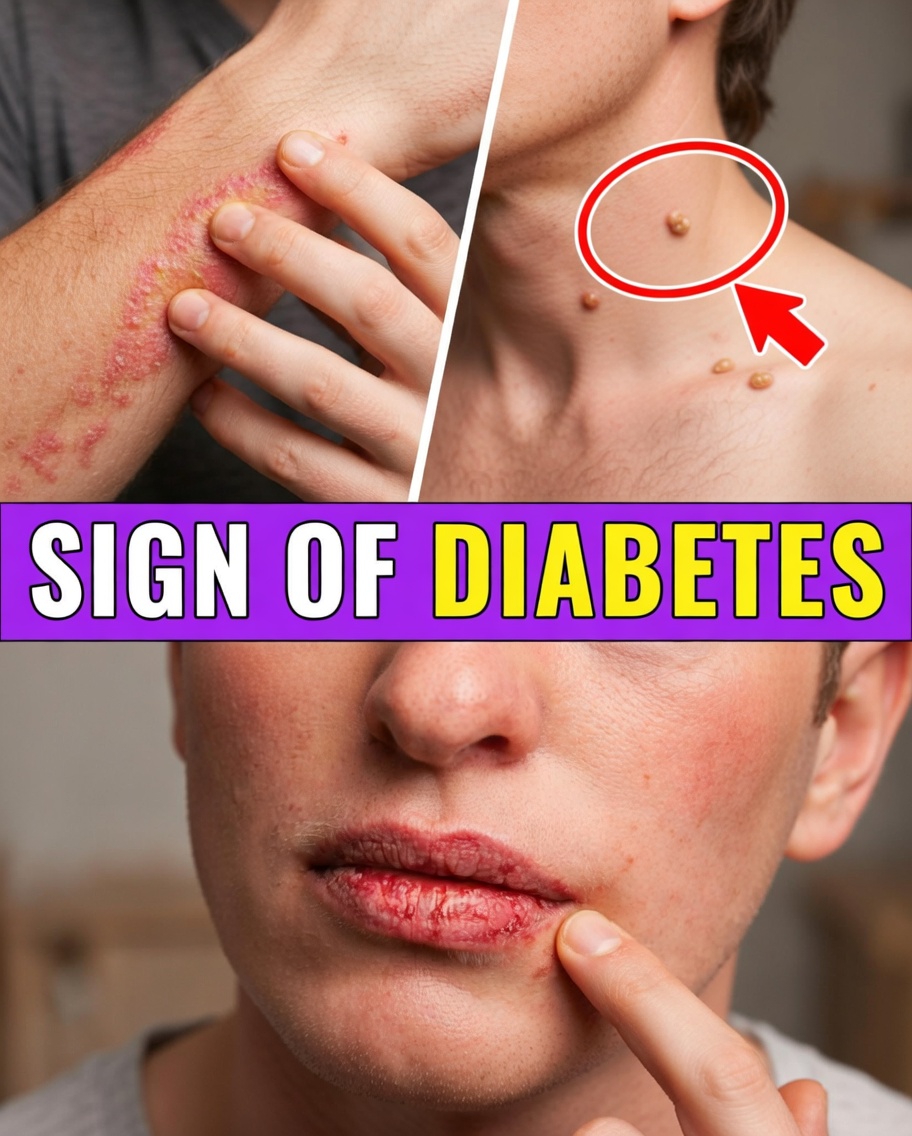
Tiny flesh-colored bumps, often found on the neck, underarms, or groin, are known as skin tags or acrochordons. They are harmless, but having many of them may be associated with higher insulin levels and the way the body handles sugar.
They also tend to develop where skin rubs together, which makes them especially common in skin folds.
2. Dark, Velvety Areas of Skin
A patch of thickened, darker skin with a velvety texture may appear on the back of the neck, in the armpits, or around the groin. This condition is called acanthosis nigricans and is strongly associated with insulin resistance.
Because it usually does not hurt or itch, many people overlook it. Still, it can be one of the clearest visible clues that blood sugar regulation needs attention.

3. Brown Marks on the Shins
Small round reddish-brown spots on the lower legs may resemble age spots. Often called diabetic dermopathy or shin spots, these marks are linked to changes in the tiny blood vessels.
They are usually harmless and painless, but they may suggest long-term effects from elevated glucose levels. Since they fade slowly and do not usually cause discomfort, they are easy to miss.
4. Cracks at the Corners of the Mouth
Redness, dryness, or splitting at the corners of the lips can make eating, talking, or smiling uncomfortable. This condition, often called angular cheilitis, may occur more often when higher blood sugar promotes yeast overgrowth.
It can feel like small cuts that never fully heal, and standard lip care may not completely solve the problem if blood sugar is part of the cause.
5. Ongoing Dry and Itchy Skin
If your skin stays dry, tight, or itchy despite regular moisturizing, blood sugar may be a factor. Poor circulation caused by elevated glucose can reduce skin moisture and increase irritation.
The CDC notes that dry skin is common in people dealing with blood sugar issues. Frequent scratching can worsen the irritation and increase the risk of further skin problems.
6. Red Rashes or Repeated Skin Infections
Red patches, inflamed bumps, or rashes that return again and again can be another sign. High blood sugar can encourage the growth of bacteria and fungi, making infections more likely.
These skin issues may show up on the torso, legs, or in folds of skin. They often heal slowly unless the underlying issue is addressed.
7. Cuts and Sores That Heal Slowly
A minor scrape, blister, or cut that takes weeks to improve instead of days deserves attention. High glucose can interfere with blood flow and weaken the immune response, which slows healing.
This often becomes especially noticeable on the feet and legs, where circulation may already be reduced.
8. Thick or Waxy Skin on the Hands
Some people develop skin on the fingers or palms that feels unusually thick, tight, or waxy. This is sometimes referred to as digital sclerosis.
It can gradually reduce flexibility, and because it develops slowly, many people assume it is simply due to aging or weather changes rather than a possible blood sugar issue.
9. Small Yellowish Bumps
Firm yellow, red, or slightly pink bumps that look like pimples may appear on the arms, legs, or buttocks. These are called eruptive xanthomas.
They form because of fat deposits under the skin when lipid levels become disrupted, often alongside blood sugar problems. While usually painless, they can be a sign that a broader health evaluation is needed.
10. Blurry or Changing Vision
Vision that seems to shift from day to day can also be linked to blood sugar. Elevated glucose can pull fluid into the eye lenses, temporarily changing their shape and affecting focus.
This symptom may seem unrelated to skin changes, but it can appear alongside them.
11. Tingling or Numbness in the Hands and Feet
A mild pins-and-needles feeling or numbness in the extremities can begin subtly and worsen over time. This may be related to nerve damage caused by prolonged high blood sugar.
Many people mistake it for poor circulation or sitting in one position too long, but repeated episodes should not be ignored.
These Signs Often Appear Together
One of the most important things to remember is that these symptoms do not always show up one at a time. When several occur together, the connection to blood sugar imbalance becomes easier to recognize.
Other Commonly Missed Clues
In addition to the 11 signs above, a few other symptoms may also deserve attention:
- Recurrent yeast infections in both women and men
- Ongoing fatigue even after adequate rest
- Unexplained irritability or mood changes
Taken together, these signs can provide a fuller picture of what may be happening.

Practical Steps You Can Take Now
If some of these symptoms sound familiar, there is no need to panic. But it is wise to pay attention and take a few practical steps:
- Track your symptoms for two weeks in a notebook or phone app
- Drink enough water throughout the day
- Choose balanced meals that include fiber-rich vegetables
- Keep your skin clean and moisturized with gentle, fragrance-free products
- Add daily movement, such as a 20-minute walk, to support circulation
- Book a routine medical appointment and mention the changes you have noticed
These habits support overall health and are helpful whether blood sugar is the cause or not.
When to Speak With a Doctor
If you notice several of these symptoms lasting longer than a couple of weeks, it is a good idea to talk with a healthcare professional. A doctor can order simple tests to check your blood sugar and help determine what is going on.
Catching these issues early often leads to better guidance, more effective treatment, and greater peace of mind.
Why Awareness Makes a Difference
These 11 signs are a reminder that the body often sends quiet signals before more obvious symptoms develop. Changes in your skin, mouth, or sensation do not automatically mean diabetes, but they may provide useful information worth discussing with your doctor.
Paying attention, staying informed, and acting early can help you protect your health.
Frequently Asked Questions
Are skin tags always related to blood sugar problems?
No. Skin tags are common and can appear for many reasons, including age, friction, and genetics. However, having many of them may be worth mentioning to your doctor as part of a broader health discussion.