
Proteinuria After 50: What to Eat to Support Kidney Health (Without the Hype)
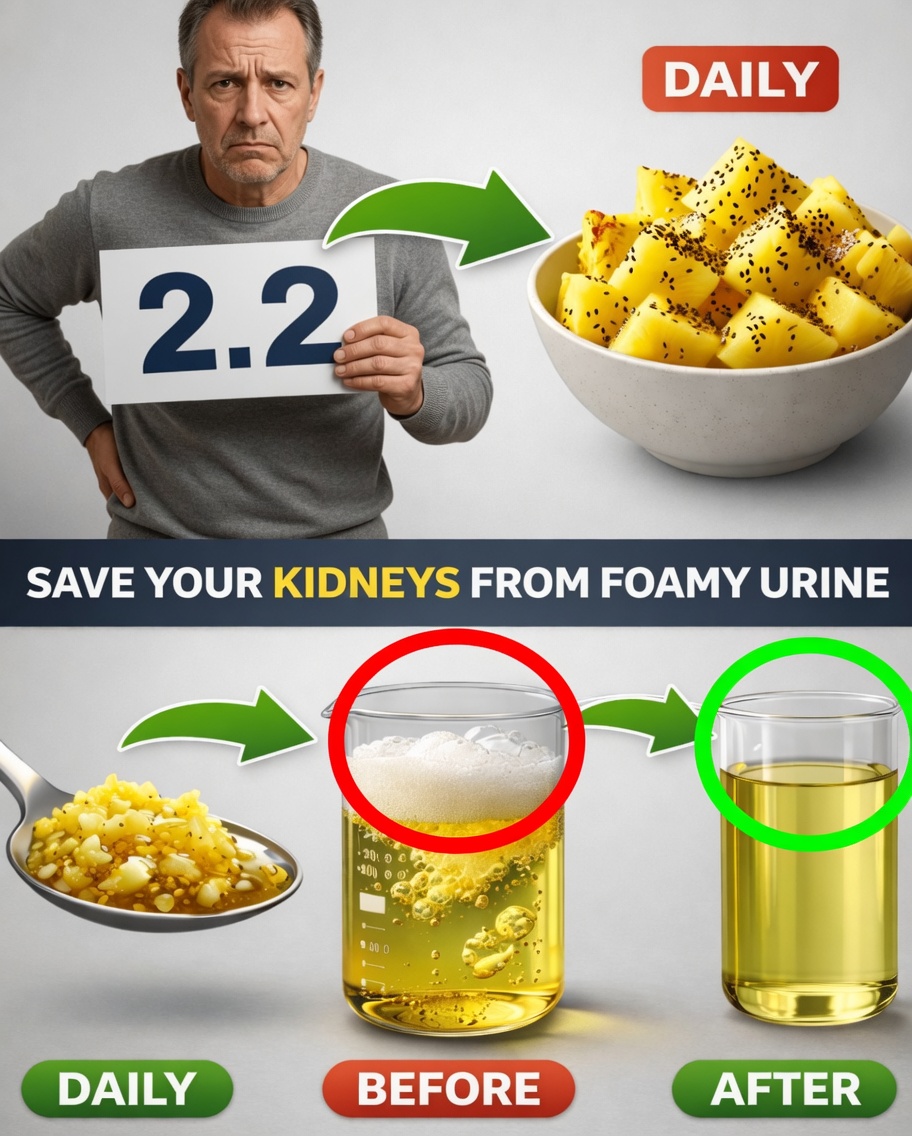
Seeing the term proteinuria on a lab report can be unsettling—especially if you’re over 50 and worried about whether it could lead to chronic kidney disease (CKD). Proteinuria means too much protein is leaking into the urine, often signaling that the kidneys’ filtering units are under stress.
You may have heard bold promises about foods that “stop proteinuria fast” or “repair kidneys overnight.” In reality, no single food can reverse kidney damage instantly. However, research and guidance from organizations such as the National Kidney Foundation (NKF) and the NIH suggest that certain nutrient-dense, kidney-friendly foods can help lower inflammation, reduce workload on the kidneys, support healthy filtration, and potentially contribute to lower protein leakage as part of a medically guided plan.
Below is a countdown of 10 evidence-based superfoods for kidney support, building toward the options that may offer the biggest overall impact.
Why Food Choices Matter for Proteinuria and Kidney Support
Proteinuria often reflects stress on the kidney filters (glomeruli), commonly linked with high blood pressure, diabetes, metabolic strain, or ongoing inflammation. The kidneys work constantly to filter waste and balance fluids, but they can struggle when the body is overloaded.
A kidney-supportive diet typically emphasizes:
- Lower sodium to support blood pressure and reduce fluid strain
- Controlled protein intake (amount and source matter)
- Antioxidant-rich foods to help counter oxidative stress
- More plant-forward meals, which research suggests can be gentler on kidney filtration than heavy animal-protein patterns
Diet isn’t a stand-alone cure, but it can be a powerful tool alongside medical care. Now, let’s get into the foods most often supported by kidney nutrition guidance.

10 Superfoods to Consider for Kidney Wellness
10) Cabbage: A Simple, Kidney-Friendly Staple
Cabbage is easy to overlook, but it deserves attention for kidney wellness. It’s naturally low in potassium and sodium, while offering phytochemicals and antioxidants that may help support inflammation control—an important factor when proteinuria is present. Many kidney-focused nutrition resources highlight cabbage as a practical, filling vegetable.
9) Red Bell Peppers: Big Flavor, Low Mineral Burden
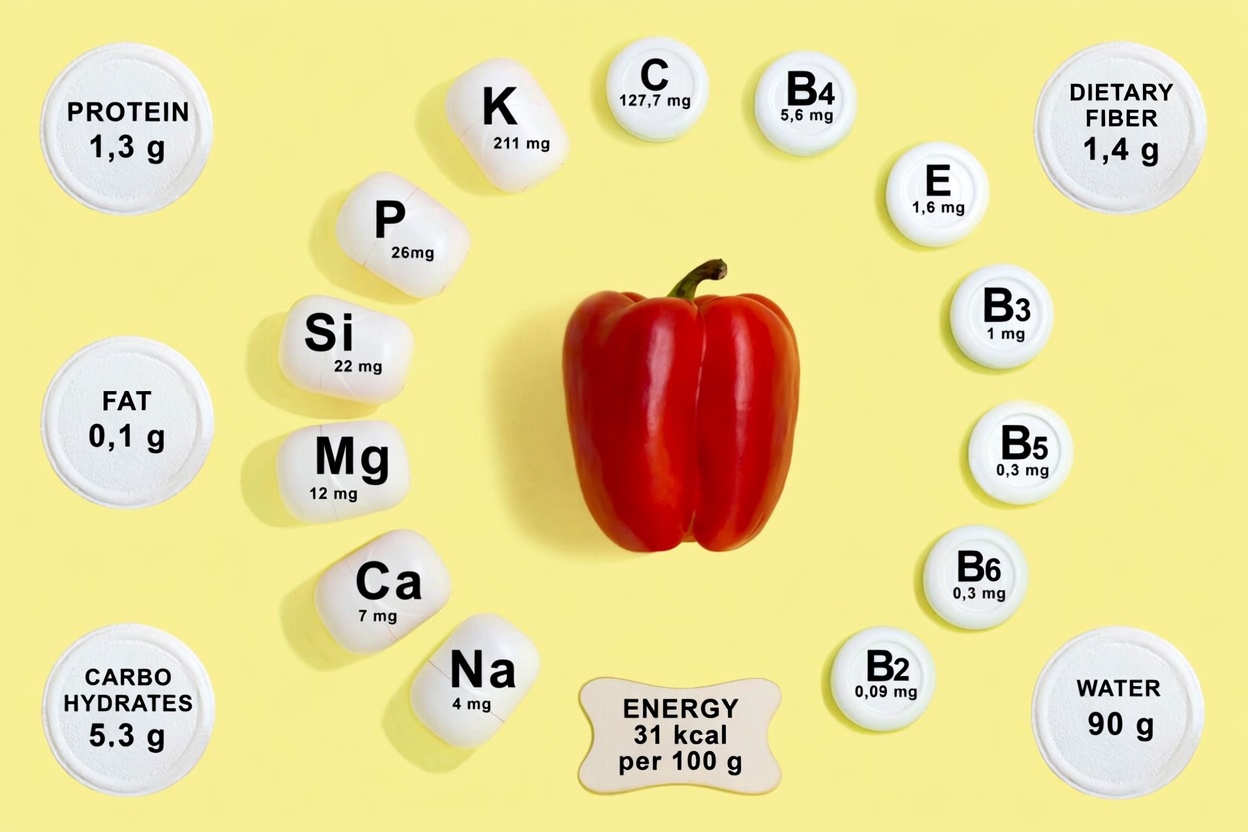
Red bell peppers add sweetness and color without loading the diet with potassium. They’re rich in vitamins A and C and contain protective antioxidants, making them a smart choice when you want flavor without extra kidney strain—especially for people following a kidney-conscious eating plan.
8) Cauliflower: Flexible, Filling, and Gentle
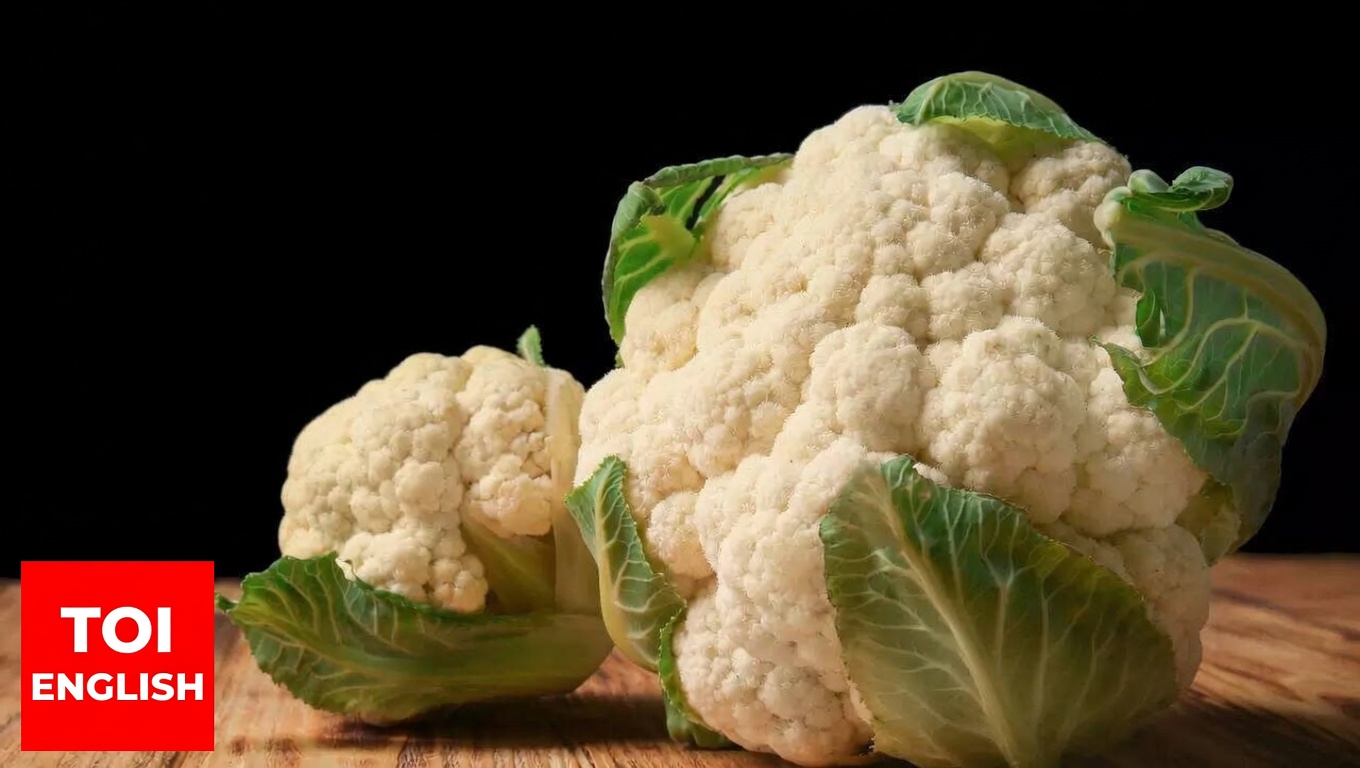
Cauliflower works in many forms—roasted, mashed, riced, or blended into soups. It provides fiber and vitamin C, and it’s generally considered a low-impact vegetable in kidney-friendly meal planning. Its antioxidants may also support the body’s defenses against oxidative stress.

7) Blueberries: Antioxidant Support for Kidney Stress
Blueberries are widely recommended in kidney nutrition discussions for a reason. Their deep pigment reflects flavonoids and antioxidants, and they’re typically low in potassium compared with many fruits. Antioxidant support matters because oxidative stress can worsen inflammation and strain already-stressed kidneys.
6) Garlic: A Salt-Free Way to Support Healthy Meals
Garlic is a powerful tool for kidney-friendly cooking because it boosts flavor without relying on sodium. Beyond taste, garlic contains sulfur compounds studied for roles in cardiovascular and metabolic support, and it may indirectly help kidney health by supporting blood pressure management, a major driver of proteinuria progression.
5) Fatty Fish (Such as Salmon): Omega-3s for Inflammation Support
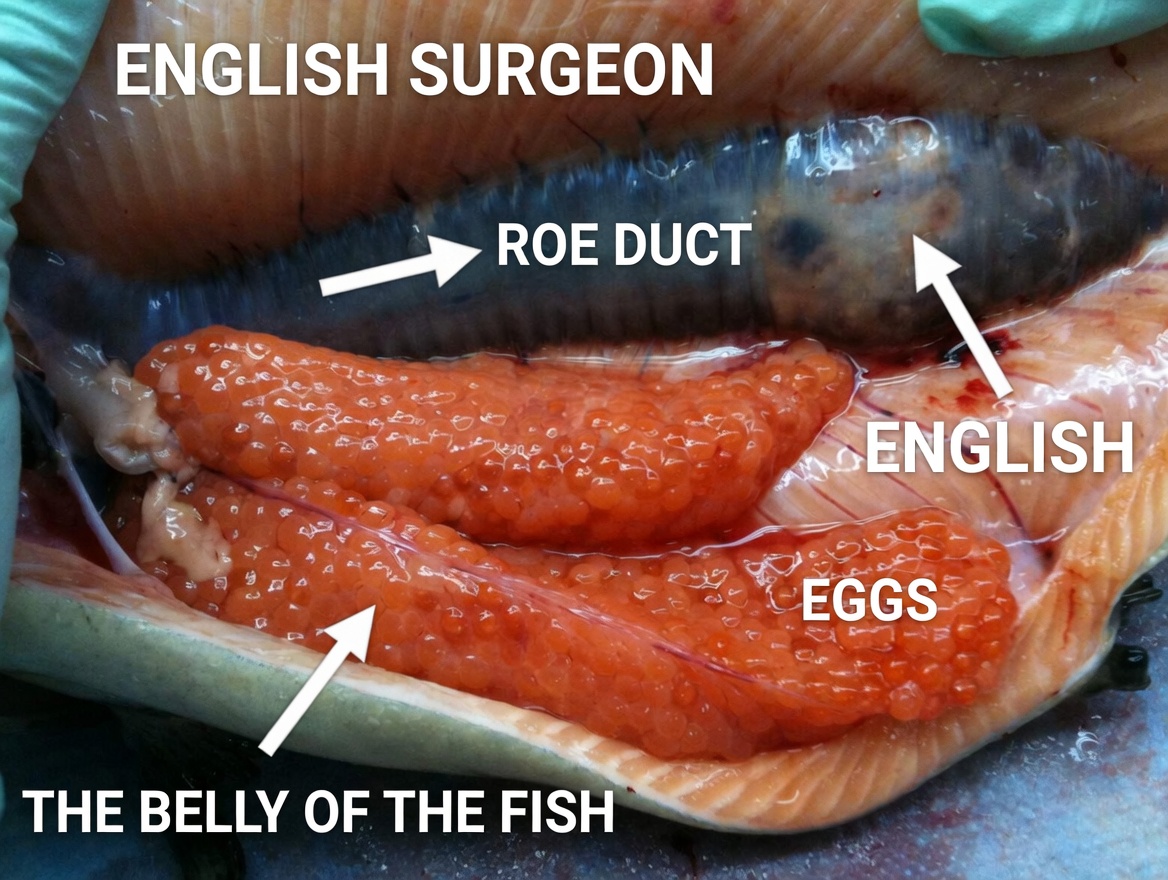
Fatty fish like salmon provide omega-3 fatty acids, which are commonly associated with inflammation balance and heart support. Since kidney health and cardiovascular health are deeply connected—especially in older adults—fatty fish can be a valuable part of a balanced plan, offering high-quality protein plus anti-inflammatory nutrients.

4) Egg Whites: High-Quality Protein With Less Phosphorus
When protein intake needs to be managed carefully, protein quality matters. Egg whites provide complete, high-quality protein while avoiding the higher phosphorus load found in egg yolks. This makes egg whites a common recommendation in kidney-focused eating patterns where protein must be controlled but not eliminated.
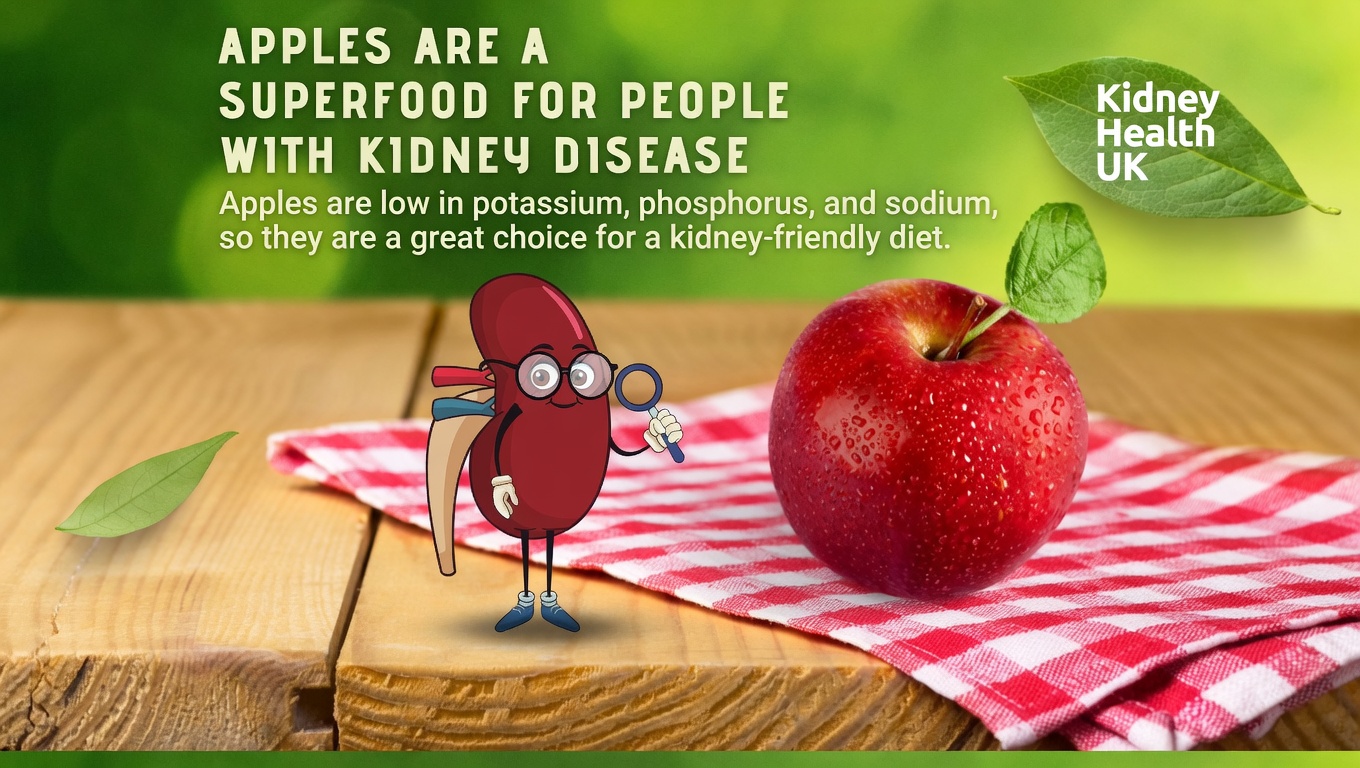
3) Apples: Fiber and Antioxidants in a Kidney-Friendly Fruit
Apples are widely considered a kidney-friendly fruit because they’re relatively low in potassium and provide fiber (including pectin) plus antioxidants. They may also support better cholesterol and blood sugar control—two factors that strongly influence kidney stress over time.
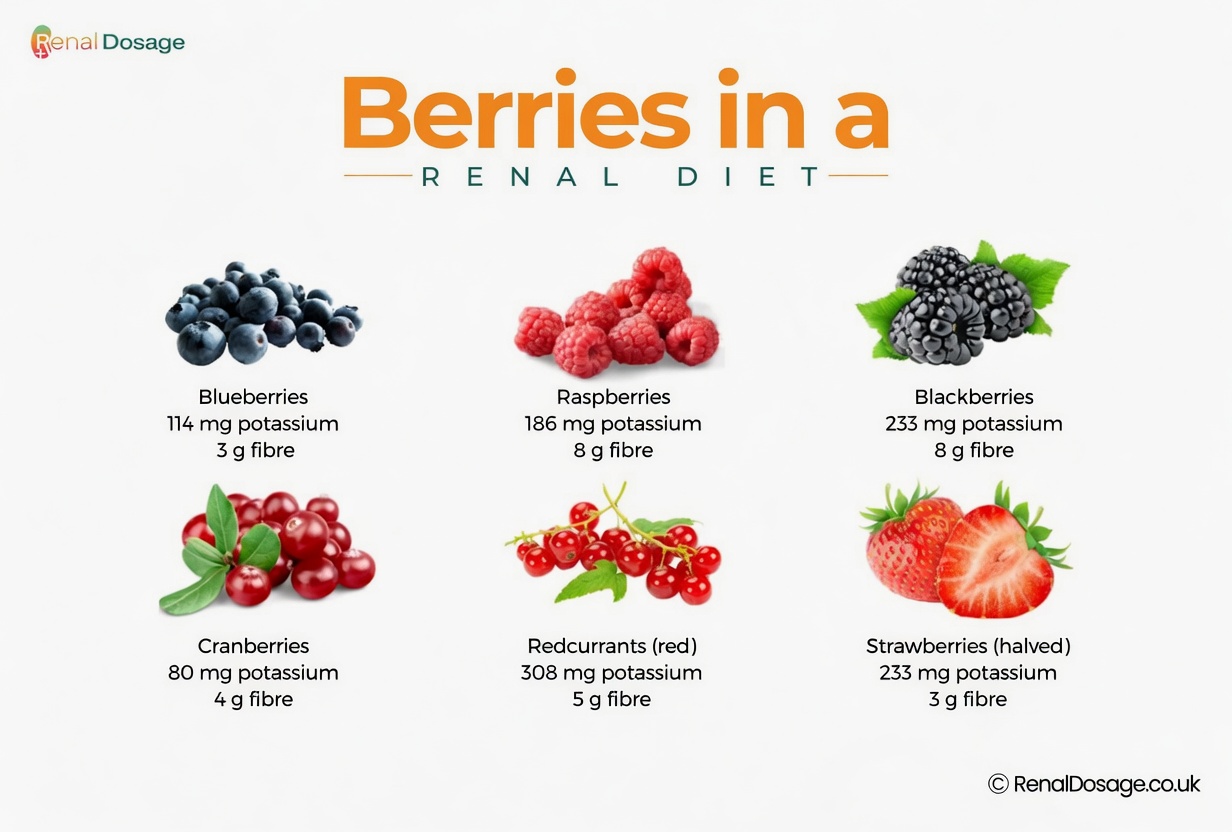
2) Other Berries (Strawberries, Raspberries): Bright, Protective, and Anti-Inflammatory
Strawberries and raspberries bring vitamin C, manganese, fiber, and antioxidants. Like blueberries, they’re often discussed in kidney nutrition because antioxidant-rich diets may help reduce oxidative stress, which is linked to inflammation and kidney strain.
1) Plant-Based Proteins (Beans, Lentils, Tofu): The Biggest Shift for Many People
Among dietary patterns associated with kidney support, one of the most impactful changes is often shifting some protein intake from animal sources to plant-based proteins such as beans, lentils, and tofu.
Research reviews frequently suggest that plant-forward protein patterns may reduce renal hyperfiltration compared with heavy animal-protein diets. In practical terms, this can mean less stress on kidney filtration and potentially better long-term markers when combined with blood pressure and glucose control.
A realistic starting point:
- Replace a few meat-based meals per week with lentil stew, bean-based soups, or tofu stir-fries
This isn’t about eliminating animal foods overnight—it’s about making consistent swaps that may meaningfully reduce kidney workload.
Comparing Top Kidney-Supportive Superfoods (At a Glance)
- Blueberries: Antioxidant and anti-inflammatory support; typically low potassium; easy in smoothies or snacks
- Cabbage: Low mineral load; antioxidant-rich; great raw, sautéed, or in soups
- Cauliflower: Fiber and vitamin C; versatile side dish or mash alternative
- Red bell peppers: Vitamins A/C; kidney-friendly flavor booster; ideal raw or cooked
- Apples: Pectin fiber and antioxidants; easy snack; helpful for balanced nutrition
- Egg whites: High-quality protein with lower phosphorus; useful when protein is controlled
- Garlic: Salt-free flavor; supports heart-healthy eating patterns
- Fatty fish (salmon): Omega-3s plus quality protein; grill or bake
- Beans/tofu: Plant protein pattern linked with gentler filtration; soups, salads, stir-fries
Easy Ways to Add These Foods to Your Routine
Small, consistent steps usually work better than drastic changes:
- Add blueberries to oatmeal or yogurt
- Roast cauliflower with garlic for a simple side
- Use cabbage in soups, slaws, or stir-fries
- Snack on apple slices instead of high-sodium processed foods
- Try tofu or lentils in one dinner this week
Portions still matter—especially if you’ve been advised to monitor protein, potassium, phosphorus, or sodium. A renal dietitian can personalize the plan.
Common Questions: How Fast Do These Foods Work—and Are They Safe?
-
“Will these foods reduce proteinuria quickly?”
Benefits are typically gradual, showing over weeks to months with consistent habits and proper medical management—not overnight. -
“Are these choices safe for everyone?”
Not always. People with advanced CKD or specific lab abnormalities may need strict limits, even on healthy foods. Always follow your clinician’s guidance.
Take a Practical Step Toward Better Kidney Support
These 10 kidney-supportive superfoods—from antioxidant-rich berries to strategic plant-based proteins—can help you build a diet that may reduce inflammation, support blood pressure goals, and ease kidney workload, which are all important when managing proteinuria.
Combined with medical care, consistent monitoring, and lifestyle changes, these food choices can help you take meaningful action—one meal at a time.
Frequently Asked Questions (FAQ)
-
What is proteinuria, and why does it matter?
Proteinuria is excess protein in urine, often indicating kidney filter stress or kidney disease risk. Tracking it helps assess kidney health and disease progression. -
Can these superfoods fix kidney problems immediately?
No. They may contribute to long-term support but do not provide instant repair. Effective management usually requires a broader plan guided by healthcare professionals. -
Are these superfoods safe for people with kidney disease?
Many can be kidney-friendly, but safety depends on your stage of kidney disease and labs (potassium, phosphorus, protein needs). Always consult your healthcare provider.
Disclaimer: This article is for informational purposes only and does not replace professional medical advice. Consult a qualified healthcare provider for personalized guidance on proteinuria and kidney health.