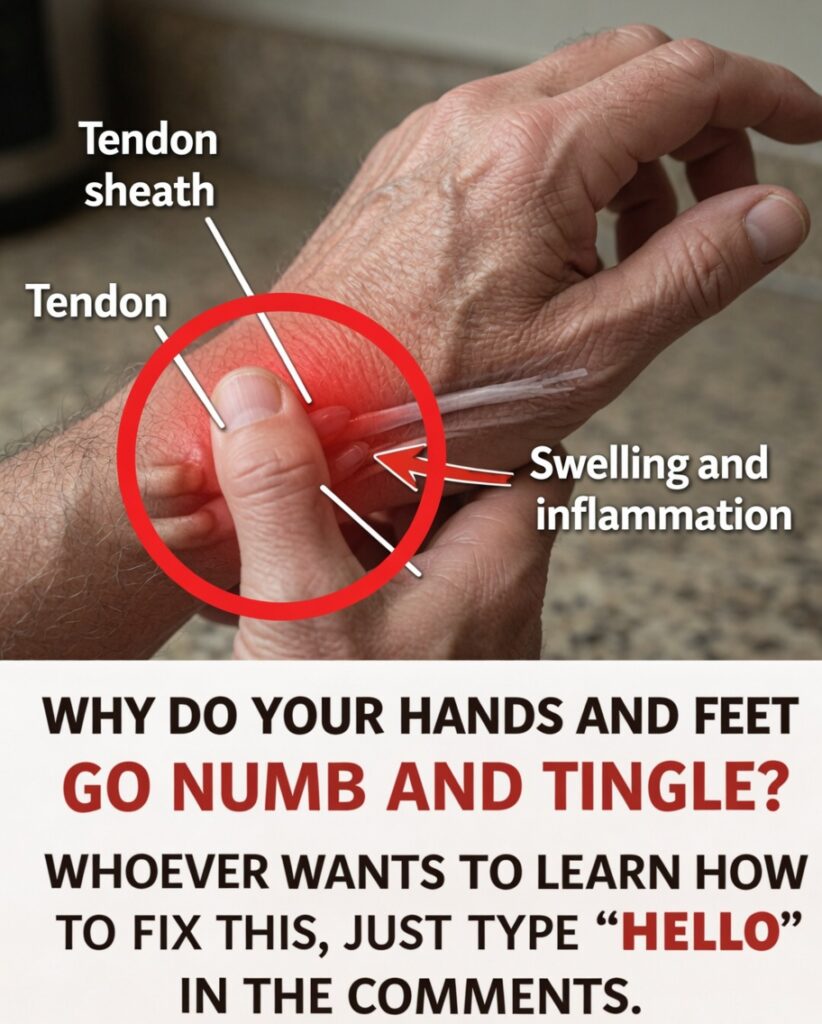
Hand Numbness and Tingling: Causes, Natural Relief, and When to Get Help
Most people have felt numb or tingling hands at least once—often after waking up with that “pins and needles” feeling, as if the hands have fallen asleep. In many cases, it’s harmless and goes away quickly. However, if hand numbness becomes frequent or persistent, it may point to an issue involving nerve irritation, reduced circulation, repetitive strain, or other health conditions.
This guide breaks down the most common causes of hand numbness and shares natural remedies that may help you improve comfort, circulation, and nerve function.
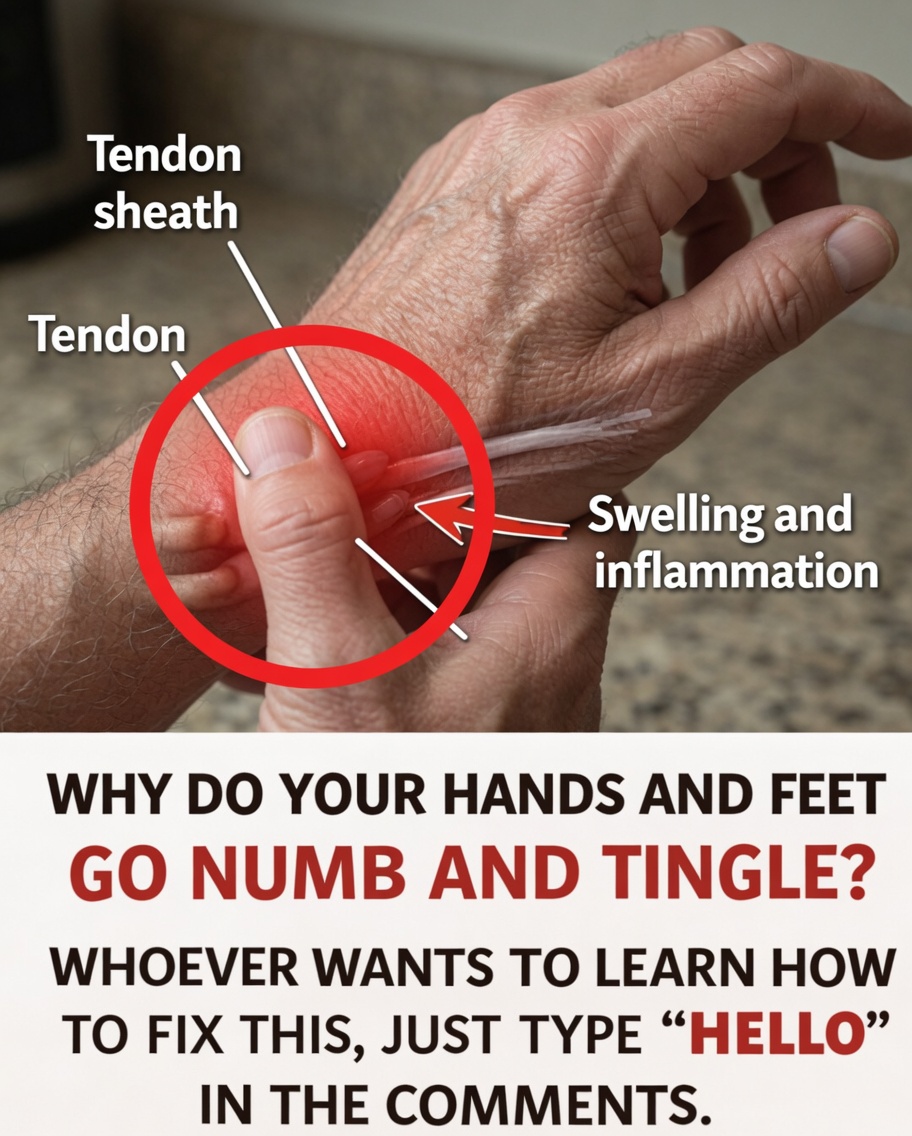
What It Means When Your Hands “Fall Asleep”
Hand numbness typically happens when a nerve or blood vessel is compressed, briefly disrupting normal communication between the brain and the hand. Once the pressure is removed, sensation usually returns—often with a tingling “waking up” effect. This temporary sensation is commonly called paresthesia.
While awkward posture and repeated movements are frequent triggers, recurring episodes can sometimes signal an underlying condition that needs attention.
Common Causes of Hand Numbness
Finding the real cause is the first step toward lasting relief. Below are the most frequent reasons your hands may go numb.
1. Awkward Sleep Position
A very common explanation is sleeping in a way that squeezes nerves or limits blood flow. This may include:
- Sleeping with wrists bent
- Lying on one arm for a long time
- Keeping elbows tucked tightly under the body
When circulation or nerve signaling is temporarily restricted, numbness can appear—then fade as blood flow returns.
Quick fix: Adjust your sleeping posture and consider a supportive pillow to reduce pressure on your arms and wrists.
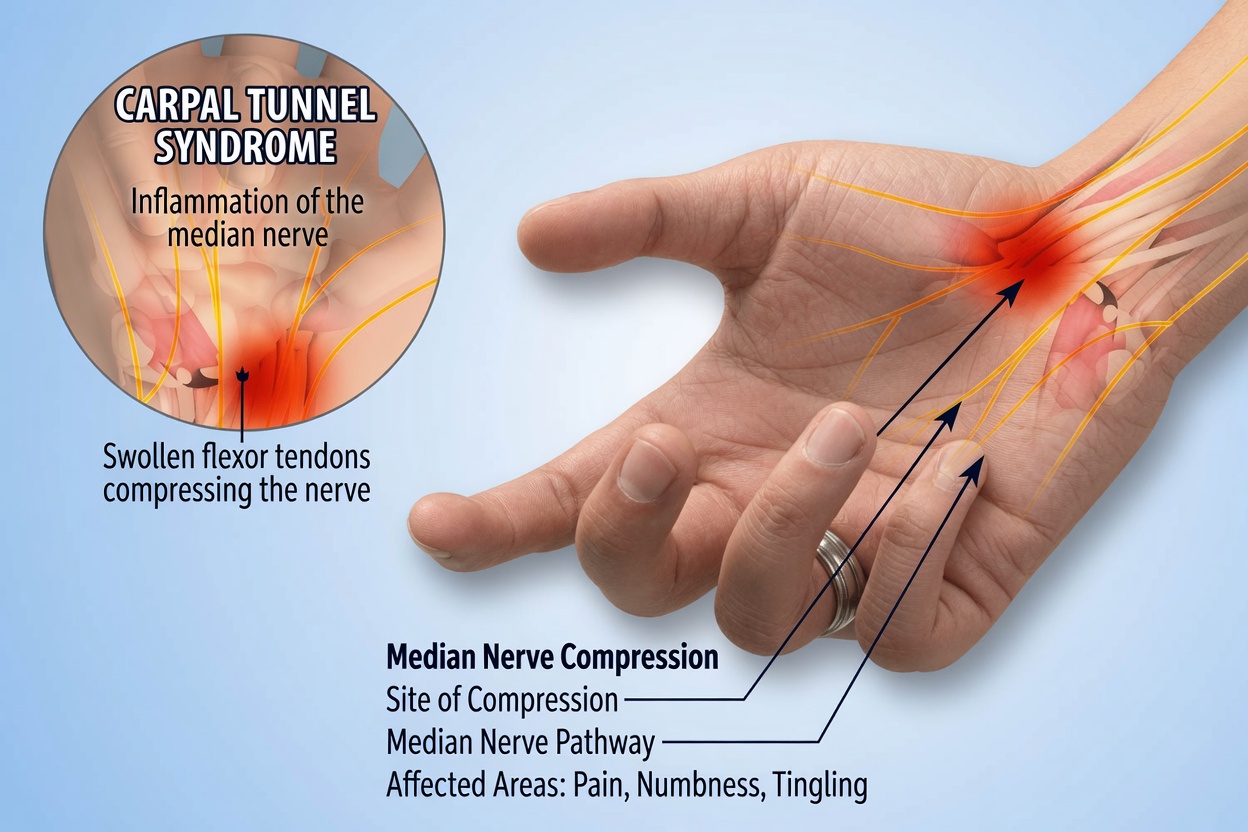
2. Carpal Tunnel Syndrome
Carpal tunnel syndrome occurs when the median nerve is compressed at the wrist, often due to inflammation or repetitive wrist motions. Typical symptoms include:
- Tingling or numbness in the thumb, index finger, and middle finger
- Reduced grip strength
- Symptoms that worsen at night
- Pain that may travel up the arm
People who type often, use vibrating tools, or repeat the same wrist movements for work are at higher risk.

3. Nerve Compression in the Neck, Shoulder, or Arm
Sometimes the problem isn’t in the hand itself. A pinched or irritated nerve higher up—especially in the neck—can send numbness down the arm into the hand. Possible causes include:
- Herniated (slipped) discs
- Cervical radiculopathy
- Ulnar nerve compression
These issues may interfere with nerve signals traveling from the spine to the hand.
4. Vitamin and Mineral Deficiencies
Low levels of key nutrients can affect nerve health. Vitamin B12 deficiency, in particular, is linked to nerve irritation and tingling sensations. Other important nutrients for nerve support include:
- Vitamin B6
- Magnesium
- Omega-3 fatty acids
When nutrient intake is insufficient, nerve function may suffer, increasing the likelihood of numbness or tingling.
5. Chronic Health Conditions
Ongoing or worsening hand numbness can also be related to broader medical conditions, including:
- Diabetes (peripheral neuropathy)
- Autoimmune disorders
- Multiple sclerosis
- Circulatory problems
These conditions may damage nerves, impair blood flow, or affect signaling pathways over time.
Natural Remedies That May Help Hand Numbness
For mild or occasional symptoms, the strategies below may help reduce pressure on nerves and improve circulation.
1. Gentle Hand and Wrist Exercises
Simple movements can improve mobility and relieve tension around nerves and tendons. Consider:
- Wrist circles/rotations
- Finger stretches and extensions
- Squeezing a stress ball
- Wrist flexor stretches
Even a few minutes a day can promote circulation and keep tissues flexible.
2. Upgrade Your Sleep Posture
To reduce nighttime hand numbness, aim to keep your wrists and arms in a neutral, relaxed position:
- Keep wrists straight (not bent sharply)
- Use a neck-supporting pillow to reduce nerve compression from poor alignment
- Avoid sleeping with arms pinned under your torso
Small adjustments often make a noticeable difference, especially if symptoms occur mostly at night.
3. Warm Compresses or Hand Massage
Massage and warmth can encourage blood flow and relax tight muscles that may contribute to compression. Try:
- Massaging palms, fingers, and forearms for 5–10 minutes
- Applying a warm compress to the wrist/hand area
- Using coconut oil or olive oil for smoother, more comfortable massage
Regular hand massage may be particularly helpful if your numbness is linked to forearm or wrist tension.
4. Support Nerves Through Nutrition
A nutrient-rich diet can help maintain healthy nerve function and circulation. Consider adding:
- Eggs and fish (good sources of vitamin B12)
- Nuts and seeds (rich in magnesium)
- Leafy greens
- Fatty fish like salmon (high in omega-3s)
Consistent intake matters—long-term habits are more effective than quick fixes.
5. Reduce Repetitive Strain (Typing, Phone Use, Tools)
Repetitive motions can irritate nerves over time. Protect your hands with simple ergonomic habits:
- Take brief stretch breaks every 30–60 minutes
- Use an ergonomic keyboard or wrist support if needed
- Adjust desk height and posture to keep wrists neutral
Reducing repetitive strain can be especially important for preventing or improving carpal tunnel-related numbness.
When to See a Doctor
Occasional numbness that resolves quickly is often not serious. However, seek medical advice if your symptoms:
- Last for several days
- Happen often or worsen over time
- Cause weakness, clumsiness, or loss of grip strength
- Spread beyond the hand (arm, face, or other areas)
These signs may suggest nerve damage or an underlying condition that needs diagnosis and treatment.
Final Thoughts
Hand numbness is common and is often caused by temporary nerve compression, posture issues, or repetitive strain. Still, frequent episodes can also be linked to carpal tunnel syndrome, vitamin deficiencies, spinal nerve compression, or chronic conditions affecting nerves and circulation.
In many cases, practical changes—better sleep positioning, regular stretching, improved nutrition, and ergonomic habits—can help reduce tingling and restore comfort. Paying attention to patterns in your symptoms is key to protecting long-term hand function.
Frequently Asked Questions (FAQ)
1. Is hand numbness always a sign of something serious?
Not always. It can be caused by temporary pressure from sleep posture or repetitive movements. If it persists, becomes frequent, or includes weakness, it should be evaluated by a healthcare professional.
2. Can vitamin deficiencies really cause numbness in the hands?
Yes. Low vitamin B12, vitamin B6, or magnesium levels can impair nerve health and contribute to tingling or numbness.
3. How can I prevent recurring hand numbness?
Focus on posture and ergonomics, take breaks from repetitive tasks, stretch regularly, and maintain a nutrient-dense diet that supports nerve function.
Disclaimer: This article is for informational purposes only and is not a substitute for professional medical advice. For diagnosis and treatment, consult a qualified healthcare provider.