
A Small Health Wake-Up Call—and a Simple Spice to Consider
On a quiet Sunday morning in Ohio, a retired man shared something with his doctor that felt surprisingly hard to say out loud. Years of sweet pastries and sugar-filled coffee had become a comforting routine, but his latest checkup showed his blood sugar and cholesterol were climbing. The embarrassment wasn’t really about the numbers—it was about recognizing that daily habits can add up over time.
The encouraging part is that meaningful change doesn’t always require a total lifestyle overhaul. Sometimes, a few small upgrades in the kitchen can support better metabolic balance. And one everyday spice—often overlooked in the back of the pantry—may be more helpful than many people expect.

Why Cinnamon Keeps Showing Up in Health Discussions
Step into a modern wellness shop or browse nutrition content online, and you’ll notice a shift: cinnamon is no longer viewed only as a baking spice.
Dietitians, researchers, and health-focused clinicians are increasingly talking about cinnamon as an easy, food-based addition that may support metabolic health—especially relevant for older adults who want steadier energy and better cardiovascular support.
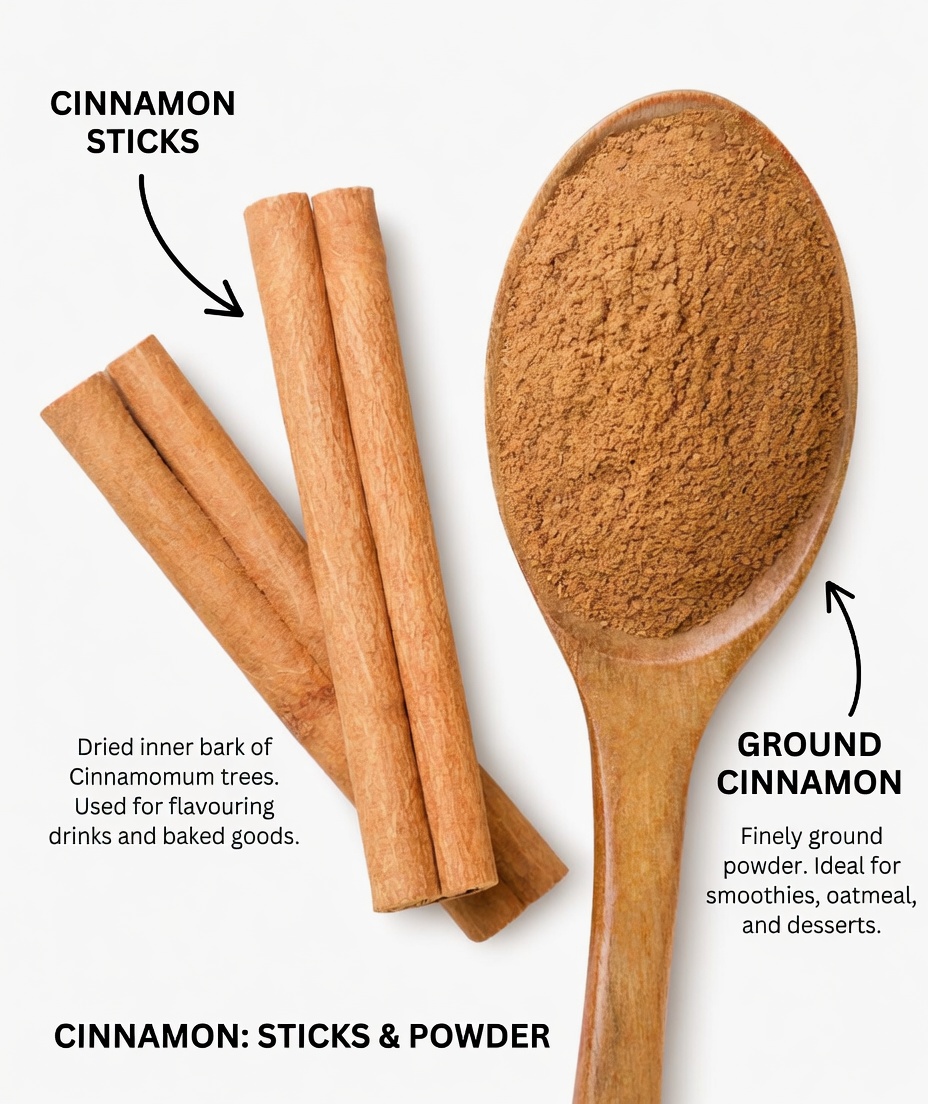
Cinnamon is made from the inner bark of trees in the Cinnamomum family. For centuries, it has been used throughout Asia, the Middle East, and Europe not just for taste, but also as a traditional wellness ingredient.
Today, science is taking a closer look at what traditional cultures have long believed: cinnamon contains plant compounds that may help the body maintain balance.
Two of the most studied compounds include:
- Cinnamaldehyde
- Polyphenols
These compounds are known for antioxidant activity, which matters because antioxidants help the body manage oxidative stress—a process linked with aging, inflammation, and long-term chronic concerns.
What’s especially interesting is that some studies suggest these compounds may also affect how the body handles blood sugar and fats.
How Cinnamon May Help Support Healthy Blood Sugar Levels
Many adults over 60 recognize a familiar pattern:
- Energy drops after meals
- Afternoon fatigue becomes more common
- Routine lab work starts showing higher glucose numbers
Maintaining stable blood sugar is a major piece of long-term wellness. When glucose rises sharply after eating, the body needs to produce insulin to move sugar into cells. Over time, frequent spikes can strain metabolic systems.
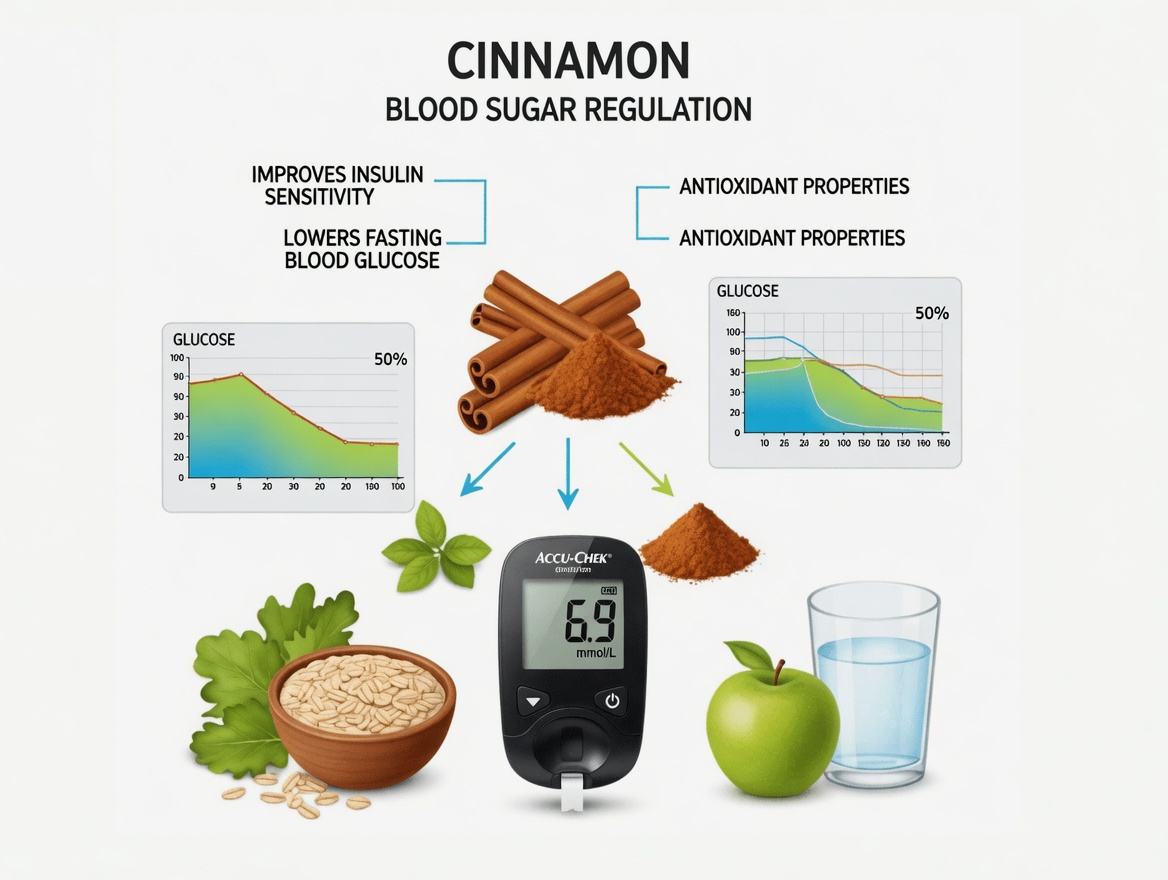
This is one reason cinnamon has attracted research interest. Multiple clinical studies have explored cinnamon’s possible role in glucose metabolism. Some findings suggest cinnamon may support the body in using insulin more efficiently—important because insulin helps move sugar from the bloodstream into cells for energy.
One often-cited clinical study involving adults with metabolic concerns reported that consuming about 1 to 6 grams of cinnamon daily was associated with noticeable improvements in fasting blood sugar. Several research reviews have also described similar trends, including modest improvements in metabolic markers.
Important: Cinnamon is not a substitute for medical treatment or prescribed medication. But as part of a balanced eating pattern, it may offer supportive benefits.
Even small, consistent amounts—such as ½ teaspoon—may contribute to:
- Less dramatic blood sugar spikes after meals
- Better insulin-related activity
- More stable metabolic patterns over time
Cinnamon and Heart Health: What Researchers Are Exploring
As we age, heart health becomes a primary focus. Public health data continues to show that cardiovascular issues remain one of the most common sources of serious health complications among older adults in the U.S.
Everyday lifestyle factors heavily influence cardiovascular risk, including:
- Diet quality
- Physical activity
- Inflammation levels
- Cholesterol and triglyceride balance
Researchers have been investigating whether cinnamon interacts with some of these factors. Several studies have linked cinnamon intake with potential improvements in lipid markers, such as:
- Lower total cholesterol
- Reduced LDL cholesterol
- Improved triglyceride levels
These markers are commonly used to evaluate cardiovascular wellness.
Some early findings also suggest cinnamon may provide mild support for healthy blood pressure. One proposed explanation is that cinnamon compounds may help support blood vessel relaxation and overall circulation.
Inflammation is another key topic. Chronic, low-grade inflammation is associated with plaque development in arteries. Because cinnamon contains multiple plant-based compounds, researchers believe it may help reduce inflammatory stress in the body.
While larger, long-term studies are still needed, the overall evidence suggests cinnamon could fit well into a heart-conscious lifestyle.
What May Be Happening in the Body After You Eat Cinnamon
Scientists have proposed several mechanisms that might help explain cinnamon’s potential benefits. In simple terms, they include:
-
Enhanced insulin signaling
Certain cinnamon compounds may interact with insulin receptors, supporting stronger cellular response to insulin. -
Improved glucose uptake
When insulin signaling works better, cells may pull glucose from the bloodstream more efficiently. -
Antioxidant support
Cinnamon’s polyphenols can help neutralize free radicals, reducing cellular stress linked with oxidative damage. -
Support for fat and lipid metabolism
Some studies suggest cinnamon may influence enzymes involved in processing fats, which may relate to changes seen in cholesterol and triglyceride levels.
A simplified overview:
- Oxidative stress: may be higher without dietary support → potentially reduced with antioxidant-rich foods
- Blood sugar spikes: may occur more frequently → may be moderated
- Inflammation: higher long-term risk when unbalanced → potentially better supported
Cinnamon isn’t a miracle ingredient, but it may work as a supportive tool when combined with healthy daily habits.
Simple Ways Older Adults Can Use Cinnamon Every Day
The most practical benefit of cinnamon is how easy it is to use. No complex recipes are required, and many people already have it at home. The key is small amounts used consistently.
Easy daily options include:
- Sprinkle cinnamon on oatmeal or whole-grain cereal
- Stir a pinch into coffee or tea
- Mix into yogurt with berries
- Add to smoothies or protein shakes
- Use it on baked apples or bananas
Because cinnamon tastes naturally sweet, it may also help reduce reliance on added sugars in drinks and desserts.
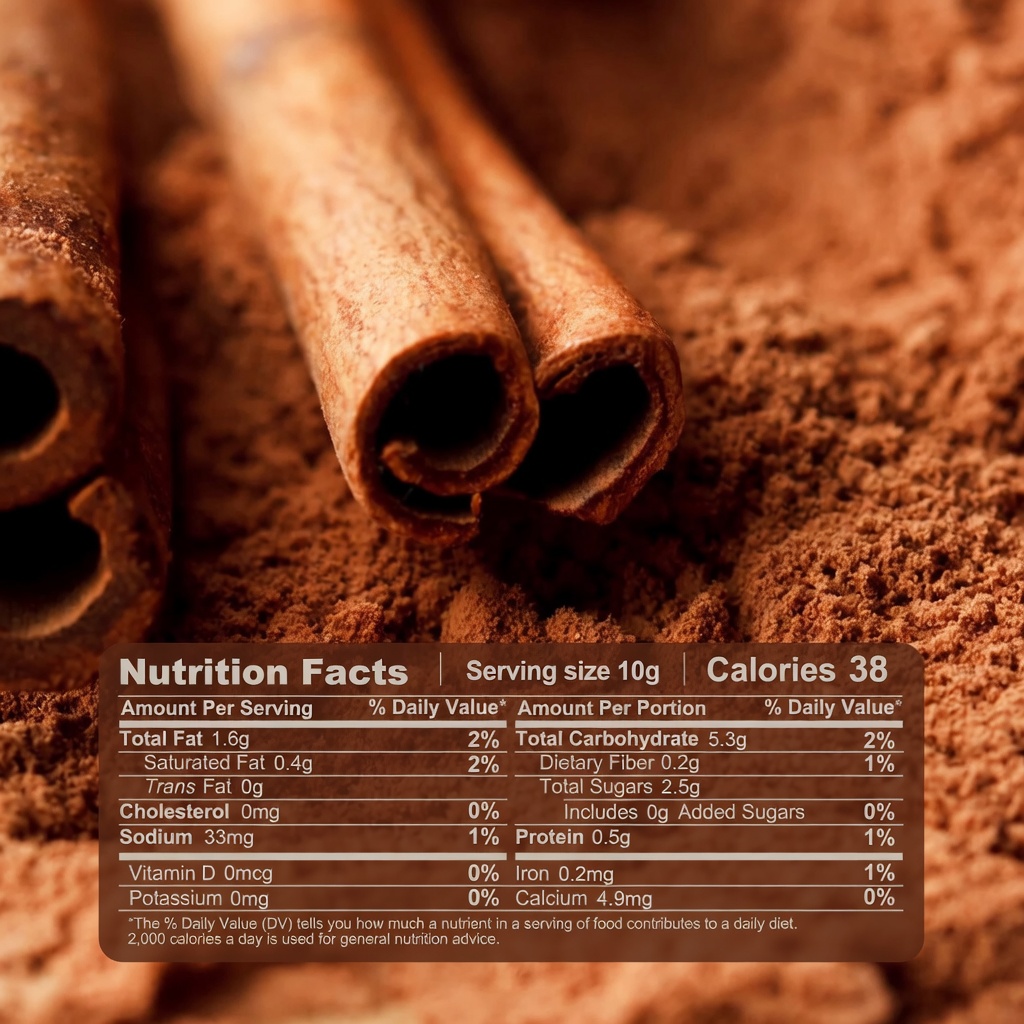
Cassia vs. Ceylon Cinnamon: Why the Variety Matters
Many people don’t realize there are different types of cinnamon.
Most supermarket cinnamon is Cassia cinnamon, which has a bold, spicy flavor and is commonly used in cooking. However, Cassia contains higher levels of coumarin, a naturally occurring compound that may not be ideal in large, frequent amounts for some individuals.
Another option is Ceylon cinnamon, often called “true cinnamon.” It tends to taste milder and is typically lower in coumarin.
Quick comparison:
- Cassia cinnamon: stronger flavor, higher coumarin, widely sold in grocery stores
- Ceylon cinnamon: milder and slightly sweeter, lower coumarin, often found in specialty stores
For people who plan to use cinnamon daily, many nutrition professionals recommend Ceylon cinnamon when available. Regardless of the type, moderation remains important.

Final Thoughts: A Small Habit with Meaningful Potential
Cinnamon’s rise in wellness conversations isn’t just hype. Research increasingly suggests this ancient spice may support:
- Metabolic balance
- Healthier blood sugar patterns
- Cardiovascular wellness markers
—when used as part of a balanced lifestyle.
For older adults, the most powerful approach is often the simplest: small, consistent habits that are easy to maintain. Adding a little cinnamon to daily meals is one of those changes that can fit naturally into routine—without making life feel restrictive.