Everyday Signs of Aging—And the Quiet Role Food Plays
You tend to notice it in the most ordinary situations: stairs feel steeper than they used to, your knees complain when you stand, and by late afternoon your “battery” drops fast. Many adults over 50 experience these shifts but keep them to themselves—often out of embarrassment or the assumption that it’s simply unavoidable.
What can feel especially discouraging is that even people who think they eat well still describe low energy, mental fog, and a gradual loss of strength. The overlooked truth is this: small, consistent food choices can meaningfully influence how the body ages. Below are simple, realistic foods that can support energy, muscle, heart health, joint comfort, hydration, and mental sharpness—without complicated rules.

Sweet Potatoes: Support for Vision, Steady Energy, and Skin Health
Do your eyes feel more strained at night than before, or does your skin seem a bit less bright? After 50, the body may not handle certain nutrients as efficiently, which can make these changes feel more noticeable.
Sweet potatoes help close that gap. They’re rich in beta-carotene, which your body converts into vitamin A—a nutrient strongly associated with eye health and skin maintenance in nutrition research. In fact, a single medium sweet potato can provide more than a day’s worth of vitamin A for many adults.
They also bring fiber and potassium, which can help support more stable energy and better daily functioning.
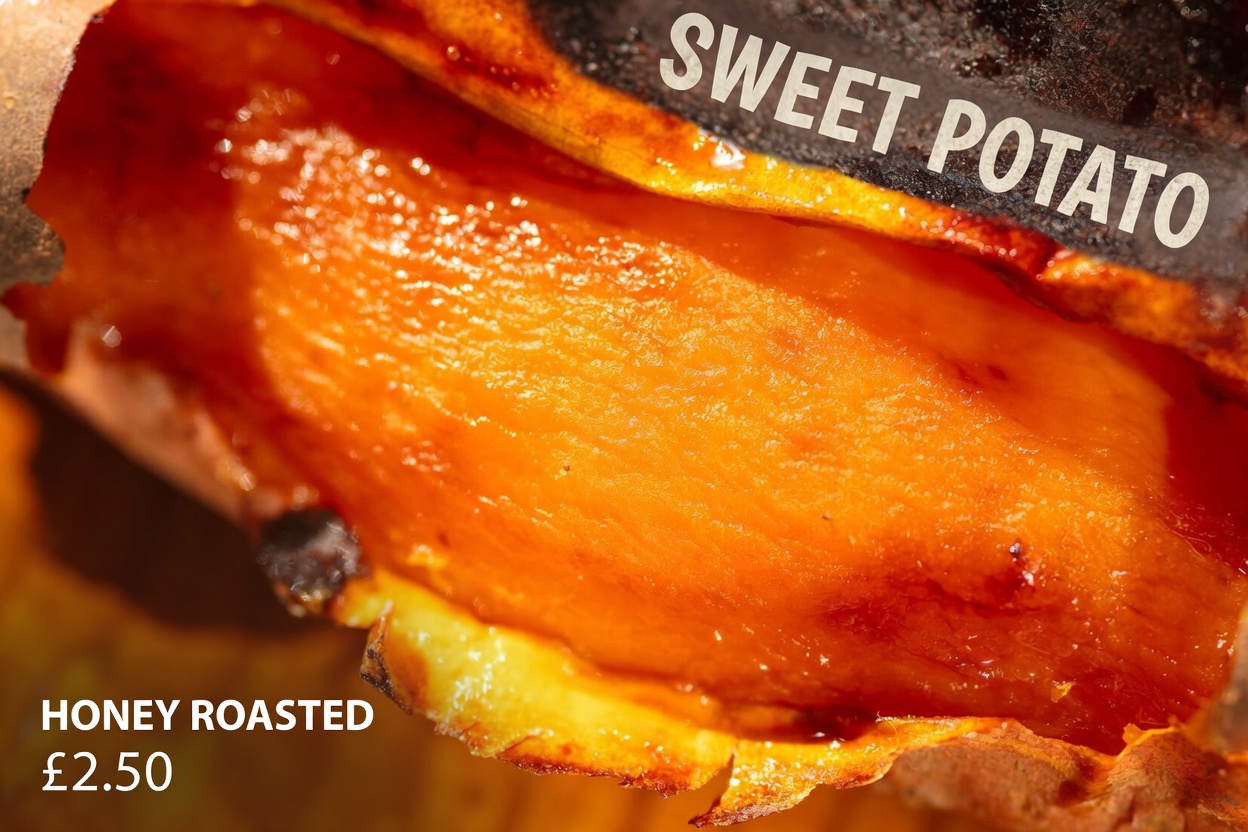
Simple ways to eat more sweet potatoes
- Roast cubes with olive oil and cinnamon
- Mash them as a side dish instead of white potatoes
- Add diced sweet potato to soups, stews, or chili
Many people notice a more consistent “all-day” energy when they swap processed carbs for nutrient-dense options like sweet potatoes.
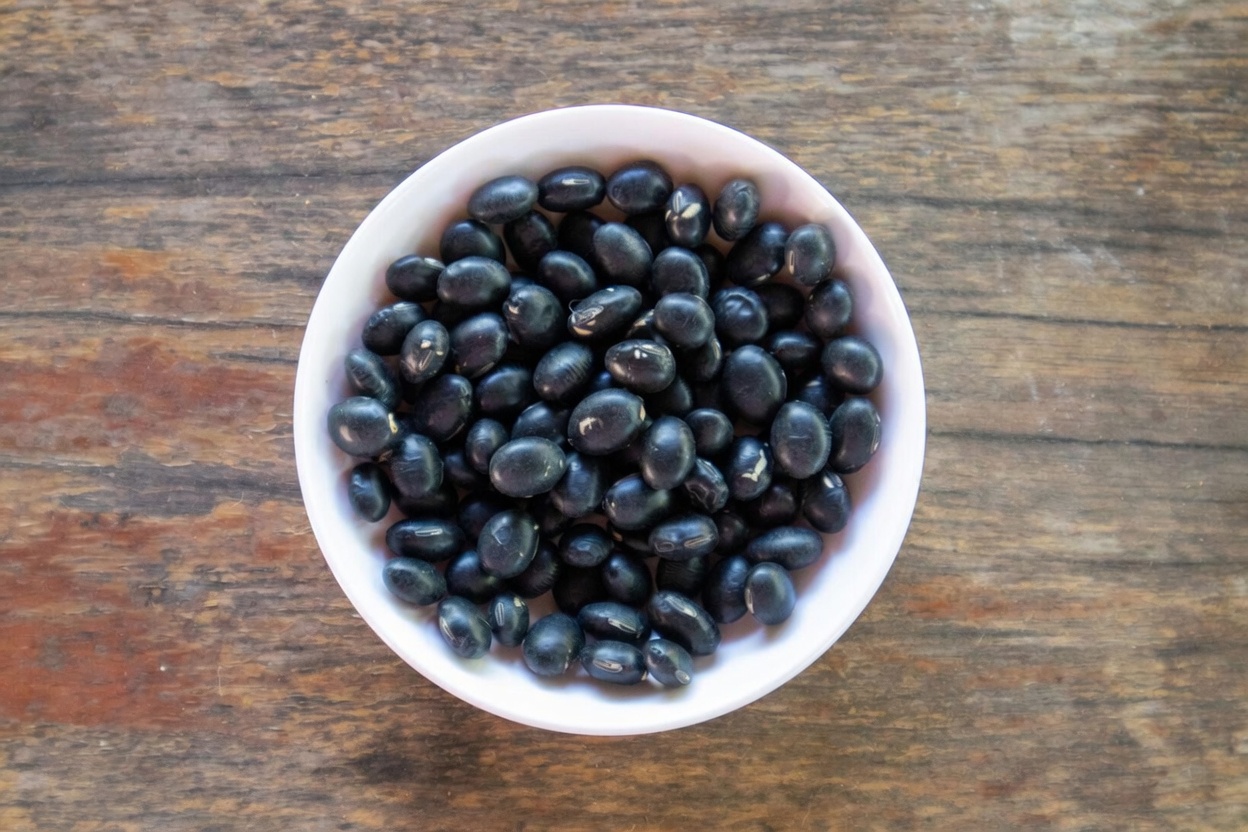
Black Beans: A Practical Tool for Muscle Maintenance and Heart Health
Muscle loss can creep up after 50, especially if protein intake and strength-building habits don’t keep pace. Research often estimates adults may lose 3–8% of muscle mass per decade without targeted support.
Black beans are a surprisingly effective everyday staple. One cup offers roughly 15 grams of plant protein plus fiber, magnesium, and iron—a helpful combination for both strength and stamina.
Protein supports muscle maintenance, while fiber is widely linked with healthier cholesterol and cardiovascular markers. Studies published in journals such as the American Journal of Clinical Nutrition frequently associate legume-rich diets with improved heart-health indicators.
Easy ways to use black beans
- Add to tacos, wraps, or burrito bowls
- Stir into soups or chili
- Toss with olive oil, lime, herbs, and salt for a quick salad
They’re also affordable, satisfying, and easy to keep on hand—especially canned (just rinse to reduce sodium).
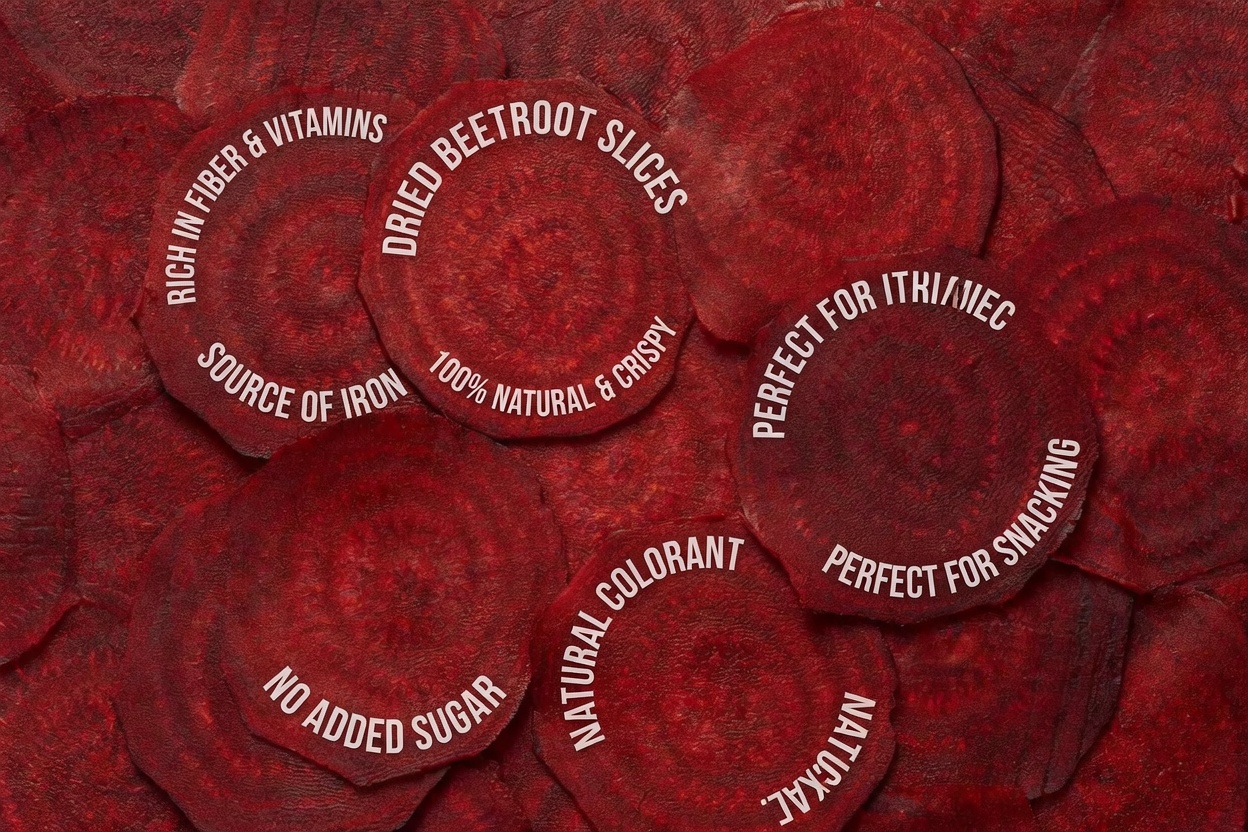
Beets: Circulation Support for More Comfortable Daily Activity
If everyday tasks—walking, gardening, even grocery shopping—feel more draining than they used to, circulation changes may be part of the story. This is a common shift with age.
Beets contain natural dietary nitrates, which the body converts into compounds that support healthy blood flow. Exercise physiology research often suggests nitrates may help the body use oxygen more efficiently during activity—one reason beet juice is popular in sports nutrition.
You don’t need to be an athlete to benefit from better circulation support.
Simple ways to add beets
- Roast sliced beets with olive oil
- Add shredded beets to salads
- Blend cooked beets into smoothies
Some older adults find that eating beets a few times per week helps them feel a bit more capable and energized during routine movement.
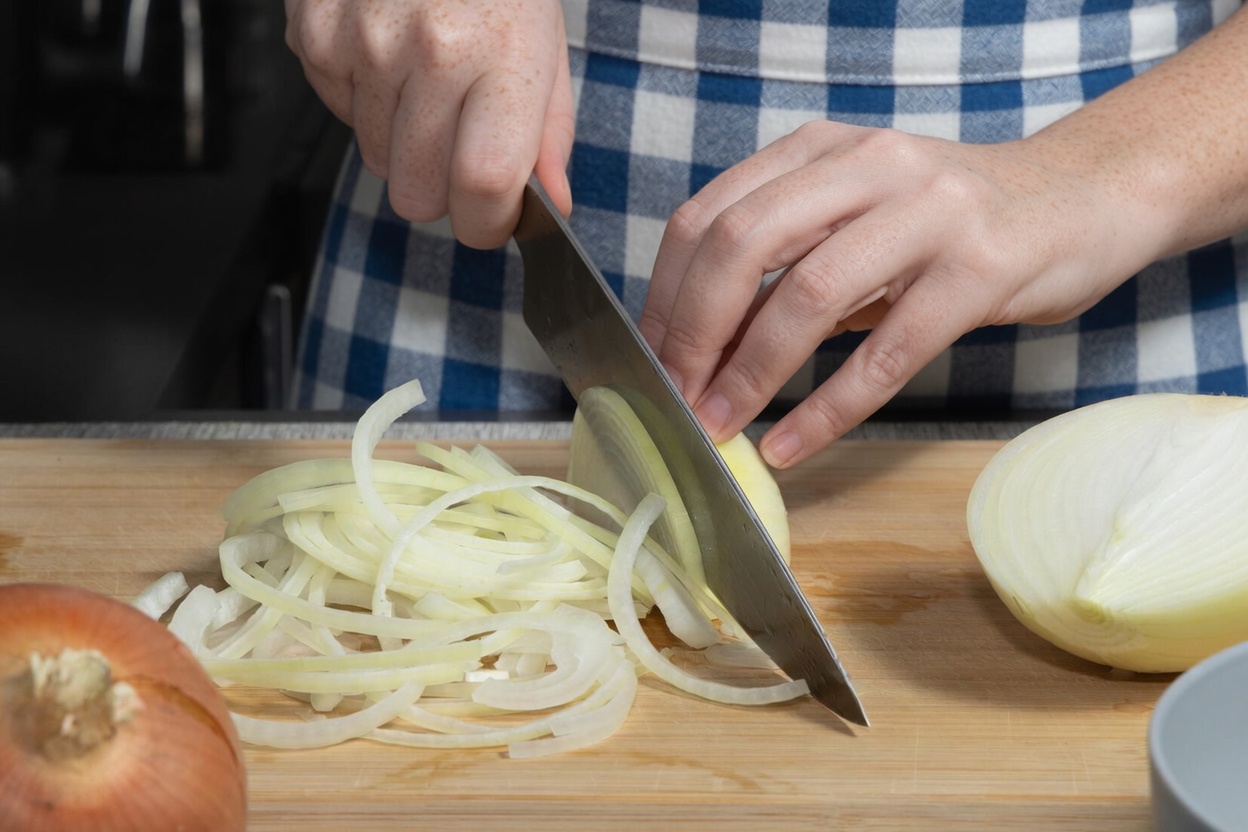
Onions: Plant Compounds That Support Immunity and Cellular Protection
Do small cuts seem to take longer to heal? Are colds more frequent than they used to be? Immune function can subtly shift over time, and diet becomes an even more valuable support.
Onions contain beneficial plant compounds such as quercetin and sulfur-containing compounds, which are commonly studied for their antioxidant and anti-inflammatory activity. Nutrition reviews often link these compounds with immune support and cellular defense.
A helpful detail many people miss: slow-cooking onions can encourage the release of flavorful—and potentially beneficial—compounds.
Easy onion habits
- Sauté onions slowly in olive oil before adding other ingredients
- Add chopped onion to salads, sandwiches, or grain bowls
- Roast onions alongside other vegetables for deeper flavor
The taste upgrade alone can make healthier meals feel more satisfying.
Extra Virgin Olive Oil: A Daily Staple for Heart and Metabolic Health
If one food shows up repeatedly in longevity research and traditional healthy diets, it’s extra virgin olive oil. It’s central to the Mediterranean eating pattern, studied for decades for its link to heart health.
Large studies (including the well-known PREDIMED trial) suggest that olive-oil-rich diets are associated with better cardiovascular markers. The “why” is part of what makes it so useful: olive oil provides monounsaturated fats and plant polyphenols that help support a balanced inflammation response.
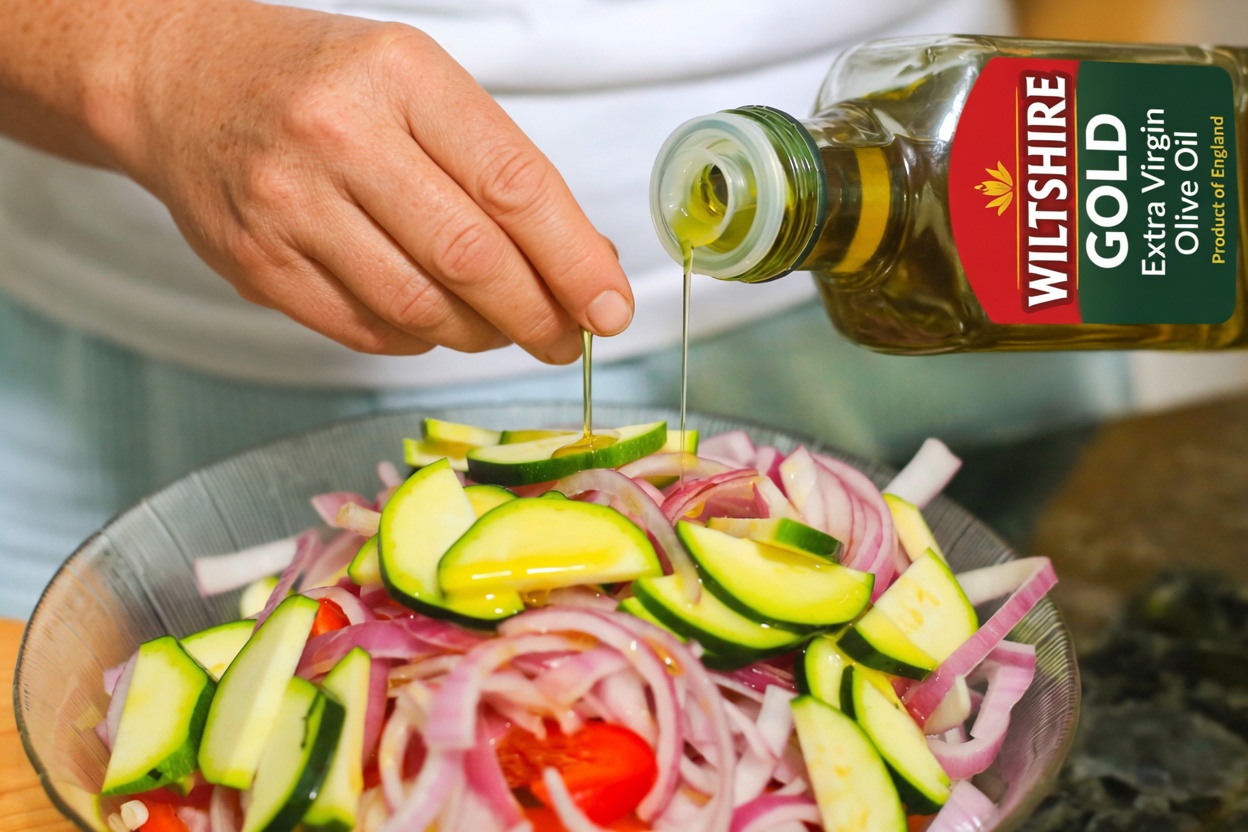
Simple ways to use extra virgin olive oil
- Drizzle over salads and vegetables
- Roast vegetables with olive oil instead of using heavy sauces
- Dip whole-grain bread in olive oil rather than butter
It’s a small switch that can add up over time.

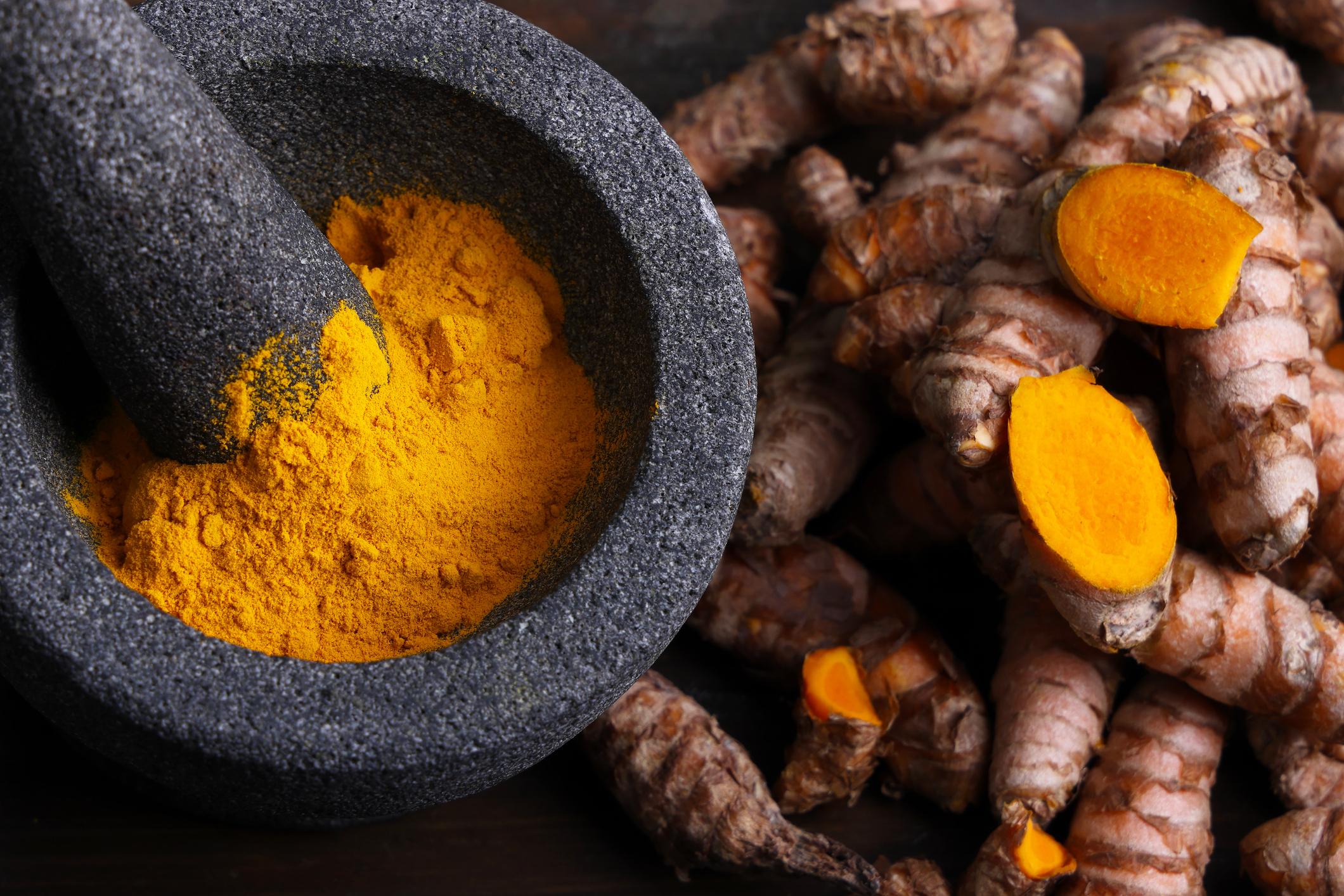
Turmeric: Linked to Joint Comfort—Especially When Used Correctly
Morning stiffness is a familiar complaint after 50: tight knees, a back that needs time to loosen up, joints that feel “rusty” after sitting.
Turmeric contains curcumin, a compound studied for its anti-inflammatory potential. Reviews in journals such as Phytotherapy Research discuss curcumin’s possible role in supporting joint comfort for some people.
One key tip: curcumin is absorbed better when paired with black pepper.
Easy turmeric ideas
- Add turmeric + black pepper to soups or lentil dishes
- Mix a pinch into scrambled eggs
- Stir into warm milk or tea
Even small amounts can enhance both flavor and overall nutrition.
Garlic: Traditional Support for Circulation and Immune Function
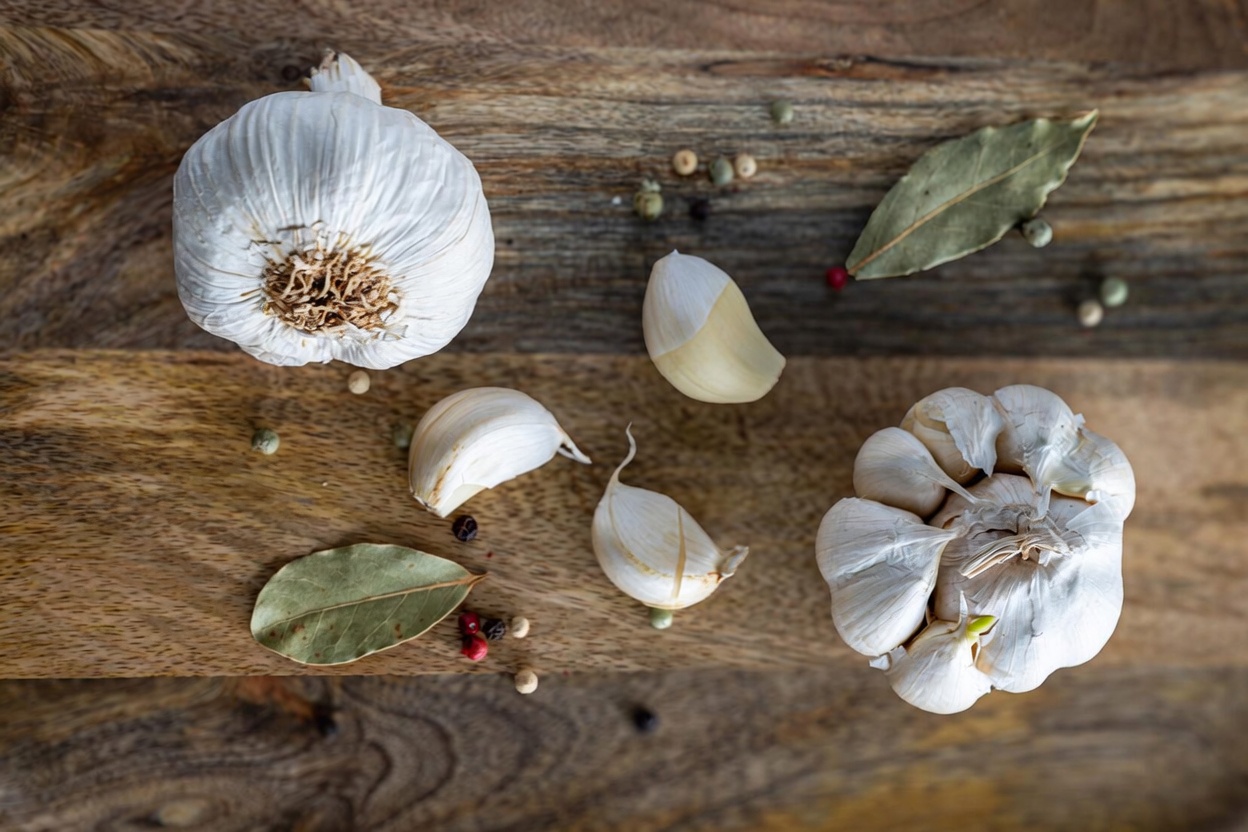
Garlic has been valued in global cuisines for centuries—and modern nutrition research continues to explore why. When garlic is chopped or crushed, it forms allicin, a compound associated with supporting healthy blood pressure and cardiovascular function.
A simple technique can help: after crushing garlic, let it rest for about 10 minutes before heating. This allows beneficial compounds to develop more fully.
Simple ways to eat more garlic
- Add fresh garlic to stir-fries and sautés
- Mix minced garlic with olive oil for bread dipping
- Roast whole cloves with vegetables
Greek Yogurt: Protein, Calcium, and Probiotics for Aging Well
After 50, many people need more protein—yet appetite may decrease. That’s why nutrient-dense, high-protein foods become especially valuable.
Greek yogurt delivers a strong mix of protein, calcium, and probiotics, supporting:
- muscle maintenance
- bone strength
- digestive balance
Many options provide 20+ grams of protein per serving, making it an efficient way to meet daily needs.
Easy serving ideas
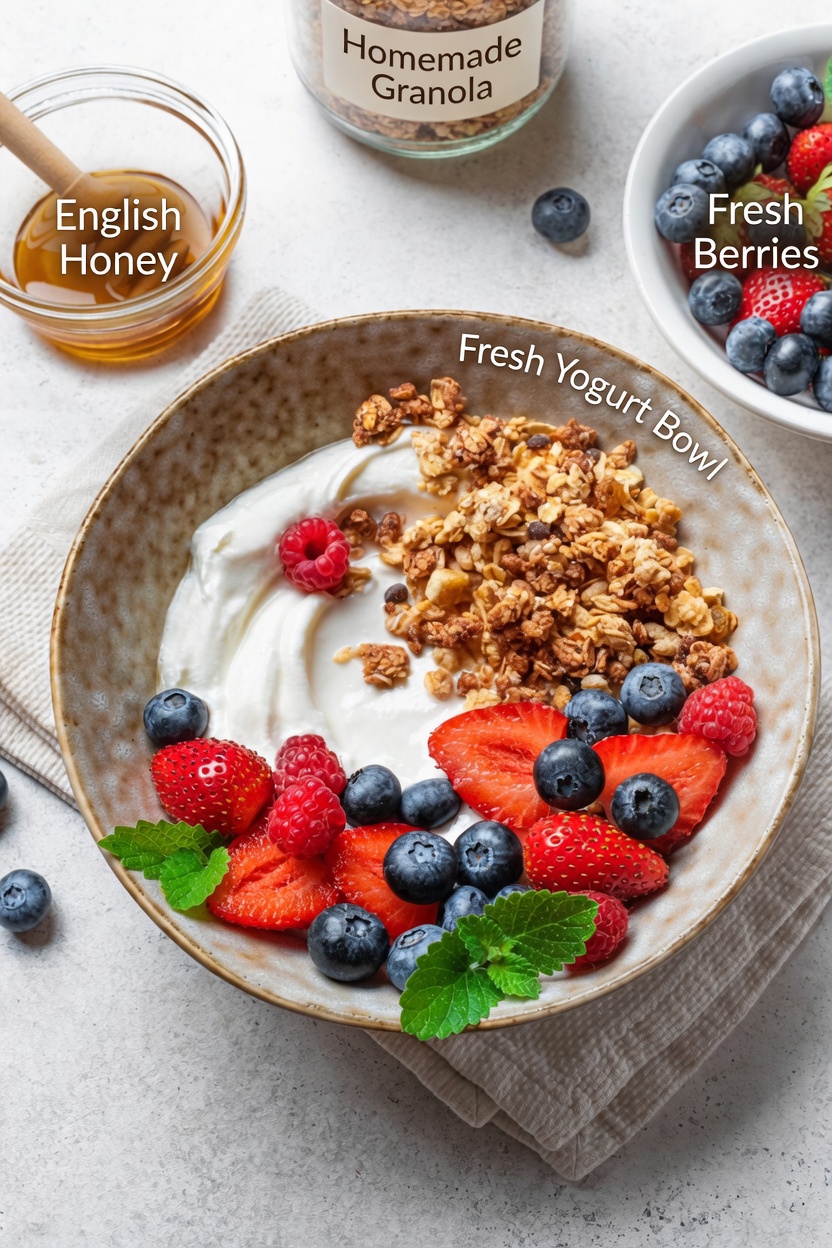
- Add berries and nuts
- Mix with honey and cinnamon
- Use as a creamy topping for fruit
Ginger: Gentle Support for Digestion and Everyday Comfort
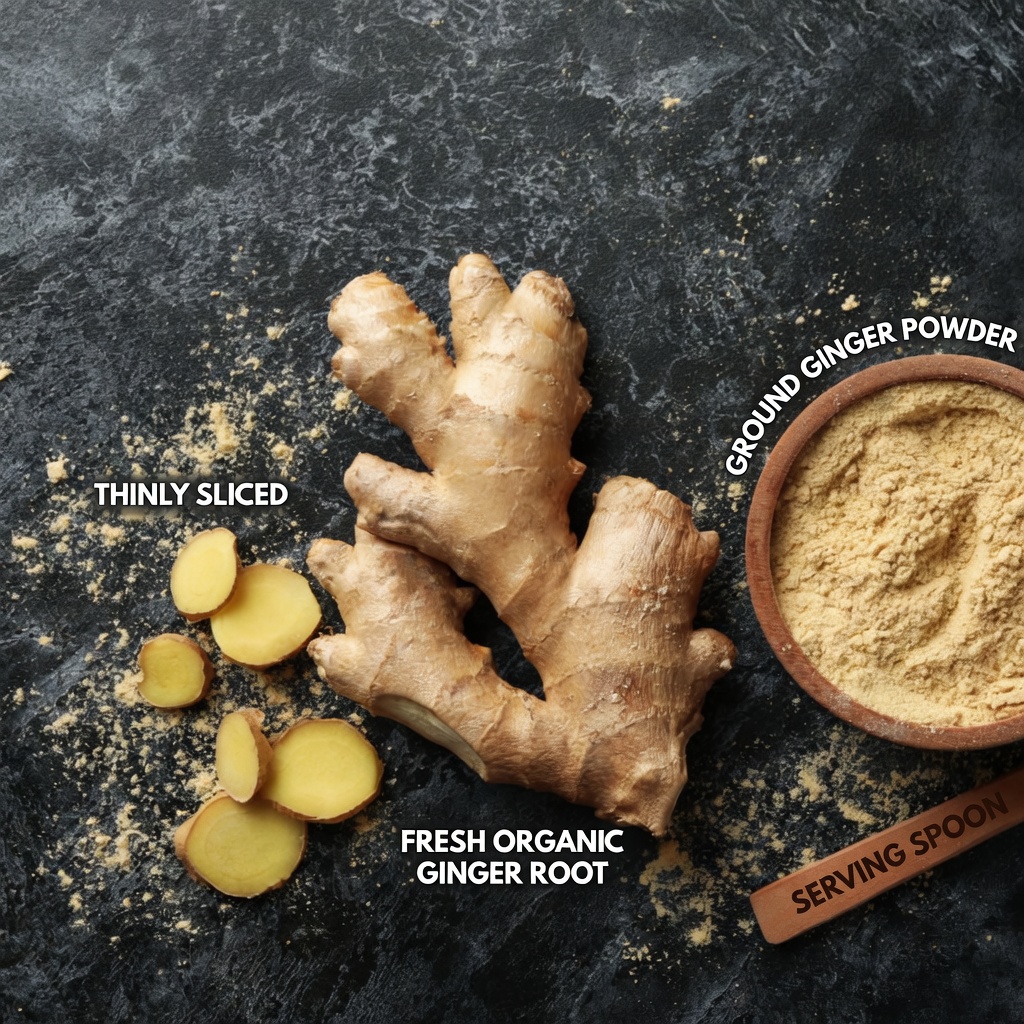
Digestive discomfort can become more common with age—bloating, slower digestion, or occasional nausea. Ginger contains gingerols, compounds studied for their potential role in supporting digestion and stomach comfort. This is one reason ginger tea has remained a long-standing home remedy.
Easy ways to use ginger
- Brew fresh ginger tea
- Add grated ginger to stir-fries
- Blend into smoothies
A small amount can make a noticeable difference in flavor—and often in comfort.
Cucumbers: Hydration Support and Light, Satisfying Volume
Hydration matters more as we age, and the body’s thirst signals can become less reliable over time. Cucumbers are roughly 96% water, and they also provide small amounts of vitamin K and helpful antioxidants.
They’re a simple way to:
- support hydration
- increase meal volume with minimal calories
- make healthy snacks feel more refreshing
Try these ideas
- Cucumber slices with hummus
- Cucumber salad with vinegar and herbs
- Add cucumber to water for a fresh taste
Eggs: Key Nutrients for Brain and Eye Health
Eggs have been debated for years, but modern nutrition guidance often supports moderate egg intake for many people as part of a balanced diet.
What makes eggs especially useful after 50 is their nutrient profile. Eggs provide:
- high-quality protein for muscle maintenance
- choline, a nutrient important for brain function
- lutein and zeaxanthin, antioxidants associated with eye health
Simple ways to enjoy eggs
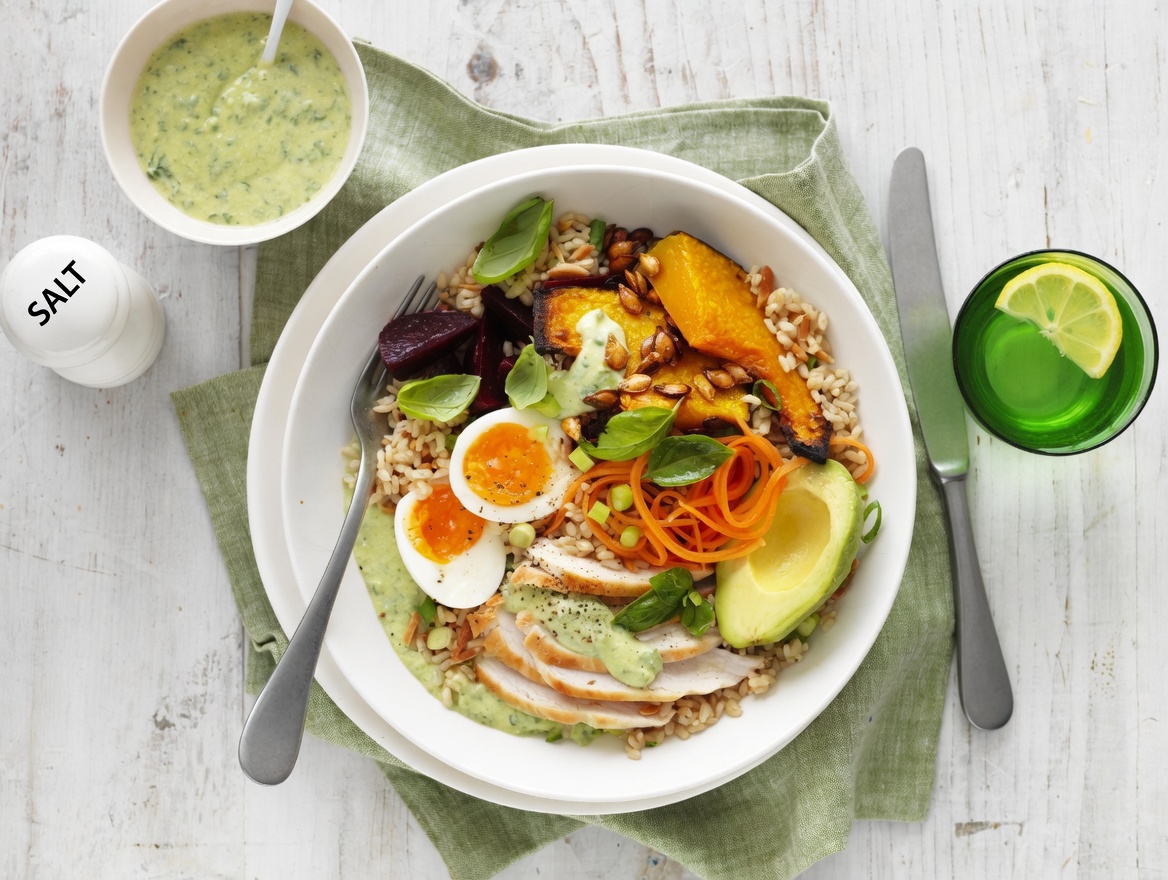
- Hard-boiled as an easy snack or salad add-on
- Scrambled with vegetables and a pinch of turmeric + black pepper
- Omelet with onions, garlic, and herbs
Bringing It All Together: Small Daily Choices, Noticeable Long-Term Benefits
Aging doesn’t happen overnight—and neither does feeling better. But consistent, realistic upgrades (like choosing sweet potatoes over processed carbs, adding beans to meals, cooking with olive oil, or using turmeric correctly) can support the foundations that matter most after 50: energy, strength, circulation, immunity, digestion, hydration, and mental clarity.
The most powerful approach is also the simplest: start with one food, use it a few times per week, and build from there.