

5 Everyday Foods a 92-Year-Old Japanese Fitness Instructor Eats to Stay Active
As the years pass, many people begin to feel the changes more clearly: lower energy, tighter joints, and simple daily activities that seem to require more effort than before. It can be discouraging to feel your body slowing down when you still want to stay mobile, strong, and fully engaged in life. Yet some long-standing, traditional foods may help support the kind of vitality many of us hope to maintain as we age.
That is the lesson shared by Takishima Mika, Japan’s oldest fitness instructor, who continues to inspire people through the habits she follows every day. Her routine is not built on trendy supplements or strict diets. Instead, it centers on simple, familiar foods that nourish the body consistently over time.
Even better, you do not need to wait until old age to start eating this way. Below are the five foods Mika includes in her regular meals, the reasons they matter, and practical ways to bring them into your own diet.
Who Is Takishima Mika, and Why Is Her Diet So Interesting?
Takishima Mika is far from a typical 92-year-old. She still leads fitness classes, runs several kilometers in the morning, and strength trains with remarkable control. Her day begins before 4 a.m., followed by hydration, movement, and meals based on classic Japanese eating principles: fermented foods, quality protein, and nutrient-dense ingredients.
What makes her lifestyle so compelling is its simplicity. She does not rely on extremes. Her method is based on small, repeatable choices that are realistic for everyday life. Research has long suggested that fermented foods and protein-rich staples may help support gut health, muscle preservation, and overall function as we get older. Mika’s daily menu reflects exactly that idea.
At the center of her eating pattern are five foods she returns to again and again.
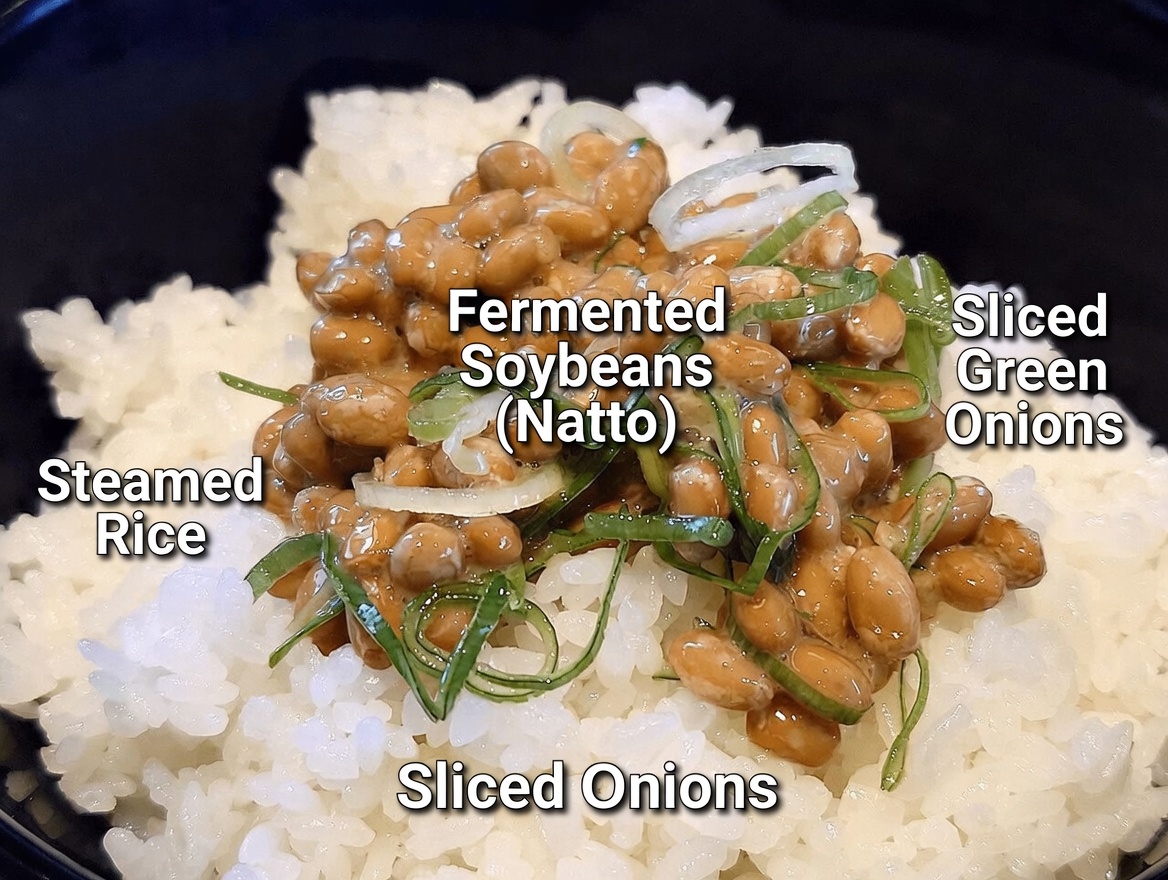
1. Natto: A Traditional Fermented Soy Food for Energy and Strength
Natto, made from fermented soybeans, is one of Mika’s must-have foods. Known for its sticky texture and strong aroma, it can be an acquired taste, but it has an impressive nutritional profile. She eats it both in the morning and again at night.
Fermentation creates nattokinase, an enzyme often studied for its potential role in supporting healthy circulation. Natto also contains protein, fiber, and vitamin K2, all of which are linked in research to bone and cardiovascular support.
Its benefits go beyond that. Because natto is fermented, it also delivers probiotics that may help maintain a healthy gut environment. Many experts now connect gut balance with better energy regulation and even mood. For Mika, natto has been a daily habit for decades.
How to Start Eating Natto
- Begin with a small portion: Try packaged natto from an Asian grocery store or online retailer.
- Make it easier to enjoy: Add soy sauce and chopped green onions to soften the strong flavor.
- Serve it traditionally: Spoon it over warm rice, and if you like, mix in a raw egg.
- Build tolerance gradually: Try it three to four times per week at first.
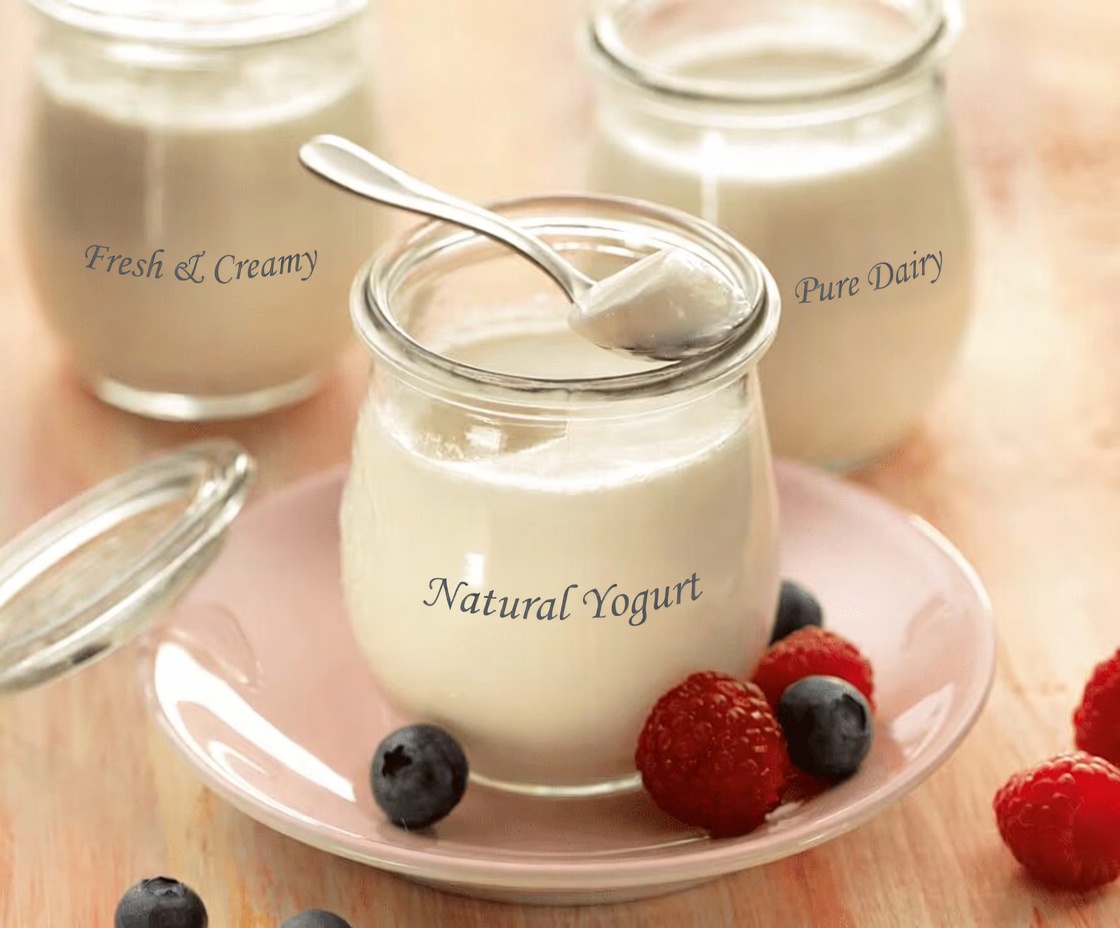
2. Yogurt: A Simple Food for Digestion and Bone Support
Plain yogurt is another regular part of Mika’s morning meal. She often adds a little honey, creating a combination that balances the bold taste of natto while keeping breakfast light and satisfying.
Yogurt provides calcium, phosphorus, and B vitamins, nutrients often associated with bone health and metabolic function. Its live cultures can also support digestive health, which becomes increasingly important with age.
Mika’s choice to add honey is also thoughtful. It brings natural sweetness and antioxidant compounds without relying on heavily processed sugars. Regular consumption of fermented dairy products has also been studied for possible benefits related to immunity and digestive comfort.
Easy Ways to Eat Yogurt Like Mika
- Keep breakfast simple: Mix in a teaspoon of honey and top with fresh fruit.
- Use it as a snack alternative: Swap processed snacks for a small bowl of plain yogurt.
- Read the label: Choose unsweetened yogurt with live active cultures whenever possible.
3. Tsukemono (Nukazuke Pickles): Fermented Vegetables for Gut Health
Mika also includes nukazuke, a type of Japanese pickle fermented in rice bran with salt and kombu. These traditional pickles add crunch, flavor, and beneficial bacteria to the meal.
Unlike ordinary pickles, naturally fermented vegetables such as nukazuke contain lactobacilli, which are often studied for their potential to support digestion and nutrient absorption. Mika enjoys them at breakfast, where they add texture and make the meal more enjoyable.
Fermented vegetables have been part of Japanese food culture for generations. Today, interest in them continues to grow because of the connection between a diverse gut microbiome and better day-to-day well-being.
How to Add Fermented Pickles to Your Diet
- Buy them ready-made: Look for nukazuke or naturally fermented Japanese pickles at specialty markets.
- Try a homemade version: A rice bran pickling bed can be started at home with basic ingredients.
- Use small portions often: Add them to salads, rice bowls, or side plates.
4. Bananas: Fast, Practical Fuel for the Middle of the Day
At lunch, Mika keeps things light and functional. One of her go-to choices is a banana paired with a probiotic drink. It is a simple combination, but it works well for maintaining steady energy.
Bananas are rich in potassium, a mineral commonly associated with healthy blood pressure. They also contain prebiotic fiber, which helps feed beneficial gut bacteria. This kind of light midday meal may help avoid the sluggish feeling that often follows heavier lunches.
Mika’s choice shows that not every healthy meal needs to be elaborate. Sometimes one easy fruit can play a useful role in a long-term, longevity-focused eating pattern.
Smart Banana Habits to Use Right Away
- Make it your midday snack: Pair a banana with yogurt or a probiotic drink.
- Add it to breakfast foods: Slice it into oatmeal or blend it into smoothies.
- Store it properly: Leave bananas out until ripe, then refrigerate them to slow further ripening.
5. Kimchi: A Flavorful Fermented Side with Probiotic Benefits
In the evening, Mika includes kimchi alongside natto and other traditional foods. Although kimchi comes from Korean cuisine, it fits naturally into her balanced dinner because it adds both flavor and fermentation.
Kimchi is typically made from fermented cabbage and contains probiotics, vitamins, and antioxidant compounds. Research on fermented foods often points to their possible role in digestive support and helping the body manage everyday stressors.
Mika does not rely on kimchi as the main event. Instead, she uses it to complement meals that also include fish or tofu, vegetables, and miso soup. That variety is part of what makes her approach sustainable.
How to Start Eating More Kimchi
- Choose a mild version first: This is especially helpful if you are not used to spicy foods.
- Use small amounts: Add a spoonful to rice bowls, soups, or protein dishes.
- Focus on consistency: Include it a few times each week as part of a varied diet.
How These 5 Foods Fit Into Mika’s Daily Meals
Mika’s meal structure is simple, repeatable, and balanced:
- Breakfast after exercise: Natto, yogurt with honey, nukazuke pickles, and a light salad
- Lunch: A banana with a probiotic drink
- Dinner: Natto, kimchi, tofu or fish, miso soup, and vegetables
This pattern gives her a diet rich in probiotics, moderate in protein, and full of naturally nutrient-dense foods. Fermented ingredients may help support digestive health, while protein and potassium can contribute to muscle maintenance and healthy blood pressure.
Quick Reference Table
| Food | Main Benefit Highlighted in Research | How Mika Eats It | Easy Beginner Option |
|---|---|---|---|
| Natto | Probiotics and vitamin K2 | Breakfast and dinner | Over rice with egg |
| Yogurt | Calcium and live cultures | Morning with honey | Plain yogurt with fruit |
| Tsukemono | Lactobacillus for digestion | Breakfast side dish | Any naturally fermented pickle |
| Banana | Potassium and prebiotic fiber | Light lunch | With yogurt or a probiotic drink |
| Kimchi | Antioxidants and probiotics | Dinner side | Small spoonful in soup or rice bowls |
Simple Steps You Can Start This Week
If you want to try Mika’s food routine, start with manageable changes:
- Buy one fermented food this week and add it to a single meal.
- Replace one processed snack with yogurt or a banana.
- Build a balanced breakfast using protein, fermented foods, and fresh produce.
- Keep portions small at first if the flavors are new to you.
- Focus on consistency, not perfection by repeating simple habits several times per week.
Why Mika’s Approach Works
The power of Mika’s eating pattern lies in its practicality. Her meals are not complicated, expensive, or restrictive. They are built around foods with a long history of use and a growing amount of scientific interest, especially in areas like digestion, bone health, circulation, and energy support.
Most importantly, she shows that healthy aging is not only about exercise or genetics. Daily food choices matter too. By combining fermented foods, protein-rich staples, and easy sources of minerals and fiber, she creates a routine that supports movement and independence.
Final Takeaway
Takishima Mika’s daily menu offers a clear message: staying active as you age does not always require dramatic changes. Sometimes it starts with adding a few powerful, traditional foods to your plate on a regular basis.
Her five staples are:
- Natto
- Yogurt
- Tsukemono
- Bananas
- Kimchi
Each one plays a different role, but together they form a simple eating pattern that supports strength, digestion, and steady energy. If you are looking for a realistic way to eat better for the long term, this may be one of the easiest places to begin.