
Chia Seeds and Bloating: 5 Soaking Mistakes That May Be Causing Digestive Discomfort
Chia seeds are often praised as a nutrient-dense superfood packed with fiber, omega-3 fatty acids, and antioxidants that can support overall health. But for many people, adding them to a daily routine leads to an unpleasant surprise: bloating, gas, or a heavy, overly full feeling.
That can be incredibly frustrating, especially when you are trying to make a healthy choice. In many cases, the problem is not the chia seeds themselves, but how they are prepared. Small soaking mistakes can reduce their benefits and make digestion much less comfortable.
The good news is that these issues are usually easy to fix. With the right soaking method, chia seeds can become far gentler on your stomach and much more enjoyable to eat.
Mistake 1: Not Soaking Chia Seeds Long Enough
A common habit is to sprinkle dry chia seeds into smoothies, yogurt, or water and assume that is enough. It may seem quick and practical, but chia seeds can absorb up to 10 times their weight in liquid.
When that expansion happens in your stomach instead of in a glass or jar, it can lead to bloating, cramping, and gas. Properly hydrated fiber is typically easier on the digestive system, which is why skipping the soak is one of the most common causes of discomfort.
If you regularly feel uneasy after eating chia, under-soaking may be the first thing to address.
Mistake 2: Using the Wrong Chia-to-Liquid Ratio
The balance between seeds and liquid matters more than many people realize. If you add too many seeds and not enough liquid, the mixture becomes thick, uneven, and clumpy. If you use too much liquid, the result can feel watery and less satisfying.
A ratio commonly recommended by registered dietitians is:
- 1 tablespoon chia seeds
- 1/4 to 1/2 cup liquid
The exact amount depends on whether you want a drinkable texture or a thicker pudding consistency. Guessing every time often leads to inconsistent results, and those inconsistencies can affect both texture and digestion.
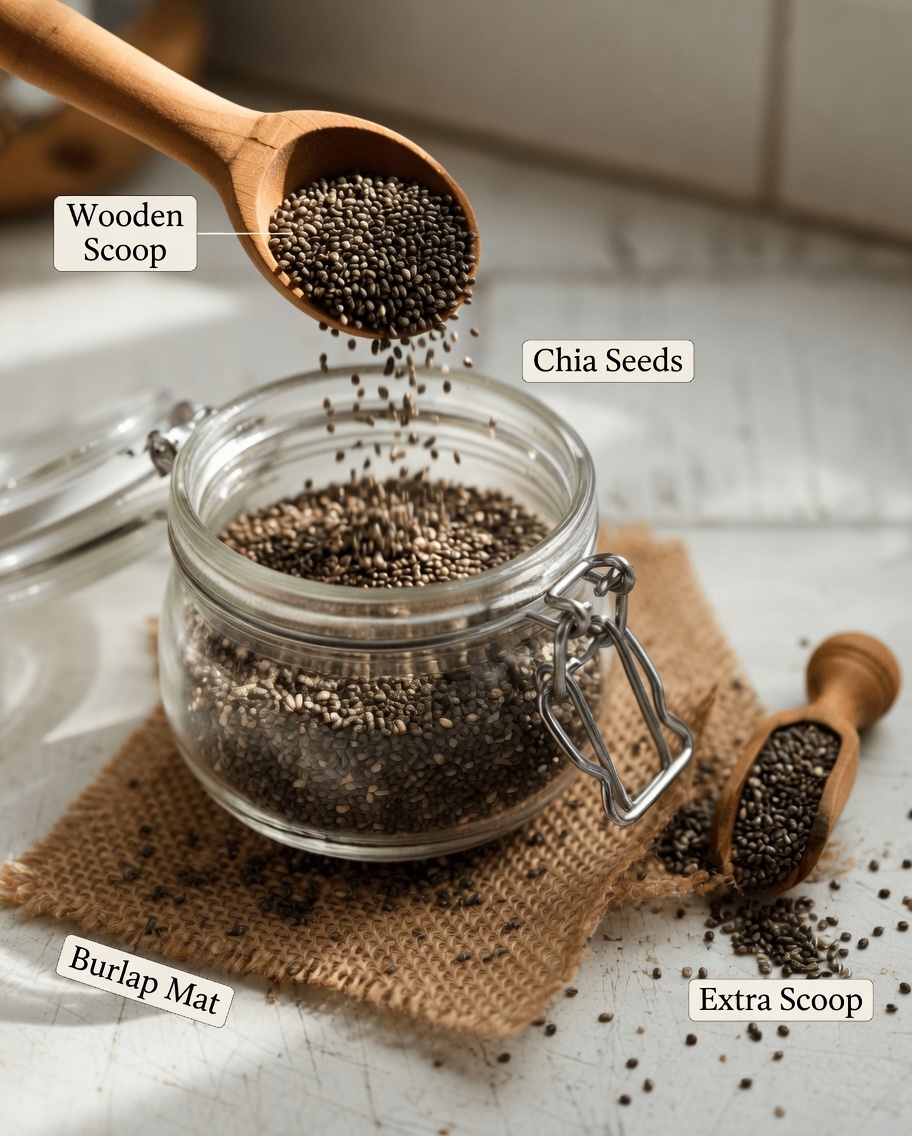
Mistake 3: Soaking Them in the Wrong Temperature Liquid
Liquid temperature also plays an important role. Room-temperature or slightly cool liquids tend to work best for soaking chia seeds.
Very hot liquids may cause the seeds to clump too quickly and can also affect delicate nutrients like omega-3 fats. On the other hand, extremely cold liquid taken straight from the refrigerator can slow hydration, leaving some seeds partially dry in the center.
Those under-soaked seeds may continue expanding later in your digestive tract, which can contribute to that swollen, uncomfortable belly feeling many people want to avoid.
Mistake 4: Not Stirring Well Enough
Many people pour chia seeds into liquid, stir once, and leave them alone. The result is often a layer of floating seeds on top and a gelled mass at the bottom.
That uneven soaking is a major issue. Dry or partially soaked seeds are more likely to cause the digestive discomfort people blame on chia itself.
Good stirring also improves texture. When mixed properly, chia develops a smooth, creamy consistency instead of a lumpy or separated one.
Mistake 5: Eating Too Much Too Soon
Once people hear about the health benefits of chia seeds, they often increase their intake too quickly. But suddenly doubling or tripling your serving can overwhelm your digestive system, especially because chia is so rich in fiber.
Your gut needs time to adapt. Research on fiber intake consistently shows that gradual increases, combined with enough water, are much less likely to trigger bloating or discomfort.
If chia is new to your diet, start small rather than diving in with a large serving.
The Best Way to Soak Chia Seeds
The proper method is simple and can make a noticeable difference almost right away.
Step-by-step method
- Add 1 tablespoon of chia seeds to a glass or jar.
- Pour in 1/4 cup of room-temperature liquid such as water, almond milk, coconut water, or another favorite option.
- Stir vigorously for 30 to 60 seconds.
- Let the mixture sit for 5 minutes.
- Stir again thoroughly.
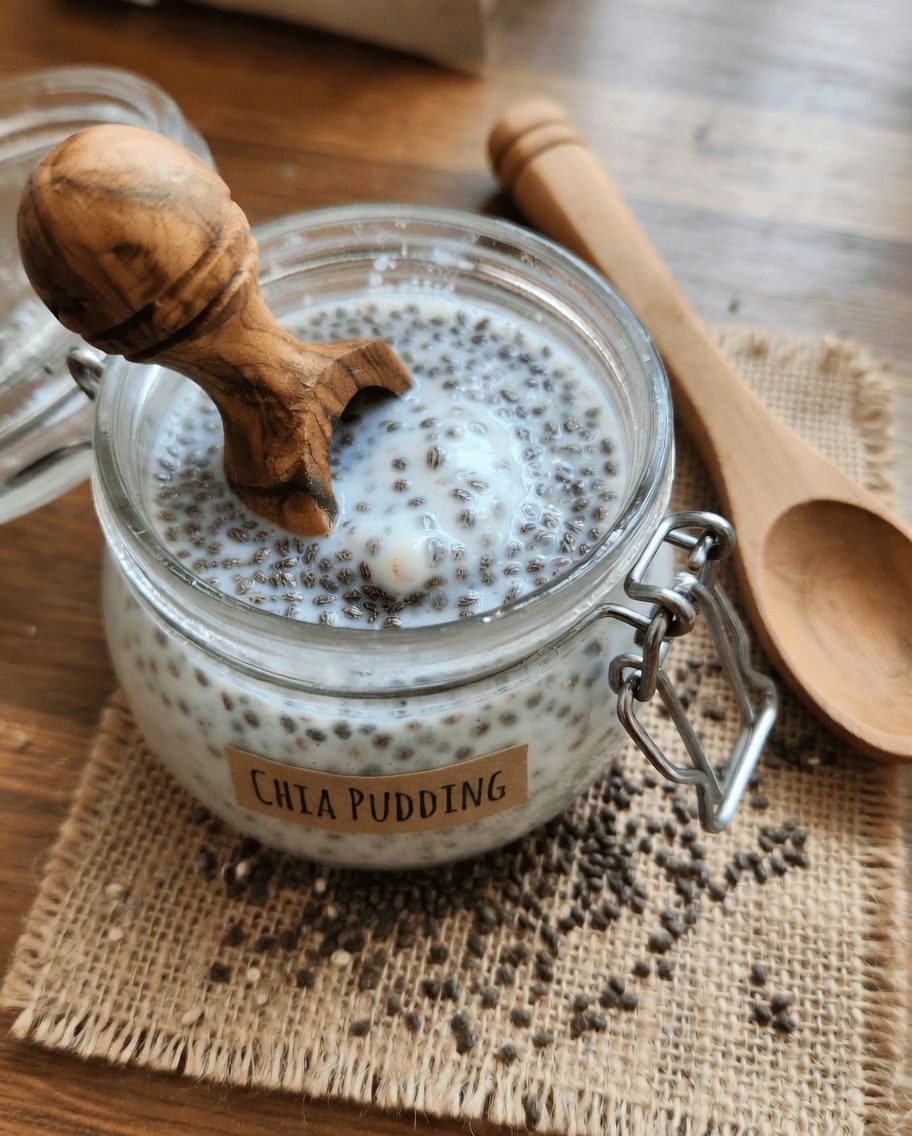
- Leave it to rest for another 10 to 15 minutes, or longer if you want a thicker pudding texture.
- Eat immediately or refrigerate for up to 24 hours.
Signs You May Be Soaking Chia the Wrong Way
If any of these sound familiar, your preparation method may need adjusting:
- Bloating or gas within an hour of eating chia
- Seeds that feel hard or gritty when swallowed
- A mixture that separates into layers instead of becoming uniform
- Feeling too full after only a small serving
How to Enjoy Chia Every Day Without the Digestive Issues
If you want to make chia a regular part of your routine, start slowly and keep it simple.
Smart tips for daily use
- Begin with 1 teaspoon per day for the first week
- Focus on getting the soaking method right before increasing the amount
- Drink an extra glass of water with each serving
- Add flavor with:
- lemon juice
- cinnamon
- fresh berries
- plant milk
- coconut water
One of the biggest keys to success is consistency. You do not need to be perfect every time. Once you learn the basics of soaking chia seeds correctly, your digestion is more likely to feel smoother and your energy may feel steadier as well.
Frequently Asked Questions
How long should chia seeds soak?
For most people, 15 to 20 minutes works well. If you want a thicker, pudding-like texture, you can leave them in the refrigerator overnight. Soaking for less than 10 minutes often leaves some seeds under-hydrated.
Can you eat chia seeds dry?
You can, but it is generally not the best option if you want to avoid digestive discomfort. Dry chia seeds absorb liquid after you eat them, which means they may expand in your stomach.
What is the best liquid for soaking chia seeds?
Almost any liquid can work, including:
- water
- almond milk
- oat milk
- coconut water
- fruit juice
To protect the seeds' natural nutrients and improve texture, avoid using very hot liquids.
Final Thoughts
Soaking chia seeds the right way is not difficult, but it can make a major difference in how you feel afterward. By avoiding these five common chia soaking mistakes, you can enjoy the nutritional benefits of chia seeds without the bloating, gas, or heaviness that often comes from poor preparation.
Disclaimer
This article is for informational purposes only and should not be considered medical advice. Always speak with a healthcare professional before making major dietary changes, especially if you have existing digestive issues or other health concerns.