Hiatal Hernia After 60: Common Signs You Shouldn’t Ignore
As many as 60% of adults over age 60 may have a hiatal hernia—and many never realize it. The result can be lingering digestive discomfort that chips away at daily enjoyment: burning after meals, frequent bloating, or a constant sense of fullness that makes eating and relaxing feel more difficult than it should.
If these symptoms sound familiar, learning the early signs of a hiatal hernia can help you seek appropriate medical guidance and make practical changes that often improve comfort.

What Is a Hiatal Hernia—and Why Is It More Common With Age?
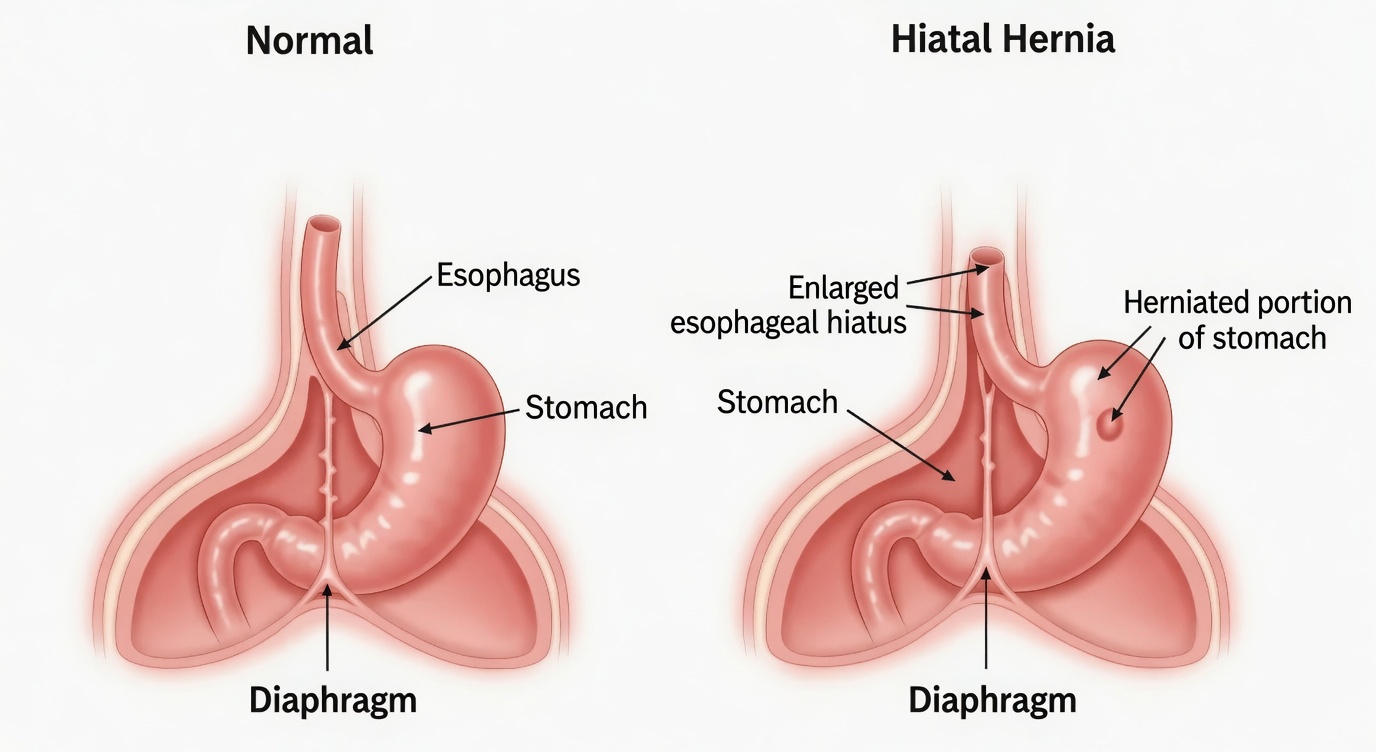
A hiatal hernia happens when part of the stomach moves upward through the diaphragm (the muscle separating the chest and abdomen) into the chest cavity. When this occurs, the natural “barrier” that helps keep stomach acid where it belongs may weaken, which can contribute to acid reflux and other digestive symptoms.
Hiatal hernias become more frequent with age because of factors such as:
- Natural muscle weakening over time
- Weight changes that increase abdominal pressure
- Chronic straining or pressure (for example, from persistent coughing or constipation)
Many people assume the symptoms are simply “getting older,” but identifying patterns early can make it easier to manage day-to-day discomfort.
10 Signs of a Hiatal Hernia You May Notice After 60
1) Ongoing Heartburn That Lasts After Eating
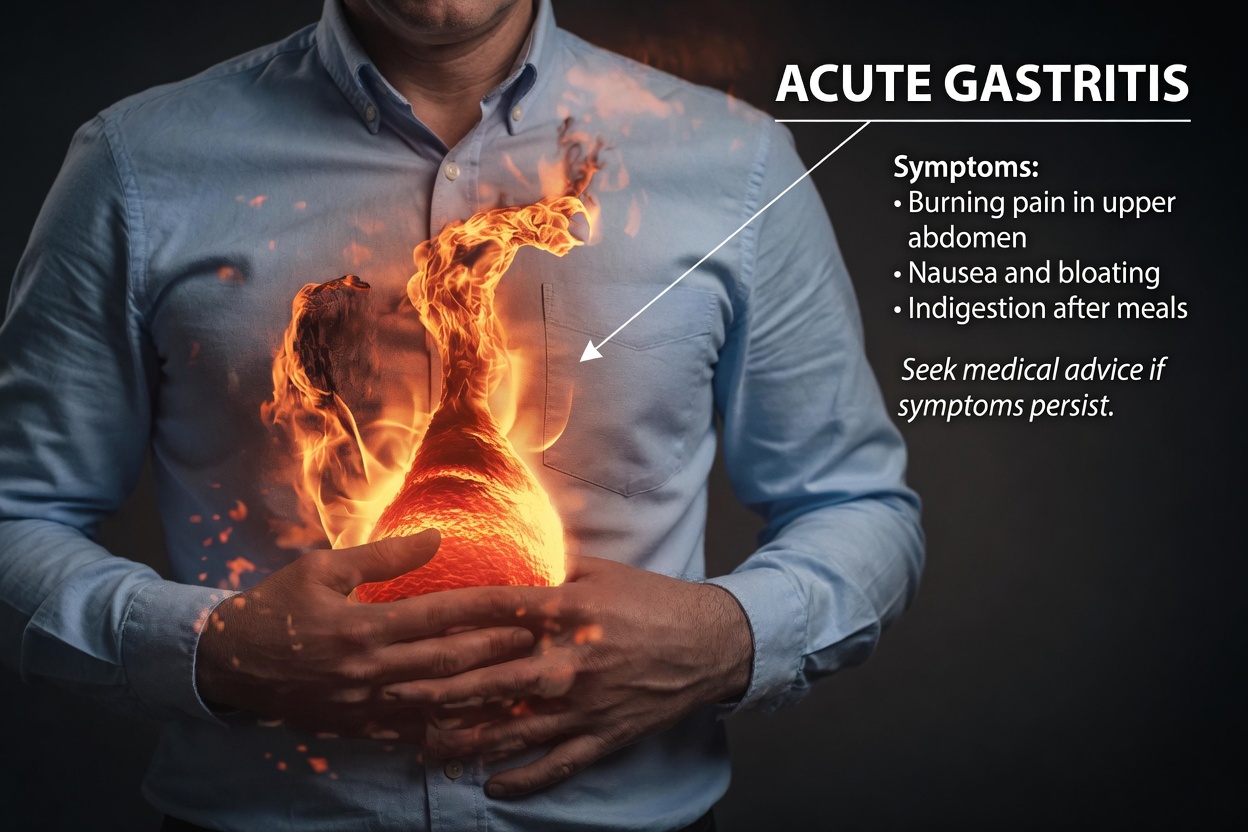
If you regularly feel a burning sensation in the chest, especially after meals or when lying down, a hiatal hernia may be making reflux worse by allowing acid to move upward more easily.
Helpful habits often include:
- Eating smaller portions
- Avoiding foods that consistently trigger symptoms
- Staying upright after meals
2) Frequent Acid Reflux With a Sour or Bitter Taste
A sudden rise of acid—or waking up with a sour, bitter taste—can be a sign of reflux related to a hiatal hernia. When the stomach shifts upward, the body’s usual defenses against reflux may not work as effectively.
3) Regurgitation of Food or Liquid
Regurgitation is when food or liquid comes back up into the mouth without nausea or much effort. It can feel uncomfortable and awkward, particularly during meals or conversations. A hiatal hernia can change pressure inside the upper digestive tract, making this more likely.
A simple step many people find helpful: remain upright for a while after eating.
4) Trouble Swallowing or a “Stuck” Sensation
If swallowing feels difficult or you sense food is stuck in the throat or chest, it may be linked to reflux-related irritation or pressure changes associated with a hiatal hernia.
Some people find relief by:
- Chewing slowly and thoroughly
- Choosing softer textures during flare-ups
- Taking smaller bites
5) Chest Pain That Can Feel Like Something Else
Hiatal hernia symptoms can sometimes include sharp, tight, or burning chest discomfort, especially after meals. Because chest pain can have many causes—including serious ones—this symptom should be taken seriously and evaluated promptly when needed.
Tracking patterns can be useful:
- Does it happen after eating?
- Does it worsen when lying down?
- Does it improve with posture changes?
6) Feeling Full After Only a Few Bites (Early Satiety)
If you get full very quickly, it can make balanced eating harder. In some cases, a hiatal hernia may reduce how comfortably the stomach accommodates food, creating a premature “full” signal.
A common strategy:
- Eat smaller meals more often to support adequate nutrition.
7) Frequent Bloating and Excessive Belching
A tight, swollen feeling and repeated burping may occur when digestion is disrupted and air becomes trapped. Many people with hiatal hernia report persistent bloating and belching, especially after larger meals.

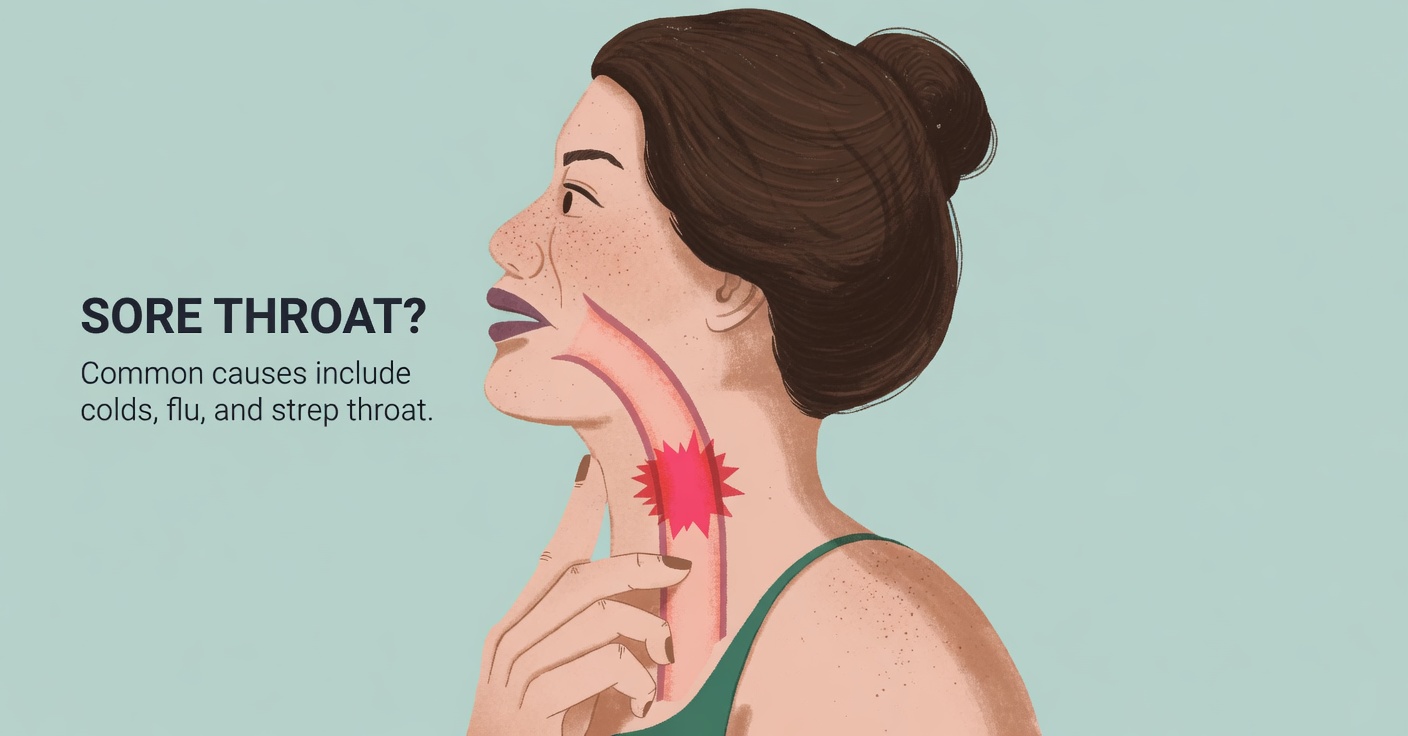
8) Hoarseness or a Long-Lasting Sore Throat
Not all reflux feels like heartburn. “Silent reflux” can show up as:
- Morning hoarseness
- A chronic sore throat
- Frequent throat clearing
Elevating the upper body during sleep often helps reduce nighttime irritation.
9) Shortness of Breath, Especially When Lying Down
In some cases—particularly with larger hernias—pressure in the chest area may contribute to a feeling of breathlessness, often worse after meals or when reclining.
Small positional adjustments can make a difference for some people.
10) Red-Flag Symptoms: Blood in Vomit or Stools
This is uncommon but urgent. Vomiting blood or noticing black, tar-like stools may suggest bleeding from irritation or other complications. Seek immediate medical attention if these occur.

Practical Adjustments That Often Help Hiatal Hernia Symptoms
Many people reduce discomfort by combining a few consistent habits:
- Eat smaller, more frequent meals
- Avoid lying down right after eating
- Raise the head of the bed 6–8 inches
- Maintain a healthy weight to reduce abdominal pressure
- Limit common triggers such as spicy, fatty, and acidic foods
Foods to Choose More Often vs. Foods to Limit
-
Fruits
- Favor: bananas, melons, apples
- Limit: citrus fruits, tomatoes
-
Proteins
- Favor: lean fish, chicken, eggs
- Limit: fried or high-fat meats
-
Beverages
- Favor: water, herbal teas
- Limit: coffee, alcohol, carbonated drinks
-
Carbohydrates & snacks
- Favor: oatmeal, whole grains
- Limit: chocolate, spicy foods
These choices may help ease daily reflux and fullness linked to hiatal hernia.
Sample Daily Routine for Better Comfort
- Morning: a light breakfast, eaten while sitting upright
- Throughout the day: 5–6 smaller meals instead of large portions
- Evening: finish eating at least 3 hours before bed
- Night: sleep with the upper body elevated
Consistency tends to matter more than perfection—start with one change and build from there.
Final Thoughts: Awareness Helps You Take Back Control
Recognizing the common hiatal hernia symptoms—from heartburn and regurgitation to hoarseness and shortness of breath—can help you have a clearer conversation with a healthcare provider and test supportive daily habits. Many people feel noticeably better with a few targeted adjustments and simple tracking of what triggers discomfort.
Frequently Asked Questions
What causes a hiatal hernia to form?
Common contributors include aging-related muscle weakening, obesity, frequent straining, and sometimes injury that affects the diaphragm opening over time.
When should I see a doctor about possible hiatal hernia symptoms?
Seek evaluation if symptoms are persistent, if you have difficulty swallowing, if chest discomfort is concerning, or if you notice any bleeding.
Can lifestyle changes improve hiatal hernia symptoms?
Yes. Many people see improvement with weight management, meal timing, bed elevation, and dietary adjustments, though medical guidance is important for ongoing or severe symptoms.
Medical disclaimer: This article is for informational purposes only and is not a substitute for professional medical advice. Consult a qualified healthcare provider for personalized guidance, especially if symptoms are severe, persistent, or worsening.