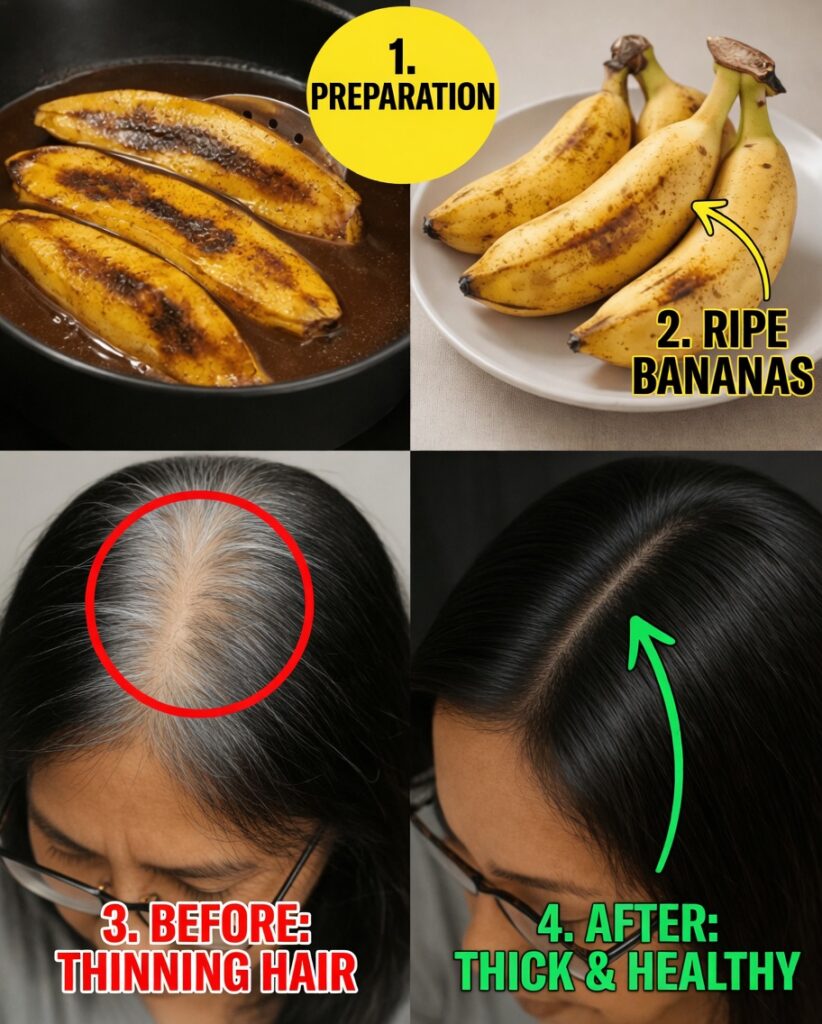
Hair Thinning, Dryness, and Dullness With Age: A Common Frustration
As the years pass, many people begin to notice their hair looking thinner, feeling drier, or losing its natural shine. Styling can become more discouraging when strands seem fragile, snap more easily, or shed more during brushing. These changes often build gradually, influenced by everyday stress, nutritional shortfalls, and ongoing exposure to environmental wear and tear.
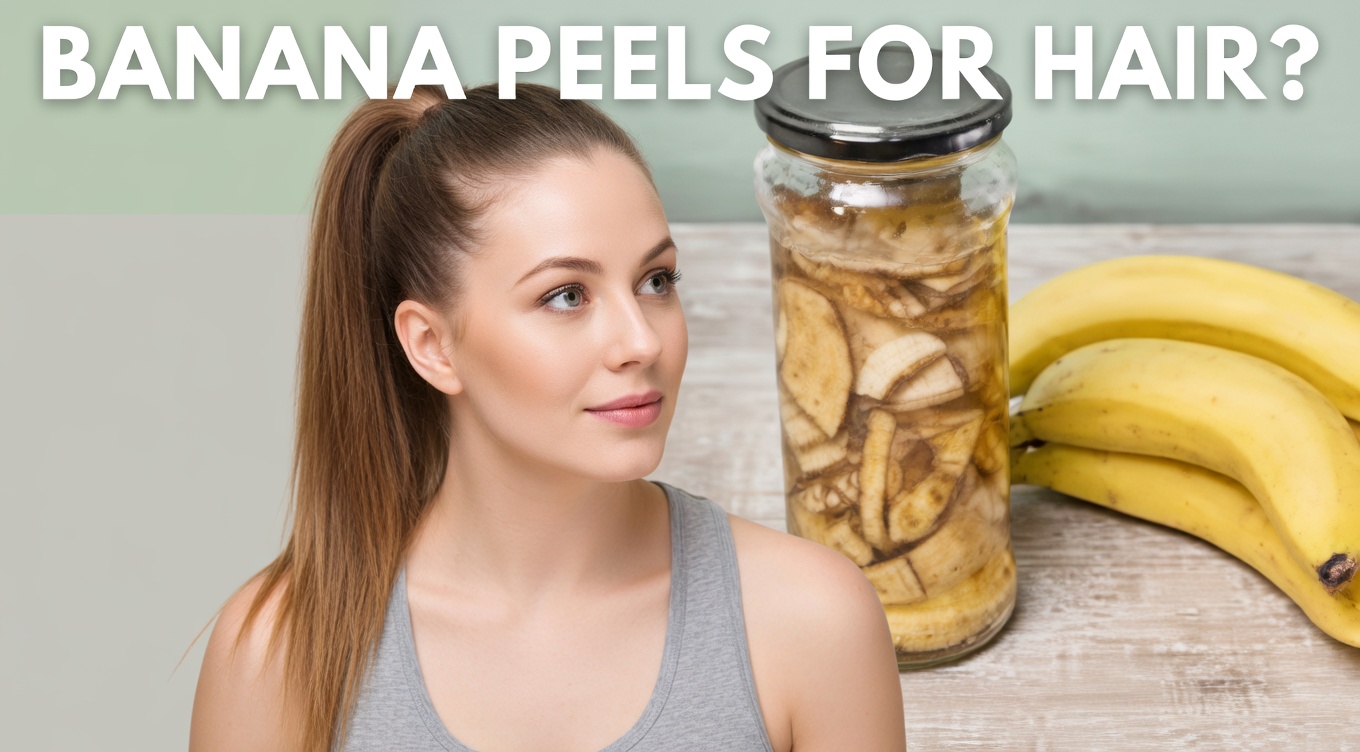
While store-bought treatments can help, more people are also experimenting with simple, low-cost options at home—including banana peels. Banana peels contain minerals and antioxidant compounds that some believe may offer gentle, topical support for scalp comfort and overall hair appearance. That said, the strongest evidence is still limited, with much of the enthusiasm coming from anecdotal use and research on banana-derived compounds rather than direct clinical trials of peel application.
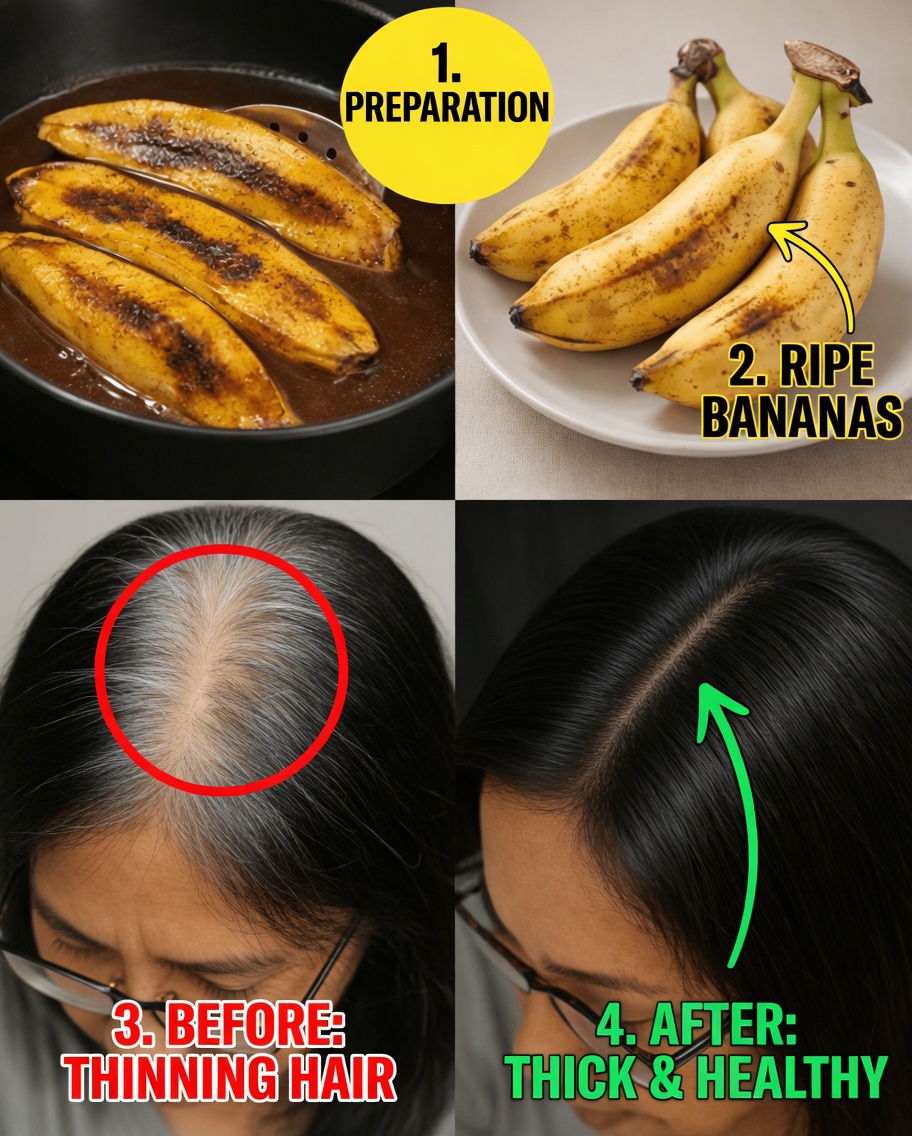
Why Banana Peels May Be Worth Considering for Hair Support
Banana peels are typically thrown away, yet nutrition-focused reviews suggest they contain useful elements such as potassium, magnesium, and a range of antioxidants. When used on the scalp or hair, these compounds may provide mild, supportive effects—particularly for dryness and dullness.
Although studies specifically on rubbing banana peels onto hair are scarce, research on banana extracts and related components highlights antioxidant activity that may help counter day-to-day oxidative stress, a factor often linked to changes in hair quality over time. Some related findings also point toward benefits like moisture support and follicle-friendly nourishment, though more direct research is needed.
Key Nutrients in Banana Peels and How They May Relate to Hair Care
The appeal of banana peels in hair routines largely comes from their nutritional makeup:
- Potassium: Often associated with maintaining moisture balance, which may help hair feel less dry or coarse.
- Antioxidants (including phenolic compounds): Known for protective activity in lab analyses; may help neutralize free radicals that can affect hair vitality.
- Magnesium: Commonly linked to circulation support and may contribute to scalp comfort.
- Other natural compounds: Some sources mention silica (levels can vary), which is sometimes discussed in relation to collagen and structural support.
These nutrients help explain why banana peels are frequently tested as a natural add-on for hair appearance and scalp feel.
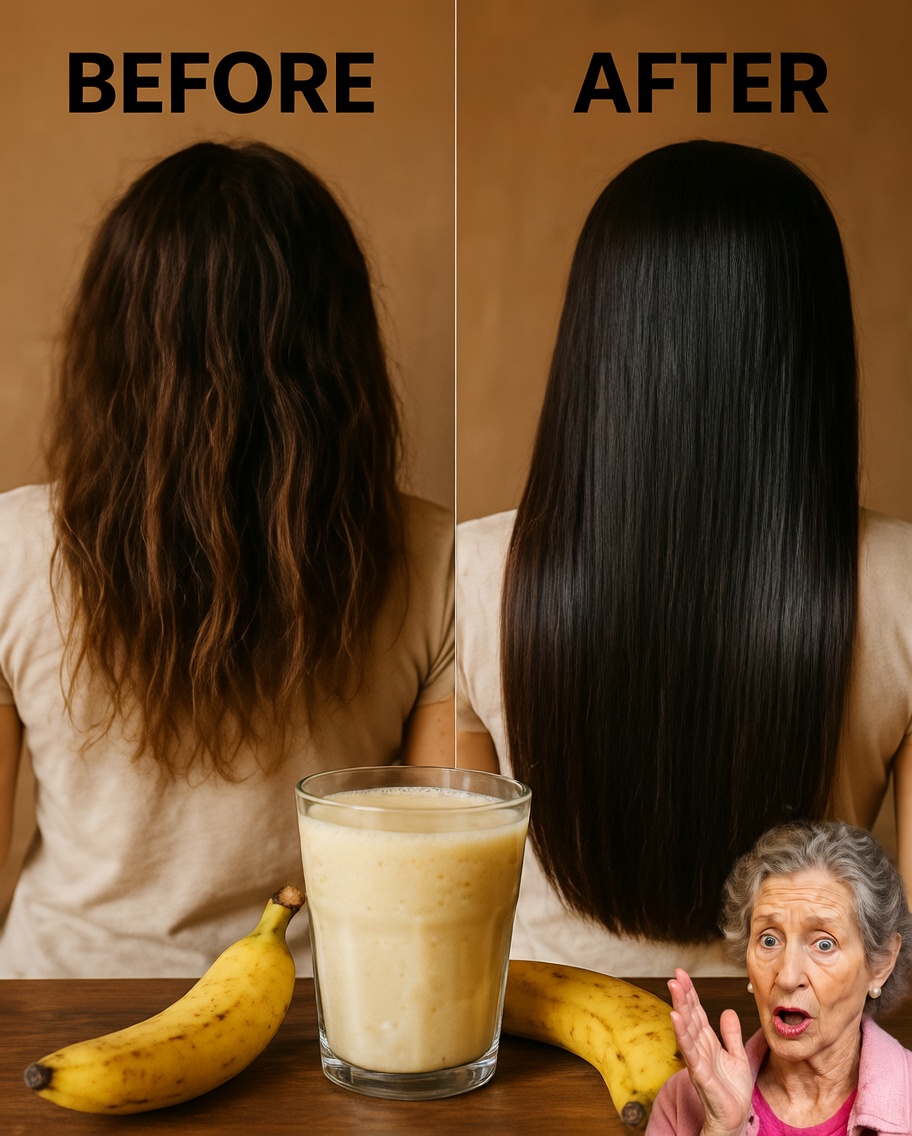
Quick Snapshot: Compounds Commonly Associated With Banana Peels
- Potassium: May support hydration and a stronger feel
- Antioxidants (phenolics): May help defend against everyday stressors
- Magnesium: May support scalp comfort
- Additional plant compounds: May provide gentle surface nourishment
7 Reported Ways Banana Peels May Support Hair Appearance
People who use banana peels in hair routines often describe subtle, gradual improvements. Below are commonly reported effects based on traditional use and what is known about the nutrients involved.
1. Mild Scalp Exfoliation for a Fresher Feel
Product buildup and excess oils can make the scalp feel heavy or less clean. Using the soft inner side of a banana peel provides a gentle texture that some find helps refresh the scalp. Natural enzymes may also contribute to light surface exfoliation, helping remove dead skin in a mild way.
2. Hydration Support for Dry, Brittle Hair
Dry ends are a common trigger for breakage and a rough texture. Banana peels contain compounds that may help hair feel more moisturized during and after application, especially when used consistently.
3. A Softer, More Noticeable Shine
When hair looks dull, it can impact confidence in daily life. Because banana peels contain antioxidant compounds, some users report a more noticeable gloss over time—possibly related to reduced surface dryness and better overall conditioning.
4. A Stronger-Looking Scalp and Follicle Area
Seeing more strands in a brush can be discouraging. While banana peels are not a proven treatment for hair loss, gentle application often includes scalp massage, which may help invigorate the area. Some people also reference silica and other compounds as potential structural support, though results vary.
5. Supporting a Fuller-Looking Growth Pattern Over Time
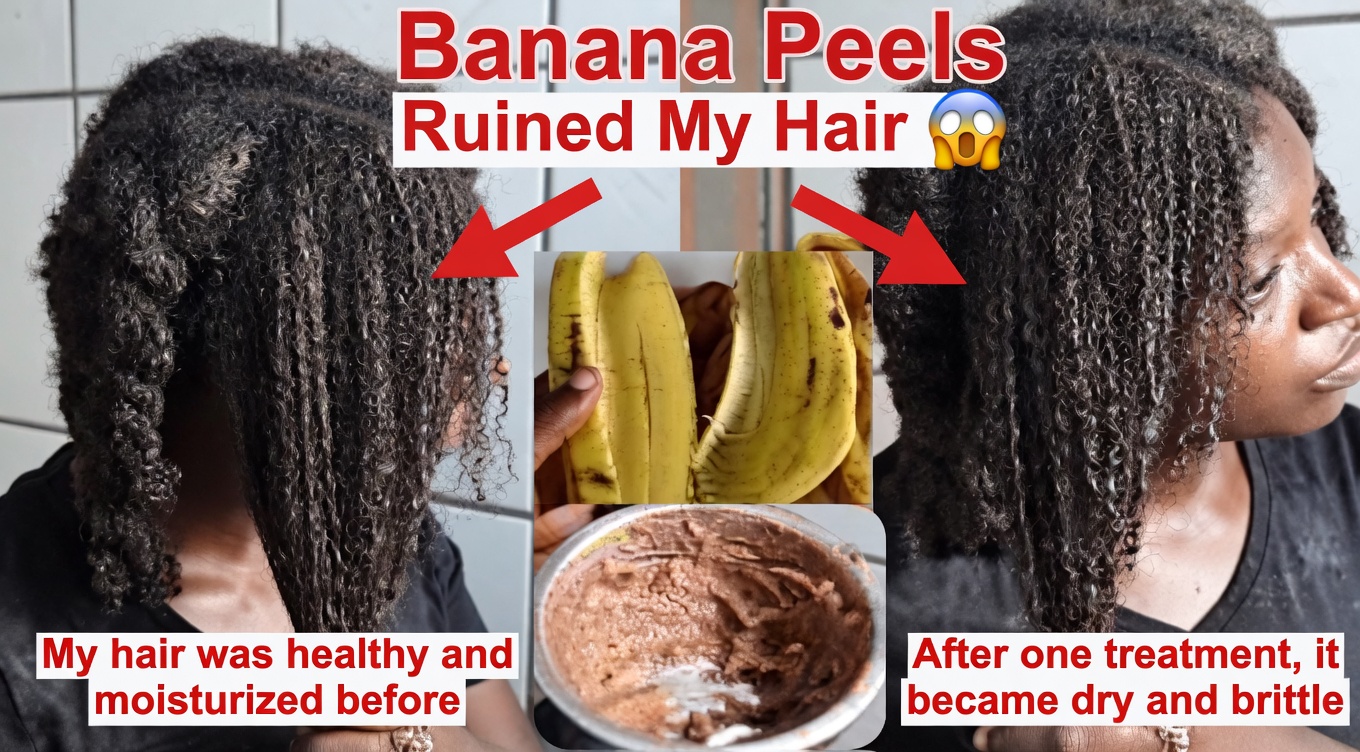
Hair changes rarely improve overnight, and slow progress can test patience. Some users report that consistent, nutrient-based routines may help hair look longer or fuller over time—likely due to better moisture balance, less breakage, and improved scalp comfort rather than dramatic growth acceleration.
6. Comfort for Itchy or Flaky Scalp
Scalp irritation can distract from daily tasks and disrupt sleep. Certain banana-derived compounds have been discussed for their soothing potential, and some people find banana peel application helps calm itchiness or mild flaking.
7. Antioxidant Support for More Vibrant-Looking Strands
Aging and environmental exposure can quietly reduce hair vibrancy. Banana peels are frequently noted as relatively rich in protective compounds, and regular use may help support a healthier-looking appearance by addressing oxidative stress on the hair surface.
Simple, Practical Ways to Use Banana Peels in Your Hair Routine
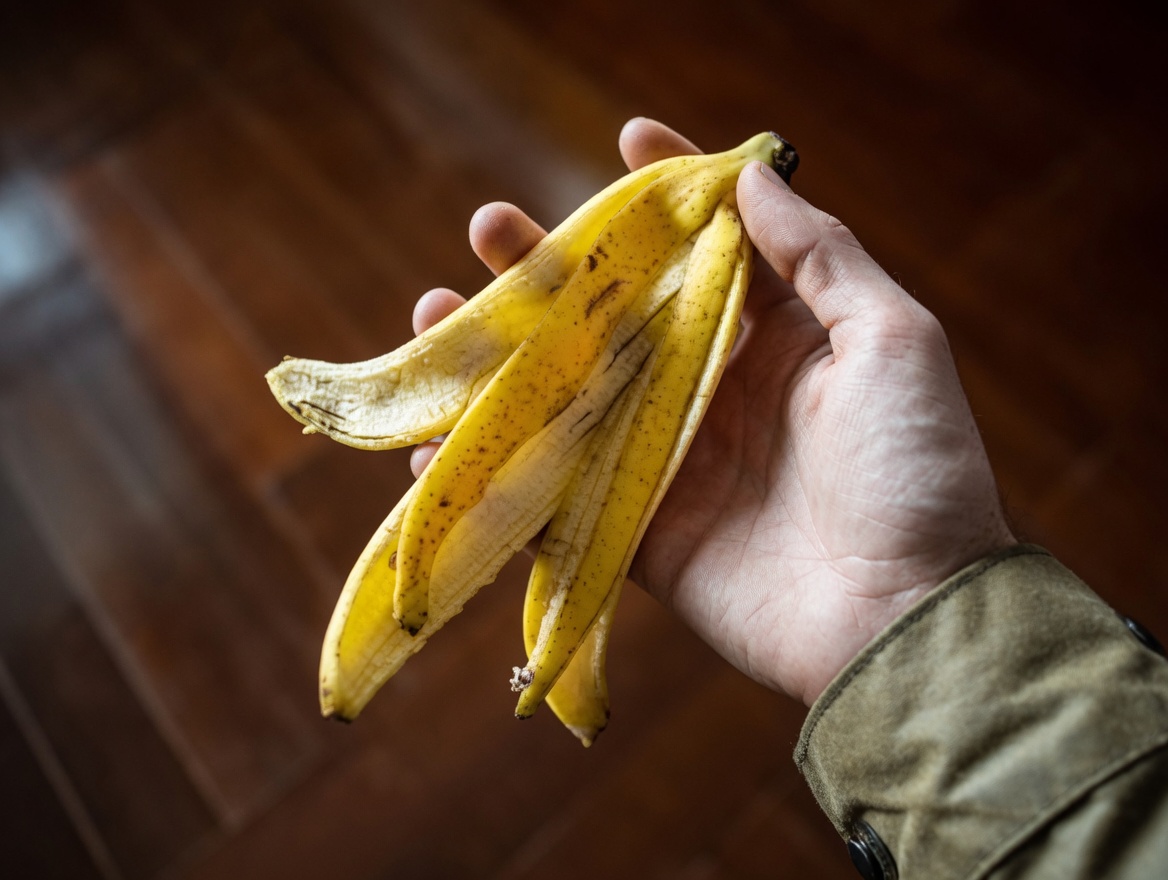
For best results, choose ripe (not rotten) bananas, ideally organic, and wash the peel thoroughly before use.
-
Direct rub method
- Massage the inner white side of the peel onto the scalp and hair lengths for 3–5 minutes
- Leave on for 15–20 minutes
- Rinse thoroughly
-
Banana peel rinse (peel “tea”)
- Boil peels in water, allow to cool completely
- Use as a final rinse after shampooing for lightweight nourishment
-
Blended mask options
- Blend peel with:
- Yogurt for a creamy mask texture
- Honey for extra moisture support
- A small amount of oil for added conditioning
- Use 1–2 times per week
- Blend peel with:
Important tips
- Do a patch test first to check for sensitivity.
- Rinse very well to reduce the chance of residue.
- Start slowly and adjust frequency based on how your scalp responds.
Comparing Common Application Methods
-
Direct rub
- Prep: None
- Frequency: 1–2x/week
- Best for: Quick moisture support and shine
-
Peel rinse
- Prep: Boil and cool
- Frequency: After washing
- Best for: Lightweight, easy conditioning
-
Blended mask
- Prep: Blend ingredients
- Frequency: Weekly
- Best for: Deeper conditioning and softness
-
Oil infusion
- Prep: Soak peels in oil
- Frequency: As needed
- Best for: More intensive conditioning (including overnight use)
What a Small Change Could Feel Like
Imagine running your fingers through hair that feels smoother, looks brighter, and shows less obvious dryness. Banana peels offer a zero-waste, eco-friendly way to test gentle support for moisture and overall hair appearance. For best overall results, pair topical routines with a balanced, nutrient-rich diet to support hair health from the inside out.
FAQ: Banana Peels for Hair Support
Do banana peels actually improve hair growth or strength?
Banana peels contain potassium and antioxidants that may support scalp condition and the appearance of strands. However, strong direct evidence is limited, and most claims come from anecdotal use and research on related banana compounds.
How often can I use banana peels on my hair?
Many people use them 1–2 times per week, depending on the method and scalp sensitivity. Adjust based on comfort and results.
Are there risks to trying banana peels?
They are generally considered gentle, but irritation is possible. Always patch test, and rinse thoroughly to prevent residue. If you have significant hair loss, ongoing scalp symptoms, or worsening irritation, seek professional guidance.
Medical Disclaimer
This content is for informational purposes only and is not a substitute for professional medical advice. Consult a healthcare provider or dermatologist for personalized hair and scalp care—especially if you experience substantial shedding, persistent itching, inflammation, or other scalp concerns.