
Natural Diuretic Teas for Water Retention: What to Drink for Bloating and Puffiness
Feeling swollen, heavy, or “puffy” (especially around the eyes, hands, ankles, or feet) can make normal days feel uncomfortable—and can also affect confidence and energy. Water retention is often linked to high-sodium meals, hormonal changes, dehydration, and long stretches of sitting or standing, all of which can leave the body holding onto extra fluid.
A practical, gentle approach many people try is diuretic tea. These herbal and plant-based teas can support the body’s natural fluid balance by encouraging healthy urine production. Even better, simple daily habits (like lowering sodium and moving more) can make these teas feel more effective over time.
1. Dandelion Tea
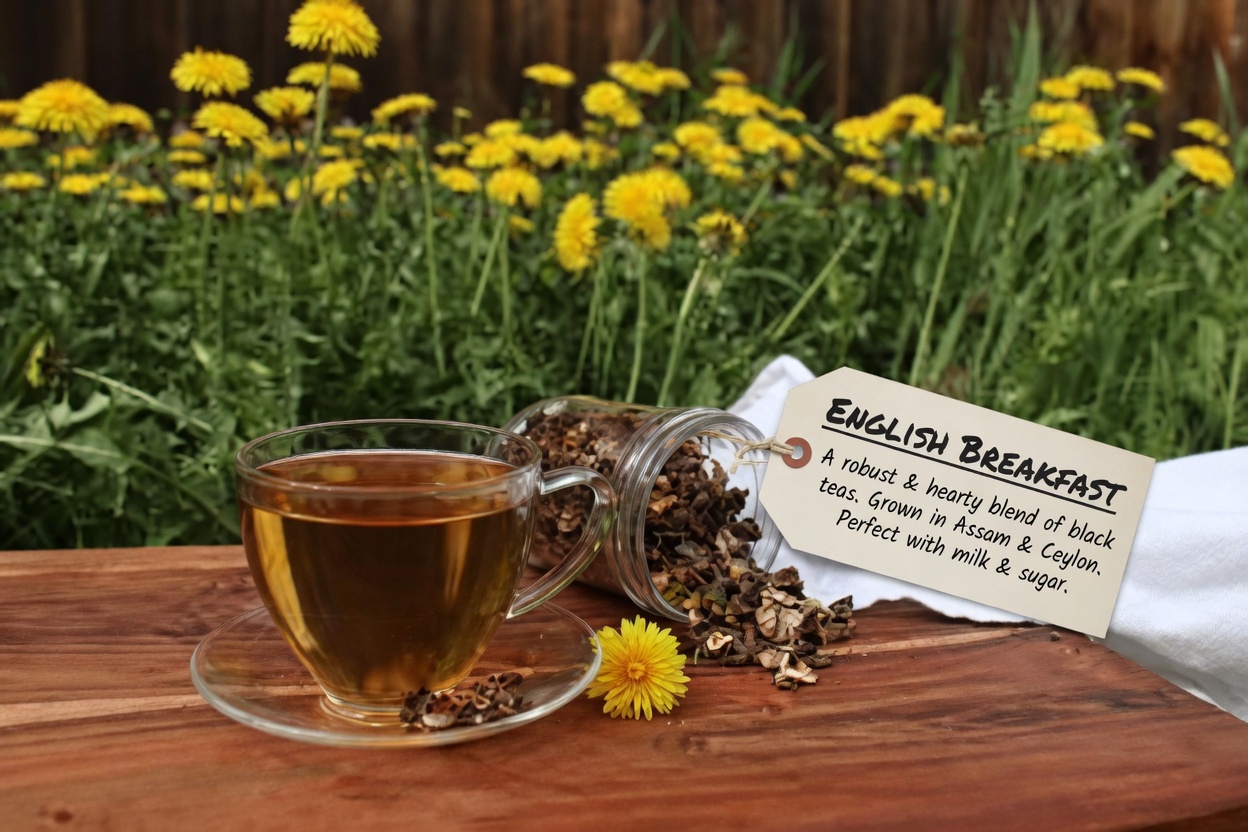
Among the most popular natural diuretic teas, dandelion tea is valued for helping the body release excess water while also supplying potassium, which may support electrolyte balance.
Dandelion contains plant compounds that may support kidney function and help the body flush out excess sodium and fluid. Many people also enjoy its mild, earthy flavor.
How to brew:
- Steep 1–2 teaspoons of dried dandelion leaf or root in hot water for 5–10 minutes
- Drink 1–2 cups per day for gentle support
2. Horsetail Tea
Horsetail tea is often described in herbal traditions as a stronger diuretic tea, used to increase urine output and reduce persistent puffiness.
Some research suggests horsetail may have diuretic effects comparable to certain medications, although more studies are needed. Because of potential concerns with long-term use, it’s best approached carefully.
How to brew:
- Steep 1–2 grams of dried horsetail in boiling water for 10 minutes
- Use short-term only, and check with a healthcare professional first
3. Green Tea
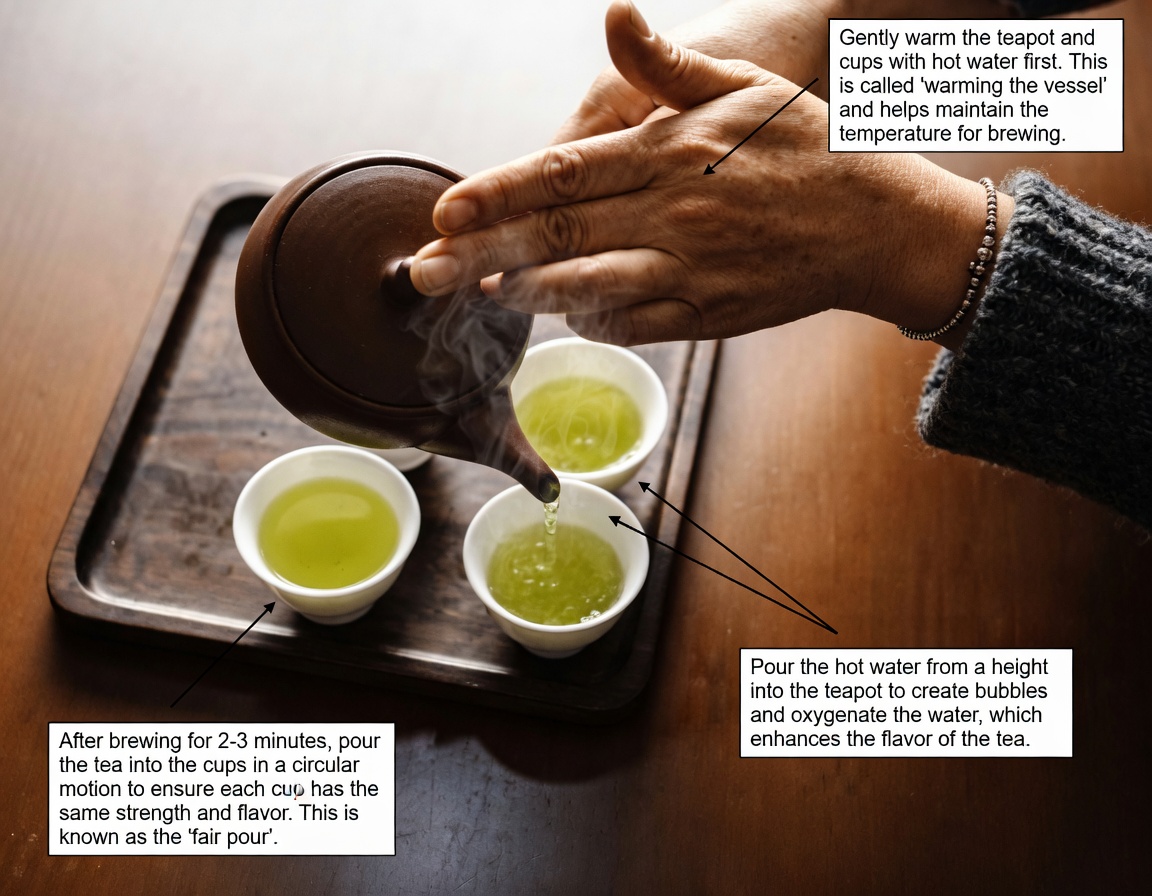
Thanks to its natural caffeine, green tea can act as a mild diuretic by supporting increased urine production—helpful when fluid buildup is related to salty meals or hormonal shifts.
Beyond its diuretic effect, green tea is rich in antioxidants, making it a wellness-friendly daily drink.
How to use:
- Aim for 1–3 cups daily
- If you’re sensitive to caffeine, reduce intake or choose decaf
4. Parsley Tea
Parsley tea is a classic home remedy and traditional diuretic tea used to help the body release extra water and sodium—especially when swelling shows up in the hands, feet, or ankles.
Parsley is also a source of potassium, which may help reduce the risk of imbalance while supporting diuresis. Its clean, herbal taste fits easily into many routines.
Simple recipe:
- Boil a handful of fresh parsley leaves in water for 5–10 minutes
- Strain and sip warm
5. Hibiscus Tea
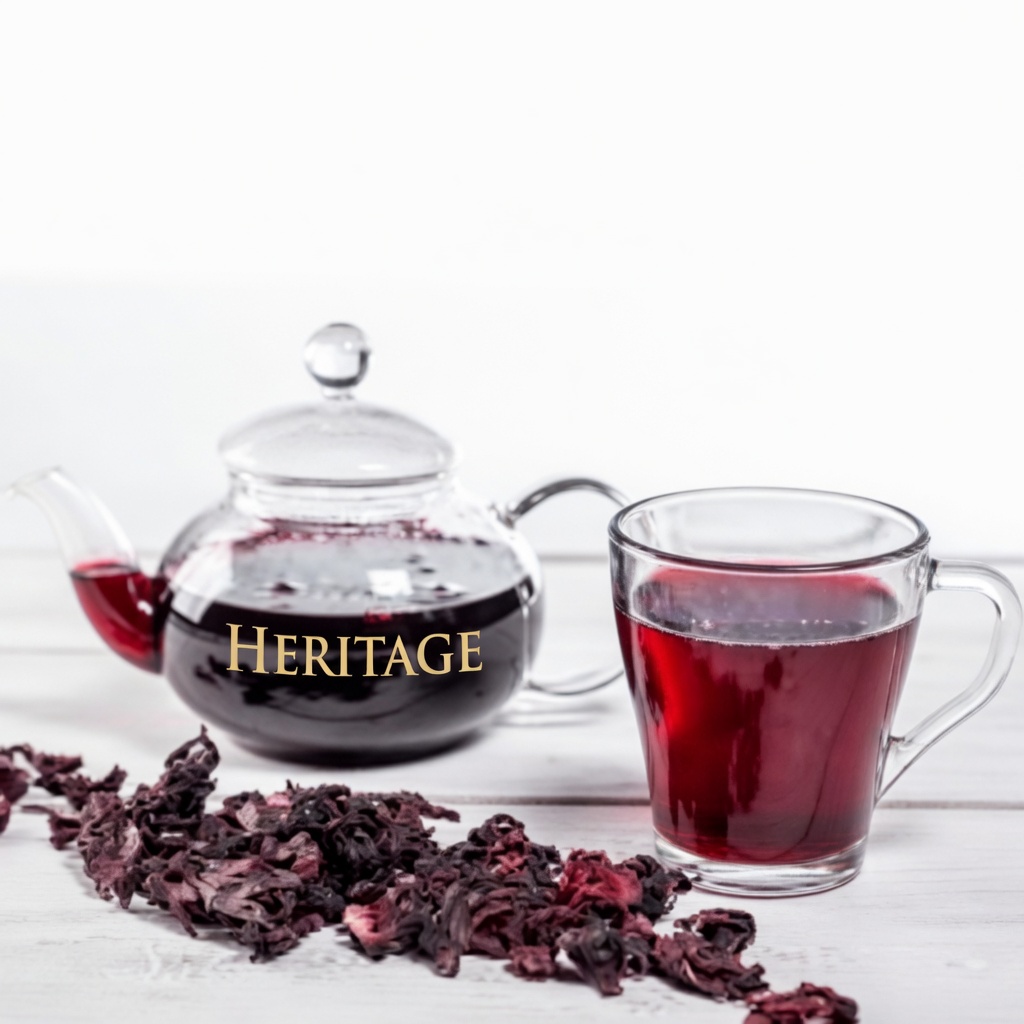
If you prefer something bright and refreshing, hibiscus tea delivers a tart flavor and may support mild diuretic action by increasing urine output—useful for visible puffiness that affects comfort and appearance.
Hibiscus is also rich in antioxidants, and it may offer heart-supportive benefits in addition to its role as a diuretic tea.
How to brew:
- Steep dried hibiscus flowers for 5–10 minutes
- Add lemon for extra flavor if desired
6. Fennel Tea
Fennel tea is a gentle option that may support mild diuresis while also helping with digestion—useful when water retention shows up alongside gas and abdominal bloating.
Its naturally sweet, licorice-like aroma makes it easy to drink consistently.
How to brew:
- Lightly crush 1 teaspoon of fennel seeds
- Steep in hot water for 10 minutes
7. Corn Silk Tea
Traditionally used to support kidney health and gentle fluid elimination, corn silk tea is a soothing diuretic tea made from the silky threads found inside corn husks.
It has a mild taste, making it appealing for people who want a softer herbal option.
How to brew:
- Boil fresh or dried corn silk for 10 minutes
- Strain and drink
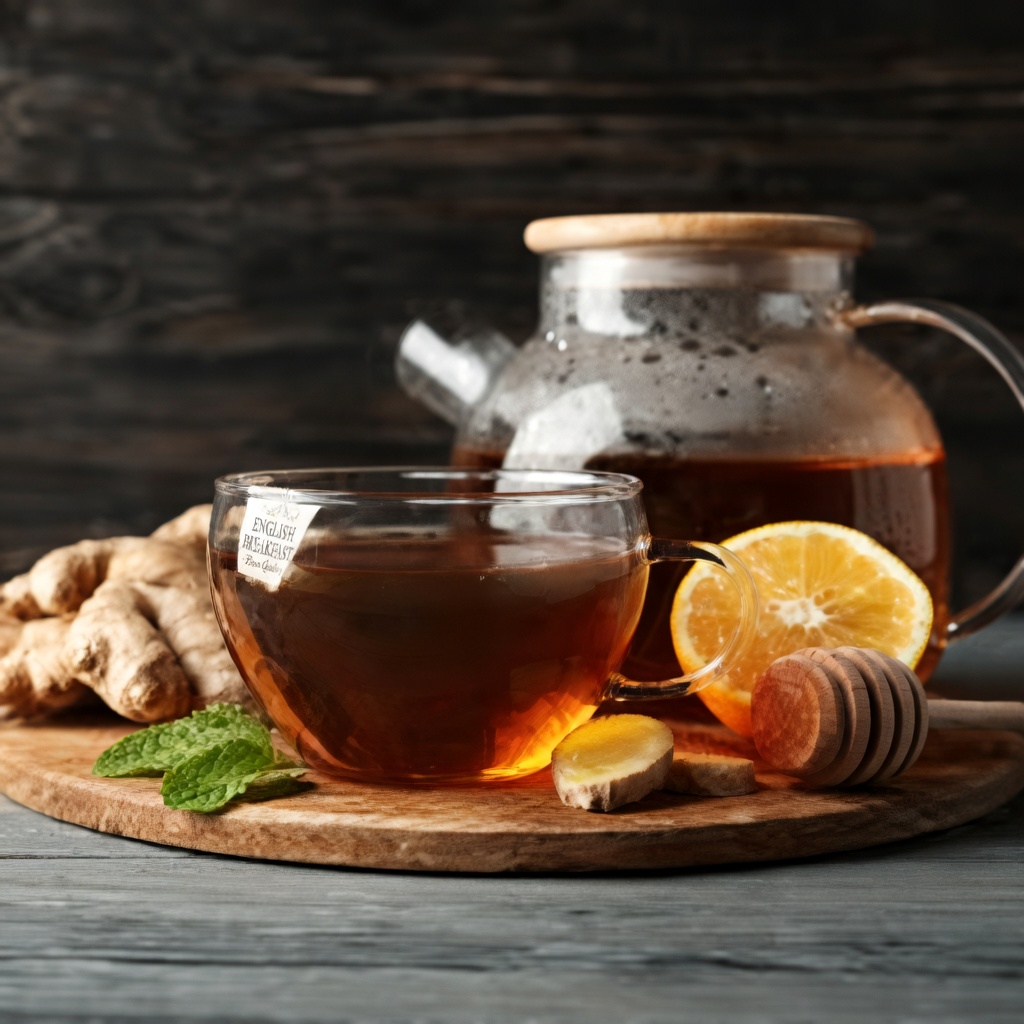
8. Ginger and Cinnamon Tea
A warm ginger and cinnamon tea blend can feel especially comforting when you’re dealing with heaviness from retained fluid. This combination may support circulation and mild diuresis, while also easing digestion.
Both ingredients are popular for addressing multiple bloating triggers at once.
How to brew:
- Simmer fresh ginger slices and one cinnamon stick in water for 10 minutes
- Strain and sip warm

How Diuretic Teas Help with Water Retention
Most diuretic teas work by encouraging the kidneys to excrete more water and sodium, which can reduce the excess fluid stored in tissues. This may help ease swelling, tightness, and bloating caused by diet and lifestyle factors.
It’s important to note that evidence varies between herbs. Many benefits are supported by traditional use and early research, but results can differ from person to person.
Tips to Get Better Results from Diuretic Teas
- Be consistent: Drink 1–3 cups per day to support gradual balance
- Reduce sodium: A lower-salt diet often makes diuretic teas more noticeable
- Stay hydrated: Drinking enough water can actually help your body release retained fluid
- Track changes: Notice how you feel over 1–2 weeks (swelling, comfort, energy, digestion)
Quick Comparison of Popular Diuretic Teas
- Dandelion tea: Potassium-rich, mild taste, often suitable for daily use
- Green tea: Gentle caffeine-driven diuretic effect plus antioxidants
- Hibiscus tea: Tart, refreshing, and naturally caffeine-free
- Parsley tea: Simple, fresh flavor and a good potassium source
When to Speak with a Healthcare Professional
Diuretic teas may help with occasional water retention, but they aren’t right for everyone. Talk to a healthcare provider before using them regularly if you:
- Are pregnant or breastfeeding
- Take medications (especially diuretics or blood pressure drugs)
- Have kidney, heart, or chronic health conditions
- Plan to use stronger herbs long-term (for example, horsetail, which may raise concerns with prolonged use)
This article is for educational purposes and does not replace medical advice. Seek medical guidance for persistent swelling, sudden changes, or new symptoms—especially before adding herbal diuretic teas to your routine.
A Simple Way to Start
Pick one diuretic tea, brew a cup, and pay attention to how your body responds. Many people find that pairing tea with light movement (like a daily walk) increases that “lighter” feeling they’re aiming for—and sharing these options with friends or family can make healthy routines easier to maintain together.