Many adults in their 40s and beyond start to notice subtle shifts in eye comfort—intermittent blur after long screen time, lingering tiredness, or dryness that makes focusing feel harder than it used to. These everyday complaints are often linked to heavy digital device use, blue light exposure, reduced blinking, and the natural changes that come with aging. Recently, oregano leaf tea has gained attention online as a simple, fragrant herbal drink that some people add to their routines for gentle, supportive care. As a warm, peppery infusion, it can feel like a soothing ritual while providing plant compounds known for beneficial properties. Below, you’ll learn why oregano tea is trending and how to try it in a sensible, mindful way.
Understanding Everyday Eye Strain
Long hours in front of computers and phones can lead to digital eye strain—a cluster of symptoms that may include temporary blur, headaches, light sensitivity, and a “heavy-eyed” feeling. Screen use often reduces blinking, which can worsen dryness, while constant exposure to artificial lighting may add to discomfort. Over time, environmental stressors can also contribute to oxidative stress, which affects delicate tissues throughout the body, including the eyes.
Many people look for natural, practical add-ons to proven habits such as the 20-20-20 rule (every 20 minutes, look 20 feet away for 20 seconds). In this context, oregano tea is sometimes mentioned as an easy-to-find herbal beverage that may offer antioxidant and anti-inflammatory support—without promising a quick fix.

Why Oregano Is Discussed for Eye Wellness
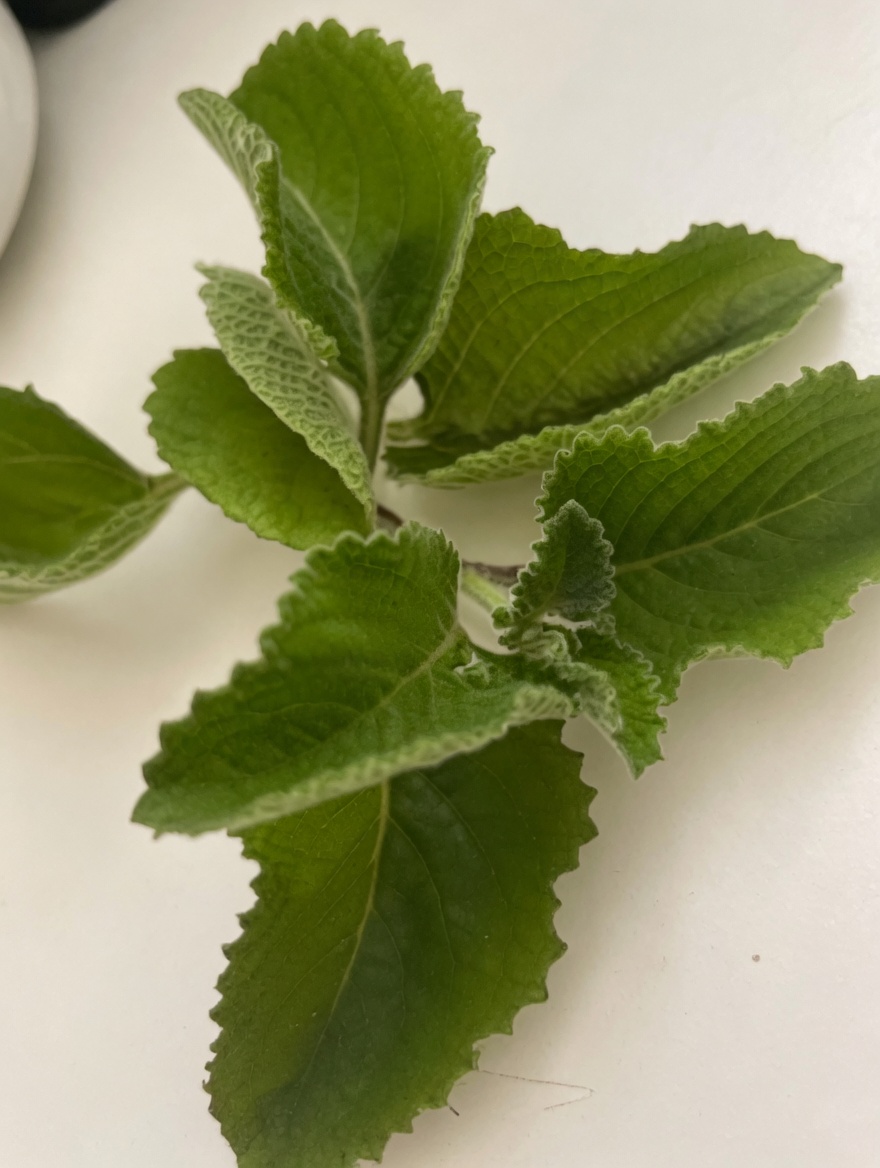
Oregano (Origanum vulgare) is best known as a kitchen staple, but it also contains bioactive compounds studied for broader wellness effects. What makes it interesting is its overall antioxidant profile—especially compared with many other common herbs.
Here are some key components often highlighted:
- Carvacrol and thymol: Aromatic compounds associated with antioxidant and antimicrobial activity in research settings
- Rosmarinic acid and other polyphenols: Plant antioxidants studied for their role in reducing oxidative stress
- Small amounts of lutein and zeaxanthin: Carotenoids linked to retinal health (though oregano is not as rich in these as leafy greens like kale or spinach)
- Essential oils and naturally occurring micronutrients: Contribute to oregano’s strong aroma and potential soothing qualities
While oregano tea isn’t a replacement for a nutrient-dense diet, its mix of plant compounds helps explain why it’s being explored as a supportive option.
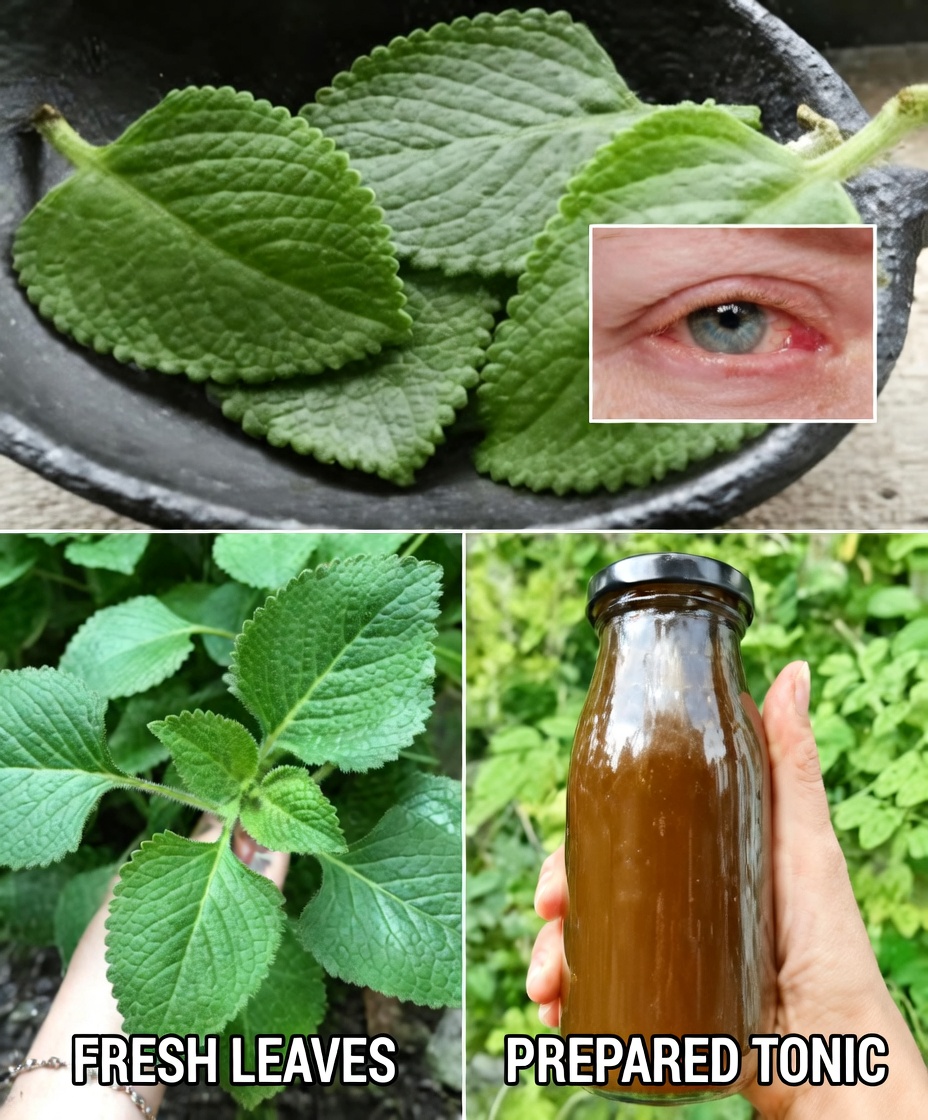
Potential Benefits of Oregano Leaf Tea for Daily Eye Comfort
1) Antioxidant support against everyday stress
Daily life—screens included—can increase exposure to oxidative factors. Oregano’s antioxidants (including rosmarinic acid and carvacrol) have shown the ability to neutralize free radicals in laboratory research. Drinking oregano tea is one gentle way people choose to incorporate these compounds, with some reporting that their eyes feel less “foggy” at the end of the day.
2) Comfort support for eye tissues
Healthy circulation helps deliver oxygen and nutrients throughout the body, including to eye tissues. Early research on oregano’s compounds suggests possible benefits related to microcirculation and inflammation regulation. While this doesn’t translate to guaranteed outcomes, many users describe steadier day-to-day visual comfort when oregano tea is part of an overall hydration and wellness routine.
3) A soothing option for occasional dryness
Dryness can amplify irritation and blur—especially in air-conditioned spaces, dry climates, or during prolonged focus when blinking slows. Herbal tea naturally supports hydration, and oregano’s mild anti-inflammatory potential may add an extra layer of comfort. For some, it works best as a calming evening drink.
4) Long-term resilience through consistent antioxidant intake
Regular intake of antioxidants is commonly associated with supporting tissue health over time. Oregano is often ranked among herbs with strong antioxidant activity, making it an easy addition for those who want a simple, repeatable habit—especially when used in moderation.
5) Complementary support for blue light–related fatigue
Blue light exposure from screens can contribute to visual fatigue for many people. Antioxidants found in Mediterranean herbs, including oregano, are being explored for their potential role in reducing related stress pathways. This is not a complete solution, but it may complement other strategies like screen breaks, adjusted lighting, and night-mode settings.
6) Overall “lighter” daily visual experience (anecdotal)
When hydration, routine breaks, and antioxidant intake come together, some people report less frequent strain and improved daily comfort. Oregano tea is best viewed as one small component that may fit into a broader eye-friendly lifestyle.

Simple Recipe: How to Brew Oregano Leaf Tea
- Add 1–2 teaspoons of dried oregano (or a small handful of fresh leaves) to a cup.
- Pour in hot water that is not fully boiling.
- Steep for 5–10 minutes, depending on how strong you like it.
- Strain and drink warm. If the flavor is too peppery, add lemon or a small amount of honey.
- Start with one cup per day, morning or evening, and adjust based on how you feel.
Fresh oregano tends to produce a stronger aroma and more robust taste.
Safety Notes and Practical Tips
- Suggested amount: Many people stay around 1–2 cups daily, starting low to assess tolerance.
- Use caution if: You are pregnant, take blood thinners, have known herb allergies, or manage chronic conditions—check with a qualified healthcare professional.
- Do not ingest oregano essential oil: Undiluted essential oils are not the same as food-based tea and can be unsafe internally.
- Choose quality ingredients: Look for food-grade oregano; organic options may reduce pesticide exposure.
- Pair with proven habits: Use the 20-20-20 rule, prioritize hydration, and eat antioxidant-rich foods (berries, leafy greens, colorful vegetables).
- Track changes: Consider noting symptoms for 2–4 weeks to see whether it makes a meaningful difference for you.
Enjoying Oregano Tea in Different Ways
- Blend with calming herbs (such as chamomile) to soften the flavor
- Chill for an iced herbal tea in warmer months
- Use as a flavorful liquid base for soups or sauces
- Turn it into a shared, screen-free ritual with friends or family
Honest Answers: What Oregano Tea Can and Can’t Do
Oregano tea is not a cure and should not be treated as a substitute for medical care. The most supportive evidence comes from general research on oregano’s antioxidants and anti-inflammatory compounds, with limited direct human studies focused specifically on oregano tea and vision outcomes.
If blurry vision persists, worsens, or appears suddenly, an eye exam is important to rule out underlying causes. Individual responses vary, and herbal approaches work best as supportive habits—not as primary treatment.
Frequently Asked Questions
How strong does oregano tea need to be to be helpful?
Start light with 1 teaspoon per cup and increase only if you enjoy the taste. Beneficial compounds can still be present in milder brews.
Can oregano tea replace eye drops or medical treatment?
No. It may support general comfort, but it does not replace eye drops prescribed for dryness or professional care for vision issues.
Is it safe to drink oregano tea every day?
For many people, yes in moderation, but watch for digestive discomfort or possible interactions. When in doubt, ask a healthcare professional for personalized guidance.
Medical Disclaimer
This article is for informational purposes only and does not provide medical advice. It is not intended to diagnose, treat, cure, or prevent any condition. Speak with a qualified healthcare provider or eye specialist before adding new herbs to your routine—especially if you have existing eye concerns, medical conditions, or take medications. Evidence specifically linking oregano tea to improved vision remains limited and preliminary, and results vary by individual.