
You open the fridge for something quick—maybe a familiar pack of bacon, a drizzle of vegetable oil for the pan, or a sweet snack that feels “small enough” to ignore. These everyday staples show up in kitchens worldwide, yet a growing body of research suggests that some common choices can push insulin higher, increase blood glucose, and promote chronic inflammation—conditions that, over many years, are associated with a higher cancer risk.
This doesn’t mean a single food directly “causes” cancer. The concern is cumulative: repeated habits can shape an internal environment that may make cancer development more likely. Population research also highlights excess body fat, especially around the waist, as biologically active tissue that releases inflammatory signals and hormones that can support tumor growth. Insulin matters here because some cancer cells appear to have more insulin receptors, potentially benefiting from persistently high insulin levels. The good news is that practical, nutrient-dense swaps can improve metabolic health and may help reduce long-term risk.
The Diet–Cancer Connection: What Research Is Emphasizing
For decades, cancer was often framed mainly as genetics or bad luck. While genes still matter, evidence increasingly points to lifestyle—particularly diet and body composition—as important contributors to risk.
When visceral (abdominal) fat accumulates, it can release inflammatory compounds and hormones that may encourage abnormal cell growth. Meanwhile, diets that frequently spike blood sugar can drive repeated insulin surges. Researchers also describe how many cancer cells use glucose at a high rate (the Warburg effect). This doesn’t mean sugar alone “feeds” cancer in a simplistic way, but it does support the idea that dietary patterns that repeatedly elevate glucose and insulin may be less supportive of long-term health.
Below are five frequently eaten foods that research commonly links to higher cancer risk through pathways such as inflammation, insulin elevation, and oxidative stress—plus realistic alternatives you can use right away.
5 Common Foods to Limit (and What to Eat Instead)
5. Refined Carbohydrates (Fast-Absorbing, High-Impact)
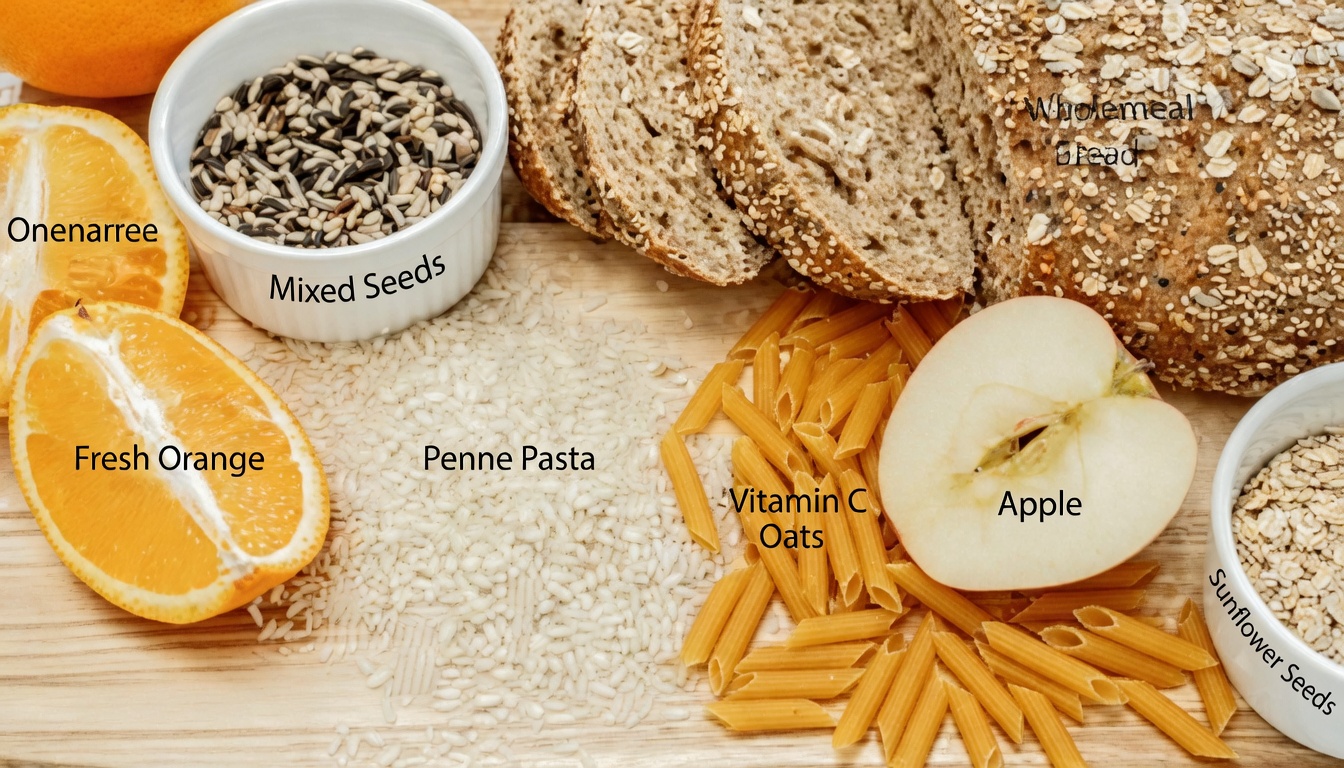
Foods like white bread, pasta, crackers, bagels, and many products made with refined white flour digest quickly and can raise blood sugar rapidly—often followed by a stronger insulin response. Observational research frequently associates high refined-grain intake with greater risk of cancers such as breast, colorectal, and endometrial, potentially due to long-term exposure to elevated insulin and inflammation.
Some meta-reviews of dietary patterns also report associations between refined grains and higher risks of colon and stomach cancers.
Better swaps
- Use quinoa, steel-cut oats, or cauliflower rice as meal foundations.
- Choose 100% sprouted-grain bread (and keep portions reasonable).
- Replace tortillas with large lettuce leaves or collard greens for wraps.
4. Added Sugars (Including “Hidden” Sources)
Soda, desserts, sweetened yogurt, and even “health” items like fruit juice can deliver quickly absorbed glucose. While the Warburg effect shows cancer cells often take up glucose aggressively, the bigger population-level issue is that high-sugar intake is closely tied to weight gain, insulin resistance, and metabolic dysfunction—factors linked to multiple cancers. Large cohort studies associate frequent sugary beverage consumption with elevated risk of pancreatic and other cancers.
Better swaps
- Satisfy cravings with fresh berries or a small portion of 85%+ dark chocolate.
- Choose sparkling water + lemon; consider stevia if you need sweetness.
- Flavor oatmeal with cinnamon or vanilla extract instead of sugar.
3. Processed Vegetable Oils (Omega-6 Heavy, Easy to Overuse)
Many commonly used oils—such as soybean, corn, canola, and generic “vegetable oil”—are high in omega-6 fatty acids. In large amounts (and especially when repeatedly heated), they may contribute to oxidative stress and an imbalanced omega-6 to omega-3 intake—patterns some research connects with inflammation and higher risk of cancers including breast, prostate, and colon.
Research on ultra-processed diets also highlights how these oils, prevalent in packaged and fried foods, may support inflammatory conditions associated with colorectal cancer.
Better swaps
- Use extra-virgin olive oil for dressings and low-to-medium heat cooking (avoid overheating past its smoke point).
- Choose avocado oil for higher-heat cooking.
- Use grass-fed butter or ghee in moderation for cooking fats with a different fatty-acid profile.
2. Processed Meats (A Well-Documented Risk)
Bacon, sausages, hot dogs, deli meats, and salami often contain nitrates/nitrites, high sodium, and compounds formed during processing or high-heat cooking (including nitrosamines). The World Health Organization’s International Agency for Research on Cancer (IARC) classifies processed meat as Group 1 carcinogenic to humans, with strong evidence linking regular consumption to colorectal cancer. A commonly cited estimate is that each 50 g daily serving may raise colorectal cancer risk by roughly 18%.
Better swaps
- Roast fresh turkey or chicken breast at home and slice it for sandwiches.
- Add wild-caught salmon or sardines for omega-3-rich protein.
- Make lentil or black bean patties with herbs and spices for a satisfying plant-based option.
1. High-Glycemic Processed Snacks (Convenient, But Metabolically Costly)
Items like chips, pretzels, rice cakes, flavored granola bars, and instant flavored oatmeal packets often look “light,” but many are high-glycemic and can spike blood sugar quickly—keeping insulin elevated, especially when eaten later in the day. Research on glycemic index/load associates higher-glycemic patterns with increased risk for certain cancers, including colorectal and lung, particularly in diets that repeatedly trigger rapid glucose release.
Better swaps
- A small handful of almonds or walnuts.
- Celery with almond butter (or another minimally processed nut butter).
- Hard-boiled eggs or a few cubes of cheese for a low-glycemic, filling option.

Quick Comparison: Limit vs. Upgrade
- Refined carbs (white bread/pasta) → rapid glucose/insulin rise → quinoa, cauliflower rice, sprouted grains
- Sugary drinks/snacks → fast glucose surge → berries, sparkling water with lemon, herbal tea
- Processed vegetable oils → potential inflammatory imbalance → olive oil, avocado oil, butter/ghee (moderation)
- Processed meats → IARC Group 1 carcinogen → fresh poultry, wild fish, bean-based patties
- High-GI packaged snacks → insulin spikes (often repeated) → nuts, veggies with dips, eggs/cheese
Small Real-Life Changes That Add Up
Many people report better energy and improvements in markers like fasting insulin after reducing these foods—especially when swaps are consistent. The goal isn’t perfection; it’s building a pattern that supports healthier metabolism over time (for example: replacing soda with infused sparkling water, or swapping bacon for salmon more often).
A Simple 7-Day Reset Plan
- Day 1: Remove sugary drinks.
- Day 2: Replace processed meats with fresh proteins.
- Day 3: Switch cooking fats to olive oil or avocado oil.
- Day 4: Clear out refined white-flour staples.
- Day 5: Stock supportive snacks (berries, nuts, dark chocolate).
- Day 6: Try a low-glycemic recipe (e.g., cauliflower “fried rice”).
- Day 7: Build a balanced meal (protein + healthy fat + fiber-rich vegetables).
Progress beats perfection. Each meal is another vote for a healthier long-term pattern.
Frequently Asked Questions
Can avoiding these foods prevent cancer entirely?
No. There is no guaranteed way to prevent cancer. However, research consistently links diets lower in ultra-processed foods, added sugars, and refined carbohydrates—and higher in whole plant foods—to reduced risk for several cancers.
Do I need to cut everything out immediately?
Not necessary. Start with one or two changes you can maintain. Sustainable habits matter more than abrupt overhauls.
What if I have a medical condition or I’m in treatment?
Nutrition changes can be helpful, but you should discuss dietary adjustments with your physician or a registered dietitian—especially during active treatment or if you have complex health needs.
Medical Disclaimer
This article is for informational purposes only and does not replace professional medical advice. Always consult your healthcare provider before making significant dietary changes, particularly if you have a medical condition or are undergoing treatment.