Pancreatic Cancer Symptoms: What to Watch For and When to Get Checked
Pancreatic cancer is among the hardest cancers to catch early because warning signs often stay quiet until the disease is more advanced. Many people brush off mild issues—such as a slightly upset stomach, reduced appetite, or ongoing tiredness—as “normal life,” only to discover later that these changes may have signaled something more serious. Delayed recognition can reduce the chance for timely evaluation and treatment.
The good news: knowing the most common symptoms can help you act sooner and have a clearer conversation with a healthcare professional. Below are the key signs commonly referenced by trusted health organizations such as Cancer Research UK, the Mayo Clinic, and the NHS.
What Is Pancreatic Cancer—and Why Can It Be Hard to Spot?
The pancreas is a gland located deep behind the stomach. It supports digestion by producing enzymes and helps regulate blood sugar by making hormones like insulin. Pancreatic cancer develops when cells in the pancreas grow out of control—most often starting in the ducts that carry digestive fluids (ductal adenocarcinoma).
Because the pancreas sits deep in the abdomen, a tumor may grow for some time without creating obvious symptoms. When symptoms do appear, they can be vague and easily confused with more common conditions such as indigestion, gallstones, or irritable bowel syndrome. This overlap is one reason pancreatic cancer is often detected later.
Key Pancreatic Cancer Signs You Shouldn’t Ignore
Having one or even several of the symptoms below does not automatically mean cancer. However, symptoms that persist, worsen, or feel unusual for you should be assessed—especially when more than one occurs together.
1) Persistent Upper Abdominal Pain or Back Pain
A frequent symptom is a dull or aching pain in the upper abdomen that may spread to the back. Many people notice it becomes worse after meals or when lying flat, and sometimes feels better when leaning forward.
Early on, the pain may come and go. As a tumor grows, the discomfort may become more constant due to pressure on nearby nerves and organs. This pain is often reported when cancer involves the body or tail of the pancreas.

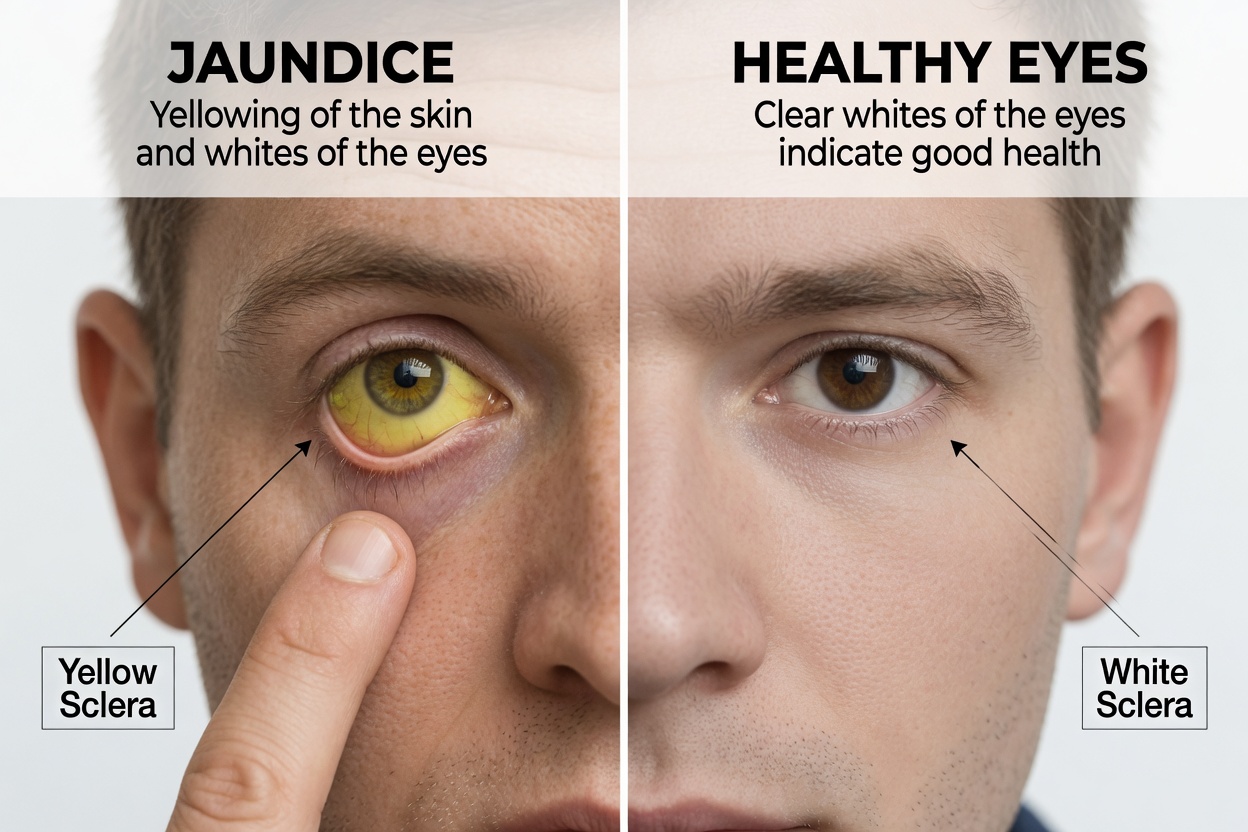
2) Jaundice (Yellow Skin or Eyes)
Jaundice happens when a tumor blocks the bile duct, causing bilirubin to build up in the body. Common associated changes include:
- Yellowing of the skin and whites of the eyes
- Dark urine
- Pale, light-colored, or clay-colored stools
- Itchy skin (often intense)
Jaundice is more commonly seen when a tumor is located in the head of the pancreas. Because it can appear relatively quickly—even if mild at first—it’s important to seek medical advice promptly.
3) Unexplained Weight Loss
A noticeable drop in weight without dieting or increased exercise is a warning sign for many conditions, including pancreatic cancer. Weight loss may occur because digestion is disrupted, appetite decreases, or the body’s energy demands change.
Many people report losing a significant amount of weight over a few months, often alongside reduced appetite. If weight loss is unexplained, it deserves evaluation rather than being attributed to stress or aging.
4) Digestive Problems and Changes in Bowel Habits
Since the pancreas is central to digestion, pancreatic disease can affect how the body breaks down and absorbs food—especially fats. Possible changes include:
- Greasy, floating stools with a strong odor (steatorrhea) that may be difficult to flush
- Ongoing diarrhea or alternating diarrhea and constipation
- Bloating, indigestion, nausea, or feeling full sooner than usual
If these issues persist for weeks, note the pattern and share the details with your doctor.
5) New Diabetes (or Diabetes That Suddenly Gets Harder to Control)
Pancreatic cancer can interfere with insulin production. For some people, diabetes appears unexpectedly—particularly in adults without typical risk factors. For those already living with diabetes, blood sugar may become harder to manage despite no clear changes in diet, activity, or medication.
This concern is especially important when diabetes changes happen alongside weight loss or abdominal pain.
6) Ongoing Fatigue and Reduced Energy
Cancer-related fatigue is often more than ordinary tiredness. People may feel drained or weak even after rest. This can be linked to the body’s increased energy needs, inflammation, or poor nutrition from digestive difficulties.
If fatigue persists and feels out of proportion to your routine, it’s worth discussing with a clinician.
7) Blood Clots
Pancreatic cancer is associated with a higher risk of abnormal blood clotting. This may show up as deep vein thrombosis (DVT), often in the leg, with symptoms such as:
- Swelling
- Pain or tenderness
- Warmth or redness
In some cases, a clot may travel to the lungs (pulmonary embolism), which can cause shortness of breath, chest pain, or rapid heartbeat. These symptoms require urgent medical attention.
8) Fever, Chills, or Itching
Some people experience fevers with shivering, which may relate to inflammation or complications associated with bile blockage. Itching without a rash is also commonly linked to bile salt buildup in the bloodstream, especially when jaundice is present.
Risk Factors That Can Increase Pancreatic Cancer Risk
The cause is not always clear, but certain factors are linked with higher risk:
- Smoking (one of the most important modifiable risks)
- Obesity and long-term poor diet
- Long-standing type 2 diabetes
- Chronic pancreatitis
- Family history of pancreatic cancer or inherited genetic syndromes
- Older age (risk increases notably after 65)
If you have risk factors and you’re noticing symptoms, bring both to your doctor’s attention.
What You Can Do Today: Practical Next Steps
It’s normal to feel concerned when reading symptom lists. Many of these issues are common and often have non-cancer causes. Still, persistent symptoms should not be ignored. Consider these actions:
-
Keep a symptom log
Write down what you feel, when it happens, what makes it worse or better (for example, after meals), and how long it lasts. -
Track your weight
Weigh yourself weekly and note unexpected changes. -
Don’t delay medical advice
Seek evaluation if symptoms last more than two weeks, worsen, or include high-priority signs such as jaundice, significant weight loss, persistent pain, or new-onset diabetes. -
Share the full picture
Tell your clinician about family history, smoking, diabetes history, and every symptom—even if it seems minor. -
Support your overall health
If applicable: stop smoking, aim for a healthy weight, and manage diabetes—steps that can lower risk and improve general health.
A timely conversation with a healthcare provider may lead to blood tests, imaging, and referrals that provide answers and reassurance.
Conclusion: Take Persistent Changes Seriously
Pancreatic cancer can be difficult to detect early, but symptom awareness gives you an advantage. Because the signs can resemble less serious conditions, it’s easy to dismiss them—yet ongoing or worsening changes should be checked. Listening to your body and seeking help promptly can make a meaningful difference.
Frequently Asked Questions (FAQ)
What are the earliest signs of pancreatic cancer?
Early symptoms are often absent. When present, they may include vague upper abdominal discomfort, mild indigestion, appetite changes, or fatigue. More noticeable signs like jaundice and unexplained weight loss often appear later.
Can pancreatic cancer symptoms come and go?
Yes. Pain and digestive symptoms may be intermittent early on, then become more persistent over time. If symptoms repeatedly return or gradually intensify, it’s important to seek evaluation.
When should I see a doctor?
Arrange medical assessment if you have jaundice, unexplained weight loss, persistent abdominal or back pain, new or worsening diabetes, or digestive changes lasting longer than two weeks.
Medical Disclaimer
This article is for informational purposes only and does not replace professional medical advice. The symptoms listed can have many causes. Always consult a qualified healthcare provider for personal evaluation and guidance. Do not delay seeking medical care based on this content.