
High creatinine can feel alarming because it may signal that your kidneys are working harder than usual to clear waste—especially creatinine, a natural byproduct of muscle metabolism. It’s common to worry about what an elevated lab result means for long-term kidney health, daily stamina, and overall wellbeing. The reassuring part is that practical, consistent lifestyle choices—made with medical guidance—can often reduce unnecessary strain and support healthier kidney function. Evidence discussed by groups such as the National Kidney Foundation and health education sources like Healthline frequently highlights the supportive role of hydration, nutrition, and moderate activity.
Even better, you don’t need extreme changes to get started. Small, repeatable habits tend to compound over time. Below are 7 realistic daily practices based on evidence-informed principles—focused on steady progress, not drastic overhauls.

What Creatinine Indicates About Kidney Health
Creatinine is produced when your body uses creatine and breaks down muscle proteins. Under normal conditions, healthy kidneys filter creatinine into urine, keeping levels in the bloodstream relatively stable. When kidney filtration slows—due to chronic illness, dehydration, high protein intake, or other stressors—blood creatinine can rise.
It’s also important to know that temporary increases can happen from intense exercise, dehydration, or certain supplements. However, persistently high creatinine may point to a broader kidney-related issue that needs professional evaluation.
Lifestyle factors can influence how much creatinine is produced and how effectively your body clears waste. For example:
- Adequate fluids support filtration and dilution of waste products.
- Moderating protein (especially animal protein) can reduce creatinine generation.
No single habit is a “cure,” but combined changes may support your kidneys as part of a comprehensive care plan.
Habit #7: Stay Consistently Hydrated All Day
When you’re dehydrated, creatinine can become more concentrated in your blood because there’s less fluid available to help the kidneys flush waste. Many people drink water in bursts but forget steady hydration during busy hours—yet consistency is what matters most.
A common general target is 6–8 cups of water per day (about 1.5–2 liters), spread throughout the day. If you have advanced kidney disease or your clinician has recommended fluid restriction, follow that guidance instead.
Helpful ways to stay consistent:
- Keep a refillable bottle with you.
- Sip regularly rather than drinking large amounts at once.
- Pair water breaks with daily cues (after bathroom breaks, before meals, etc.).
Hydration is foundational, but diet often has an even bigger impact on creatinine-related workload.
Habit #6: Cut Back on Animal Protein—Especially Red Meat
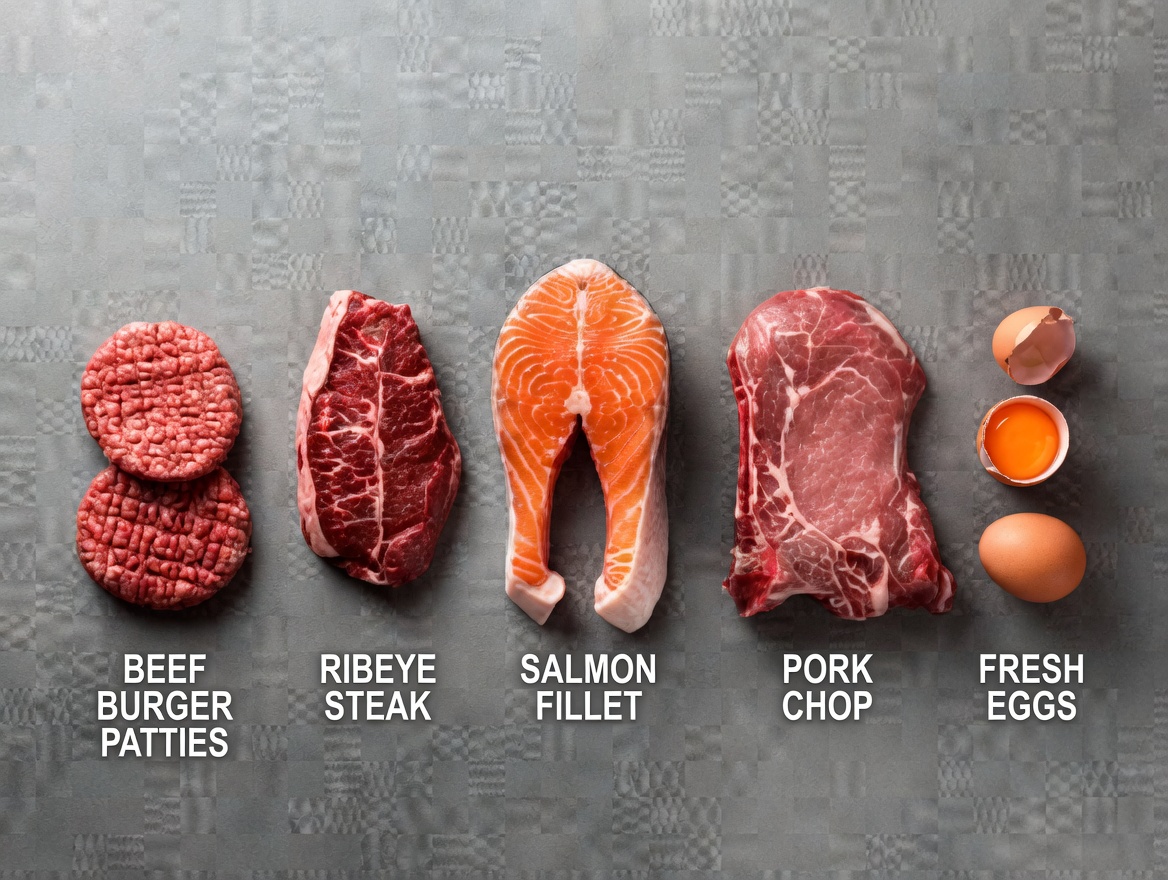
Animal-based proteins, particularly red and processed meats, contain creatine that can convert into creatinine. A high intake may raise creatinine production and add extra stress to kidney filtration.
Instead of removing protein altogether, aim for a more kidney-supportive balance by choosing plant-forward options more often, such as:
- Beans and lentils
- Tofu and tempeh
- Quinoa and other whole grains
Example swap: replace a steak-based meal with a chickpea and vegetable stir-fry a few times per week. Many people also find this change easier on digestion.
Trusted health sources commonly note that reducing red meat and emphasizing plant proteins can be a supportive strategy for kidney health—especially when paired with medical oversight.

Habit #5: Add More Fiber-Rich Foods Daily
Fiber does more than support digestion. Plant fiber can help regulate the gut, bind certain waste products, and may indirectly support kidney health. Some studies associate higher fiber intake with improved kidney-related markers in people managing chronic concerns.
Simple, high-impact ways to increase fiber:
- Breakfast: oatmeal with berries or chia seeds
- Lunch: add vegetables like broccoli, carrots, or leafy greens
- Dinner: choose whole grains (brown rice, whole wheat, barley) more often
Fiber-rich meals tend to feel more satisfying, which can also support healthier weight and blood sugar—two important factors for kidney protection.
Habit #4: Choose Moderate, Consistent Movement
Very intense exercise can temporarily increase creatinine due to muscle breakdown, which can confuse lab trends for some people. However, moderate daily activity supports circulation and helps manage conditions that strongly affect kidney function, including high blood pressure and insulin resistance.
Practical options most days of the week:
- 20–30 minutes of brisk walking
- Light yoga
- Gentle stretching or mobility work
Many people notice improved energy and clearer thinking with consistent walking, especially when done at a comfortable pace.
The goal is resilience—not overload.
Habit #3: Skip Creatine Supplements and Limit NSAID Use
Two common, often-overlooked contributors to elevated creatinine are creatine supplements and frequent use of NSAIDs (non-steroidal anti-inflammatory drugs) such as ibuprofen.
- Creatine supplements can directly raise measured creatinine.
- Long-term or heavy NSAID use may stress the kidneys over time.
If you use either regularly:
- Consider stopping creatine supplements if you’re monitoring kidney markers.
- Talk with your clinician about safer pain management options (often acetaminophen is discussed, depending on your medical situation).
Small precautions like these can prevent avoidable spikes and support more reliable lab tracking.
Habit #2: Monitor and Support Healthy Blood Pressure
Blood pressure is one of the strongest drivers of kidney damage over time. When blood pressure is high, the tiny blood vessels in the kidneys can be injured, making creatinine control harder and accelerating long-term decline.
Many care plans aim for a blood pressure target around or below 130/80, though your exact goal should come from your clinician.
Daily and weekly strategies that help:
- Check readings at home consistently
- Reduce sodium intake
- Use short stress-reduction routines (deep breathing, brief meditation)
- Take prescribed medications as directed
Strong blood pressure control helps protect kidney circulation and can slow progression of kidney issues.
Habit #1: Eat More Plant-Forward, Low-Sodium Meals
If one habit ties everything together, it’s building meals that are naturally kidney-supportive: more plants, less sodium, and fewer highly processed foods. This approach can reduce fluid retention, support blood pressure, and decrease overall kidney workload.
Ideas to make it doable:
- Fill half your plate with vegetables
- Use herbs, garlic, lemon, and spices instead of heavy salt
- Cook at home more often to control sodium
Research commonly supports plant-heavy, lower-sodium patterns as beneficial for kidney health and related markers—especially when introduced gradually and maintained consistently.
Quick Overview: How These Habits Fit Daily Life
- Hydration — supports filtration and waste removal — very easy to start
- Less animal protein — reduces creatinine production — moderate effort
- More fiber — supports gut function and waste handling — easy
- Moderate movement — supports circulation and blood pressure — moderate
- Avoid creatine + limit NSAIDs — prevents avoidable creatinine increases — easy
- Blood pressure support — protects kidney blood vessels — ongoing
- Plant-forward, low-sodium meals — comprehensive kidney-friendly nutrition — high impact
Simple, Actionable Steps You Can Start Today
-
Track the basics for one week
Log water intake, main protein sources, and high-sodium foods in a notebook or app. -
Make one swap at a time
Replace one red meat meal with beans, lentils, or tofu; add one extra vegetable serving daily. -
Schedule movement
Set a reminder for a 20-minute walk after dinner. -
Review changes with your clinician
Share your plan before making major shifts—especially if you have diagnosed kidney disease or take medications. -
Monitor trends, not single days
Note energy, swelling, urination changes, and follow lab timing as advised (often every 1–3 months, depending on your situation).
Many people find that consistent hydration, fewer red-meat meals, and regular walking help them feel more in control and see steadier patterns over time.
Frequently Asked Questions
Can these habits replace medical treatment?
No. These are supportive lifestyle practices meant to work alongside your clinician’s treatment plan, medications, and ongoing lab monitoring. Always consult a qualified healthcare professional before making significant dietary, supplement, or medication changes—especially if you have kidney disease, diabetes, high blood pressure, or fluid restrictions.