

3 Best Rice Varieties for a Kidney-Friendly Diet
More people are paying attention to kidney health today, and for good reason. Fast-paced routines, convenience foods, and heavily processed meals can place extra strain on the organs responsible for filtering waste and maintaining your body’s balance. When you already feel tired or are thinking about long-term wellness, even choosing a basic side dish can start to feel important.
The good news is that rice can still have a place in a kidney-supportive meal plan when you choose the right type. In fact, a simple change in your pantry may make everyday meals feel much more nourishing than you expected. If you want to start with the most practical options, these three rice varieties are the best ones to know.
Why Rice Matters in a Kidney-Supportive Eating Plan
Your kidneys are constantly working to clear waste, regulate fluids, and help manage key minerals in the body. Because of that, your food choices can directly influence how supported those organs feel over time.
Rice remains a staple around the world because it is:
- Naturally low in sodium
- A dependable source of energy
- Easy to prepare in many different dishes
- Simple to pair with vegetables and proteins
Kidney nutrition guidance often points to certain rice varieties as better choices because they are typically lower in phosphorus and potassium, two minerals that may need closer attention when kidney function is a concern.
That said, portion size still matters. The best approach is always to speak with your doctor or a registered dietitian, especially if you have been told to monitor mineral intake. The key is not just eating rice, but choosing the kind that best suits your current health needs.
The Top 3 Rice Types Often Recommended for Kidney-Friendly Meals
If you are looking for practical options, these are the three rice varieties dietitians and kidney nutrition resources commonly highlight. Each one offers a different texture and flavor while still fitting into a balanced eating pattern.
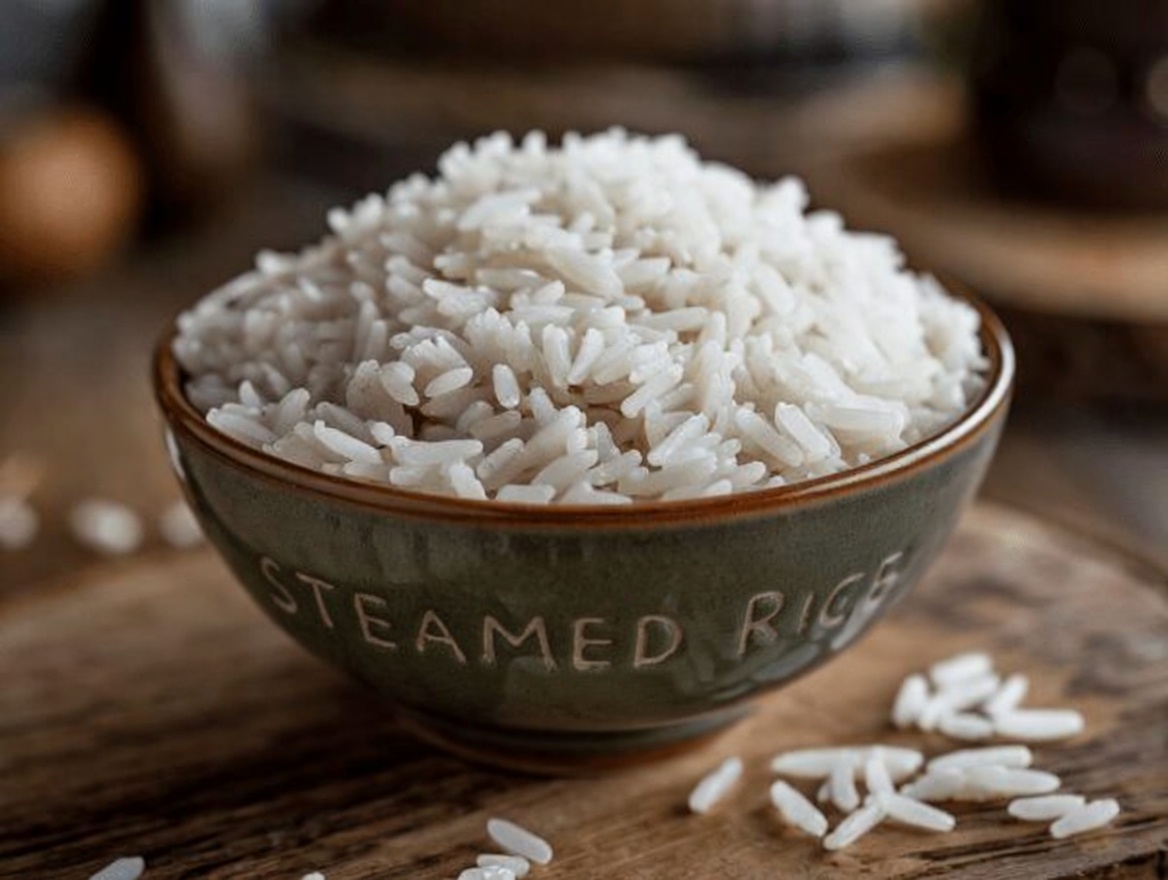
1. White Long-Grain Rice: A Dependable Everyday Choice
White long-grain rice is one of the most commonly used options in kidney-conscious diets. During processing, much of the bran layer is removed, which also lowers the concentration of phosphorus and potassium compared with many whole-grain versions.
Why it works well:
- Lower in phosphorus and potassium than brown rice
- Mild flavor that pairs with almost anything
- Light, fluffy texture
- Quick and easy to cook
It is a reliable option for regular meals and works especially well when you want a simple carbohydrate source without making your plate too heavy.
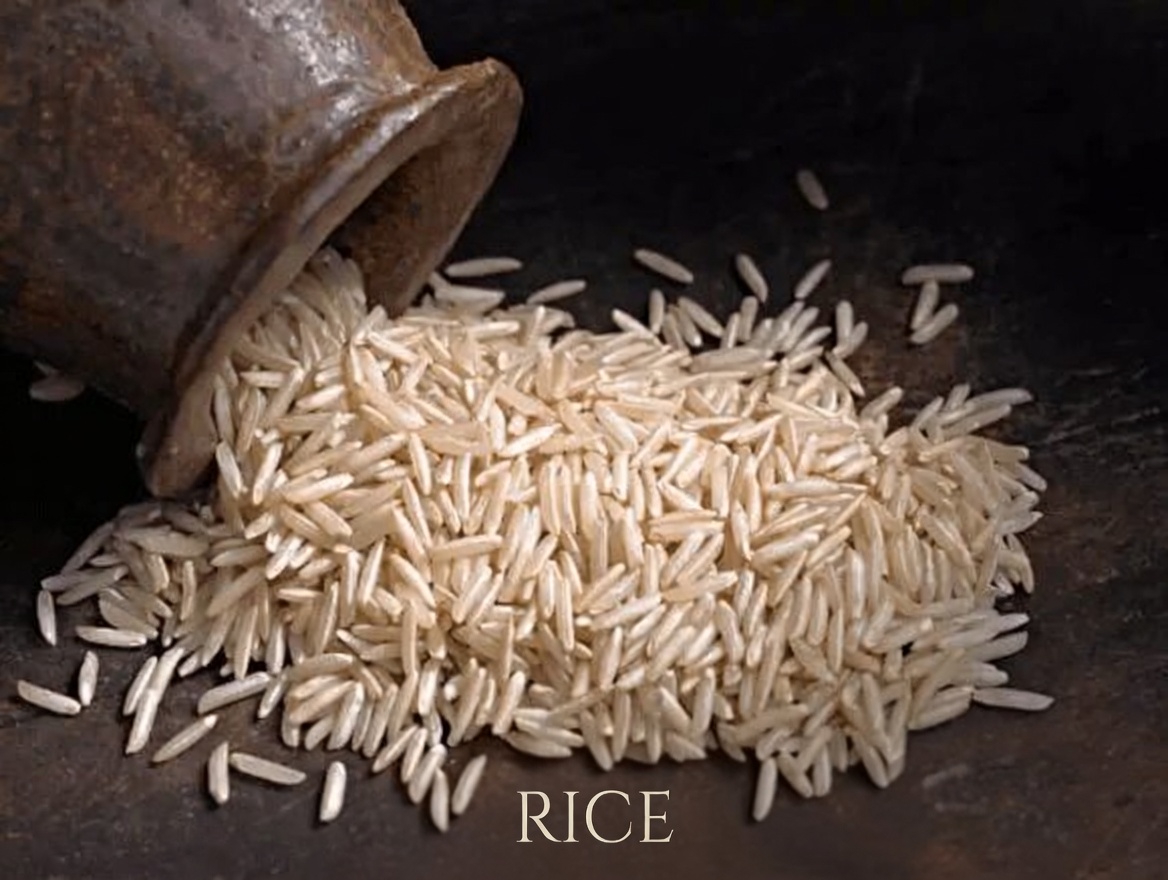
2. Basmati Rice: Fragrant, Light, and Steady
Basmati rice, especially white basmati, is known for its delicate aroma and fluffy texture. Many people also appreciate that it may produce a gentler blood sugar response than some other rice varieties, which can be helpful because stable blood sugar supports overall kidney health over time.
Benefits of basmati rice include:
- Pleasant aroma and nutty character
- Long, separate grains after cooking
- Often associated with a lower glycemic response
- Easy to rinse thoroughly before cooking
Rinsing basmati well can also help reduce trace contaminants, including arsenic, which may be present in different rice types.
3. Jasmine Rice: Soft, Comforting, and Versatile
Jasmine rice is another excellent choice for kidney-friendly meals. It cooks quickly, has a soft texture, and brings a naturally appealing fragrance to the table. The white version is generally moderate in phosphorus and potassium per serving, making it easier to include in a kidney-supportive eating pattern.
Why many people enjoy it:
- Soft and slightly sticky texture
- Fast cooking time
- Floral, comforting aroma
- Great for quick meals and simple side dishes
Jasmine rice can make everyday food feel more satisfying, which is important when you are trying to maintain healthy habits consistently.
Quick Rice Comparison for Kidney Wellness
Here is a simple side-by-side breakdown of how these rice varieties compare:
-
White Long-Grain Rice
- Main advantage: Lower phosphorus and potassium
- Texture: Light and fluffy
- Best use: Daily meals, meal prep, larger batches
-
Basmati Rice
- Main advantage: Lower glycemic response and easy rinsing
- Texture: Fragrant, fluffy, longer grains
- Best use: Indian, Middle Eastern, or lightly seasoned dishes
-
Jasmine Rice
- Main advantage: Quick cooking and soft texture
- Texture: Slightly sticky with a floral scent
- Best use: Stir-fries, Asian-inspired meals, quick dinners
This comparison can help you choose the rice that best matches your taste preferences, schedule, and cooking style.
Easy Ways to Add Kidney-Friendly Rice to Your Meals
You do not need advanced recipes to make these rice varieties part of your routine. A few simple habits can make a big difference.
- Rinse rice under cold water for 30 to 60 seconds before cooking.
- Use about a 1:2 ratio of rice to water for a fluffy result.
- Keep portions around 1/2 to 3/4 cup cooked rice per meal, depending on your needs.
- Pair rice with lower-potassium vegetables such as:
- Cabbage
- Green beans
- Bell peppers
- Store leftovers in the refrigerator for up to three days.
- Reheat with a small splash of water to restore texture.
- Season with herbs and spices instead of salt to avoid extra sodium.
These small steps can turn rice from a basic side into a useful part of your long-term wellness routine.
Preparation Tips That Can Make Rice Even More Supportive
Many people focus only on the type of rice they buy, but how you prepare it matters too. Proper handling before and after cooking can help you get the most out of your meal.
Smart preparation habits include:
- Always discard the rinsing or cooking water when appropriate
- Use a rice cooker or stovetop method that helps with portion control
- Rotate between rice varieties so meals stay interesting
- Avoid loading rice dishes with salty sauces or processed toppings
One of the biggest advantages of white long-grain, basmati, and jasmine rice is that they are all affordable, easy to find, and familiar in most kitchens.
What Research Says About Rice and Kidney Health
Nutrition research and kidney health organizations regularly note that white rice varieties can be helpful when mineral control is a priority. Because the bran layer is removed during processing, white rice generally contains less phosphorus than whole-grain alternatives.
This is one reason white long-grain rice often appears in kidney diet recommendations. Fragrant options like basmati and jasmine add variety and enjoyment while still fitting that lower-mineral profile.
For people without a diagnosed kidney condition, including these rice types as part of a balanced diet with vegetables, adequate hydration, and sensible portions can still be a positive choice. The broader message from nutrition guidance is clear: small, thoughtful food choices can add up over time.
Final Thoughts
Choosing the best rice for kidney health does not have to be complicated. The goal is not perfect eating, but building meals that feel sustainable, satisfying, and supportive day after day.
White long-grain rice, basmati rice, and jasmine rice each offer their own strengths:
- White long-grain is practical and dependable
- Basmati is fragrant and may support steadier blood sugar
- Jasmine is soft, quick, and comforting
If you already enjoy one of these, start there. Then rotate the others into your weekly meals to keep your diet varied and enjoyable.
Your kidneys work for you every minute of the day. Supporting them through simple everyday foods like the right kind of rice is an easy and realistic step toward better overall wellness.
Frequently Asked Questions
Is brown rice ever a good option if I want more fiber?
Brown rice provides more fiber and certain nutrients, but it also contains more phosphorus and potassium. For some people, small portions may still fit depending on their health status. If you need to watch these minerals, check with your doctor or dietitian before adding it regularly.
How much rice is reasonable in a kidney-friendly diet?
Many meal plans suggest about 1/2 to 1 cup of cooked rice per meal, depending on your calorie needs, mineral limits, and the rest of your plate. Personalized guidance is always best.
Can changing the type of rice really make a difference?
It can. Choosing rice varieties that better match your nutrition goals may help meals feel lighter, more balanced, and easier to repeat consistently. The effect is usually gradual and works best alongside hydration, physical activity, and an overall healthy diet.
Disclaimer
This article is intended for informational and educational purposes only. It is not meant to diagnose, treat, or cure any medical condition. The information here is based on general nutrition principles and should not replace advice from your physician or a registered dietitian. Always consult a qualified healthcare professional before making significant dietary changes, especially if you have kidney disease or other medical concerns.