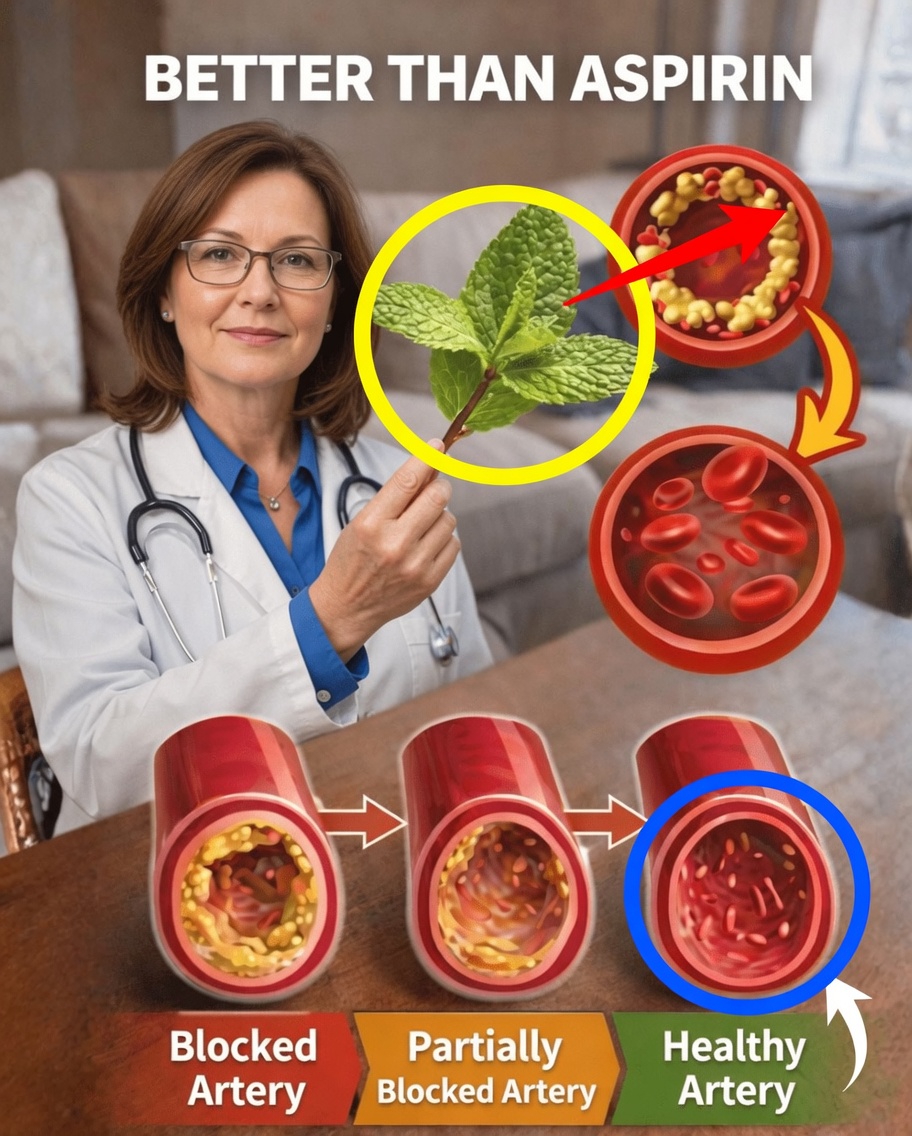
Could Everyday Foods Help Support Your Arteries Naturally?
Imagine eating a handful of ripe berries and getting that bright sweet-tangy burst of flavor, while also knowing those same foods may help support your blood vessels. Or picture pouring extra-virgin olive oil over a fresh salad, its rich, peppery taste doing more than improving dinner—it may also benefit your heart.
This idea is not just wishful thinking. Research suggests that some nutrient-dense foods may promote arterial health in ways that resemble certain effects linked to aspirin, such as helping calm inflammation or gently reducing the tendency of platelets to clump. The difference is that these foods work through natural dietary compounds rather than long-term medication use.
That matters because plaque buildup is common. Studies suggest that as many as half of adults over age 50 show signs of arterial plaque. The encouraging news is that simple food choices may help support healthier circulation over time. Let’s take a closer look at how your kitchen might become part of your heart-health strategy.
The Quiet Danger Developing Inside the Arteries
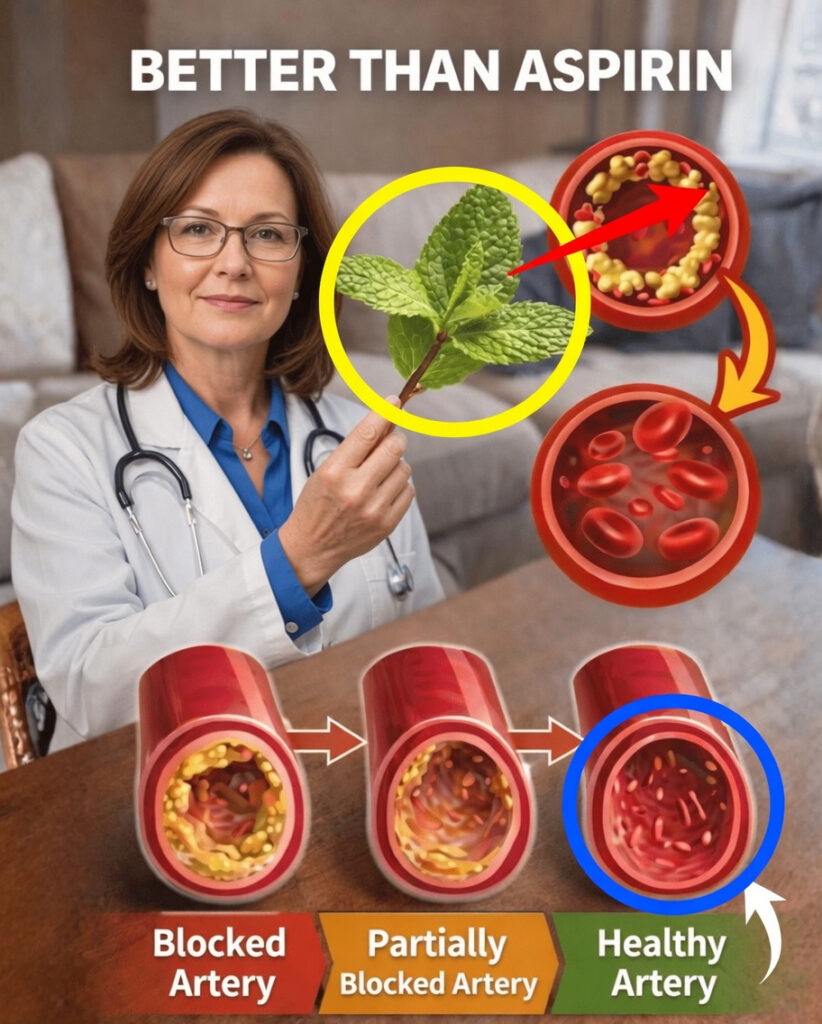
Atherosclerosis does not happen overnight. Over many years, cholesterol, fats, and other substances can collect along artery walls, forming plaque. As that buildup grows, arteries become narrower and less flexible, making it harder for blood to move freely.
This process also triggers inflammation, which can attract even more material to the artery lining. What begins as a small issue may slowly expand into a much bigger cardiovascular concern.
For many people, this happens silently. Millions live with atherosclerosis without obvious symptoms until circulation becomes more restricted. When that occurs, signs may include:
- Shortness of breath during routine activity
- Tiring legs when walking
- Chest discomfort
- Reduced stamina or unexplained fatigue
One major factor is diet. Highly processed foods, refined sugars, and unhealthy fats can contribute to the conditions that help plaque progress. In contrast, whole, minimally processed foods may support the body’s natural defenses against inflammation, oxidation, and cholesterol imbalance.
Why Aspirin Is Not Always the Best Long-Term Answer
For years, many adults took low-dose aspirin daily in hopes of protecting their hearts. Consider someone like John, a 62-year-old retiree who followed that routine for years. While aspirin can reduce clotting, it may also cause side effects such as stomach irritation or bleeding concerns.
Today, medical guidance has become more selective. For many adults over 60 who have not already had a heart attack or stroke, the possible bleeding risks of routine aspirin use may outweigh the benefits.
That does not mean heart protection is unimportant. It simply means there may be room for other supportive approaches, especially through food. Certain foods contain compounds such as:
- Natural salicylates
- Omega-3 fatty acids
- Polyphenols
- Flavonoids
- Fiber
- Nitrates
These nutrients may help support healthy blood flow, reduce oxidative stress, and calm inflammation in a gentler way. Food is not a replacement for medical care, but it can be a powerful part of a prevention-focused lifestyle.
9 Foods That May Help Support Cleaner, Healthier Arteries
If you want to eat in a more artery-friendly way, these foods are among the most promising. Each offers unique nutritional compounds linked to better cardiovascular support.
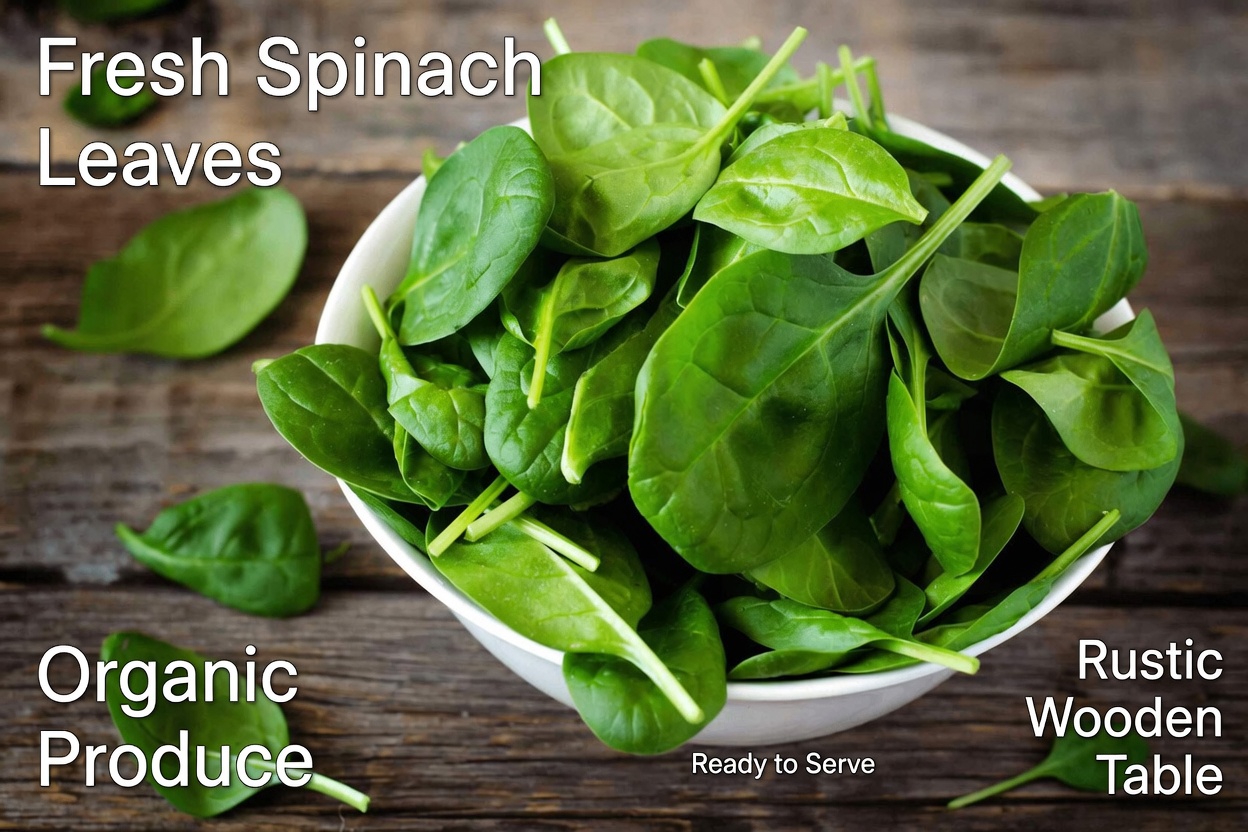
9. Leafy Greens
Spinach, kale, arugula, and similar greens are rich in natural nitrates. These compounds may help blood vessels relax and widen, supporting smoother blood flow.
8. Garlic
Garlic contains allicin, a sulfur compound studied for its potential cardiovascular effects. Some research suggests it may offer mild blood-thinning support and help promote healthy circulation.
7. Nuts
Almonds, walnuts, and pistachios provide healthy fats, plant compounds, and vitamin E. Together, these nutrients may help reduce oxidative damage that contributes to plaque formation.
6. Avocados
Avocados are packed with monounsaturated fats, which may help support balanced cholesterol levels. They also add fiber and potassium, making them a heart-smart addition to meals.
5. Oats and Whole Grains
Oats are especially known for soluble fiber, which can bind cholesterol in the digestive tract and help lower the amount absorbed into the bloodstream. Whole grains also support steadier blood sugar and better overall metabolic health.
4. Olive Oil
Extra-virgin olive oil contains polyphenols and beneficial fats linked to reduced inflammation and slower plaque progression. It is one of the most recognized staples of the Mediterranean diet.
3. Fatty Fish
Salmon, sardines, trout, and mackerel supply omega-3 fatty acids. These healthy fats may help reduce inflammation and support plaque stability, both of which are important for cardiovascular health.
2. Beans and Legumes
Beans, lentils, and chickpeas offer fiber, minerals, and plant compounds associated with lower heart disease risk. They can also help support cholesterol control and satiety.
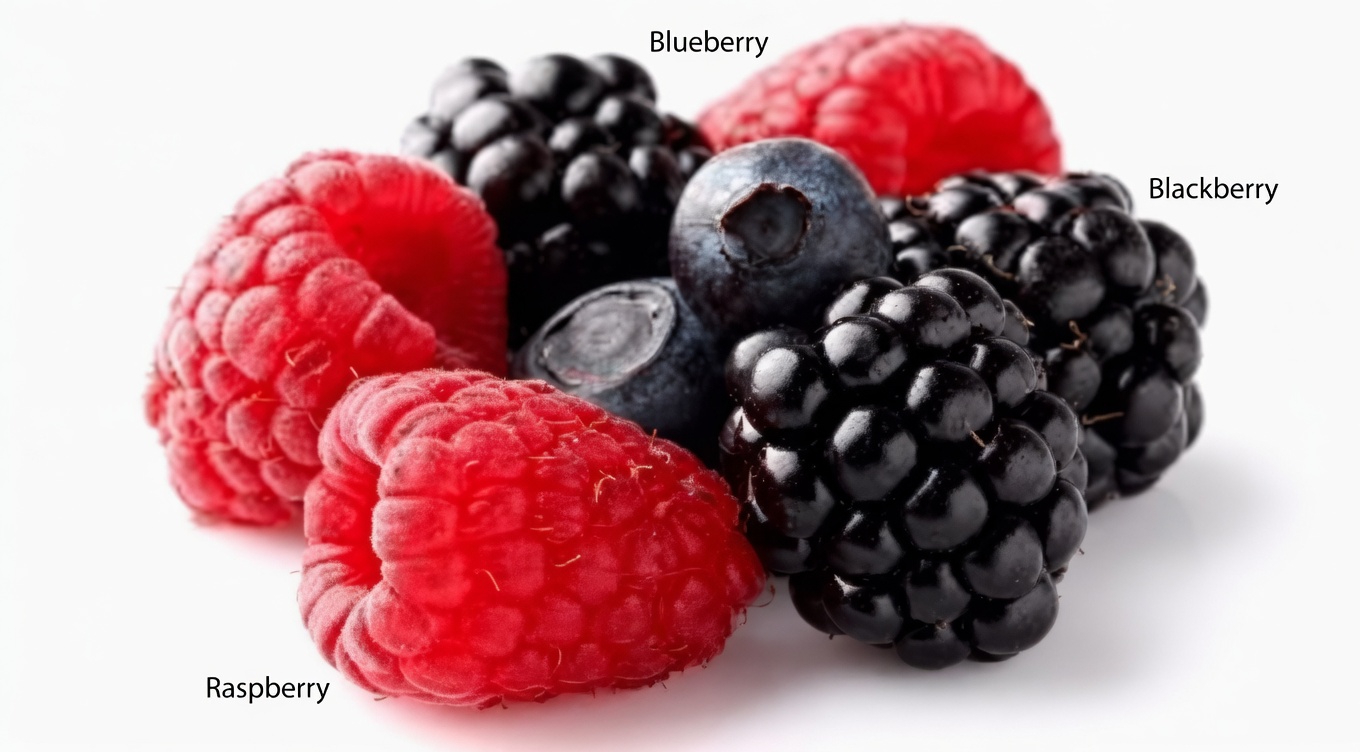
1. Berries
Blueberries, strawberries, raspberries, and blackberries are rich in flavonoids. These plant compounds have been linked to improved blood vessel function and lower markers associated with atherosclerosis.
Why These Foods Work Even Better Together
The true benefit may not come from one “superfood,” but from a consistent eating pattern built around many of these ingredients. This is one reason the Mediterranean diet continues to stand out in research.
A Mediterranean-style eating pattern typically includes:
- Olive oil as the main added fat
- Frequent vegetables and leafy greens
- Beans and legumes
- Whole grains
- Nuts and seeds
- Berries and other fruits
- Regular fatty fish
Large reviews have connected this style of eating with better arterial health and lower cardiovascular risk. In other words, small daily choices can create meaningful long-term support.
Foods That May Help Counter Common Artery Risks
Many everyday habits can quietly contribute to plaque buildup. The table below shows how specific foods may help offset some of those common risks.
| Common Artery Risks | Foods That May Offer Support |
|---|---|
| High intake of processed fats and sugar | Berries, oats |
| Inflammation linked to poor diet | Salmon, olive oil |
| Oxidative stress | Nuts, leafy greens |
| Platelet stickiness | Garlic, berries |
| Cholesterol buildup | Avocados, beans |
This comparison highlights an important truth: what you eat repeatedly matters more than what you eat occasionally. Consistency is where the real value begins to show.
Real-Life Examples of Small Changes With Meaningful Impact
Maria, age 55, was concerned about her family history of heart disease. She started making a few simple changes—adding berries to breakfast every day and eating salmon twice a week. After several months, she felt more energetic, and her health checkups showed improvements in key markers. For her, the biggest benefit was feeling proactive instead of helpless.
Tom, 68, had taken aspirin regularly but stopped because of side effects. He shifted his focus toward a heart-conscious eating routine that included olive oil dressings, mixed nuts, and more legumes. Over time, he noticed that walking felt easier and his stamina improved.
Experiences like these are personal, and results vary. Still, research supports the general pattern: eating in a Mediterranean-style way has been associated in some studies with roughly a 30% lower cardiovascular risk.
Simple Ways to Add These Foods to Your Routine
You do not need a complete diet overhaul to get started. Small, manageable adjustments can make the transition easier and more sustainable.
Try these practical ideas:
- Replace butter with extra-virgin olive oil when cooking
- Add berries to oatmeal, yogurt, or smoothies
- Snack on a small handful of nuts
- Include leafy greens in sandwiches, soups, or egg dishes
- Eat salmon or another fatty fish twice a week
- Add beans or lentils to salads, stews, or grain bowls
- Mix fresh garlic into sauces, roasted vegetables, or marinades
Easy Daily Plan for Artery-Friendly Eating
Here is a quick guide to making these foods part of everyday life while keeping safety in mind.
| Daily Habit | Safety Note |
|---|---|
| Drizzle olive oil over vegetables or salads | Introduce gradually if rich foods upset digestion |
| Add berries to breakfast | Wash fresh produce thoroughly |
| Eat fatty fish twice weekly | Choose lower-mercury options when possible |
| Use fresh crushed garlic in meals | Ask your doctor first if you take blood thinners |
| Enjoy a handful of nuts as a snack | Watch portions because calories add up quickly |
These steps fit easily into a busy lifestyle and require little preparation.
Start Now—Your Arteries May Benefit From It
Plaque buildup often progresses quietly, which makes prevention especially important. Waiting until symptoms appear may mean missing the chance to make easier, earlier changes.
The good news is that you already have useful tools available. Foods such as berries, olive oil, salmon, beans, oats, nuts, garlic, avocados, and leafy greens may help support:
- Better blood flow
- Lower inflammation
- Reduced oxidative stress
- Healthier cholesterol balance
- Gentler, natural cardiovascular support
If you want a simple place to begin, focus on these top three:
- Berries for their flavonoid content
- Extra-virgin olive oil for heart-friendly fats and polyphenols
- Salmon for stabilizing omega-3s
Even one change this week can be a meaningful first step toward better artery health.
Frequently Asked Questions
Can these foods replace daily aspirin?
No. Food should not be viewed as a direct substitute for prescribed medication. These foods may offer supportive cardiovascular benefits, but any decision about stopping or changing aspirin should be made with your healthcare provider.
How long does it take to notice benefits?
It depends on the person, overall diet, and consistency. Some people report improved energy within a few weeks, but deeper cardiovascular changes usually take longer. Studies on Mediterranean-style eating often show favorable shifts in markers within 3 to 6 months.
Are there risks to eating more of these foods?
Most of these foods are safe for regular use, but moderation still matters. Nuts and avocados are nutritious yet calorie-dense. Garlic may interact with blood-thinning medications, and allergies should always be considered. If you have a medical condition or take prescription drugs, speak with a healthcare professional before making major changes.
Important Note
This article is for informational purposes only and does not replace professional medical advice. For personalized guidance, consult your healthcare provider.