
Why Everyday Strength Can Feel Harder After 70—and a Simple Food Habit That May Help
In your 70s, routine moments—climbing stairs, carrying groceries, even getting up from a chair—can start to feel surprisingly demanding. When muscle strength gradually declines, ordinary movement may become tiring, and concerns about balance can grow. One gentle, practical way to support your body is to add protein-rich seeds to your meals. It’s a straightforward shift that can fit into your existing routine without dramatic changes.

What Many People Don’t Realize About Muscle Changes After 70
Age-related muscle loss (often called sarcopenia) commonly accelerates after 70. Legs may feel weaker, balance can feel less dependable, and the fear of falling may reduce confidence and independence.
Adding protein-rich seeds can help because they offer plant-based protein your body can use—especially when paired with regular movement—to support muscle maintenance. Research summarized by organizations such as the National Institutes of Health (NIH) highlights that adequate protein intake is important for muscle health in older adults. Seeds also provide healthy fats and key minerals, which can support recovery and overall function. The most helpful approach is to choose seeds that are easy to digest, so meals don’t feel heavy or exhausting afterward.
Why Protein-Rich Seeds Can Improve Protein Use in Older Adults
After 70, digestion and protein absorption often become less efficient. That can contribute to ongoing fatigue, reduced strength, and lower enjoyment of daily activities.
Protein-rich seeds are useful because they provide digestible, bioavailable protein in small amounts that are typically easier on the stomach than large servings of animal protein. Evidence reported in journals such as Nutrients suggests that spreading protein intake across the day may improve how seniors use it. Seeds make this easier: you can add a small amount to meals and snacks without feeling overly full or bloated, helping reduce the “up-and-down” energy pattern many people find frustrating.
How to Choose Protein-Rich Seeds That Actually Support Your Goals
It can be discouraging to try “strength-boosting” ideas that don’t deliver, especially when claims are exaggerated. A more reliable strategy is simple:
- Choose nutrient-dense, protein-rich seeds without hype
- Prepare them in ways that improve digestibility
- Keep them as part of a balanced eating pattern, as reflected in broad dietary guidance such as USDA-style nutrition principles
The biggest difference often comes from consistency. Pairing protein-rich seeds with light activity helps create a sustainable habit—starting small prevents the overwhelm that often stops progress.
Potential Benefits of Adding Protein-Rich Seeds to Your Routine
When energy feels lower after 70, it can become easier to skip hobbies, social time, or outings—sometimes leading to isolation. Protein-rich seeds may help meals feel more appealing and lighter while still adding meaningful nutrition.
Possible benefits include:
- More enjoyable meals: A sprinkle of seeds can improve flavor and texture without extra effort.
- Steadier energy: Small portions throughout the day may help reduce “crashes” that worsen weakness.
- Added nutritional support: Many seeds provide minerals (such as magnesium) that play a role in muscle function and stability.
Over time, these small changes may support a greater sense of independence.
Reducing “Body Discomfort” Feelings by Upgrading Fats and Food Quality
Many people describe a persistent sense of inflammation or “noise” in the body after 70, where movement feels harder than it used to. Some protein-rich seeds—such as flax and hemp—contain polyunsaturated fats that can fit into a cleaner, more nutrient-focused eating pattern. Findings discussed in sources like the American Journal of Clinical Nutrition suggest these fats may support a balanced inflammatory response.
In practice, one of the most meaningful shifts may be replacing processed snack foods with seed-based additions. This can help reduce the nagging aches and discomfort that make staying active feel less appealing.
Pair Protein-Rich Seeds with Gentle Movement for Better Results
Fear of injury can make exercise feel risky after 70, but inactivity can worsen weakness and dependence. Seeds can help by providing building blocks the body uses after movement—supporting the “repair and maintain” process.
Gentle options still count, including:
- Walking
- Chair-based exercises
- Sit-to-stands
- Light mobility routines
Guidance from the World Health Organization (WHO) supports regular activity for older adults, adapted to ability level. Combining simple movement with protein-rich seeds can make recovery feel more natural and reduce the emotional strain of feeling fragile.
Keeping Protein Intake Safe and Comfortable
Concerns about kidney health sometimes lead people to avoid protein altogether. For most people, protein-rich seeds allow a gradual, controlled increase without the heaviness of large protein portions. If you have kidney disease or other medical conditions, follow the advice of your clinician—organizations like the Mayo Clinic commonly recommend individualized guidance.
A careful, step-by-step approach can lower the stress of dietary changes and help you stay consistent.
The Bigger Aim: More Independence in Daily Life
Losing independence after 70 can feel deeply personal—especially when once-easy tasks become difficult. Protein-rich seeds are not a “miracle,” but they can be part of a realistic plan to support strength, stability, and everyday function. They’re also accessible, affordable, and easy to add to meals, which makes long-term use more achievable. The goal is not perfection—it’s practical support that helps daily life feel more manageable.
Six Protein-Rich Seeds to Try (Plus Easy Ways to Use Them)
If choosing new foods feels overwhelming, start with one option and keep it simple:
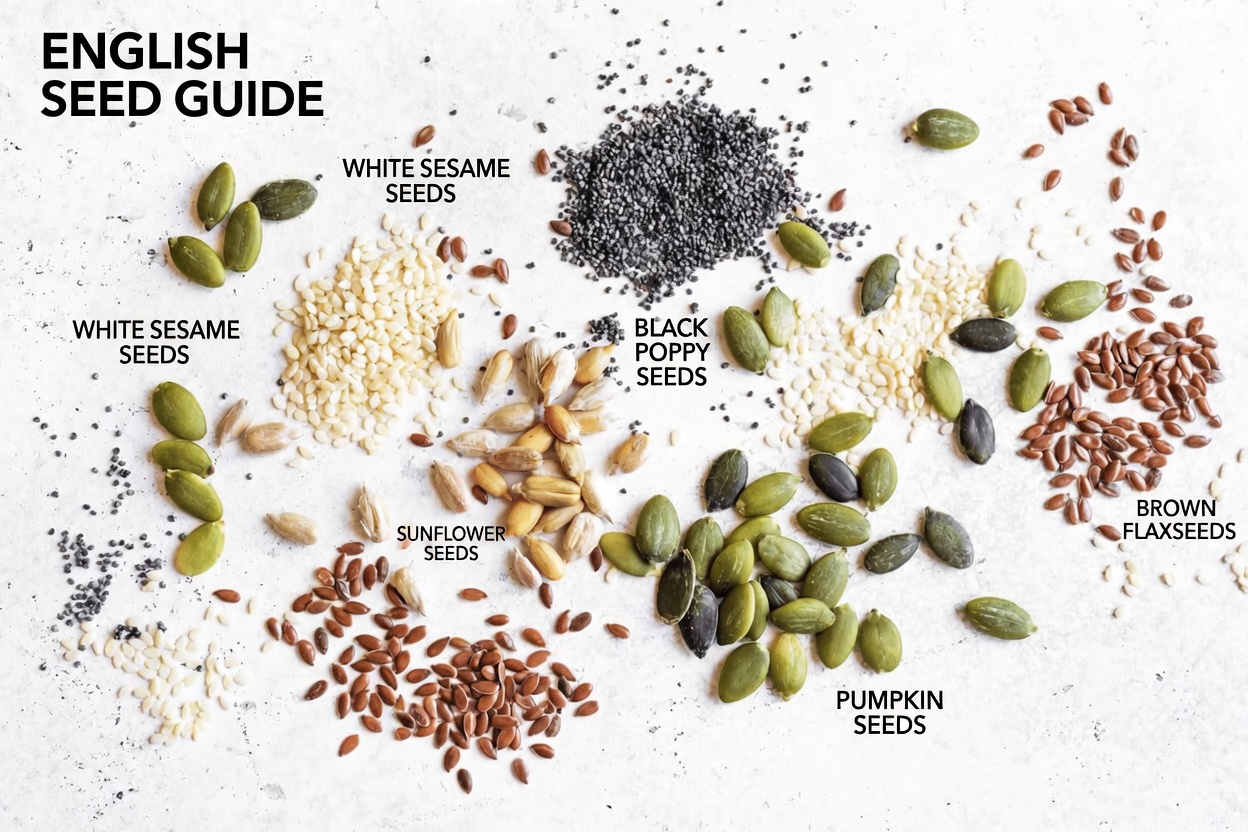
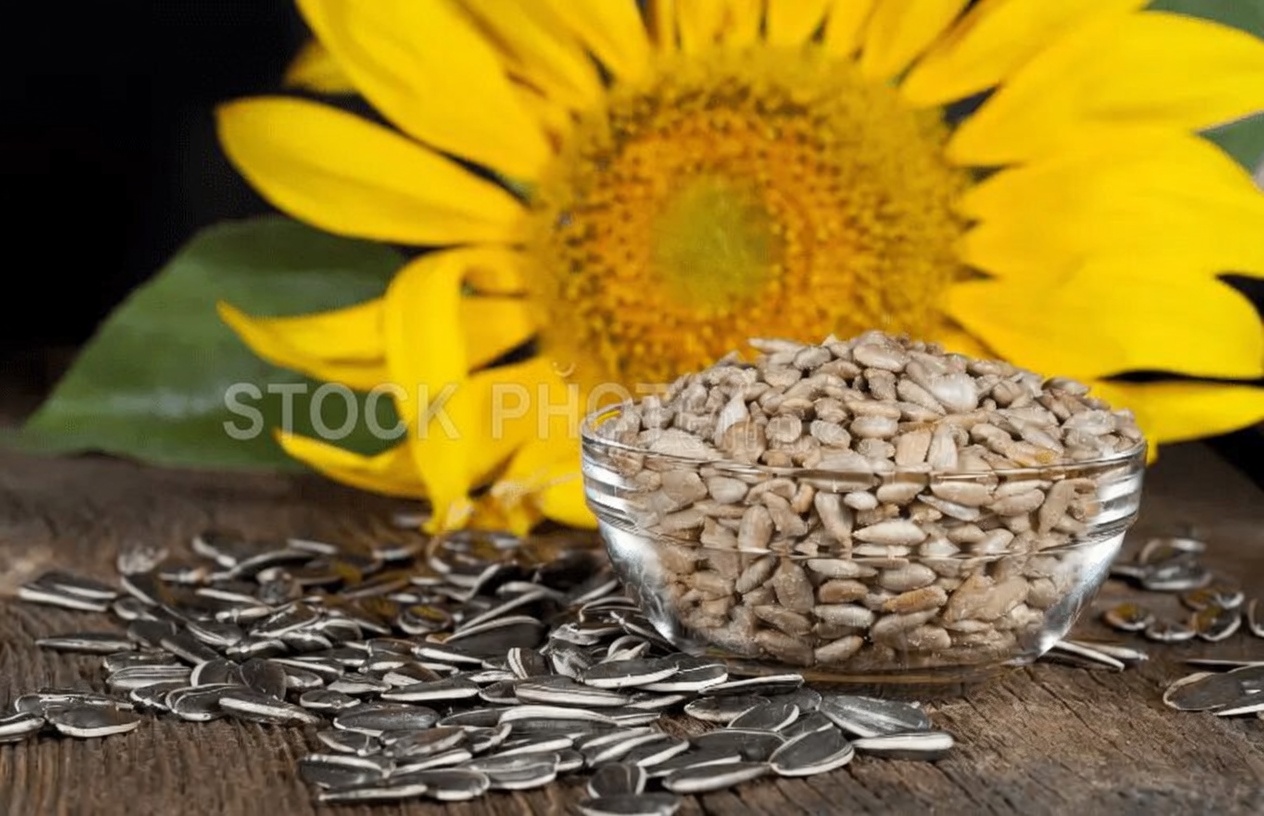
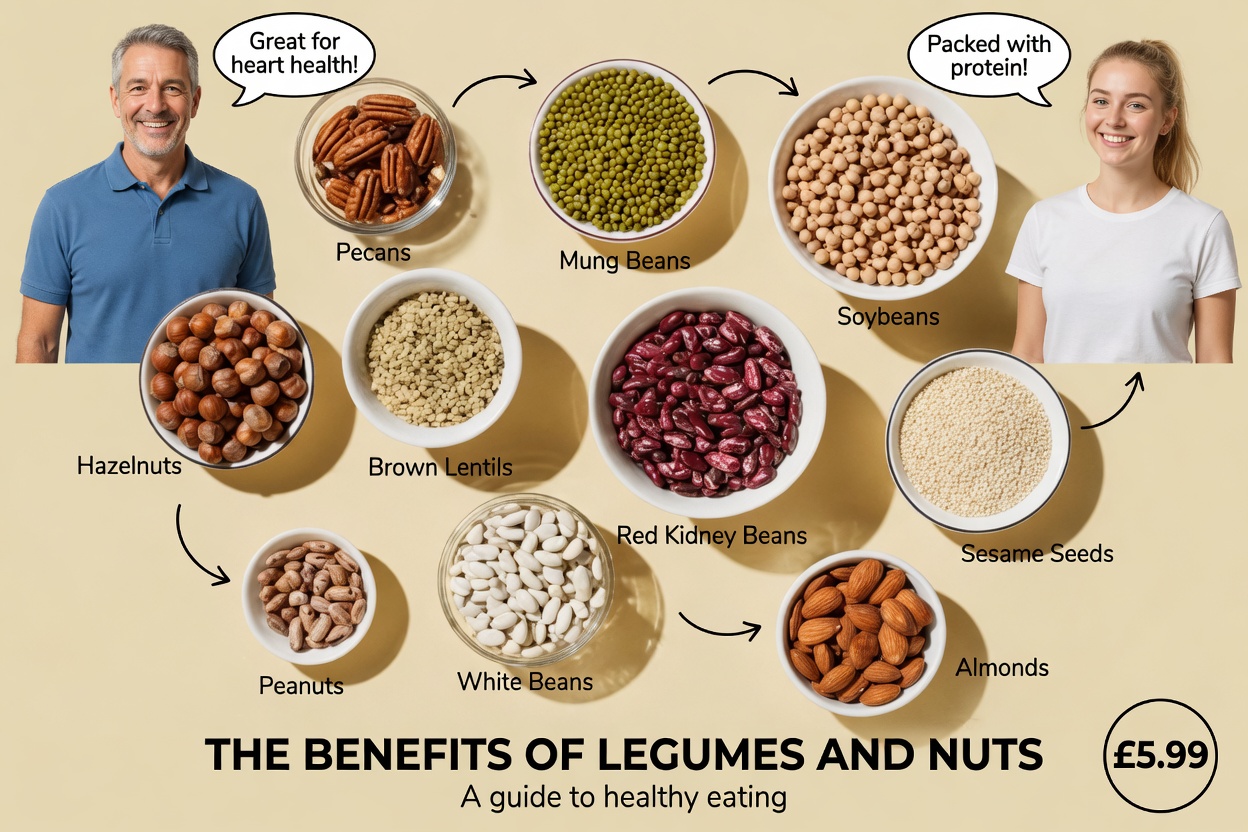
- Sunflower seeds: Sprinkle on salads or cooked vegetables for a mild, nutty boost.
- Sesame seeds (or tahini): Use tahini as a quick topping or dressing base for vegetables.
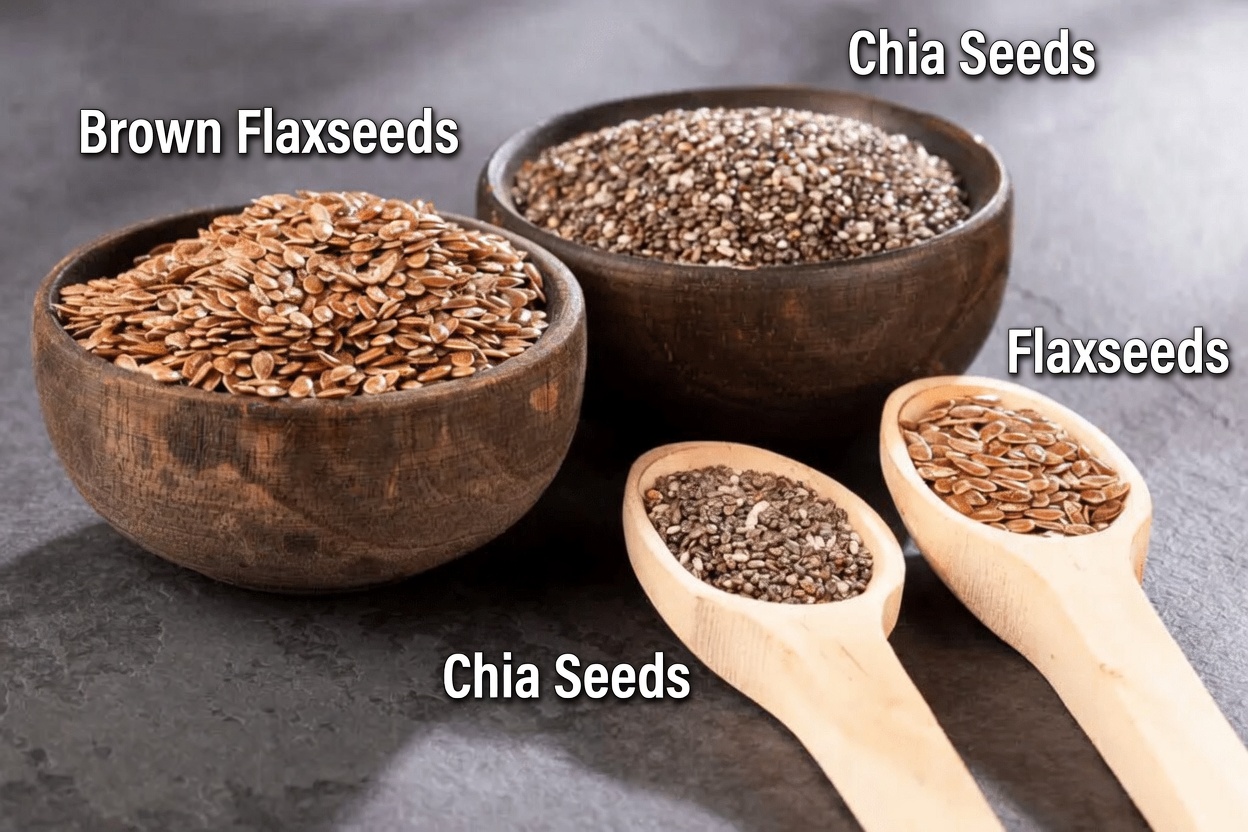
- Flaxseeds (ground): Stir into oatmeal or blend into smoothies for better absorption.
- Pumpkin seeds: Add to soups or enjoy a small measured snack for minerals and crunch.
- Hemp seeds: Mix into yogurt, soups, or soft foods—easy to eat without heaviness.
- Chia seeds: Soak to make pudding or add to drinks for a more filling texture.
These options make it easier to integrate protein-rich seeds into meals you already enjoy.
Preparation Tips to Improve Digestion and Comfort
Digestive sensitivity can make healthy foods feel uncomfortable, which often leads people to quit. To improve tolerance:
- Soak pumpkin or sunflower seeds for 8–10 hours if they feel heavy.
- Lightly toast sesame seeds for flavor and easier eating.
- Grind flaxseed fresh; store it in the refrigerator to maintain quality.
- Soak chia for about 15 minutes before eating or drinking.
- Split servings into smaller portions if needed.
A gentle starting point for many people is 1–2 tablespoons per day, adjusting based on comfort and overall diet.
A Simple 7-Day Starter Plan with Protein-Rich Seeds
If starting feels daunting, reduce the decision-making: choose one seed for the week.
- Days 1–3: Add 1 tablespoon to yogurt or oats (no other changes yet).
- Days 4–7: Keep the same seed habit and add 8–10 minutes of walking (or chair sit-to-stands).
7-Day Schedule
| Day | Protein-Rich Seeds | Movement |
|---|---|---|
| 1–3 | 1 tbsp in yogurt or oats | None yet |
| 4–7 | Same habit + light prep | 8–10 minutes walking or sit-to-stands |
This small plan helps build a repeatable signal—nutrition plus gentle movement—that your body can respond to over time.