Why Unusual Symptoms After Sleep Should Never Be Ignored
After a long day, most people expect sleep to bring rest and recovery. So waking up feeling abnormal, confused, weak, or noticing something unusual can be unsettling. It is easy to dismiss these signs as simple fatigue or poor sleep. However, paying attention to unexpected symptoms that happen during the night or right after waking can be an important step in protecting your health.
The good news is that understanding these warning signs helps you make smarter, faster decisions. This article explains what medical research and health experts say about symptoms linked to sleep, why they matter, and what practical actions can support better brain health starting now.
What Is a Wake-Up Stroke?
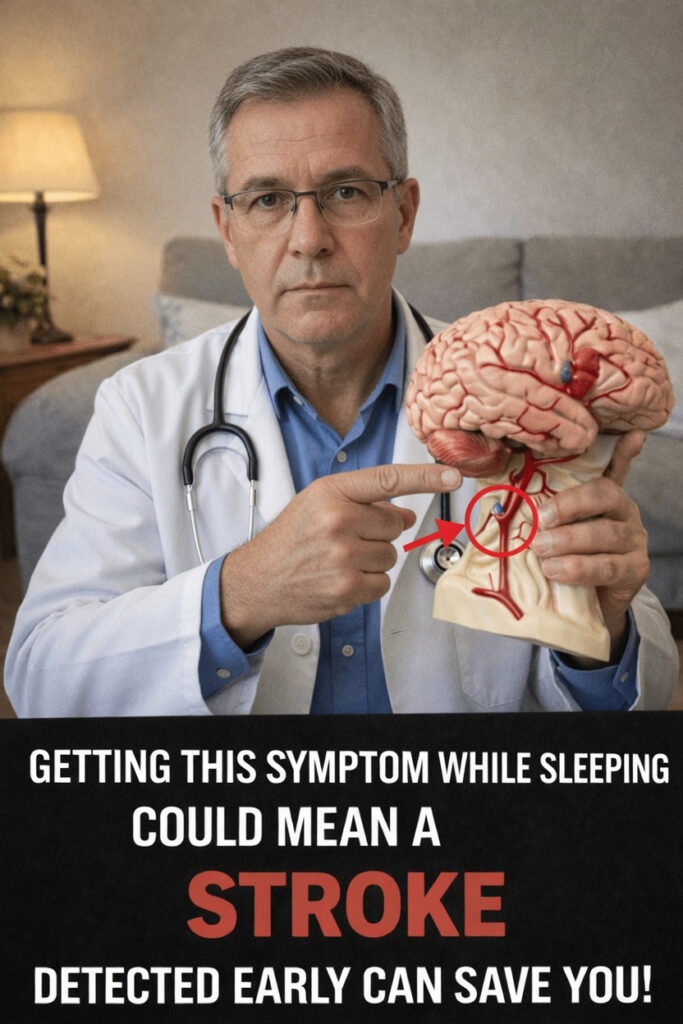
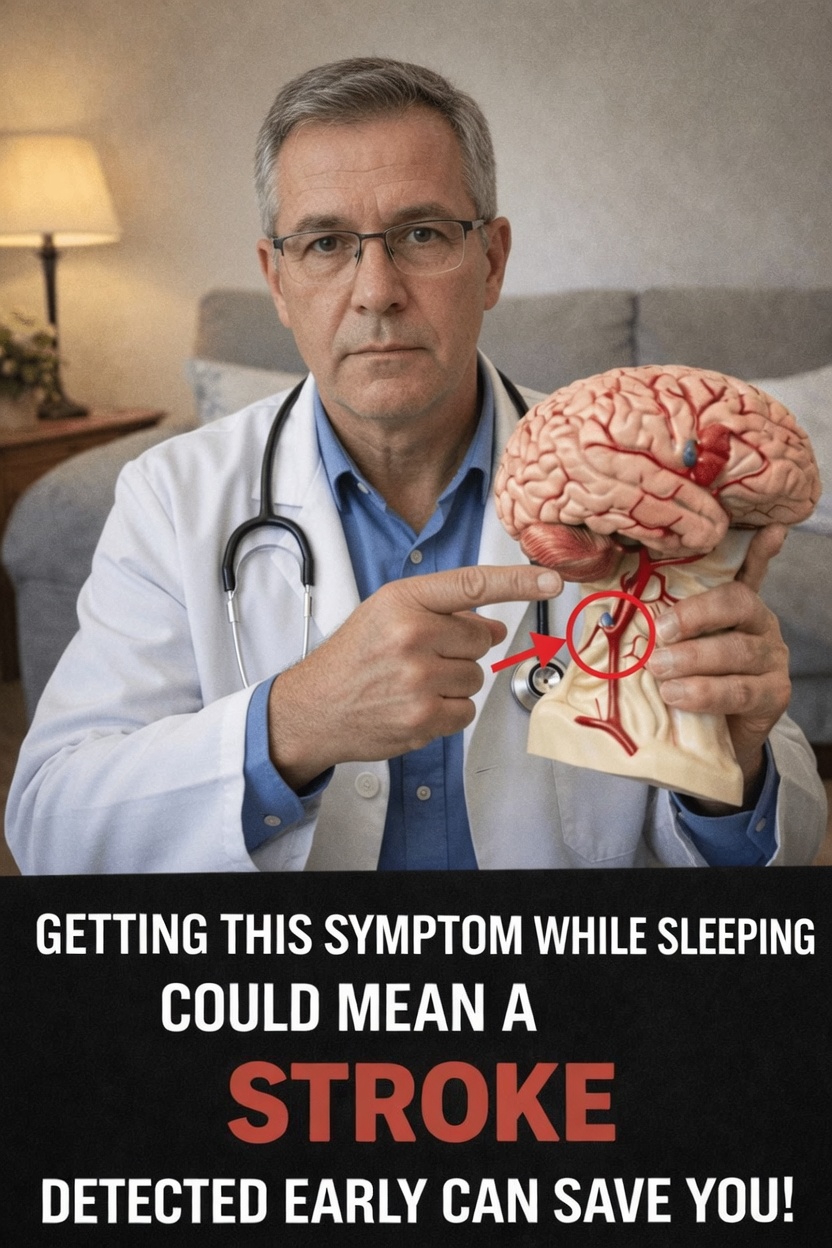
A stroke occurs when blood flow to part of the brain is blocked or when bleeding interrupts normal circulation. Because brain tissue can be damaged within minutes, early recognition is extremely important. According to findings referenced by organizations such as the American Stroke Association, as many as 1 in 4 strokes may happen during sleep. These are often known as wake-up strokes because a person goes to bed feeling normal but notices problems upon waking.
During sleep, the body naturally goes through changes in blood pressure, breathing, and oxygen levels. In some cases, these shifts may reveal or worsen underlying health issues. This is why nighttime awareness matters more than many people realize.

Sleep-Time Symptoms That May Signal a Problem
Neurology research has identified several symptoms that can appear overnight or become obvious first thing in the morning. They may not always seem dramatic, but they deserve attention:
- Sudden numbness or weakness, especially on one side of the body
- Facial drooping or weakness in one arm or leg
- Trouble speaking, slurred speech, or unusual confusion
- Blurred vision or loss of vision in one or both eyes
- A severe headache that feels different from normal headaches or wakes you from sleep
- New dizziness, poor balance, or difficulty coordinating movements
These symptoms do not always mean a stroke has happened. Sometimes they can be related to harmless causes such as sleeping in an awkward position. Still, patterns that are sudden, unusual, or persistent should not be ignored.
The FAST Method: A Simple Way to Recognize Stroke Signs
Health professionals widely recommend the FAST method as a quick way to identify possible stroke symptoms. It is easy to remember and can help people respond without delay.
-
F – Face Drooping
- Ask the person to smile.
- Does one side of the face appear uneven or droop?
-
A – Arm Weakness
- Ask the person to raise both arms.
- Does one arm drift downward?
-
S – Speech Difficulty
- Ask the person to repeat a simple sentence.
- Is the speech slurred, strange, or difficult to understand?
-
T – Time to Act
- If any of these signs are present, call emergency services immediately.
- Fast action can make a major difference in brain outcomes.
This checklist has helped many people recognize serious symptoms early and seek urgent care when every minute matters.
Why Nighttime Stroke Symptoms Are Often Missed
Sleep naturally limits awareness. While resting, you are not actively monitoring your body, which means subtle warning signs can go unnoticed until morning. Stroke centers report that wake-up strokes often lead to delayed treatment because no one knows exactly when the symptoms began.
Even so, awareness still gives you an advantage. Knowing what to watch for and understanding the factors that raise stroke risk can help you take preventive steps.
Stroke Risk Factors Supported by Research
Large medical studies consistently show that several common health issues increase the risk of stroke and poor brain circulation. Many of these are manageable with consistent care and lifestyle changes.
Key risk factors include:
- High blood pressure, the leading modifiable risk factor
- Smoking or regular exposure to secondhand smoke
- Diabetes or chronically high blood sugar
- High cholesterol
- Excess body weight and too little physical activity
- Heart rhythm disorders, including atrial fibrillation
- Sleep apnea, which disrupts breathing during sleep
The encouraging part is that many of these risks can be reduced through everyday habits and proper medical guidance.

Practical Ways to Support Brain Health Starting Today
You do not need to change your entire life overnight to improve your health. Small, steady actions can have a meaningful impact over time.
Here are some simple steps to begin with:
-
Track important health numbers
- Monitor blood pressure, cholesterol, and blood sugar regularly with your doctor or home devices.
-
Stay physically active
- Aim for movement most days of the week.
- Even a brisk 30-minute walk can support healthy circulation.
-
Choose a brain-friendly diet
- Eat more vegetables, fruits, whole grains, lean protein, and healthy fats.
- Limit heavily processed foods, added salt, and excess sugar.
-
Improve sleep quality
- Keep your bedroom cool, dark, and quiet.
- Maintain a regular sleep schedule.
- Address loud snoring, poor sleep, or daytime exhaustion with a healthcare professional.
-
Manage stress consistently
- Try deep breathing, short meditation sessions, or relaxing time with loved ones.
-
Review medications regularly
- Discuss your current medicines with your doctor to make sure they still fit your health needs.
These habits do more than support the brain. They can also improve energy, mood, and overall well-being.
Building Long-Term Protection for Brain Health
In addition to daily habits, staying connected with your healthcare team can lead to more personalized prevention. Regular checkups, family history discussions, and screening for blood pressure, heart rhythm problems, or sleep disorders can all be valuable.
Many local communities and health organizations also provide free stroke education and awareness resources. Taking advantage of these tools can help you and your family feel more prepared.
The most motivating part is this: proactive choices made today can help protect your independence, vitality, and quality of life in the future.
Final Thoughts: Awareness Can Make a Real Difference
Noticing unusual symptoms during sleep or after waking is an important part of everyday health awareness. By learning the FAST warning signs, understanding common stroke risk factors, and practicing healthy habits, you give yourself and those around you a stronger chance of responding quickly and wisely.
Stay informed, trust sudden changes in your body, and seek professional medical help whenever something feels seriously different.
Frequently Asked Questions
Q1: Do symptoms during sleep always mean something serious is happening?
No. Many strange sensations at night are caused by minor issues such as poor sleep position, muscle strain, or simple exhaustion. However, sudden or lasting symptoms should always be evaluated by a healthcare professional.
Q2: How can I tell whether nighttime discomfort is normal or a possible warning sign?
Typical sleep discomfort usually feels familiar and goes away quickly. Symptoms that are sudden, one-sided, severe, or completely new, such as weakness, speech trouble, facial drooping, or an intense headache, deserve immediate attention. Use the FAST method as a guide.
Q3: Why is sleep quality important for brain health?
Restorative sleep supports healthy blood flow, helps regulate blood pressure, and contributes to better overall cardiovascular health. Poor sleep and conditions like sleep apnea may increase stroke risk, so discussing ongoing sleep problems with a doctor is a smart step.
Disclaimer
This article is provided for educational and informational purposes only. It is not meant to diagnose, treat, or prevent any medical condition. Always seek advice from a qualified healthcare professional for personal medical concerns. If you or someone near you develops sudden symptoms, get emergency medical care right away.