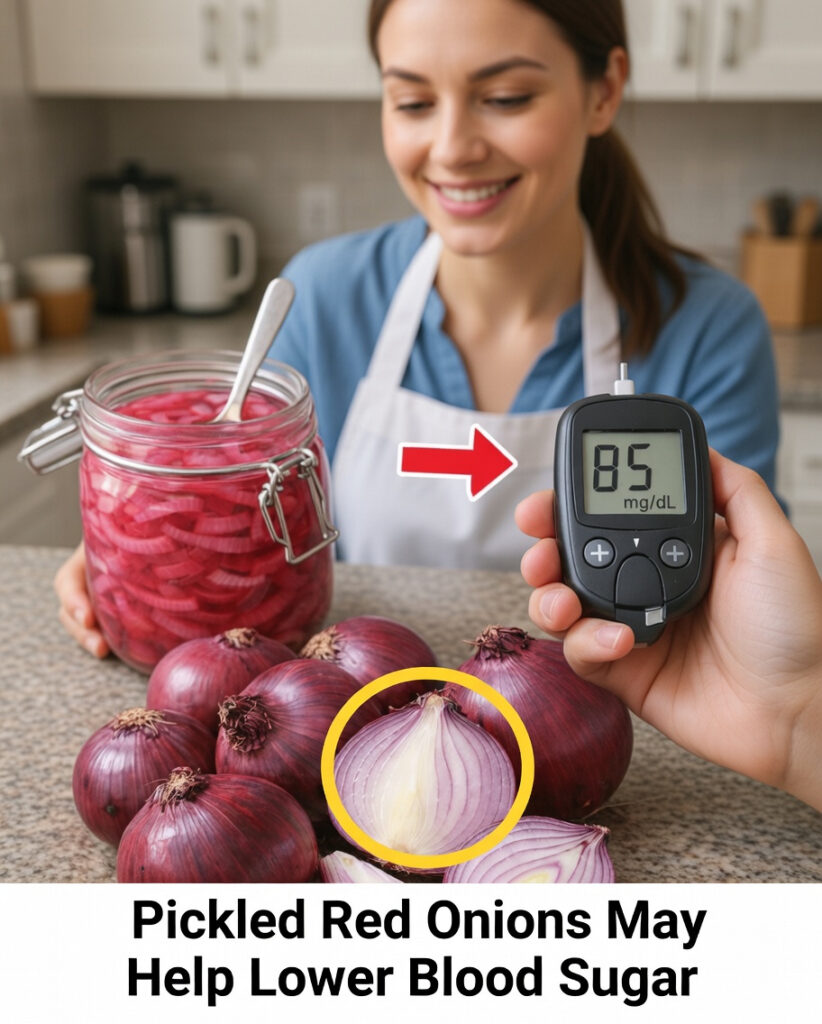
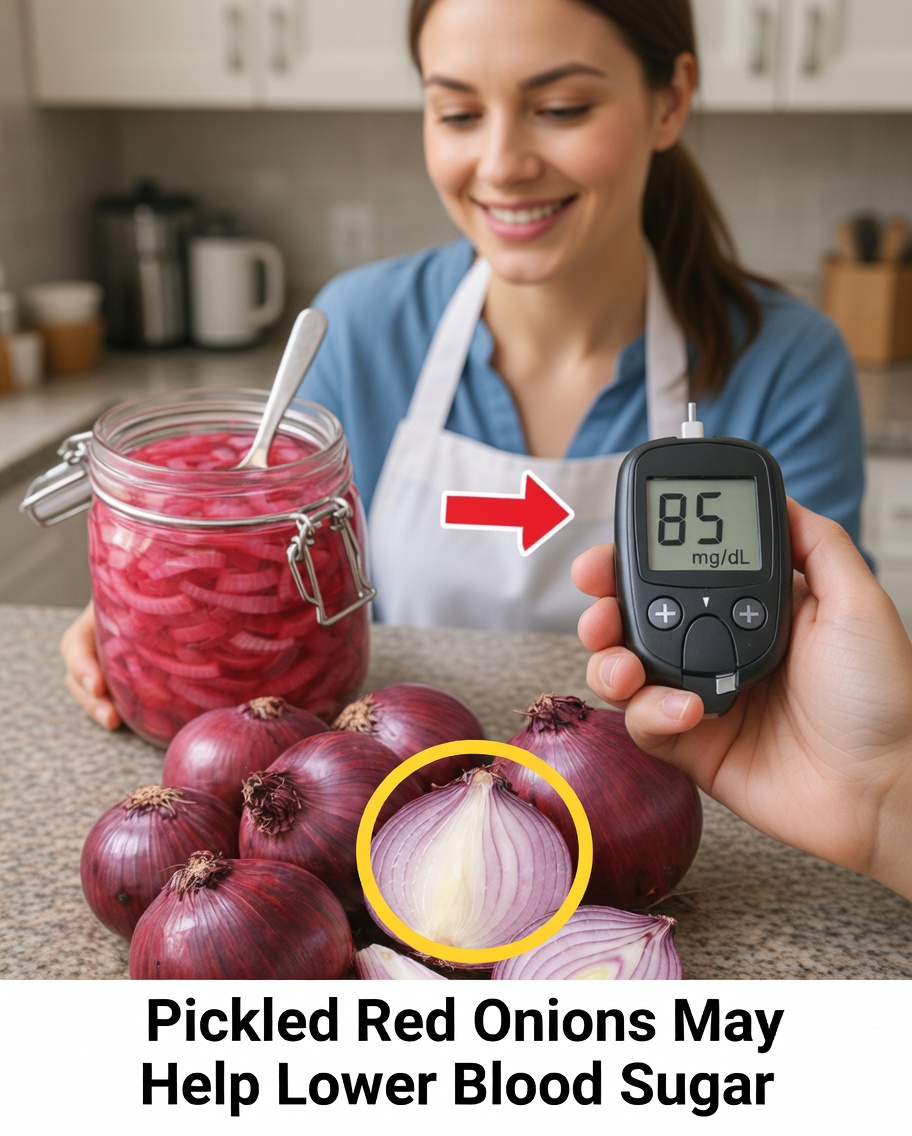
Many people try to keep their blood sugar on an even track as part of daily wellness. Yet meals can sometimes trigger sudden highs and lows that leave you tired, distracted, or sluggish. That uncertainty can take the joy out of eating, especially when every choice starts to feel like something to worry about. The good news is that a familiar kitchen staple may offer a simple, flavorful way to support a more balanced routine.
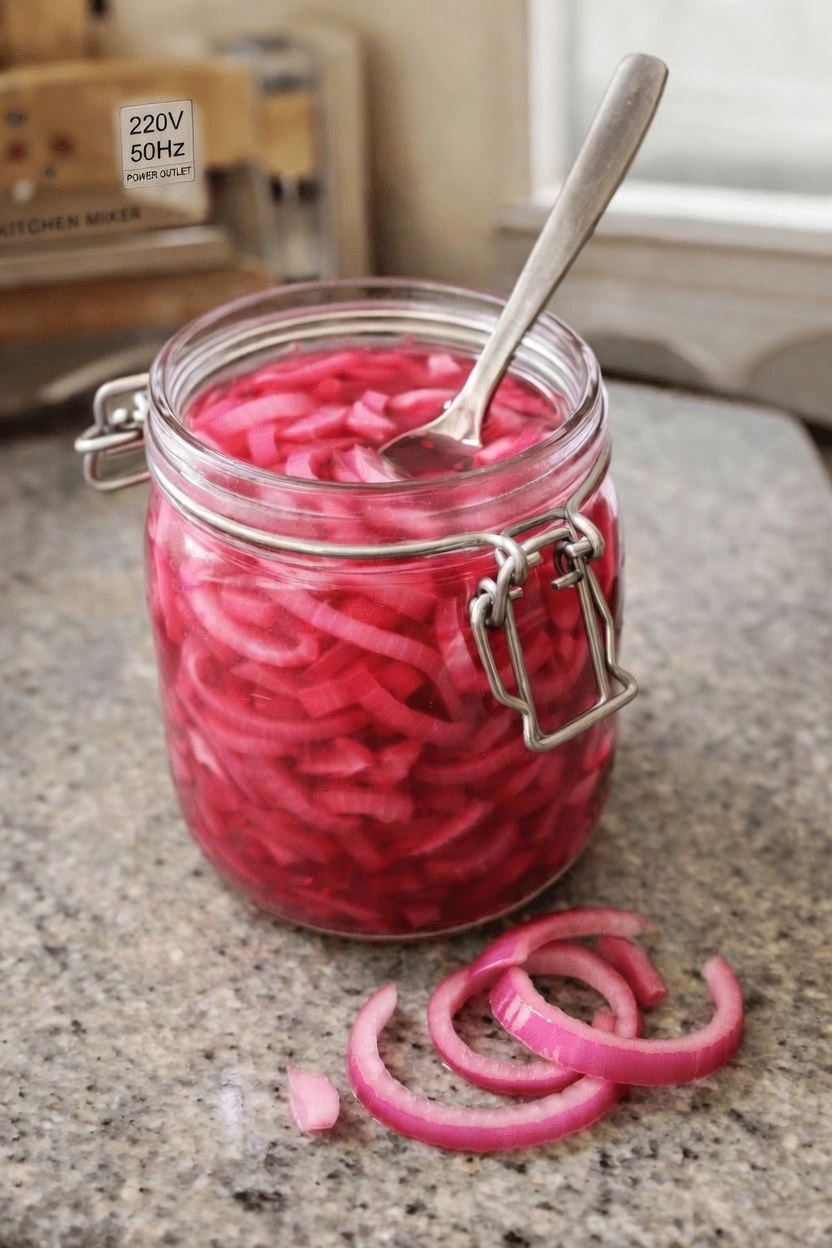
Quick-pickled red onions have become a popular topic in wellness discussions for good reason. Red onions contain naturally occurring compounds such as quercetin and sulfur-containing substances that researchers have explored for their potential role in metabolic health. If you want an easy way to enjoy them more often, this homemade recipe is both practical and delicious.
Why Red Onions Deserve Attention
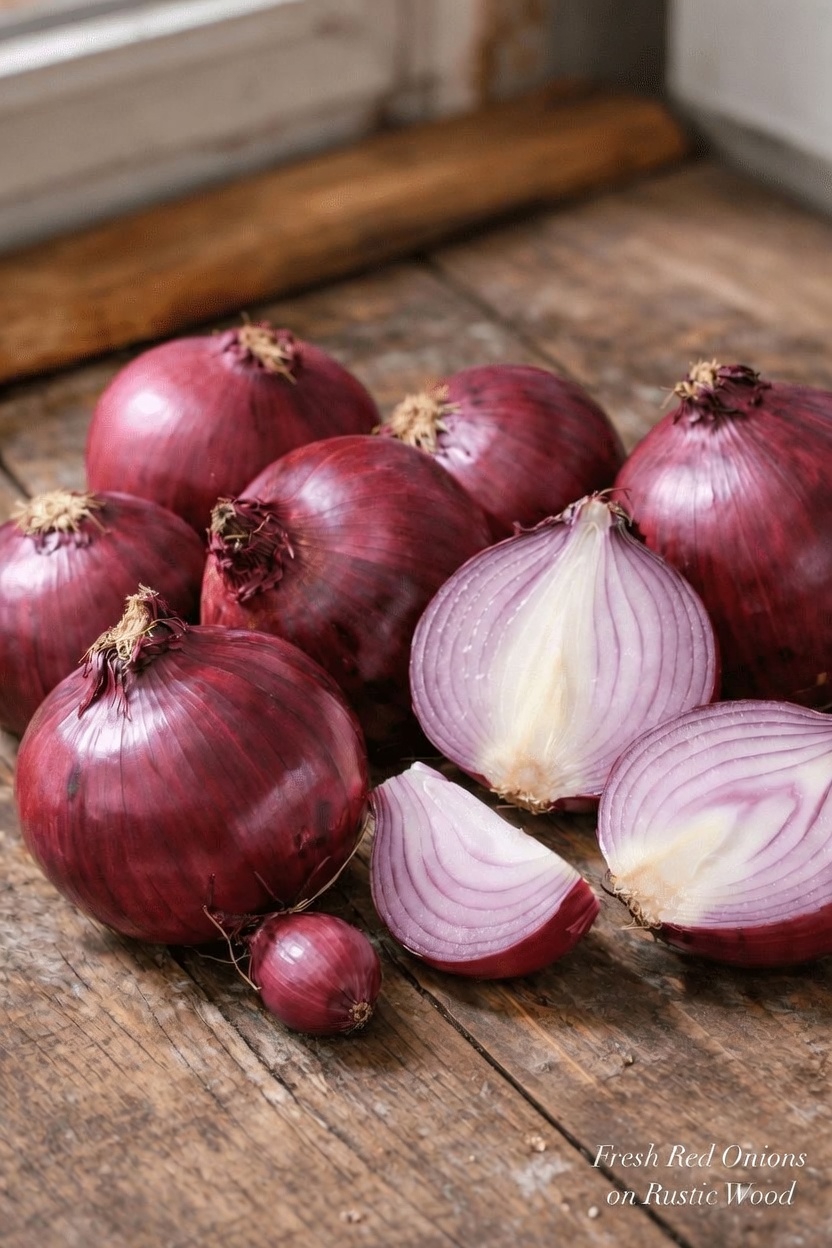
Red onions offer much more than bold flavor and vibrant color. Compared with white or yellow onions, red varieties tend to provide higher levels of flavonoids, especially quercetin. This plant compound has been studied for how it may interact with pathways involved in glucose metabolism.
A number of lab studies, animal studies, and small human trials suggest that onions or onion extracts may support certain aspects of blood sugar regulation. In some early research, people who consumed moderate portions of raw or cooked onion showed improvements in fasting blood glucose. One older clinical observation found that people with diabetes experienced a noticeable drop in blood sugar several hours after eating roughly 100 grams of raw onion, although outcomes differ depending on the individual and the study design.
Researchers have also looked at compounds such as allyl propyl disulfide and quercetin derivatives. These substances may be linked to better insulin sensitivity and slower carbohydrate breakdown. A 2014 study involving quercetin from red onions suggested possible improvements in glucose tolerance in high-fat diet models. Even so, these findings are still developing and should never replace professional medical care.
What makes red onions interesting for everyday wellness?
- Rich in quercetin, especially in the outer layers and in red varieties
- Contain sulfur compounds that may help support insulin-related functions
- Naturally low in calories while providing antioxidants and some fiber
- Easy to use in raw or pickled form, helping preserve many beneficial plant compounds
Still, preparation matters. How onions are served can affect both their taste and the way their natural compounds are retained.
Why Quick-Pickled Red Onions Are So Popular
Pickling transforms the intense sharpness of raw red onion into a tangy, lightly sweet topping that works with almost any meal. Because quick pickling does not rely on heavy heat, the onions stay close to their raw state while becoming much more pleasant for everyday eating.
That balance makes them easy to add to common meals without much effort. A forkful can brighten salads, tacos, sandwiches, grain bowls, roasted vegetables, or eggs. The vinegar used in pickling may also provide mild support for digestion and fullness, which can help encourage more mindful eating habits overall.
Another advantage is convenience. Quick-pickled red onions require very little active prep time and keep well in the refrigerator, making them more realistic as a regular habit than a one-time healthy experiment.
Easy Quick-Pickled Red Onion Recipe
This simple recipe is designed for everyday home cooking. It uses only a small amount of sweetener, and you can easily reduce it further or swap in a blood sugar-friendly option such as allulose.
Ingredients
Makes about 2 cups
- 2 medium red onions, thinly sliced
- 1 cup apple cider vinegar or white vinegar
- 1 cup warm water
- 1 to 2 tablespoons sweetener of choice, or less to taste
- 1 teaspoon sea salt
- Optional:
- 1/2 teaspoon whole peppercorns
- a pinch of red pepper flakes
- 1 garlic clove
Instructions
- Slice the red onions as thinly as possible, then place them into a clean glass jar.
- In a measuring cup or bowl, mix the vinegar, warm water, sweetener, and salt until fully dissolved.
- Pour the pickling liquid over the onions, making sure they are completely covered.
- Add any optional seasonings if you like.
- Seal the jar, shake gently, and let it rest at room temperature for 30 to 60 minutes.
- Refrigerate the jar. For the best flavor, wait at least 2 hours before eating, though overnight is even better.
- Store in the fridge for up to 2 to 3 weeks.
A small serving is a smart place to start. A few forkfuls with meals are often enough to add flavor without making onions the main event.
Tips for the best results
- Choose fresh, firm red onions for better texture and color
- Slice them very thinly so they pickle faster and taste milder
- Use apple cider vinegar for a softer, fruitier note
- Choose white vinegar if you want a cleaner, sharper finish
- Always store them in a non-reactive glass or ceramic container
Simple Ways to Use Pickled Red Onions Every Day
Adding quick-pickled red onions to meals is one of the easiest ways to make healthy eating feel more interesting. Here are a few practical ideas:
- At breakfast: Add a spoonful to avocado toast, omelets, or scrambled eggs
- At lunch: Use them on salads, grain bowls, wraps, or sandwiches
- At dinner: Serve them with grilled meats, fish, tacos, or roasted vegetables
- For snacks: Pair with hummus, cheese, or crisp vegetables for extra flavor
The key is consistency, not large portions. Think of pickled red onions as a flavorful daily addition rather than a strict health protocol.
Nutrients you may get in a typical serving
About 1/4 cup of pickled red onions may provide:
- Quercetin and other flavonoids
- Small amounts of fiber
- Sulfur-based compounds
- Very little carbohydrate impact when used as a garnish
As always, responses vary from person to person depending on diet, activity, and overall health.
What Research Really Says
Studies on onions and metabolic health are promising, but realistic expectations are important. Reviews of animal research and early human studies suggest that fresh onion or onion extracts may influence fasting glucose levels and after-meal responses in certain situations. Some trials have shown benefits when onions were included alongside standard health strategies.
Quercetin has attracted particular interest because of its potential role in supporting glucose uptake in cells and lowering markers of oxidative stress. Some broader analyses have found effects at higher supplemental levels, though eating whole foods offers a gentler and more sustainable approach.
At the same time, not every study shows dramatic changes, especially in healthy individuals. Benefits may be more noticeable in people who already have elevated blood sugar or metabolic concerns. Most importantly, the bigger drivers of metabolic wellness are still the basics: balanced meals, regular movement, good sleep, and stress management. Red onions can support that picture, but they are only one part of it.
That is why many health professionals encourage simple habits that are enjoyable enough to maintain long term, rather than relying on any single “superfood.”
Extra Habits That Support Metabolic Health
If you want to support stable energy and better everyday wellness, these small actions can make a meaningful difference over time:
- Pair carbohydrate-heavy meals with protein, fiber, and healthy fats
- Drink enough water throughout the day
- Pay attention to meal timing if it helps your energy levels
- Eat a wide range of colorful vegetables and herbs
- Stay physically active in ways you genuinely enjoy
- Notice how different foods affect your own body and focus
Instead of fixating only on numbers, pay attention to how you feel after meals, including your energy, comfort, and concentration.
Final Thoughts
Quick-pickled red onions are a bright, simple way to make everyday meals more enjoyable while adding compounds that may support metabolic wellness. They are easy to prepare, easy to store, and easy to use across breakfast, lunch, dinner, and snacks. While they are not a cure or a substitute for medical care, they can fit naturally into a balanced lifestyle.
If you are looking for a practical kitchen habit that brings flavor, color, and potential health benefits to the table, this red onion recipe is a smart place to start.