What Fingernail Lines Can Reveal About Your Health
Fingernails are made primarily of keratin, the durable protein also found in hair and skin. Because nails grow gradually from the nail matrix beneath the cuticle, they can reflect changes in your body over time. Shifts in nutrition, stress, hydration, or general health may leave visible marks as the nail continues to move forward.
Medical organizations and clinical experts, including information commonly shared by sources such as the Cleveland Clinic and Mayo Clinic, note that nail changes are very common. In many cases, they are linked to normal body processes rather than anything serious. Even so, noticing these changes can help you stay aware of your overall well-being.
Not all nail lines mean the same thing. The pattern, direction, and appearance of these marks matter, and understanding the difference can help you know when to relax and when to pay closer attention.
Vertical Nail Ridges: The Most Common Pattern
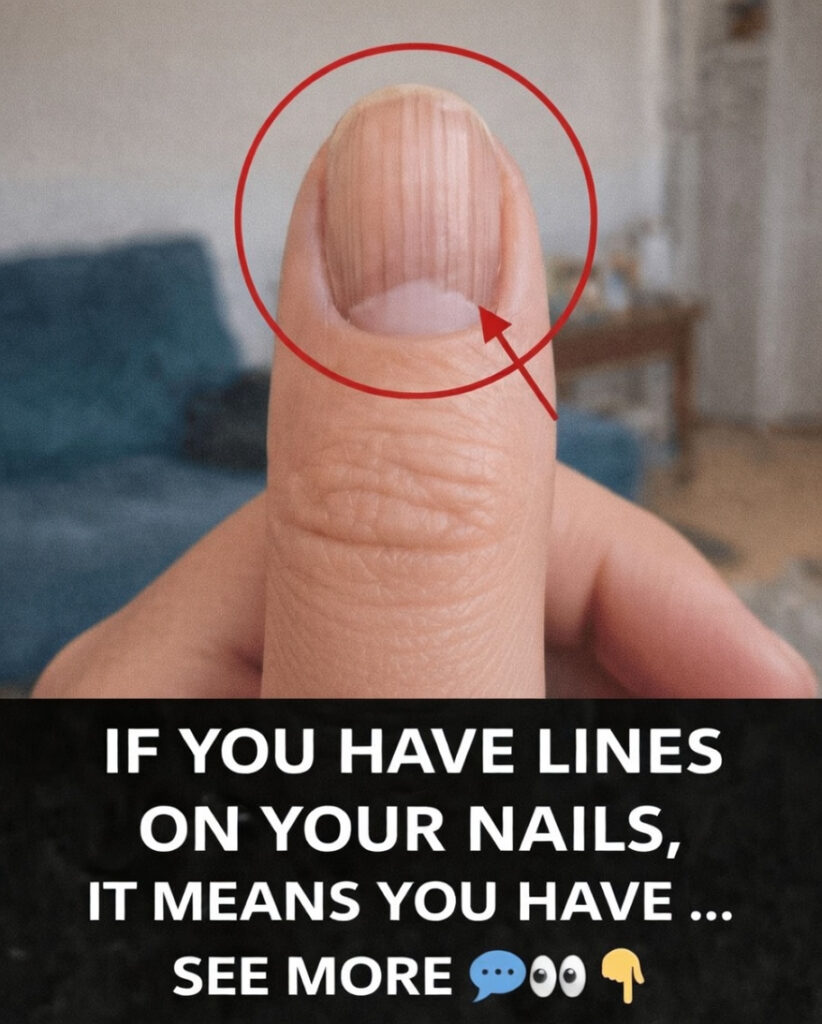
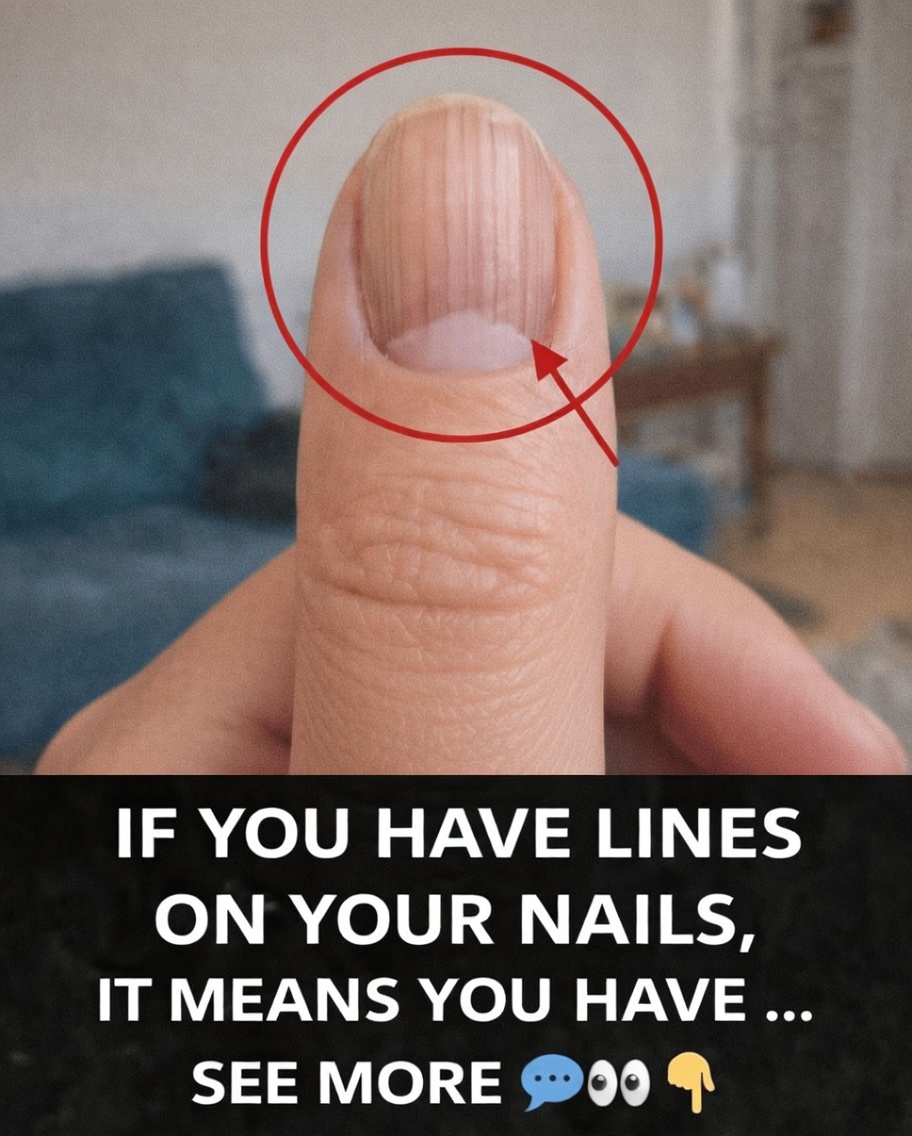
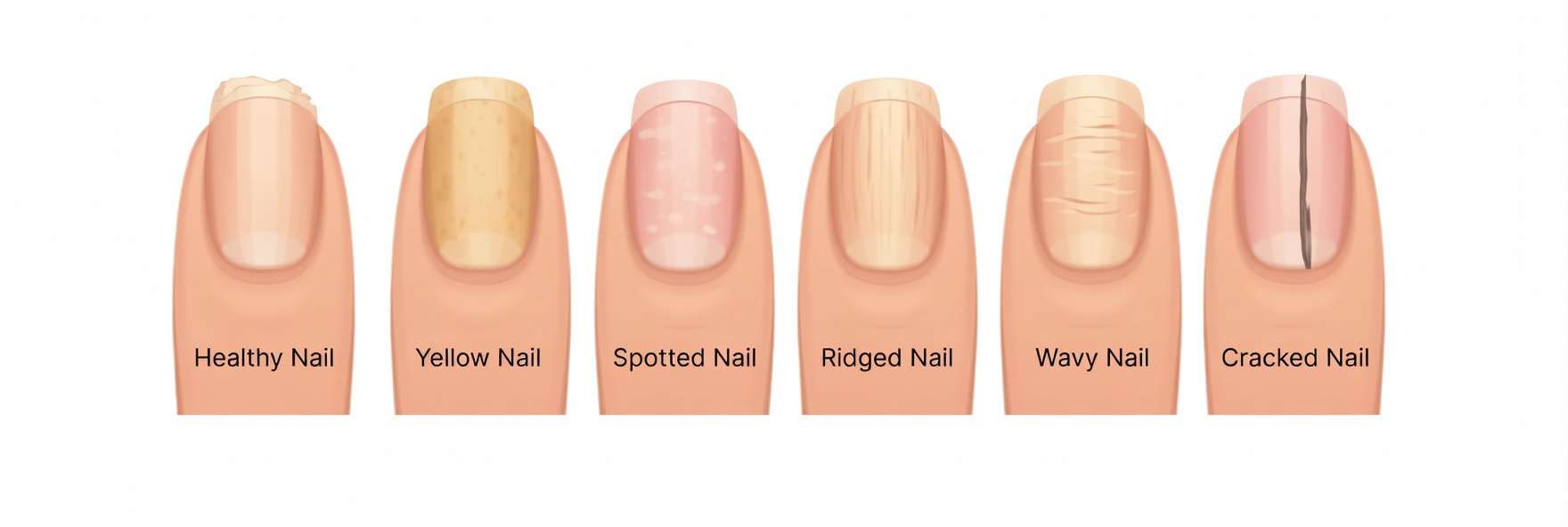
Vertical ridges are the thin lines that travel from the cuticle to the tip of the nail. They are extremely common, especially in adults over 30 or 40.
For many people, these ridges appear slowly as a natural part of aging, much like fine lines developing on the skin. As nail cell renewal becomes less efficient over time, the ridges may stand out more. Dryness, everyday friction, and genetics can also make them easier to see.
Common reasons vertical ridges appear include:
- Natural age-related changes in nail growth
- Dry skin or dehydration around the nails
- Minor repeated trauma from daily use
- Inherited traits that make ridges more visible
These lines are usually harmless and are not typically associated with pain or other symptoms. Many dermatologists compare them to wrinkles of the nails—a normal sign of getting older.
Still, if the ridges appear suddenly or become much more noticeable, it may be worth taking a closer look. In some cases, vertical ridges can occur along with brittle nails when the body lacks steady support from hydration or diet. Research has explored possible links with factors such as protein, iron, zinc, and certain B vitamins, although aging remains the most common explanation.
Horizontal Lines on Nails: Understanding Beau’s Lines
Horizontal grooves that run from side to side are very different from vertical ridges. These are often called Beau’s lines, and they usually suggest that nail growth temporarily slowed down or stopped.
This happens when the nail matrix goes through a significant interruption. That interruption might be caused by a high fever, recovery from a major illness, intense physical stress, injury, or certain medical treatments. Since fingernails grow slowly—about 3 to 4 millimeters per month—the groove may not appear until weeks or even months after the event.
Situations commonly linked to Beau’s lines include:
- Recovery from severe illness or high fever
- Periods of major physical stress
- Low or suboptimal zinc levels
- Direct trauma to the nail area
In simple terms, the line is a record of a moment when normal nail production was disrupted. As the nail continues to grow, that groove will gradually move toward the tip and eventually be trimmed away.
Deeper Grooves, Cracks, or Multiple Lines Across Several Nails
If you notice deep grooves, splitting, or ridges on several nails at the same time, it may reflect a broader period when your body was under extra strain.
Potential contributing factors include:
- Long-term lack of protein or other essential nutrients
- Digestive problems that interfere with nutrient absorption
- Ongoing dehydration
- Chronic conditions that affect nutrient balance and overall health
These changes do not develop overnight. They represent what was happening in your body during the weeks or months when that section of the nail was being formed.
When Nail Lines Appear With Color or Shape Changes
Lines deserve more attention when they appear alongside other visible changes, such as:
- Dark streaks
- Patterned white spots
- Yellowing
- Thickening
- Unusual nail shape
- Spoon-like curving
These signs may sometimes be associated with broader health factors. If you notice this combination of changes, it is a good idea to speak with a healthcare professional. They can help determine whether the issue is cosmetic or something that deserves further evaluation.
When Nail Lines Are Usually Normal
In many cases, especially with mild vertical ridges, there is no reason for concern. These changes are extremely common and often completely normal with age.
You generally do not need to worry if:
- The ridges are shallow
- They developed gradually over time
- There is no pain, swelling, or significant discoloration
- Your nails remain strong and continue growing normally
Many people have these ridges for years without any underlying problem. What matters most is whether the change is sudden, severe, or unusual, rather than slowly developing over time.
Simple Ways to Support Healthier-Looking Nails
You do not need an elaborate routine to care for your nails. Small daily habits can improve how they look and feel over time.
Try these practical steps:
- Eat a balanced diet with foods rich in protein, iron, zinc, biotin, and vitamins A, C, and D
- Include nutrient-dense foods such as lean meats, eggs, nuts, leafy greens, and colorful fruits
- Drink enough water throughout the day
- Moisturize hands and cuticles regularly with oils like coconut oil or jojoba oil
- Wear gloves while washing dishes, cleaning, or using harsh chemicals
- Reduce frequent use of aggressive nail treatments such as gel manicures or acrylics
These habits help protect moisture and provide the nutrients your body uses to build healthy nails. Many people notice visible improvement within a few months of consistent nail care.
One important point: consistency matters more than perfection. Even simple actions—such as drinking one more glass of water each day or massaging cuticles nightly—can make a difference as healthier nail growth gradually replaces older sections.
Vertical vs. Horizontal Nail Lines: A Quick Comparison
Here is an easy way to tell them apart:
- Vertical ridges: Run from top to bottom; usually linked to aging, dryness, or genetics; typically harmless and gradual
- Horizontal grooves (Beau’s lines): Run from side to side; often show up after illness, stress, or interrupted nail growth; may reflect a temporary disruption in the body
Knowing the difference can help you decide whether to simply monitor the change or seek medical advice.
When to Speak With a Healthcare Professional
Although most nail lines are harmless, some changes are worth discussing with a doctor or dermatologist.
Consider making an appointment if you notice:
- Deep horizontal grooves across several nails
- Sudden onset of ridges or lines
- Changes in nail color, thickness, or shape
- Pain, swelling, or redness around the nails
- Nails that split, crumble, or become extremely brittle
A healthcare professional can review your medical history, examine the nails more closely, and decide whether any further testing is needed. Often, even a simple consultation can provide reassurance.
Final Thoughts
Fingernails grow slowly, which makes them a subtle record of what your body has experienced. Vertical ridges are often just a normal result of aging and dryness, while horizontal grooves can point to a period when the body was under stress or recovering from illness.
By paying attention to these signs and practicing simple daily nail care, you can support healthier nails and stay more in tune with your overall wellness. Over time, small habits truly can make a meaningful difference.
FAQ
1. Are vertical ridges on fingernails always a sign of a health problem?
No. In most cases, vertical ridges are a normal part of aging and are not a cause for concern. They often become more visible over time and usually do not signal a serious issue on their own.
2. How long does it take for nail lines to grow out?
Fingernails typically grow about 3 to 4 millimeters per month. Depending on where the line is located, it may take 4 to 6 months or longer for it to reach the tip and be clipped off.
3. Can a better diet really improve the appearance of nail ridges?
A nutritious diet, proper hydration, and gentle nail care can support stronger, healthier nail growth over time. Many people see gradual improvement as new, healthier nail replaces the older damaged portion.