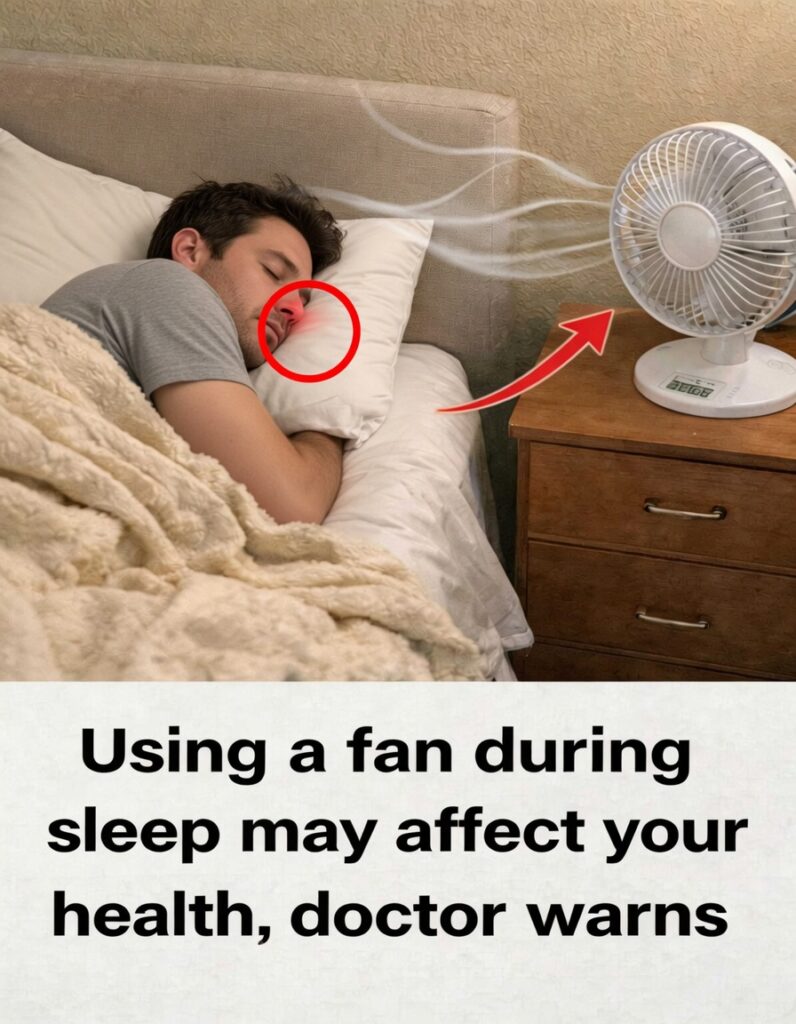
Millions of people worldwide fall asleep with a fan running all night. The cooling breeze and steady “white noise” can feel soothing—especially in warm, humid weather. Still, many health professionals point out that sleeping with a fan on can come with a few surprising side effects, particularly when airflow is too strong or poorly positioned.
What Happens When You Sleep With a Fan On?
A fan can make bedtime more comfortable by improving airflow and reducing the feeling of heat trapped in a bedroom. Better circulation may help you drift off faster when the room feels stuffy or overheated.
At the same time, nonstop air movement can dry out your body and stir up particles in the room—issues that often go unnoticed until you wake up feeling irritated, congested, or sore.
Why So Many People Sleep With a Fan
Sleeping with a fan is popular for a few simple reasons:
- Cooler sleep environment by moving air across the skin and around the room
- Consistent background noise that masks small sounds and helps some people relax
- Better air circulation in bedrooms that feel stale or poorly ventilated
Comfort matters: too much heat and poor ventilation can interfere with sleep quality. However, “more airflow” isn’t always better.
5 Potential Health Issues From Sleeping With a Fan On
1. Dry Skin, Dry Eyes, and a Dry Throat
One of the most common fan-related complaints is overnight dryness. Continuous airflow can pull moisture from your skin and from sensitive areas like the eyes, nose, and throat.
You might wake up with:
- Dry or irritated eyes
- Scratchy throat
- Chapped lips
- Tight, itchy, or flaky skin
If you already deal with dry eye syndrome or sensitive skin, these effects may feel stronger.
2. Allergies and Sinus Flare-Ups
A fan doesn’t only move cool air—it can also circulate dust, pollen, and pet dander. If allergens are present in the room, airflow may repeatedly push them toward your face while you sleep.
Possible symptoms include:
- Sneezing
- Runny nose
- Nasal congestion
- Itchy or watery eyes
- Coughing at night
For people with asthma or significant allergies, this irritation can disrupt sleep and make breathing feel more difficult.
3. Nasal Irritation and Extra Mucus
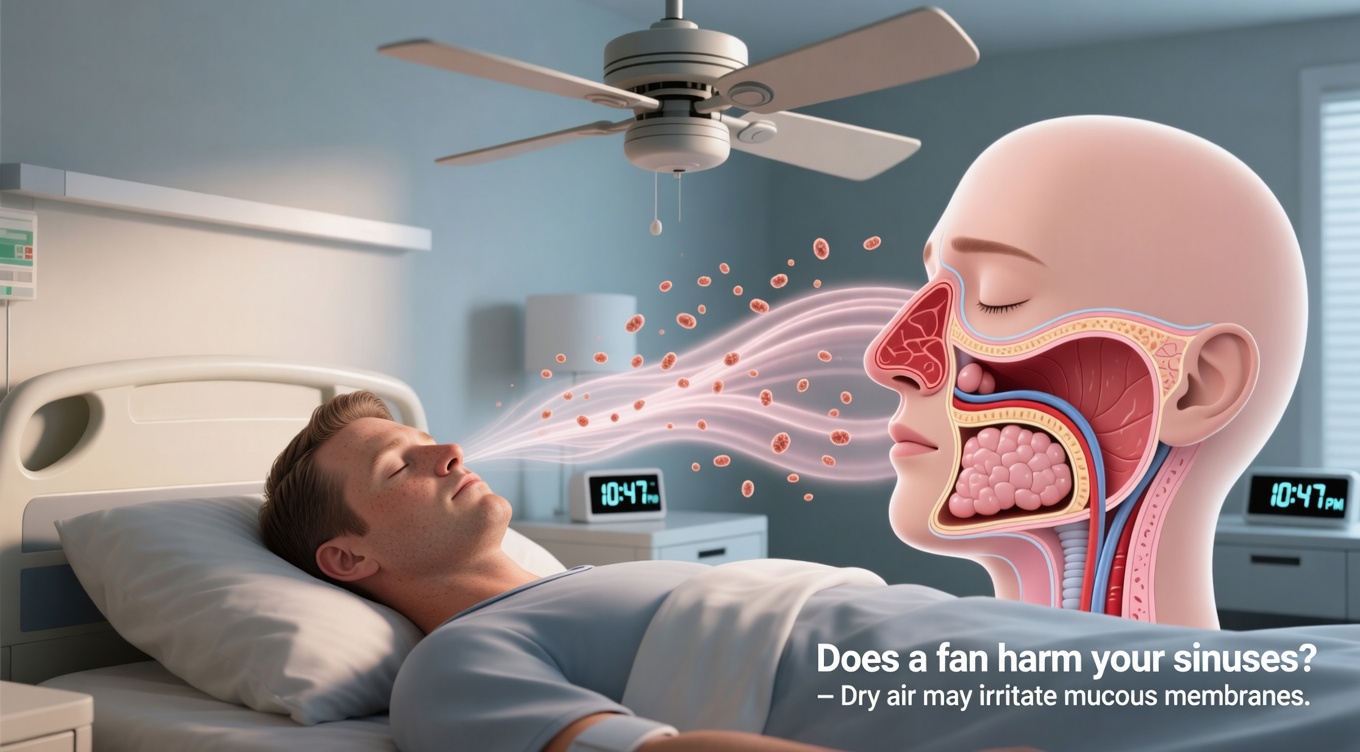
When airflow makes your nasal passages too dry, your body may respond by producing more mucus to compensate. This can leave you feeling congested and uncomfortable in the morning.
Common complaints include:
- Headache or sinus pressure
- Blocked nose
- Sore throat or post-nasal drip
It can feel like you’re getting sick—even though the fan itself isn’t causing an infection.
4. Muscle Stiffness, Neck Pain, or Shoulder Tightness
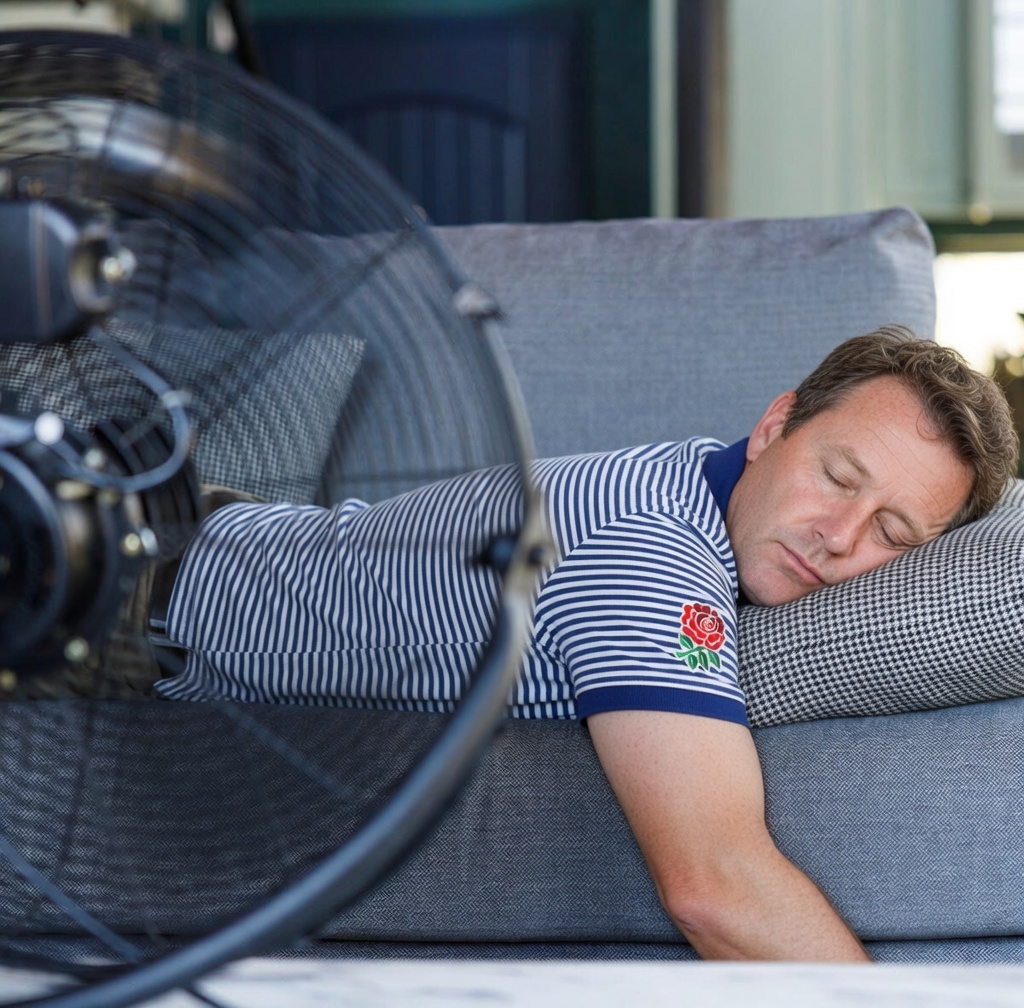
Strong, cool airflow hitting the same area for hours can cause muscles to tighten during sleep. Some people notice they wake up with soreness—especially if the fan is aimed at the upper body.
This may show up as:
- Stiff neck
- Shoulder pain
- Back tension
Position and airflow intensity make a major difference here.
5. Sleep Disruption for Sensitive Sleepers
While many people love fan noise, others find it annoying—especially if the fan rattles, vibrates, or changes pitch. For light sleepers, that background sound can interfere with deeper sleep.
Ongoing poor sleep may contribute to:
- Daytime fatigue
- Trouble focusing
- Lower energy levels
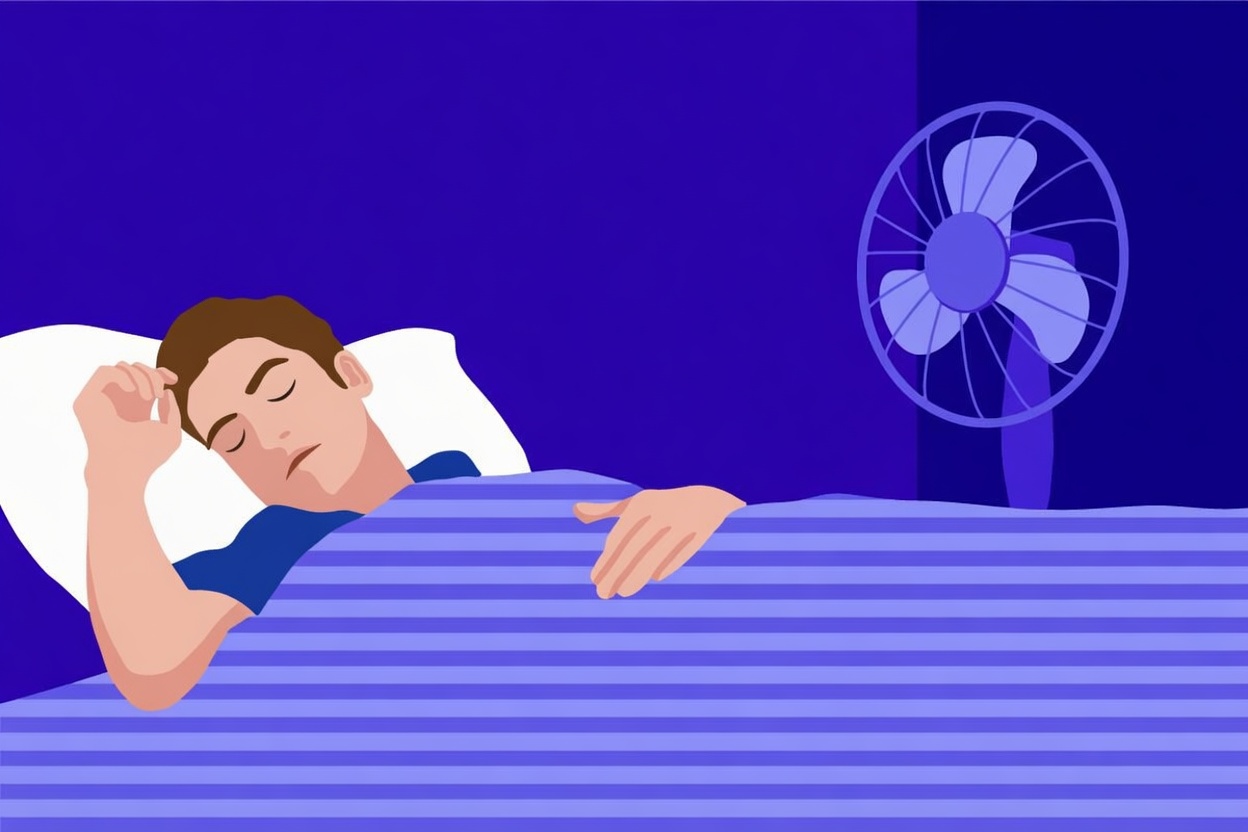
Is Sleeping With a Fan Dangerous?
For most people, sleeping with a fan on is generally safe. The main concern is not danger, but discomfort or symptom flare-ups—especially for anyone with allergies, asthma, dry skin, or sensitive airways.
In other words, it’s less about the fan being “bad,” and more about how you use it.
How to Use a Fan at Night More Safely
If you prefer sleeping with a fan, you can reduce side effects with a few simple adjustments:
-
Avoid aiming the fan directly at your body
Point it toward a wall or let it circulate air around the room instead of blowing at your face or chest. -
Clean the fan regularly
Dust on blades and grills can increase airborne allergens when the fan runs. -
Use a timer or sleep mode
Running it only until you fall asleep can limit overnight dryness and irritation. -
Add moisture to the room
A humidifier can help balance dry air, particularly in dry climates or air-conditioned rooms. -
Improve bedroom ventilation
Fresh airflow (when possible) can reduce stuffiness without requiring strong, nonstop fan use.
Bottom Line
Sleeping with a fan on can make nights feel cooler and more relaxing, but constant airflow may contribute to dryness, allergy symptoms, sinus irritation, muscle stiffness, or sleep disruption in some people. With smarter placement, routine cleaning, and tools like timers or humidifiers, you can keep the benefits of a fan while minimizing potential downsides.
Frequently Asked Questions (FAQ)
Can a fan cause a sore throat?
Yes. Continuous airflow can dry out the throat and airways, which may lead to irritation—especially if you’re already prone to dryness or sensitivity.
Can a fan make allergies worse?
It can. Fans may stir up dust, pollen, and other allergens, potentially worsening allergy symptoms and asthma in susceptible individuals.
Is it okay to use a fan every night?
Often, yes—if you use it correctly. Keep it clean, avoid blowing air directly at your face or body, and consider using a timer to reduce exposure overnight.
Disclaimer: This content is for informational purposes only and does not replace professional medical advice. If you have health concerns, consult a qualified healthcare professional.