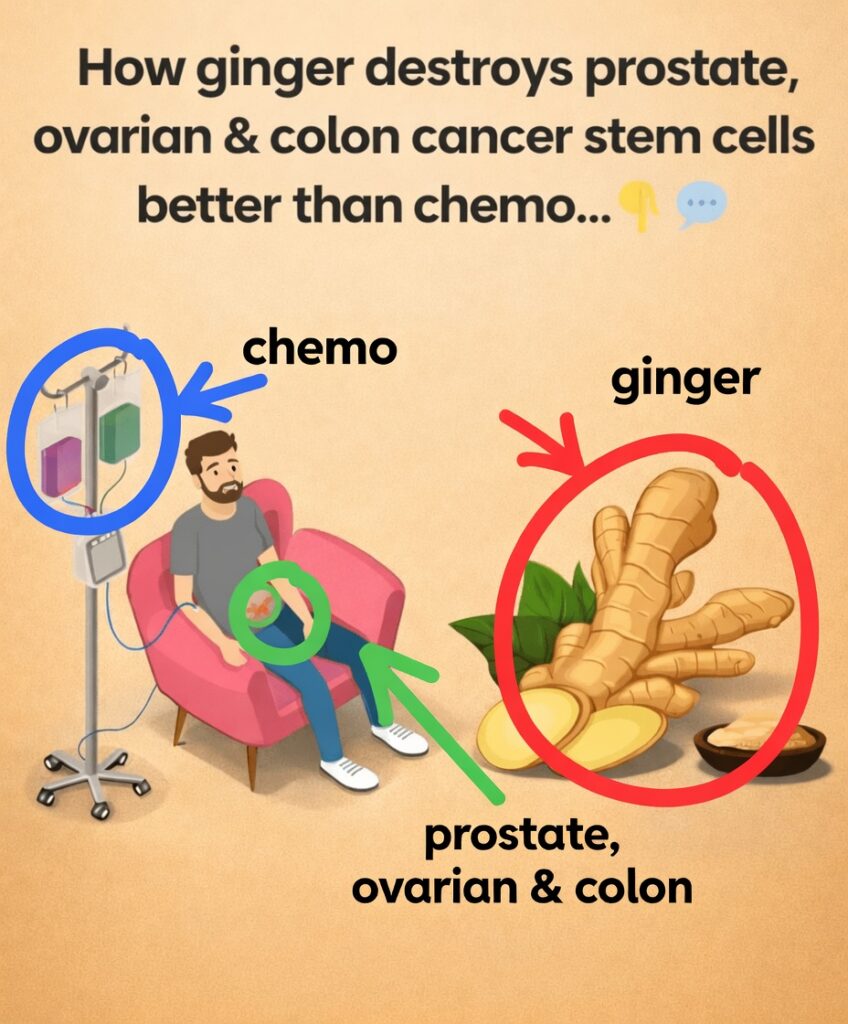
Ginger and the “10,000x Better Than Chemotherapy” Cancer Claim: What the Evidence Really Says
The viral statement that ginger—or its active compounds—can target prostate, ovarian, and colon cancer stem cells up to 10,000 times more effectively than chemotherapy is not supported by human clinical evidence. It stems from online sensationalism that stretches a narrow set of laboratory findings far beyond what the research actually demonstrated.
Where the “10,000x” Number Came From
The headline-grabbing figure traces back to a 2015 preclinical study examining 6-shogaol, a compound found in higher amounts in dried or cooked ginger. In that research, 6-shogaol appeared more potent than taxol (paclitaxel) at reducing breast cancer stem cell-like populations in certain cell culture experiments and mouse models. In some assays, it achieved effects at much lower concentrations and showed less toxicity toward normal cells.
However, key context is often omitted in viral posts:
- The work focused on breast cancer, not prostate, ovarian, or colon cancer.
- The research was preclinical (petri dishes and animals), not proof of improved outcomes in humans.
- Media and social content frequently generalized a specific lab result into broad claims that ginger “beats chemo” across cancers.
What Research Suggests About Ginger and Cancer (So Far)
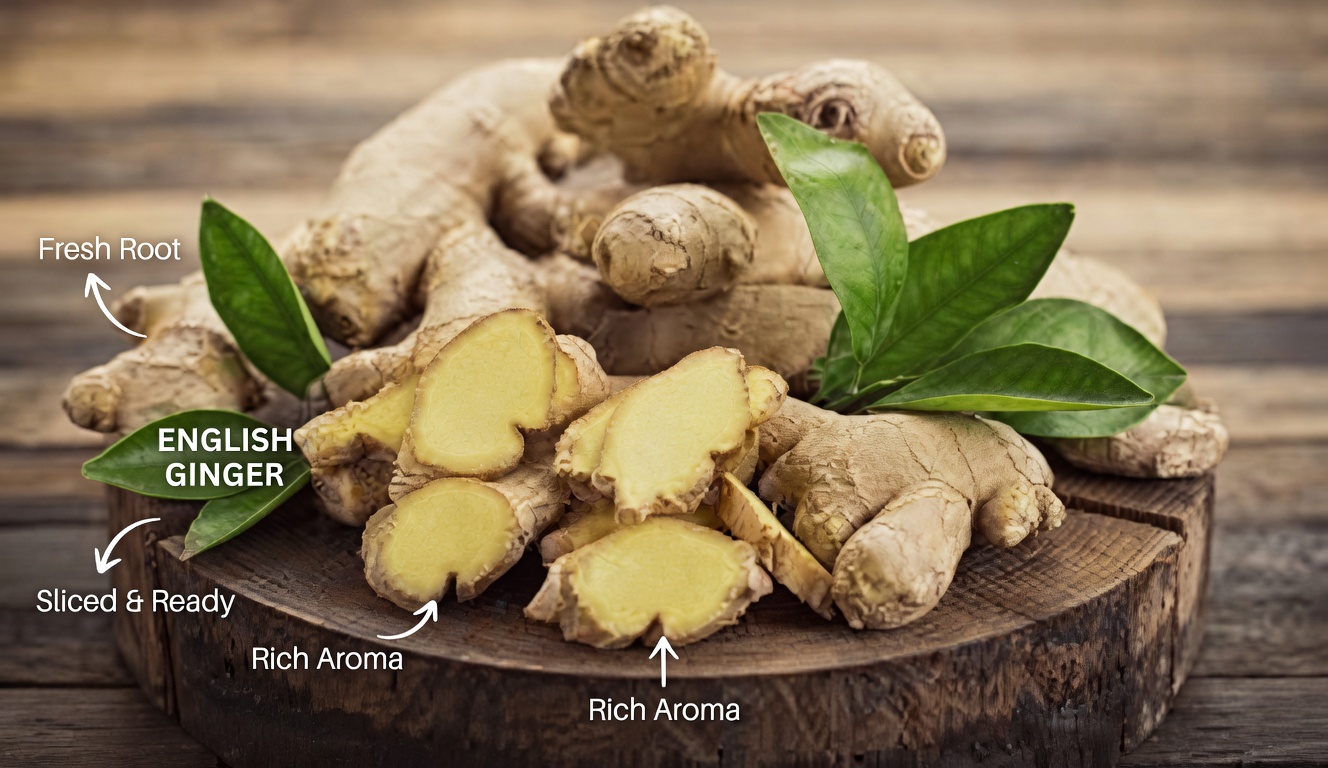
Ginger contains several bioactive molecules—including gingerols, shogaols, and paradols—that show anti-inflammatory, antioxidant, and anti-cancer activity in lab and animal studies. Depending on the model, ginger-related compounds may:
- Trigger apoptosis (programmed cell death)
- Slow or halt cell proliferation
- Modulate inflammation-related signaling pathways (such as NF-κB)
- Influence cancer stem cell (CSC)-related markers in some experimental settings
Even with these promising mechanisms, the evidence remains early-stage and is not comparable to chemotherapy’s established, clinically proven role in cancer treatment.
What the Evidence Says by Cancer Type
Prostate Cancer
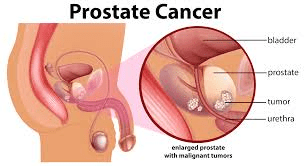
Some laboratory studies report that whole ginger extract can inhibit growth in prostate cancer cell lines—sometimes cited as up to around 56% under specific experimental conditions—potentially through antioxidant activity and disruption of the cell cycle.
What is not demonstrated:
- No credible evidence shows ginger targets prostate cancer stem cells better than standard chemotherapy drugs such as docetaxel.
- There are no human trials showing ginger as a stand-alone cancer treatment improves survival or tumor control.
Ovarian Cancer
In vitro (cell-based) research suggests compounds like 6-shogaol can be cytotoxic to ovarian cancer cells, possibly by inducing endoplasmic reticulum stress and apoptosis.
What is missing:
- No studies confirm ginger outperforms standard ovarian cancer regimens such as carboplatin/paclitaxel.
- There is no clinical proof that ginger selectively eliminates ovarian cancer stem cells in patients.

Colon (Colorectal) Cancer
Ginger extracts have shown growth-inhibitory effects against colorectal cancer cells in lab settings. Some animal research suggests ginger might play a preventive role or possibly act as an adjunct (for example, by influencing responses to drugs like 5-fluorouracil in certain models).
Still, the viral claim does not hold up because:
- Data specifically addressing colon cancer stem cells is limited.
- The observed effects are far more modest than “10,000 times better than chemotherapy.”
- Human outcome evidence is lacking.
Cancer Stem Cells: Why the Topic Matters—and Why the Claim Overreaches
Cancer stem cells (CSCs) are a major research focus because they can resist many therapies and contribute to relapse and metastasis. Some ginger-related compounds have shown potential in lab experiments to influence CSC-associated markers such as CD44 and ALDH.
But these findings are:
- Mostly limited to cell lines and animal models
- Not consistent across all cancer types
- Not validated as superior to chemotherapy in humans

Ginger vs. Chemotherapy: The Critical Differences
Chemotherapy drugs are supported by decades of rigorous testing and clinical trial data showing they can:
- Shrink tumors
- Extend survival
- Cure or control certain cancers in many patients (including common treatment pathways in colon and ovarian cancers)
Ginger does not have comparable evidence as a primary cancer treatment. Where ginger does shine—supported by clinical studies—is in helping manage certain side effects, especially:
- Chemotherapy-related nausea (often used as a complementary option)
It’s also important to understand why “lab potency” doesn’t equal real-world effectiveness:
- Concentrations effective in a petri dish may not be achievable in human tissues due to bioavailability, metabolism, dosing limits, and tumor complexity.
Major scientific and medical sources (including reviews associated with institutions like the NIH and National Cancer Institute) acknowledge ginger’s early anti-cancer signals in research, while emphasizing it is not a substitute for evidence-based cancer care.
Bottom Line
Ginger can be a healthy dietary addition and may support prevention-related health or symptom relief (such as nausea or digestion support). But the claim that ginger targets prostate, ovarian, or colon cancer stem cells 10,000 times better than chemotherapy is unsupported and can be harmful if it encourages people to delay proven treatment.
For anyone facing cancer:
- Consult an oncologist for treatment decisions.
- Remember that “natural” products can still interact with medications and may carry risks when used without guidance.
If you want to use ginger for health, focus on evidence-backed roles like nausea relief—and rely on medical professionals for cancer-specific advice.