

A Simple Purple Onion Habit That May Help Support Healthy Blood Sugar
Keeping blood sugar stable during the day can be difficult for many people. When levels rise and fall too often, it may lead to fatigue, brain fog, mood changes, and concerns about long-term wellness. The good news is that small food choices can make a difference. One easy addition many people are exploring is the purple onion.
This colorful vegetable can be added to everyday meals without major diet changes or costly supplements. If you want a natural, practical way to support your body’s balance, a simple purple onion recipe may be worth trying as part of a healthy routine.
Why Purple Onions Stand Out
Purple onions, often called red onions, are known for their bold color and rich content of plant-based nutrients. Compared with white or yellow onions, they tend to contain more beneficial compounds, especially quercetin, a powerful antioxidant flavonoid found mostly in the outer layers and skin.
Studies suggest quercetin may play a role in how the body processes glucose. Research on onion extracts and quercetin-rich preparations has shown potential benefits for post-meal blood sugar control and certain metabolic health markers.
Purple onions also provide sulfur-containing compounds and additional antioxidants. These are linked to anti-inflammatory effects and may help support overall wellness in daily life.
Why this matters for blood sugar support
- Quercetin has been associated in laboratory and animal studies with effects on enzymes involved in carbohydrate digestion.
- Some human research on onions or onion-based supplements has reported modest improvements in fasting glucose and blood lipid levels when consumed regularly.
- Onions are naturally low in calories and contain fiber, which may help slow digestion.
Even so, onions are not a cure or a replacement for medical care. They work best as part of a balanced diet, regular physical activity, and professional guidance when needed.
An Easy Purple Onion Recipe to Try
This simple preparation combines chopped purple onion with fresh ginger for a flavorful mix that can be enjoyed in small daily portions. It takes very little time and pairs well with many meals.
Ingredients
Makes about 4 to 6 servings:
- 2 to 3 medium purple onions, finely chopped
- 1 small piece of fresh ginger, about 1 inch, grated
- Optional: a squeeze of fresh lemon juice
- Optional: a pinch of black pepper
How to prepare it
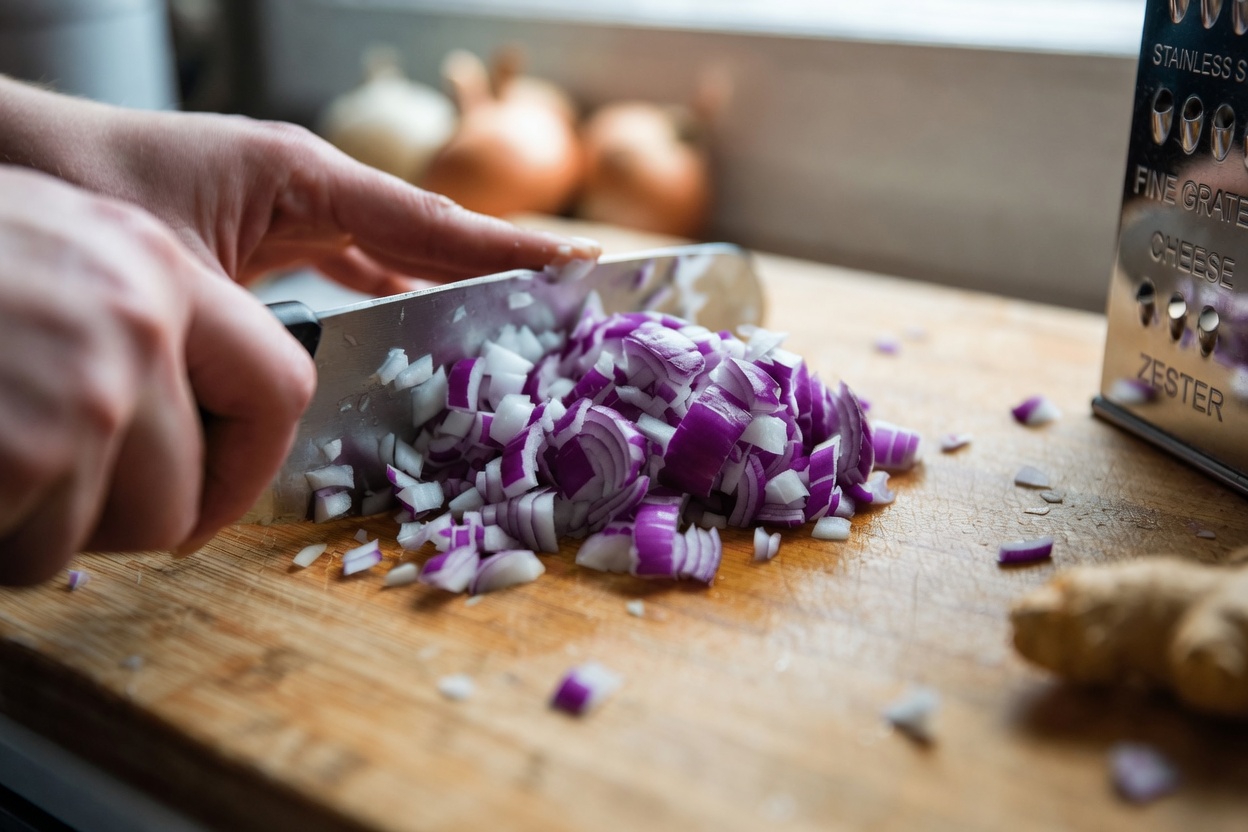
- Peel the purple onions and chop them into small, even pieces.
- Grate the fresh ginger.
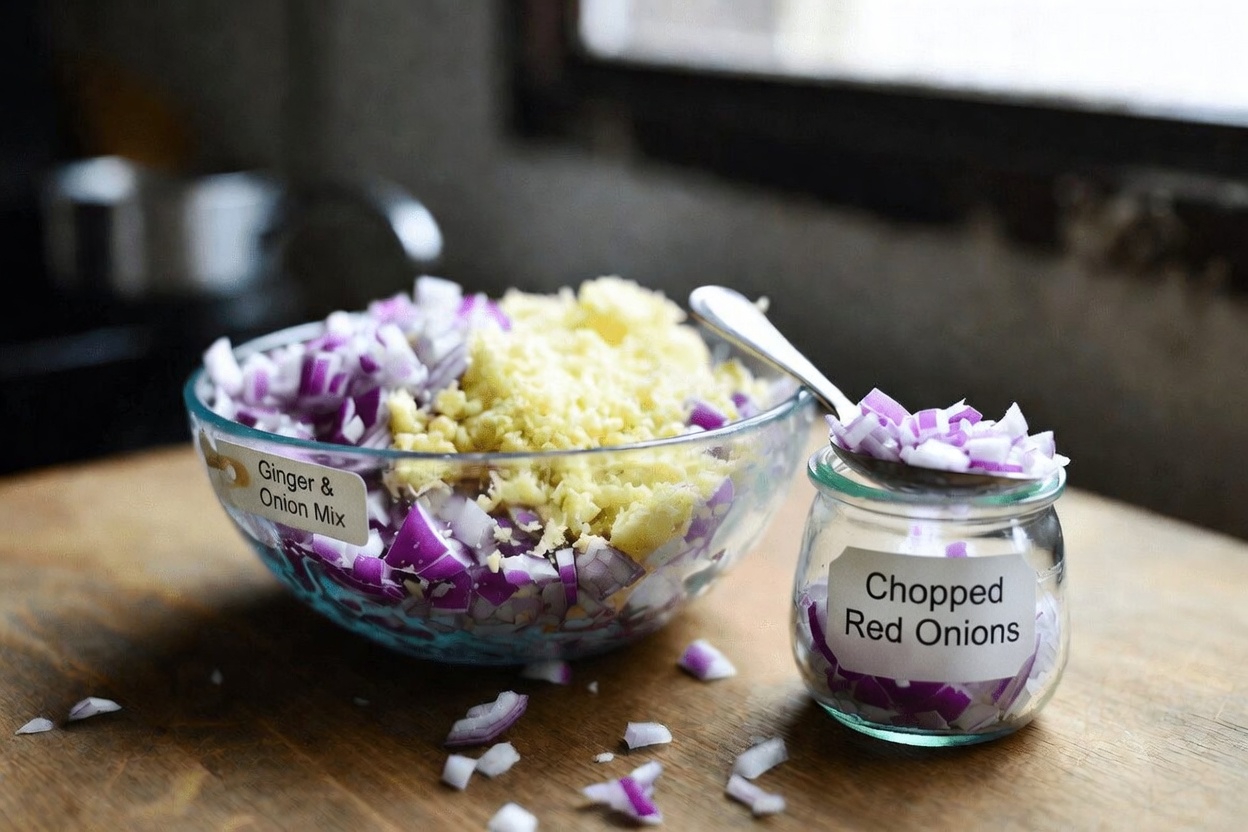
- Add the onion and ginger to a clean glass bowl.
- Let the mixture rest at room temperature for 10 to 15 minutes so the juices release and the flavors blend.
- Transfer to an airtight container and refrigerate for up to 2 to 3 days.
Ways to enjoy it every day
- Add 1 to 2 tablespoons to salads in the morning or at lunch.
- Spoon a small amount over yogurt or whole-grain toast.
- Stir it into soups, grain bowls, or stir-fries.
- Use it as a topping for grilled chicken, fish, tofu, or roasted vegetables.
Many people prefer to start with a small serving, such as one spoonful at breakfast, and then pay attention to how they feel over time.
More Ways to Include Purple Onions in Meals
If you want variety, there are several other easy ways to make purple onions part of your routine.
Popular preparation options
- Raw in salads: Thin slices add crunch and sharp flavor. Raw onion may preserve more heat-sensitive compounds.
- Lightly sautéed: Cooking gently in olive oil softens the taste and creates a sweeter flavor that works well with eggs or lean proteins.
- Quick-pickled: Soaking slices in vinegar with herbs makes a tangy topping that stores well in the refrigerator.
- Roasted: Roasting onion quarters with other vegetables creates a caramelized flavor without adding sugar.
- Mixed with ginger: This combination offers a fresh, warming taste and a mix of antioxidant compounds.
Quick comparison of methods
-
Raw or chopped
- Flavor: sharp and strong
- Nutrient profile: often higher quercetin retention
- Best for: salads, sandwiches, toppings
-
Lightly cooked
- Flavor: milder and sweeter
- Nutrient profile: good balance of taste and beneficial compounds
- Best for: stir-fries, egg dishes, side dishes
-
Roasted
- Flavor: rich and caramelized
- Nutrient profile: some heat-sensitive nutrients may decrease
- Best for: sheet-pan meals and oven dishes
-
With ginger
- Flavor: zesty and warming
- Nutrient profile: combines antioxidants from both ingredients
- Best for: small daily servings
Trying different methods can help you find the option that best matches your taste and schedule.
What Research Says About Onions and Metabolic Health
Scientists have studied onions and onion extracts for their possible effects on blood sugar and metabolism. Animal studies have shown that onion juice or onion extract may lower blood glucose levels, in some cases producing measurable effects in controlled environments.
Human studies have also explored the role of fresh onions and quercetin from onion sources. Some findings suggest possible benefits for metabolic health, including improvements in lipid levels and modest support for blood pressure in certain groups.
One reason onions may be helpful is quercetin’s potential influence on alpha-glucosidase, an enzyme involved in breaking down carbohydrates. It may also support better insulin sensitivity. Still, it is important to remember that much of the stronger evidence comes from extracts or concentrated forms. The amounts found in normal meals are more likely to provide gradual, supportive benefits rather than dramatic changes.
Key takeaways from the science
- The benefits appear stronger when onions are part of an overall healthy eating pattern.
- Purple and red onions often contain more quercetin than lighter-colored varieties.
- Some studies have observed improved post-meal glucose responses after onion intake.
These findings are promising, but onions should be seen as one helpful tool, not a complete solution. Results differ from person to person depending on diet, activity level, and overall health.
Tips for Making Purple Onions a Lasting Habit
Adding purple onions to your diet does not need to be complicated. A few simple habits can make it easier to stay consistent.
Practical strategies
- Start small: Begin with a modest serving each day for one week.
- Prepare in advance: Chop onions ahead of time and keep them stored properly in the fridge.
- Pair them well: Eat onions with protein and healthy fats like avocado, nuts, eggs, or yogurt to help support more balanced meals.
- Pay attention: Notice changes in your energy, digestion, or overall routine, but do not use food as a replacement for medical monitoring.
- Keep seasoning simple: Black pepper, herbs, lemon, or lime can improve flavor without adding extra calories.
Long-term consistency is more important than being perfect. Small daily choices often have the greatest impact over time.
Natural Ways to Support Blood Sugar Beyond Onions
Purple onions can be a useful addition, but they work best as part of a bigger lifestyle approach. Consider combining them with other healthy habits such as:
- Eating more fiber-rich foods, including vegetables, legumes, and whole grains
- Drinking enough water throughout the day
- Moving regularly, even with short walks after meals
- Reducing stress through breathing exercises or mindfulness
- Maintaining consistent sleep patterns
When combined, these habits can create a more balanced and sustainable approach to blood sugar support.
Frequently Asked Questions
1. Can I eat purple onions every day?
Yes, most healthy adults can safely enjoy purple onions daily as part of a varied diet. If you are sensitive to raw onions, begin with a small amount because they may cause bloating or digestive discomfort in some people.
2. Does cooking reduce the blood sugar benefits of onions?
Cooking can lower some heat-sensitive nutrients, but onions still offer value when cooked. Quercetin is relatively stable, and both raw and lightly cooked onions can be beneficial. Choose the form that works best for your meals and digestion.
3. Should I speak with a doctor before trying this recipe?
Yes. If you take medication for blood sugar or have other health conditions, it is wise to talk with a healthcare professional first. This helps ensure the recipe fits safely into your routine.
Final Thoughts
Purple onions offer more than color and flavor. They contain plant compounds that may help support metabolic health and everyday wellness when used regularly in a balanced diet.
A simple mix of chopped purple onion and fresh ginger is an easy place to start. Try adding a small portion to your meals this week and see how naturally it fits into your routine.