
Many adults feel a quiet frustration with the same daily pattern: you wake up, try to loosen up, and your joints feel unusually tight. Later in the day, your energy dips and even simple chores seem to take more effort than they used to. It’s easy to label this as “just aging,” but everyday routines can influence how resilient you feel over time. Interestingly, one warm drink found in traditional kitchens for generations may offer gentle support—especially when used consistently.

Why Many Adults Over 50 Feel Slower and More “Inflamed”
Across the 50s, 60s, and beyond, many people notice similar shifts, such as:
- Stiffer mornings
- Less steady energy throughout the day
- Occasional mental haze or “brain fog”
- Longer recovery after physical activity
One commonly discussed contributor is chronic inflammation—a low-grade internal stress that can build slowly and quietly. You may not feel it directly, but research suggests long-term inflammation can affect multiple systems involved in aging, including joints, blood vessels, and cognitive function.
That’s where nutrition becomes especially relevant. Certain foods and spices appear to help support the body’s natural balance. One of the most studied options is turmeric, a vivid golden spice used widely in traditional cooking.

The “Golden Spice” Modern Researchers Keep Exploring
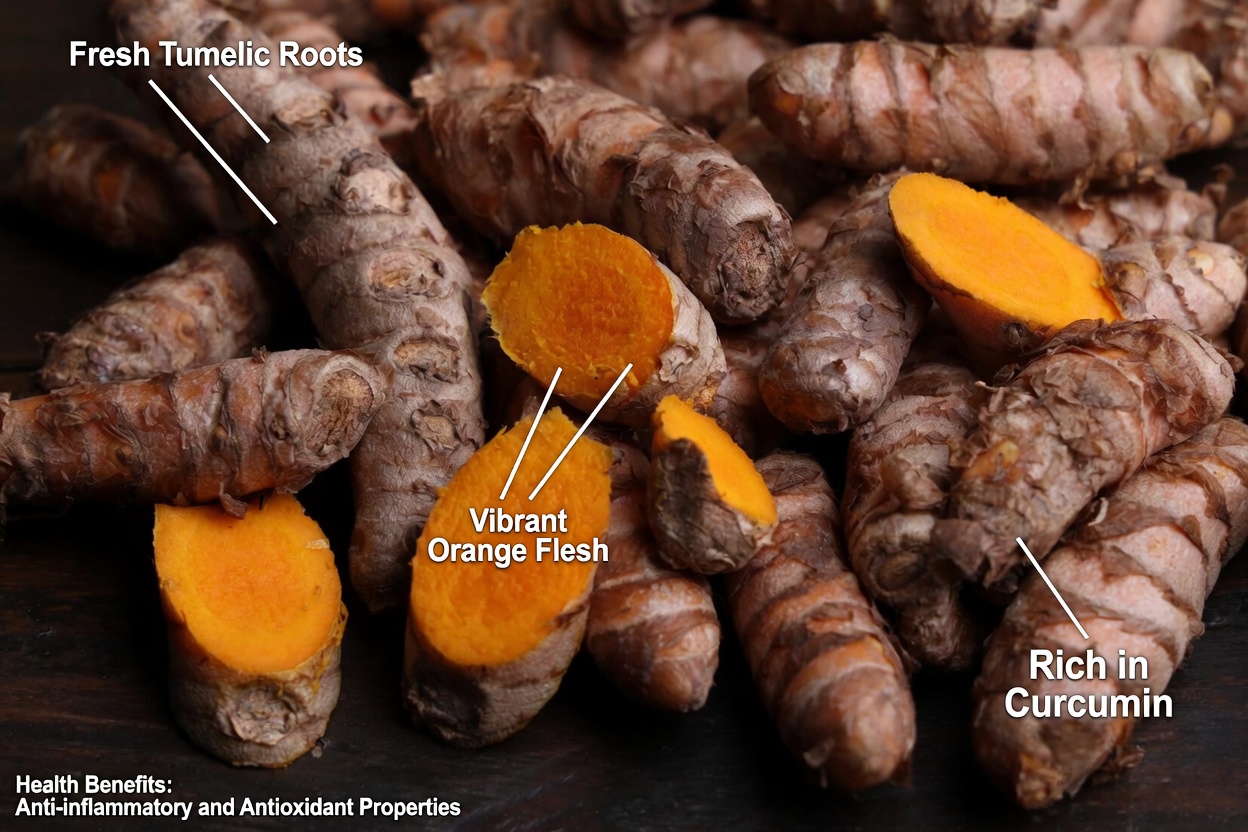
Turmeric has been part of everyday meals for centuries—often added to soups, stews, and warm beverages. The main compound drawing scientific interest is curcumin.
Studies have explored curcumin for its potential role in supporting normal body functions, including:
- Antioxidant activity that helps counter free radicals
- Support for healthy inflammatory responses
- Possible support for cellular upkeep and maintenance pathways
A key issue, however, is that curcumin is not easily absorbed on its own. Traditional recipes often solved this problem by pairing turmeric with another common spice: black pepper.
Black pepper contains piperine, a compound shown in research to significantly increase curcumin absorption when the two are consumed together. This pairing is the foundation of what many people call golden turmeric tea.
How Turmeric Tea May Support the Body’s Natural “Cleanup” Processes
Your body is constantly repairing, recycling, and renewing. One process often discussed in science is autophagy, sometimes described as an internal “cleaning and recycling” system where cells break down worn-out parts and reuse components.
In laboratory research, certain nutrients have been explored for their ability to influence these pathways. Curcumin has been studied in this context, largely because of its antioxidant and anti-inflammatory properties.
A clear note is important here: no single drink can promise longevity. Health is shaped by many factors—diet, movement, sleep quality, stress levels, and genetics.
Still, many nutrition-focused researchers and clinicians agree on one principle: small, repeatable daily habits often matter more than occasional big efforts. A warm cup of turmeric tea may be one of those simple routines.
People commonly say they enjoy it for:
- Gentle digestive comfort
- A warming, soothing feel—especially after a long day
- A calming evening ritual
- An easy way to add antioxidant-rich ingredients to daily life
In general, consistency beats intensity—one reasonable cup daily may be more helpful than large amounts once in a while.

A Simple Golden Turmeric Tea Recipe Many Families Use
Making turmeric tea is straightforward, which is one reason many older adults keep it as a morning or evening ritual.
Ingredients
- 1 cup water or warm milk
- 1/2 teaspoon turmeric powder
- 1/4 teaspoon ground black pepper
- 1/2 teaspoon freshly grated ginger
- Optional: lemon or a small amount of honey
Steps
- Heat the water (or milk) until gently hot.
- Add turmeric, black pepper, and ginger.
- Simmer for 5–10 minutes.
- Strain if you used fresh ginger pieces.
- Add lemon or honey if desired.
Sip slowly while warm. Many people prefer it in the evening because the warmth can feel relaxing before bedtime.
Ingredient Overview: What Each Part Contributes
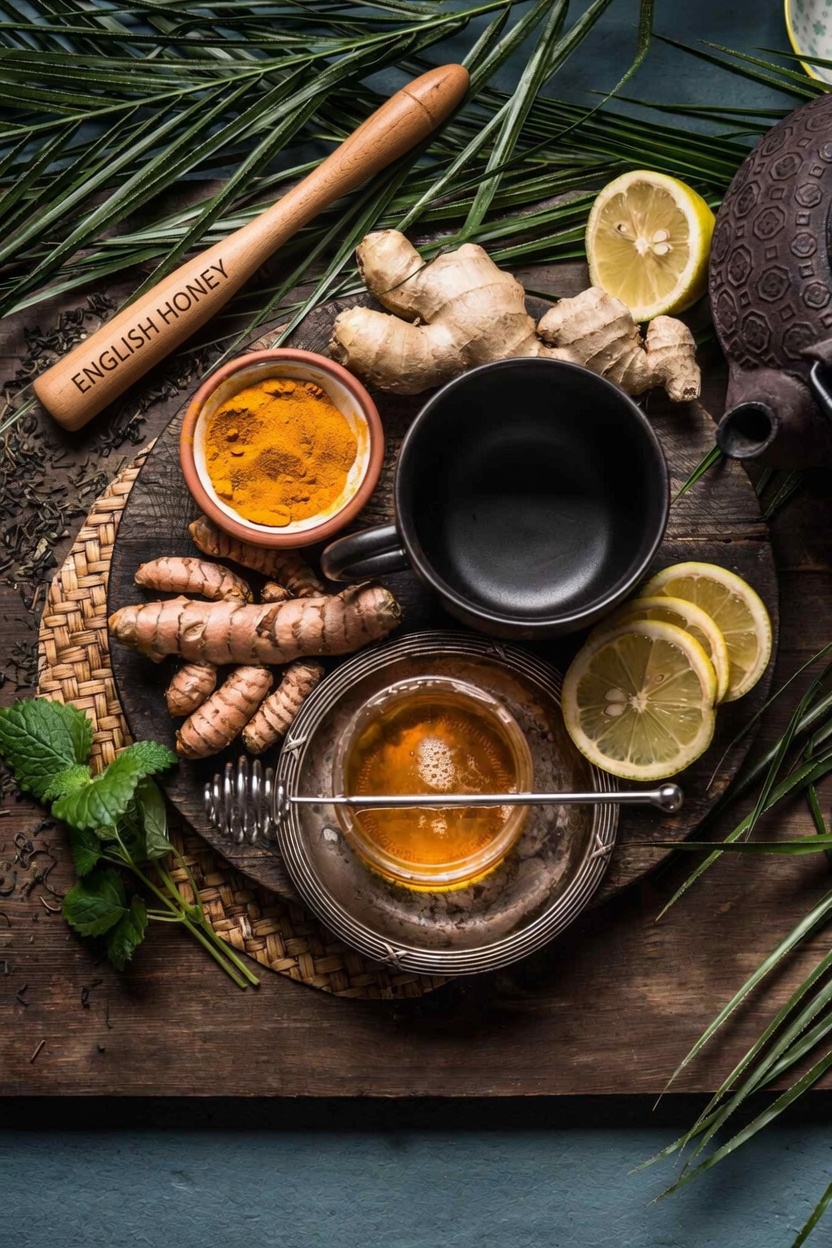
- Turmeric (curcumin): studied for antioxidant activity and support for healthy inflammatory balance
- Black pepper (piperine): helps the body absorb curcumin more effectively
- Ginger (gingerol): commonly used for digestive comfort and a warming sensation
- Lemon (vitamin C): adds flavor and extra antioxidant support
This blend is simple, but thoughtfully complementary—especially when turmeric and black pepper are combined.
How to Add Turmeric Tea Safely and Sustainably
Even natural ingredients should be used with care. Many experts suggest practical guidelines like:
A gentle routine to start
- Begin with one cup per day
- Drink it with food if your stomach is sensitive
- Always pair turmeric with black pepper for better absorption
- Notice how your body responds over time
When extra caution is important
Speak with a qualified healthcare professional before using turmeric drinks regularly if you:
- Take blood-thinning medications
- Have gallbladder issues
- Are preparing for surgery
- Are pregnant or breastfeeding
Your best guide is always a mix of professional medical advice and paying attention to your own body.

A Small Daily Habit That Can Strengthen Your Routine
Many people spend years chasing complex wellness plans. Yet the habits that last are often the simplest ones.
A daily cup of turmeric tea cannot guarantee you’ll live to 100—no food or drink can. But it may become a calming, consistent ritual that brings antioxidant-rich ingredients into your routine.
Long-lived communities rarely rely on a single “miracle” item. Their advantage is often steady habits repeated day after day. This simple golden drink may be one small habit worth considering.
Frequently Asked Questions
Is turmeric tea safe to drink daily?
For most healthy adults, one cup per day in typical culinary amounts is generally considered reasonable. If you have medical conditions or take medications, consult a healthcare professional first.
When is the best time to drink turmeric tea?
Many people like it in the evening because it feels soothing and relaxing. Others prefer it in the morning as a gentle start to the day.
Can turmeric tea replace a healthy diet?
No. Think of turmeric tea as a supportive add-on, not a substitute. A balanced lifestyle still requires nutritious food, movement, quality sleep, and stress management.
Medical Disclaimer
This content is for informational purposes only and is not a substitute for medical advice. Consult a qualified healthcare provider before making changes to your diet or routine, particularly if you have health conditions or take medications. Individual results can vary.