
Everyday Discomforts Many Older Adults Don’t Talk About (But Should)
A lot of older adults feel awkward bringing up “small” issues—persistent bad breath, slow digestion, or that uncomfortable heaviness after eating. These problems may seem minor, yet over time they can quietly reduce confidence, affect appetite, and make social situations less enjoyable.
Interestingly, many traditional kitchen practices that once supported day-to-day comfort have faded from modern routines. One small spice still found in many pantries may offer practical, gentle benefits when used thoughtfully. By the end of this article, you’ll understand why some people choose to chew a single clove each day.

Why Some People Chew Cloves Daily: A Traditional Routine Worth Rediscovering
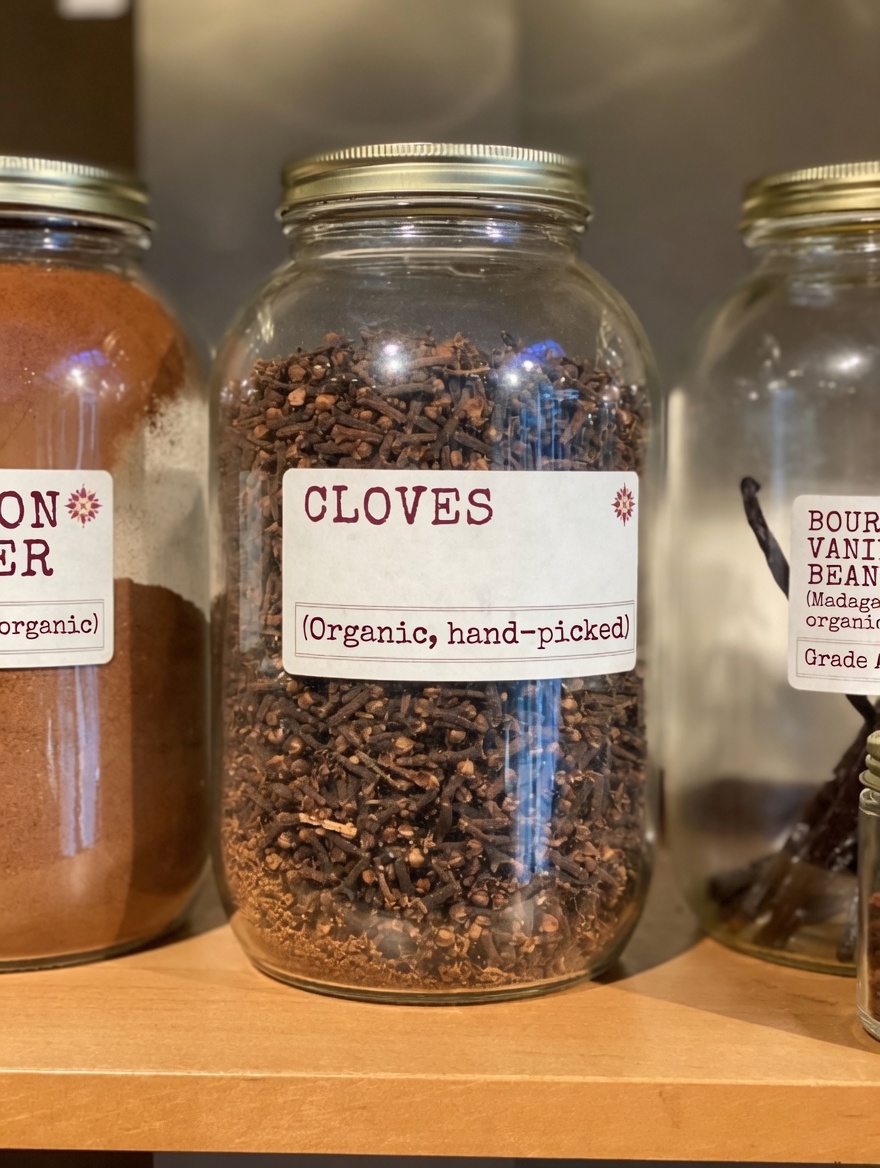
Across many homes in Latin America and Asia, cloves weren’t only a cooking ingredient. In some families, elders kept a small container of cloves within easy reach.
The reason is simple: cloves contain naturally aromatic plant compounds—especially eugenol. Findings discussed in nutrition and food-science research suggest these compounds may contribute to:
- Oral freshness
- Digestive comfort
- Antioxidant activity (in small dietary amounts)
This is where the habit becomes interesting. Some people began chewing one or two cloves per day as a basic wellness routine—not as medicine and not as a miracle cure, but as a small, consistent practice that supports general wellbeing.

Common Reasons People Chew Cloves After Meals
People who enjoy this traditional habit often do it for practical, everyday reasons, including:
- Helping freshen breath after eating
- Supporting digestion, especially after rich or heavy foods
- Enjoying the warming flavor that can stimulate saliva
- Adding a small amount of plant-based antioxidants to the diet
For older adults who prefer simple, natural routines instead of complex supplement stacks, chewing a clove can feel familiar and easy to maintain.
What You May Notice After Chewing Cloves for Several Days
Cloves are not a medical treatment and they cannot replace professional care. Still, small dietary routines can influence how you feel day to day. After several days, some people report subtle changes such as the following.
1) Fresher breath
Cloves contain strong aromatic oils. These compounds can help neutralize unpleasant odors, which is why clove is often included in traditional breath-freshening mixtures.
For anyone who feels self-conscious about ongoing mouth odor, chewing a clove may function as a simple, natural refresher.
2) Gentle digestive support
Some research suggests clove compounds may help stimulate digestive processes, potentially supporting:
- Smoother breakdown of food
- Less bloating after meals
- A “lighter” feeling after eating
This is supportive—not a replacement for medical evaluation if symptoms are persistent or severe.
3) A small boost of antioxidants
Cloves are known for containing plant compounds with antioxidant properties. Antioxidants help protect cells from everyday oxidative stress, which is often discussed in relation to aging and overall wellness.
This is one reason cloves frequently appear in discussions about nutrient-dense spices.
4) A warming, stimulating sensation
Many people notice a mild warming feeling in the mouth or throat when chewing cloves. This happens because the spice can stimulate sensations in the oral area, creating a refreshing effect.
However, there’s an important caution: using cloves incorrectly—or using too many—may cause irritation. Moderation matters.

Cloves vs. Other Popular Digestive Spices
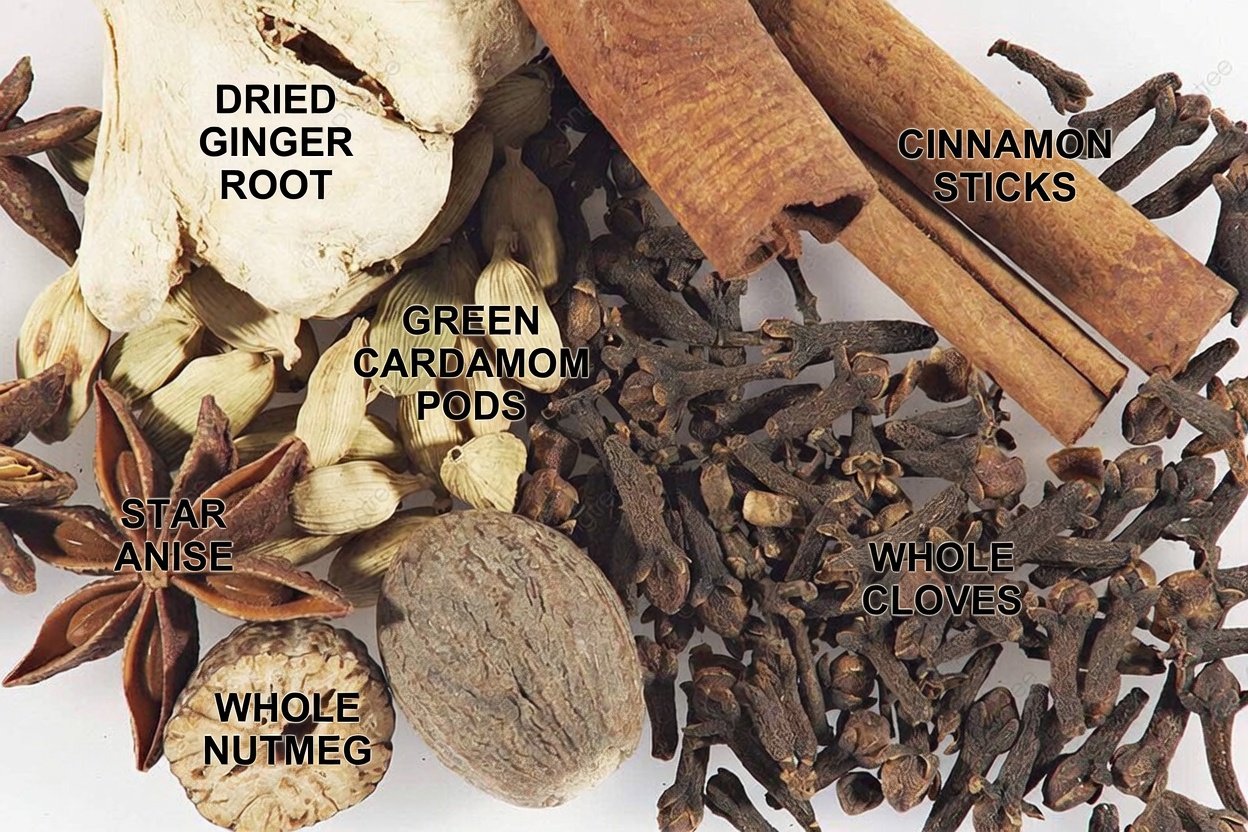
Cloves are just one option among traditional spices used for digestive and oral comfort. Here’s a simple comparison often used in everyday nutrition education:
-
Cloves
- Typical use: chewed or steeped in tea
- Flavor strength: very strong
- Traditional purpose: breath freshness and digestive comfort
-
Ginger
- Typical use: fresh, powdered, or tea
- Flavor strength: warm and spicy
- Traditional purpose: stomach comfort
-
Cinnamon
- Typical use: powder or sticks
- Flavor strength: sweet and warm
- Traditional purpose: commonly added to foods and beverages
-
Fennel seeds
- Typical use: chewed after meals
- Flavor strength: mild and slightly sweet
- Traditional purpose: mouth freshness and digestion
Cloves stand out because their taste and oils are highly concentrated, which is why most people stick to one or two at a time. Overdoing it can irritate the mouth or upset the stomach.
A Safer Way to Try the “7-Day Clove” Habit
If you want to experiment with this tradition, the safest approach is slow, minimal, and mindful. A commonly suggested method looks like this:
- Start with one clove after a meal.
- Chew slowly for about one minute.
- Allow the natural oils to release in the mouth.
- Either swallow the small remaining piece or discard the fibrous part.
- Repeat once daily for several days.
Important safety reminders
- Avoid chewing large quantities.
- Do not use if you have known spice allergies.
- Stop immediately if burning, irritation, or discomfort occurs.
- If you have health conditions or take medications, speak with a healthcare professional before making dietary changes.
For older adults in particular, gentle routines are typically better than aggressive “quick fixes.” The goal is daily comfort—not dramatic overnight changes.

Simple Lifestyle Habits That Pair Well With Cloves
Cloves alone won’t transform health. But they may fit nicely into a routine that supports digestion and oral comfort. Consider combining the habit with:
- Drinking enough water throughout the day
- Eating fiber-rich foods (vegetables, beans, whole grains)
- Taking daily walks to support circulation and digestion
- Maintaining consistent dental hygiene (brushing, flossing, regular checkups)
In practice, these foundational habits often matter far more than any single ingredient. Health usually improves through small, consistent routines, not one “powerful” solution.
Final Thoughts
Cloves are an intensely aromatic spice used in traditional kitchens for generations. Chewing one clove occasionally—or once daily in small amounts—may help freshen breath, stimulate saliva, support post-meal comfort, and contribute beneficial plant compounds. The effects are usually subtle, but many people appreciate the simplicity of this habit within a balanced lifestyle.
The key is moderation, self-awareness, and realistic expectations. Sometimes, the smallest pantry staples remind us that healthy routines don’t have to be complicated.
Frequently Asked Questions
Is it safe to chew cloves every day?
Many people tolerate one or two cloves per day without issues. However, excessive intake may irritate the mouth or stomach. Stick to small amounts and stop if discomfort appears.
How many cloves should someone chew?
A cautious starting point is one clove per day, then observe how your body responds.
Can cloves replace dental care or medical treatment?
No. Cloves are a culinary spice and should never replace professional dental care or medical treatment.
Medical Disclaimer
This article is for educational purposes only and is not a substitute for professional medical advice. Always consult a qualified healthcare professional about health concerns or before making changes to your diet.