10 Unusual Symptoms of Pancreatic Cancer You Should Not Ignore
Many people dismiss minor body changes, like unexplained itching or a sudden drop in energy, as a normal result of stress, a packed schedule, or getting older. At first, these shifts may seem small and easy to overlook, especially when daily life is busy and more obvious health concerns demand attention.
However, pancreatic cancer is one of those conditions that can stay silent in its early stages. Because of that, subtle warning signs may go unnoticed until they begin to add up. The encouraging part is that understanding these possible signals can help you make informed decisions and have timely conversations with your doctor. Even more importantly, research shows that these unusual symptoms may be connected in ways many people do not realize, and there are practical steps you can take now to support your health.
Why Pancreatic Cancer Is Often Difficult to Detect Early
Pancreatic cancer frequently develops without clear or dramatic symptoms in the beginning. That is one reason awareness matters so much. According to organizations such as the American Cancer Society, signs often do not appear until the disease has advanced, which can make early detection much harder.
This is not meant to cause fear. It is about recognizing how the body may signal that something is off. Research suggests that noticing patterns of change, instead of brushing off each symptom separately, can lead to more productive medical discussions and earlier evaluation.
Many people simply do not connect these unusual symptoms with pancreatic problems until they learn more about them.
10 Strange Symptoms Experts Say Should Be Taken Seriously
Some studies and medical reviews have linked the following lesser-known symptoms to pancreatic cancer in certain cases. These signs can also overlap with many other conditions, which is exactly why awareness is valuable.
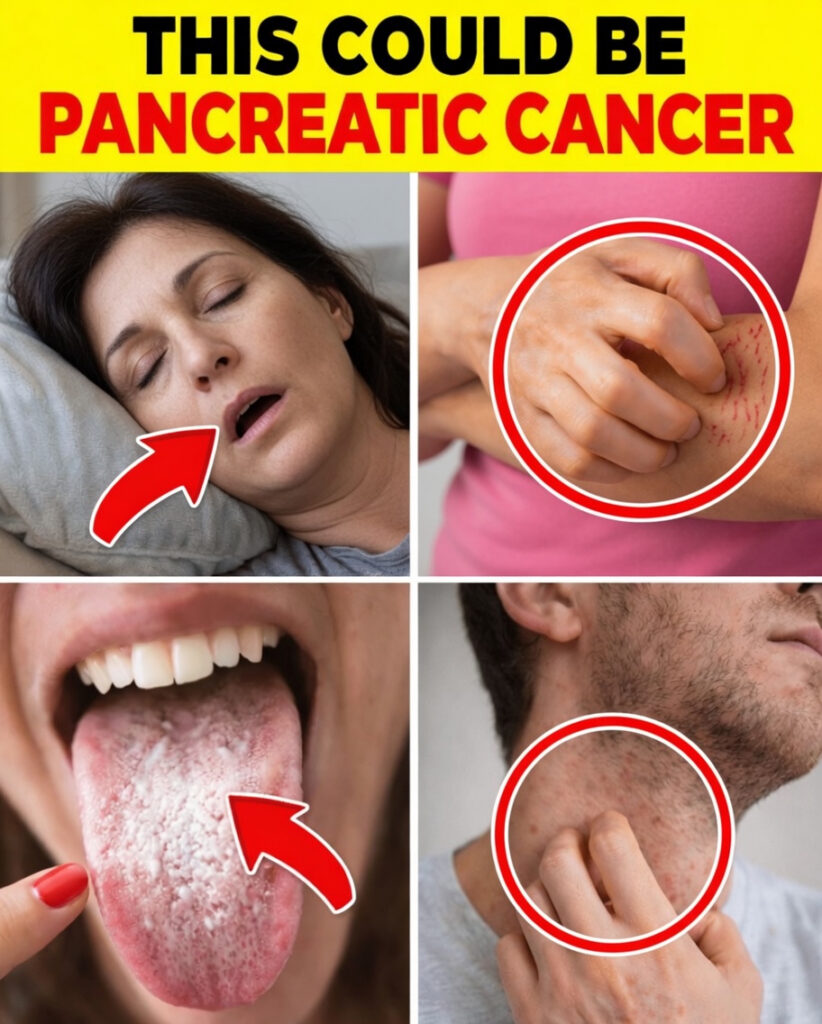
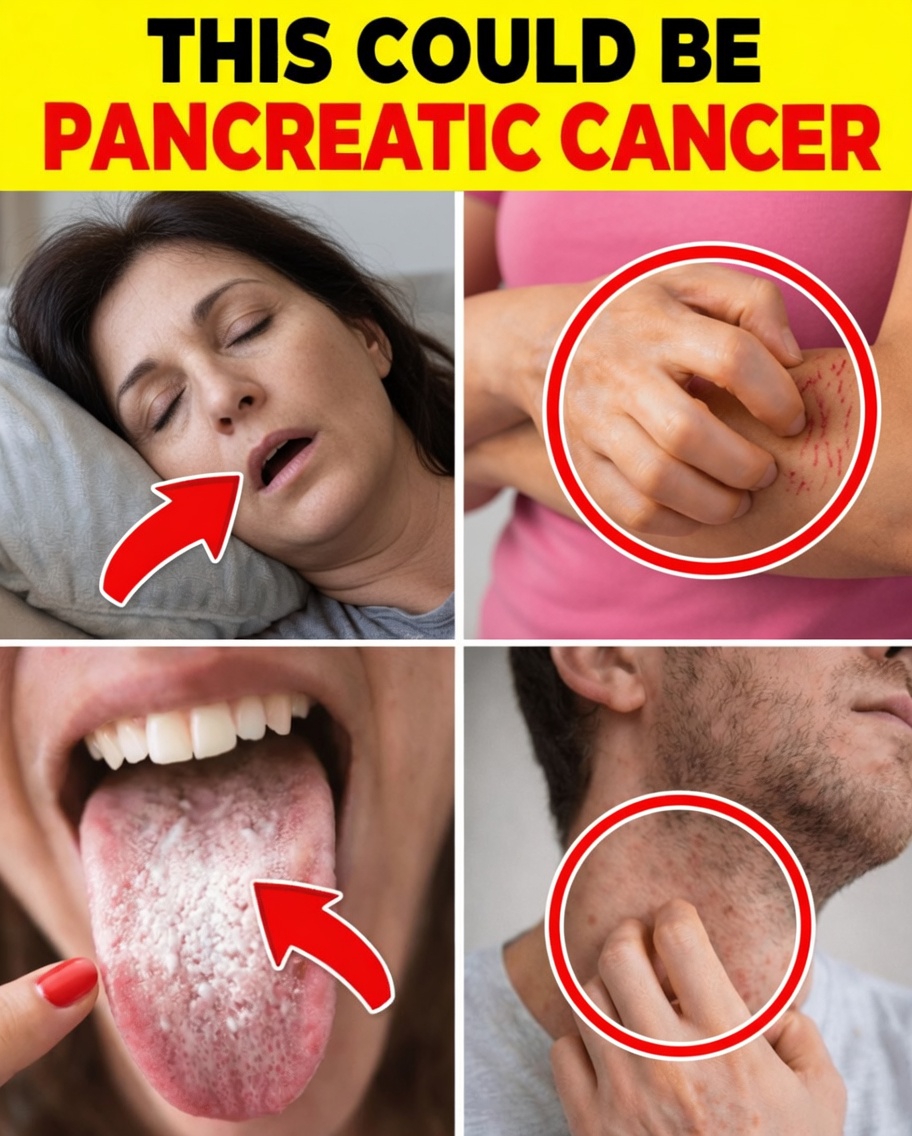
- Ongoing itchy skin without a clear rash
- Yellow skin or yellowing in the eyes
- Dark urine
- Pale, greasy, or floating stools
- Unexplained weight loss
- New diabetes or worsening diabetes after age 50
- Severe and persistent fatigue
- Unexpected blood clots
- Dark, velvety patches of skin
- Unusual rashes or changes in the tongue

1. Persistent Itching Without an Obvious Rash
One of the more unusual early complaints some people describe is intense itching that seems to appear for no clear reason. Health experts explain that this may happen when bile builds up in the body due to disruption near the pancreas, which can affect normal liver-related processes.
This type of itching can be especially frustrating because there may be no visible rash, dry skin, or insect bite to explain it. In some cases, it becomes worse at night and interferes with sleep.
2. Yellowing of the Skin or Eyes
Jaundice is the medical term for yellowing of the skin or the whites of the eyes. It happens when bilirubin levels rise, often because of a blockage.
At first, this change may be very subtle. Sometimes a family member or friend notices the yellow tint before the person affected does. Researchers at institutions like Mayo Clinic have identified jaundice as a classic warning sign that deserves prompt medical attention.
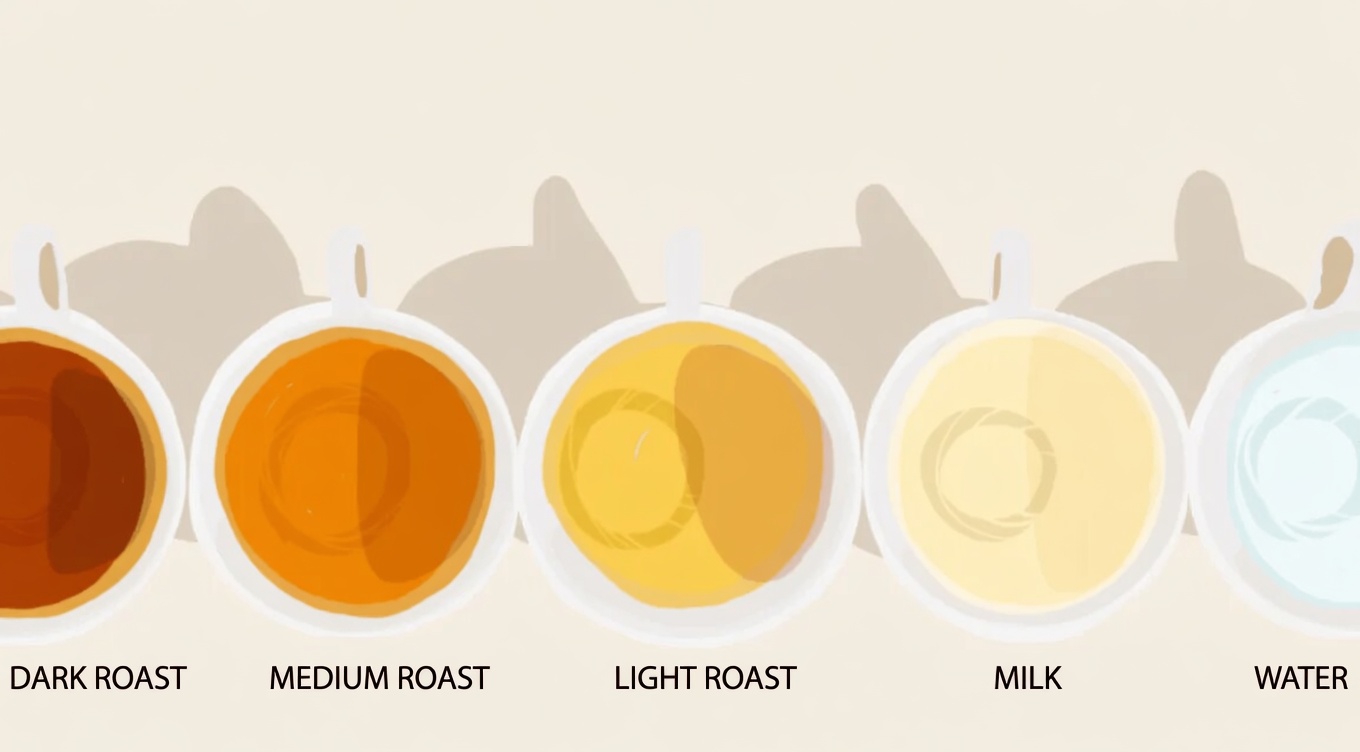
3. Dark-Colored Urine
If your urine suddenly becomes unusually dark, resembling tea or cola, and you have not changed your fluid intake, diet, or supplements, it may be worth discussing with a doctor.
This symptom can be related to the same bile-related process associated with jaundice. It is often listed as one of the quieter changes that can appear alongside other digestive or liver-related symptoms.
4. Light, Greasy, or Floating Stools
Stools that are pale, clay-colored, oily, or floating may point to problems with digestion and fat absorption. This can happen when the pancreas is not producing enough digestive enzymes.
Many people assume this is just a temporary reaction to something they ate. But if it continues, clinical experts often consider it an important symptom to investigate.
5. Unexplained Weight Loss
Losing weight without trying may initially seem harmless or even welcome. But when pounds drop without changes in diet or exercise, it can be a warning sign.
In pancreatic cancer, this may happen because the body is not absorbing nutrients properly, appetite decreases, or a person starts feeling full more quickly than usual. The American Cancer Society notes that unexplained weight loss is a common concern in many cancer cases, including pancreatic cancer.
6. New or Worsening Diabetes After Age 50
Another sign that can catch people off guard is diabetes that appears suddenly later in life, or existing diabetes that becomes harder to control after age 50.
Researchers have examined the connection between pancreatic function and insulin production, and several studies suggest that this change can sometimes be linked to pancreatic disease. Because diabetes is so common, many people do not realize it may occasionally be part of a larger picture.
7. Extreme, Lasting Fatigue
There is a difference between ordinary tiredness and the kind of fatigue that does not improve with rest. Persistent, deep exhaustion can show up when the body is under strain and normal function is being disrupted.
Patient reports and clinical data frequently mention fatigue as an important symptom, especially when it appears together with weight loss or appetite changes.
8. Sudden Blood Clots
In some cases, an unexpected blood clot may be one of the first clues that something more serious is happening. This might appear as pain, redness, swelling, or warmth in the leg, or even as a clot that travels to the lungs.
Certain medical literature refers to this association as Trousseau syndrome. While not common, doctors take unexplained blood clots seriously because they can sometimes be linked to underlying cancer.
9. Dark, Velvety Skin Patches
A skin condition called acanthosis nigricans causes dark, thickened, velvety patches, often around the neck, underarms, or hands.
Although it is uncommon, this change has been documented in connection with some pancreatic tumors that affect hormone activity. It can look subtle at first, which makes it easy to dismiss.
10. Unusual Rashes or Changes in the Tongue
Some individuals notice a red, bumpy rash that seems to move or spread, while others develop a coated, sore, or persistently irritated tongue.
These symptoms have been linked in rare cases to pancreatic neuroendocrine tumors, where excess hormone production can affect the skin and mouth. At first glance, they may seem unrelated, but research has identified these changes in specific pancreatic conditions.
Why This Symptom List Matters
One reason pancreatic cancer is so easy to miss is that these symptoms usually do not appear all at once. They tend to develop gradually and quietly. A person may explain away each one individually, without realizing that together they form a pattern worth checking.
That is why paying attention to ongoing changes in the body can be so valuable.
What to Do If You Notice Any of These Signs
The right response is not panic. It is action. If you notice one or more of these symptoms, here are a few simple steps you can take:
-
Keep a symptom journal
- Write down when each symptom started.
- Note how often it happens and whether anything makes it better or worse.
-
Book a medical check-up
- Even if the issue seems minor, a doctor can assess whether blood tests, imaging, or other evaluations are appropriate.
-
Support your digestion
- Stay hydrated and aim for balanced meals with fiber while you monitor changes.
-
Move regularly
- Gentle daily activity, such as a 20-minute walk, may help with energy, digestion, and overall well-being.
-
Discuss family history
- Sharing your family’s medical background can help your doctor better evaluate your personal risk.
These are simple habits, but they can have a meaningful impact when it comes to health awareness.
Lifestyle Habits That May Support Pancreatic Health
In addition to watching for symptoms, daily choices can support overall health and may help reduce certain general risk factors. Research consistently points to several helpful habits:
- Maintain a healthy body weight
- Avoid smoking
- Limit alcohol intake
- Eat more fruits and vegetables
- Include whole grains in your diet
- Stay physically active
- Manage stress in healthy ways
These small, steady lifestyle changes can build up over time and support digestion, energy levels, and inflammation control.
Conclusion
These 10 unusual symptoms linked to pancreatic cancer are often the ones people recognize too late. Learning about them can help you listen to your body with more confidence and awareness. Knowledge matters, but taking action matters even more.
By staying observant, asking questions, and seeking medical advice when something feels off, you give yourself the best chance to make informed health decisions.
FAQ
What should I do if I notice one or two of these symptoms?
Contact your primary care doctor as soon as possible for an evaluation. They can determine whether you need testing or whether another condition may be causing the symptoms.
Do these symptoms always mean pancreatic cancer?
No. Many of these symptoms can also be caused by less serious conditions, including digestive issues, liver problems, diabetes, or skin disorders. Still, persistent or unexplained changes should not be ignored.
Is pancreatic cancer always symptom-free in the beginning?
Not always, but early symptoms are often mild, vague, or easy to confuse with other health issues. That is why awareness is so important.
When should I seek urgent care?
Seek immediate medical attention if you develop severe abdominal pain, trouble breathing, signs of a blood clot, sudden jaundice, or any rapidly worsening symptom.
Can lifestyle changes prevent pancreatic cancer?
No lifestyle habit can guarantee prevention. However, avoiding smoking, keeping a healthy weight, eating a nutritious diet, staying active, and limiting alcohol may help reduce overall risk.