A Quiet Moment That Reveals a Bigger Truth About Aging
Imagine a grandfather at a family lunch in Mexico gently sliding his plate away—not because the food isn’t good, but because walking up the stairs already made him short of breath, and his energy seems to disappear earlier each year. Many older adults feel self-conscious when their bodies slow down faster than the people around them.
What makes it even harder is a common belief: aging is “just genetics,” and there’s nothing you can do about it. Yet modern longevity research points to a more hopeful reality. Scientists increasingly suggest that daily nutrition and lifestyle choices can influence how our cells behave over time—including how quickly the body shows signs of biological aging.
Telomeres: How Food Choices May Help Protect Your DNA
In aging science, telomeres come up often. Telomeres are like tiny protective caps at the ends of your DNA. Each time a cell divides, those caps naturally become a little shorter. When telomeres shrink too much, cells tend to function less effectively, and visible signs of aging can become more pronounced.
Here’s where nutrition becomes relevant. Findings from multiple research groups (including work associated with Harvard and UCSF) suggest that lifestyle factors—especially diet—may affect the pace of telomere shortening. Many researchers connect this to oxidative stress, a process linked with faster cellular aging.
Below are several foods frequently discussed in longevity and antioxidant research.
Dark Leafy Greens
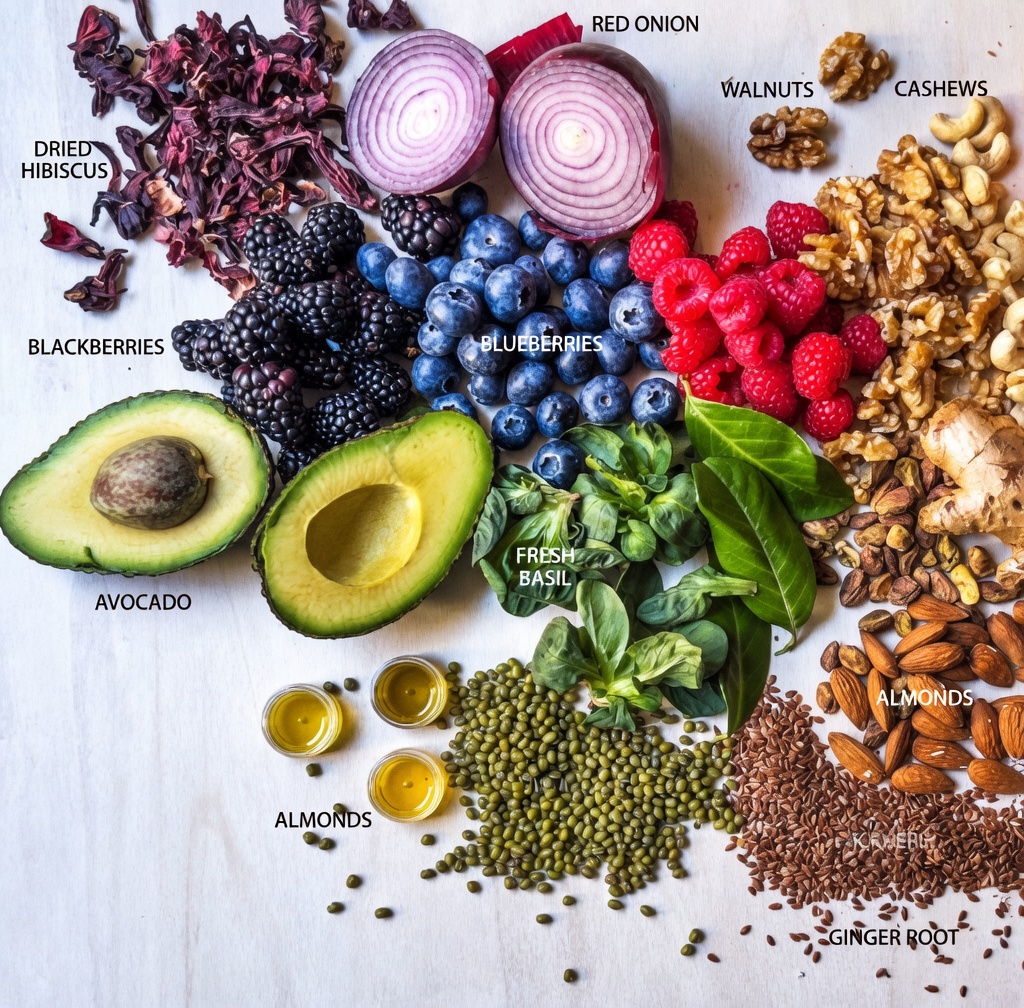
Leafy green vegetables are rich in vitamins, minerals, and antioxidants that support cellular function. Common options include:
- Spinach
- Kale
- Swiss chard
- Arugula
These greens provide nutrients such as folate and magnesium, along with plant compounds that may help defend DNA from oxidative stress. Observational research also often notes that older adults who eat leafy greens regularly tend to show stronger metabolic health markers overall.
Berries
Berries may be small, but they’re packed with protective plant compounds—especially polyphenols and anthocyanins, which researchers commonly associate with lower inflammation.
Popular choices include:
- Blueberries
- Strawberries
- Raspberries
- Blackberries
Even a modest serving added to oatmeal or yogurt can meaningfully increase daily antioxidant intake.
Nuts and Seeds
Nuts and seeds supply healthy fats, vitamin E, and in some cases omega-3 fatty acids—nutrients often linked with heart and cellular support as we age.
Examples include:
- Almonds
- Walnuts
- Chia seeds
- Flaxseeds
These foods are frequently featured in longevity-friendly eating patterns because they combine nutrient density with minimal processing.
Autophagy: Your Body’s Built-In Cellular “Cleanup” System
Now for a second longevity mechanism that fascinates researchers: autophagy.
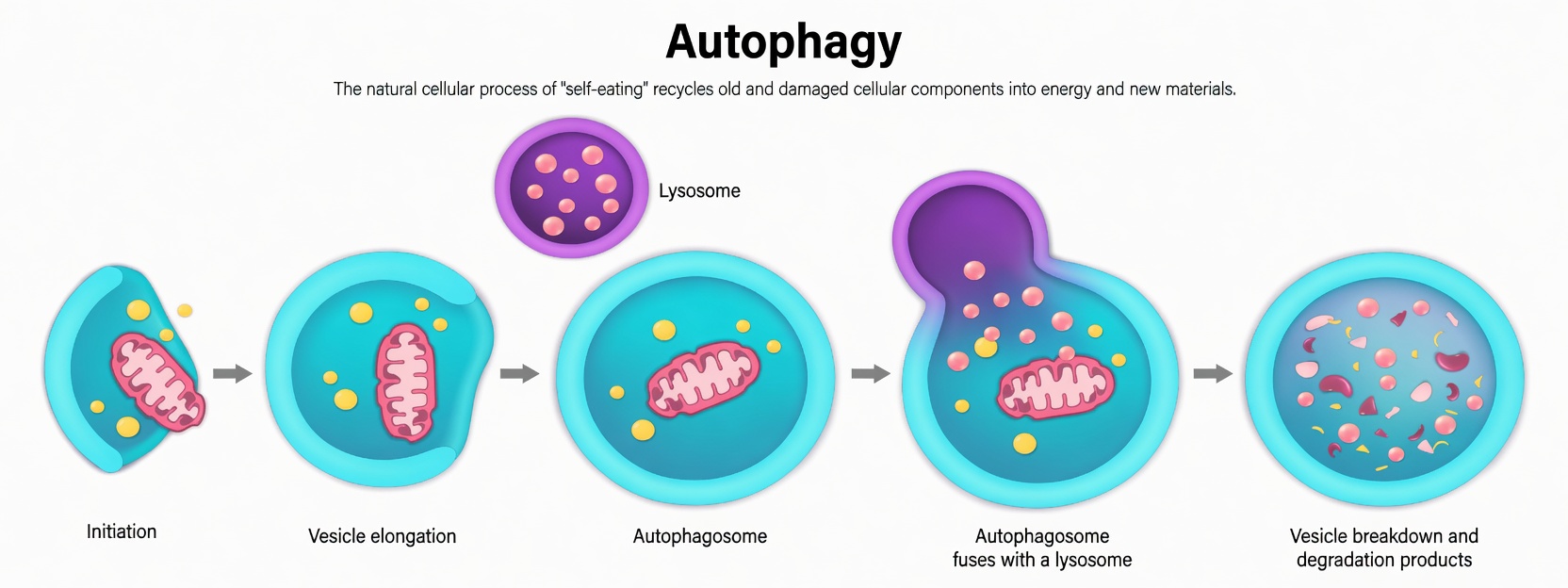
Autophagy is essentially the body’s internal recycling program. Cells break down damaged or worn-out components and reuse the materials to keep functioning efficiently. This process is considered so important to cellular health that it has been highlighted in Nobel Prize–recognized research.
What’s especially interesting is that autophagy is influenced by eating patterns—and not only by what you eat, but also when you eat.
Time-Restricted Eating Windows May Support Cellular Maintenance
Many longevity-focused researchers observe that giving the body a longer break from food overnight may help activate cellular maintenance pathways.
One commonly studied routine looks like this:
- Eat dinner around 7:00 PM
- Eat breakfast between 9:00–11:00 AM
This creates a natural overnight fasting window (often around 12–14 hours) that may help shift metabolism toward repair and maintenance.
Foods Commonly Linked With Cellular Support
Food quality still matters. Several ingredients contain compounds studied for their potential role in healthy cellular activity:
- Green tea, which contains EGCG, a compound studied for metabolic health
- Turmeric, which provides curcumin, a natural antioxidant
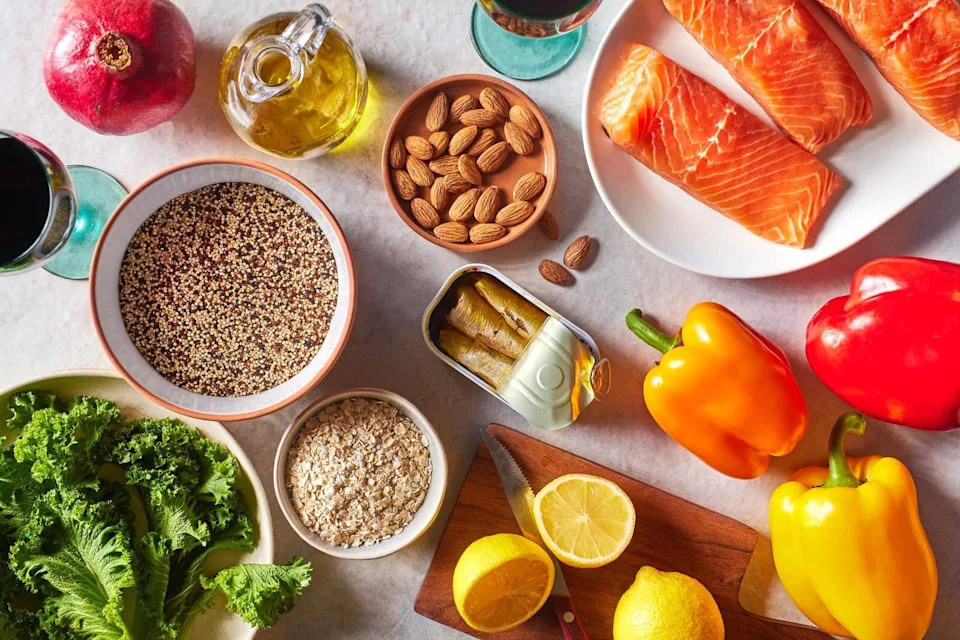
- Extra-virgin olive oil, a central feature of Mediterranean-style eating
Researchers often observe that populations who consume these foods regularly tend to show stronger markers of healthy aging.
Ribosomes and Protein: Why Nutrition Matters More With Age
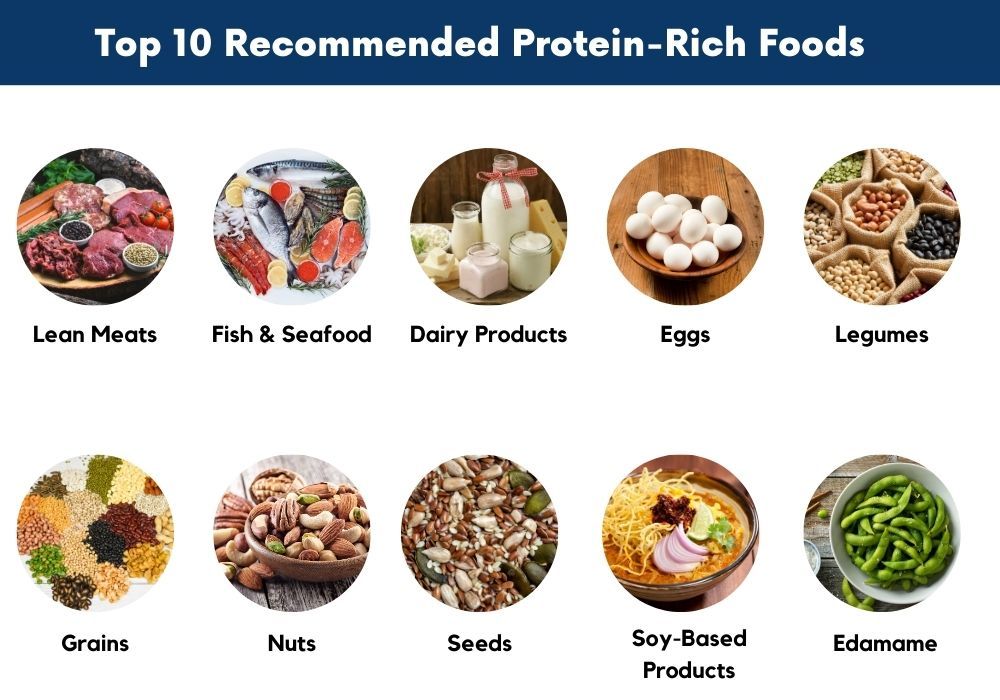
Inside every cell are tiny structures called ribosomes. You can think of ribosomes as protein-building factories. They follow genetic instructions to assemble proteins—materials your body needs for nearly everything.
Protein production supports key functions such as:
- Muscle maintenance
- Immune resilience
- Hormone regulation
- Tissue repair
As we get older, maintaining effective protein building becomes more important—making protein nutrition a major focus in many longevity discussions.
Plant-Based Protein Options
Many researchers studying long-lived populations emphasize high-quality plant proteins, including:
- Lentils
- Chickpeas
- Quinoa
- Tofu
- Tempeh
These choices deliver essential amino acids while also providing fiber and valuable plant compounds.
Omega-3–Rich Foods
Healthy fats help maintain cell membranes, supporting communication between cells. Notable omega-3 sources include:
- Flaxseeds
- Chia seeds
- Walnuts
- Fatty fish (such as salmon or sardines)
These fats are frequently associated in studies with improved cardiovascular and metabolic markers.
Fermented Foods and the Gut Microbiome
Because the gut influences nutrient absorption, gut health can affect how efficiently the body uses protein, vitamins, and minerals. Fermented foods are commonly used to support the microbiome, such as:
- Yogurt
- Kefir
- Sauerkraut
- Kimchi
A more balanced gut environment may help the body make better use of nutrients over time.

A Simple Daily Meal Pattern Inspired by Longevity Research
Long-lived communities often don’t follow complicated diet rules. Instead, they repeatedly choose whole foods and consistent routines. Here’s an example day built around many foods discussed in longevity research.
Morning Meal (After the Overnight Break)
- Green tea
- Yogurt (or plant-based yogurt)
- Mixed berries
- Chia seeds
This combo supports antioxidant intake, provides healthy fats, and includes beneficial bacteria.
Lunch
- A large leafy salad
- Chickpeas or lentils
- Avocado slices
- Olive oil + lemon dressing
This meal emphasizes fiber, plant protein, and stable energy from healthy fats.
Snack
- A small handful of walnuts or almonds
- Fresh fruit
A simple snack like this adds nutrients without relying on highly processed sugar.
Dinner
- Grilled fish or tofu
- Steamed vegetables (spinach, broccoli, carrots)
- Quinoa or brown rice
- Vegetables seasoned with turmeric
This is a balanced, low-processed dinner style frequently seen in Mediterranean and other longevity-associated patterns.
Processed Diet vs. Whole-Food Longevity Style (Quick Comparison)
-
Typical processed diet
- Main foods: refined grains, added sugar, packaged snacks
- Fats: industrial seed oils
- Fiber: often low
- Quality: heavily processed
-
Whole-food longevity style
- Main foods: vegetables, legumes, nuts, seeds
- Fats: olive oil, nuts, fish
- Fiber: typically high
- Quality: mostly whole foods
Lifestyle Habits Common in Long-Living Communities
Nutrition is powerful, but longevity research rarely points to one “magic” food. Studies of long-lived populations repeatedly highlight simple, consistent behaviors such as:
- Daily movement (walking, gardening, light physical work)
- Strong family and social ties
- Regular sleep routines
- Practical stress-management habits
- Meals centered on whole, mostly plant-based foods
In many cases, small healthy actions repeated for years appear to matter more than occasional extreme changes.
Practical Steps to Start Today
If you want a more longevity-friendly routine, focus on simple, sustainable changes:
- Add one serving of leafy greens to a meal every day.
- Swap processed snacks for nuts, fruit, or yogurt.
- Choose green tea instead of sugary drinks when possible.
- Aim for an overnight fasting window of about 12 hours.
- Include legumes (lentils, chickpeas, beans) regularly as a protein staple.